
The Gut-Brain Connection: What You Eat Shapes How You Think and Feel

Have you ever eaten a heavy, sugary lunch and felt your brain turn to fog by 2 p.m.? Or noticed that after a few days of eating well, you felt more upbeat, sharper, and just… better? That is not a coincidence.
What you put on your plate does not just fuel your body — it talks directly to your brain. The gut and brain are in constant communication, and every meal you eat sends a message. Some foods send messages that lift your mood, sharpen your thinking, and help you sleep. Others send messages that do the opposite.
In this article, I am going to walk you through exactly how this works. I will explain the gut-brain connection in plain language, show you which foods work against you, and give you a practical list of foods that help your brain thrive. This is one of the most exciting reasons to eat clean — and once you understand it, healthy eating feels less like a chore and a lot more like self-care.
What Is the Gut-Brain Connection?
| The gut-brain connection is the two-way communication system between your digestive tract and your brain. Your gut sends signals to your brain through the vagus nerve, immune system, and gut-produced neurotransmitters. What you eat directly influences your mood, mental clarity, and sleep quality. |
Your gut is sometimes called your ‘second brain’ — and for good reason. It contains about 100 million nerve cells, which is more than your spinal cord. Scientists call this the enteric nervous system, and it runs the entire length of your digestive tract.

Here is the part that surprised me most when I first learned about it: roughly 90 to 95 percent of your body’s serotonin — the feel-good neurotransmitter — is made in your gut, not your brain. Dopamine, GABA, and other brain chemicals are also produced there. So if your gut is not healthy, your brain chemistry can suffer too.
The main highway between your gut and brain is called the vagus nerve. It carries signals in both directions. Your gut literally sends messages up to your brain based on what is happening in your digestive system. The state of your gut microbiome — the trillions of bacteria living in your intestines — has a direct influence on how you feel mentally and emotionally.
This is not fringe science. Research in a field called nutritional psychiatry has been growing rapidly, and the evidence is clear: the food you eat changes the bacteria in your gut, and those bacteria change how your brain works.
How Sugar, Additives, and Low Fiber Sabotage Your Brain
Let us start with the bad news so we can get to the good stuff faster. Three things in the modern diet are particularly rough on your gut-brain axis: added sugar, artificial additives (including food dyes), and a lack of fiber.

Added Sugar: The Mood Roller Coaster
When you eat a lot of added sugar, your blood sugar spikes fast and then crashes hard. That crash is what causes the afternoon slump — the brain fog, the irritability, the sudden urge to nap under your desk.
But it goes deeper than blood sugar. A diet high in sugar disrupts the balance of bacteria in your gut, a condition called gut dysbiosis. When harmful bacteria outnumber beneficial ones, your gut produces fewer mood-supporting neurotransmitters. Over time, chronic high sugar intake has been linked to a higher risk of depression and anxiety.
Sugar also drives systemic inflammation, and chronic inflammation in the body can cross into the brain — something researchers call neuroinflammation. This can show up as mental fatigue, difficulty concentrating, and a general feeling of emotional flatness.

Artificial Additives and Food Dyes: The Hidden Disruptors
Artificial food dyes and preservatives are found in hundreds of packaged foods — brightly colored cereals, chips, candy, packaged snacks, and even some condiments. Research has shown that certain dyes, particularly Red 40, Yellow 5, and Yellow 6, can affect behavior and cognitive function, especially in children. But the concern does not stop there.
Some artificial preservatives, like sodium benzoate, have been studied for their potential to increase hyperactivity and attention difficulties. Others disrupt the gut microbiome in ways that may affect mood and mental clarity.
When I scan ingredient labels at the grocery store, anything with a long list of numbers and chemical-sounding names is a flag for me. (Check out Clean Eating Using Food Apps). Your gut bacteria have to process everything you eat — and they do not thrive on synthetic compounds they have never seen before.
Low Fiber: Starving Your Good Bacteria
This one does not get enough attention. Your gut bacteria feed on fiber — specifically prebiotic fiber, which is found in plant foods. When you do not eat enough fiber, your good bacteria literally go hungry. They shrink in number and diversity. And a less diverse microbiome is consistently linked to higher rates of depression, anxiety, and cognitive decline.
The average American eats about 15 grams of fiber per day. The recommendation is 25 to 35 grams. That gap matters enormously for your mental health.
Low fiber intake also slows digestion, which allows more time for harmful bacteria to thrive and for inflammatory compounds to be absorbed into the bloodstream — and eventually, to reach your brain.
| THE SABOTAGE SUMMARY — QUICK REFERENCE Added sugar disrupts gut bacteria, spikes and crashes blood sugar, and drives neuroinflammation. Artificial dyes and additives stress gut bacteria and may impair focus and behavior. Low fiber starves beneficial bacteria, reducing serotonin production and increasing inflammation |
Foods That Energize Your Brain: The Clean Eating Advantage
Now for the part I love talking about. The same clean eating principles that support your physical health — whole foods, minimal processing, real ingredients — also feed your brain in the most powerful way.
High-Fiber Foods: Feed Your Good Bacteria
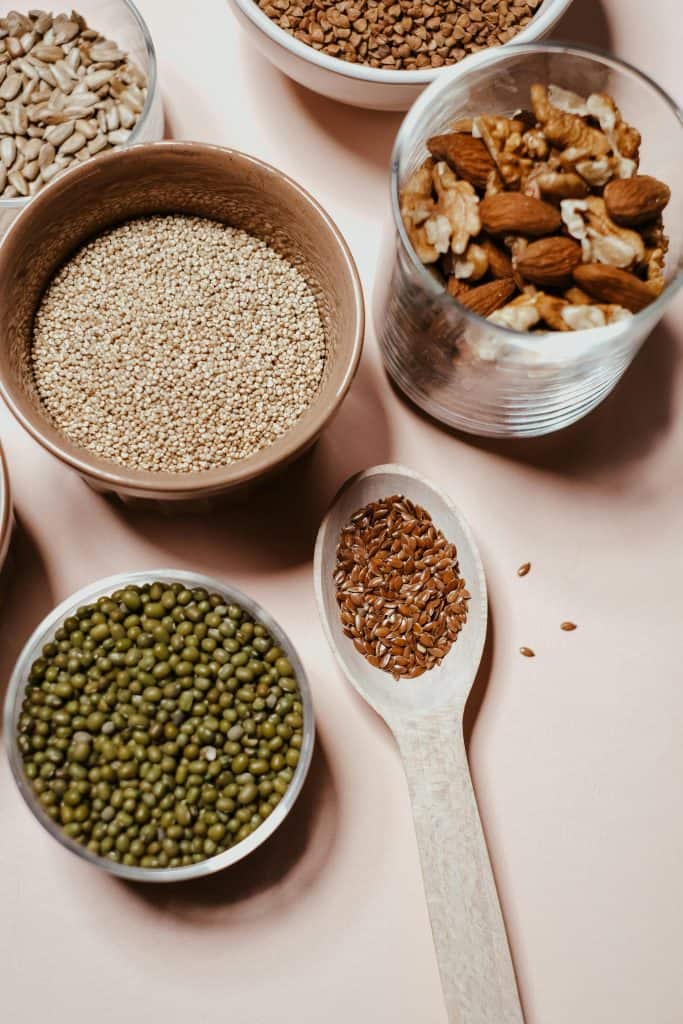
Every time you eat fiber-rich foods, you are feeding the beneficial bacteria in your gut and giving your gut-brain axis the raw material it needs to work well. Think of fiber as fertilizer for your mental health.
Great high-fiber, clean eating options include:
- Legumes — lentils, black beans, chickpeas (up to 15 grams of fiber per cup)
- Vegetables — broccoli, artichokes, Brussels sprouts, sweet potatoes
- Fruits — berries, apples, pears (with the skin on)
- Whole grains — oats, quinoa, brown rice, farro
- Seeds — chia seeds and flaxseeds are especially fiber-dense
Aim to add at least one high-fiber food to every meal. It does not have to be a big change — a handful of berries with breakfast, lentils in your lunch salad, or roasted vegetables at dinner adds up fast.

Fermented Foods: Replenish and Diversify Your Microbiome
Fermented foods contain live beneficial bacteria called probiotics. These cultures help restore and maintain a healthy, diverse gut microbiome — and research consistently shows that microbiome diversity is one of the strongest predictors of good mental health.
My favorite fermented foods to incorporate are:
- Plain yogurt — look for ‘live and active cultures’ on the label; avoid high-sugar flavored varieties
- Kefir — a tangy drinkable yogurt that is even more probiotic-rich than regular yogurt
- Kimchi — a fermented Korean vegetable dish with a bold, spicy flavor that pairs surprisingly well with eggs and grain bowls
- Sauerkraut — fermented cabbage; great on salads or as a condiment; buy refrigerated, not shelf-stable
- Miso — a fermented soybean paste perfect for soups and dressings
You do not need to eat all of these every day. Even one serving of a fermented food daily can make a meaningful difference in gut diversity. I personally add yogurt to my smoothies and keep a jar of kimchi in the fridge for a quick flavor boost. I also love a good Kombucha drink in the afternoon.
One important note: if you are new to fermented foods, start small. Adding too much too fast can cause temporary bloating while your gut adjusts.
Polyphenol-Rich Foods: Your Brain’s Best Friends
Polyphenols are plant compounds that act as antioxidants and also feed beneficial gut bacteria. They reduce neuroinflammation, support serotonin and dopamine production, and are linked to improved cognitive function and lower depression risk.
The best part? The polyphenol-richest foods happen to be delicious:
- Berries — blueberries, strawberries, raspberries, and blackberries are polyphenol powerhouses. Blueberries specifically have been studied for their effect on memory and cognitive performance.
- Dark chocolate — yes, really. 70% cacao or higher contains flavonoids that feed gut bacteria and support brain blood flow. A small piece goes a long way.
- Green tea — rich in a polyphenol called EGCG, which has been shown to reduce anxiety and support mental clarity. The amino acid L-theanine in green tea also promotes a calm, focused state of mind.
- Extra-virgin olive oil — contains oleocanthal, a powerful anti-inflammatory polyphenol that is especially protective for brain health.
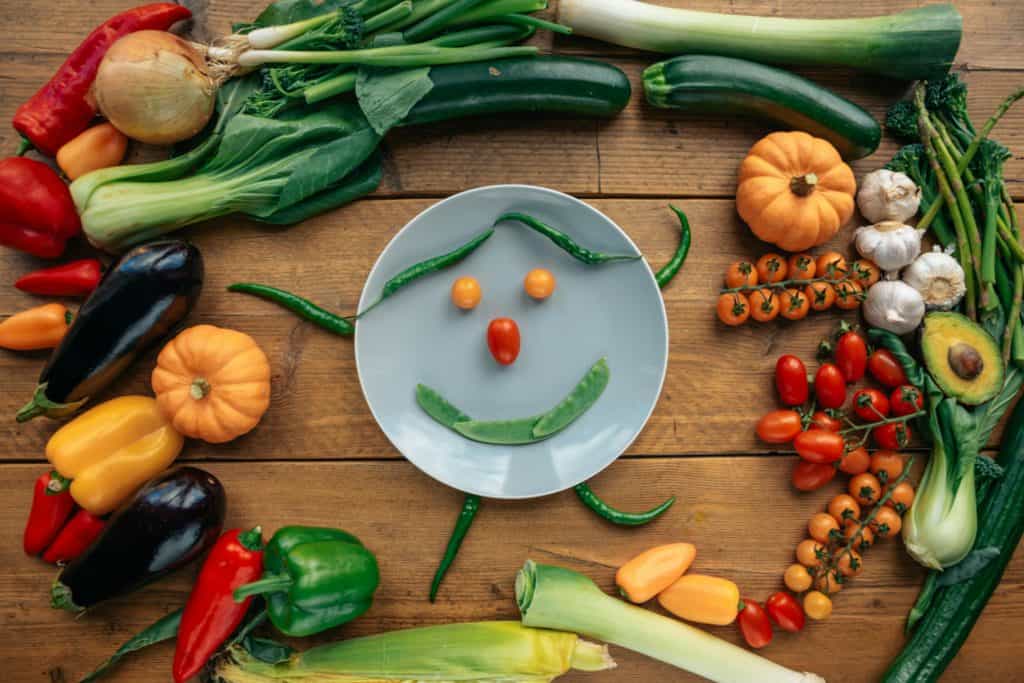
- Red onions, purple cabbage, and other colorful vegetables — the pigments in deeply colored produce are often polyphenols.
Eating a wide variety of colorful plant foods is one of the easiest ways to get a broad spectrum of polyphenols. I aim for what I call eating the rainbow — not because it sounds cute, but because each color represents different compounds your gut and brain need.
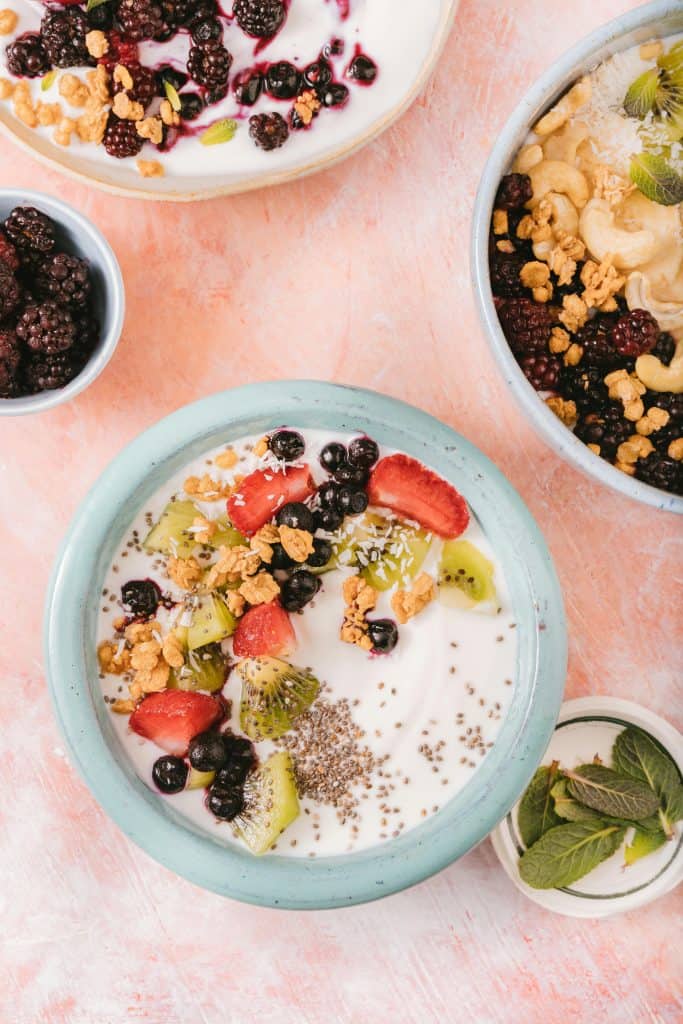
| YOUR BRAIN-BOOSTING FOOD CHEAT SHEET High Fiber Picks – Lentils, black beans, chickpeas. Broccoli, artichokes, sweet potatoes. Berries, apples, pears. Oats, quinoa, chia seeds. Fermented Food Picks – Plain yogurt (live cultures), Kefir, Kimchi, Sauerkraut (refrigerated), and Miso. Polyphenol Powerhouses – Blueberries, berries of all kinds. Dark chocolate (70%+ cacao). Green tea. Extra-virgin olive oil. Colorful vegetables |
Gut-Brain Connection – A Better Gut Means a Better You: Mood, Sleep, and Clear Thinking
So what does all of this actually look like in real life? What can you realistically expect when you start feeding your gut the right way?
Better Mood
When your gut microbiome is healthy and diverse, your body produces more serotonin, dopamine, and GABA — the neurotransmitters that regulate mood, motivation, and anxiety. You do not need medication to experience this shift. Many people find that within two to four weeks of eating more fiber, fermented foods, and polyphenol-rich plants, they feel noticeably calmer and more emotionally steady.
This is not about eliminating bad days. It is about changing your baseline — so that you have more good days, and the hard ones feel less overwhelming.

Better Sleep
Your gut microbiome plays a direct role in sleep quality. Serotonin produced in the gut is a precursor to melatonin — the hormone that regulates your sleep-wake cycle. When serotonin production is disrupted by poor gut health, sleep is often among the first to suffer.
Research has also shown that gut bacteria influence circadian rhythm regulation. A healthier gut microbiome is associated with falling asleep more easily, staying asleep longer, and waking up feeling more rested. If you have been struggling with sleep, your diet might be a piece of the puzzle worth exploring.
Clearer Thinking
Brain fog is real, and it often has a gut component. Inflammation originating in the gut can travel to the brain and impair cognitive function — affecting focus, memory, and mental processing speed. When you reduce gut inflammation through clean eating, many people report that mental clarity improves significantly.
I have heard this from dozens of people in my nursing career. They describe it as ‘the lights coming on’ — a sharpness and presence that they did not realize they were missing until the fog lifted.
The connection between what you eat and how your brain performs is one of the most empowering things I know. It means you have real agency. Every single meal is an opportunity to support your mental health, your energy, and your clarity — not just your waistline.
Making the Shift: My 80/20 Approach
I want to be clear: I am not asking you to be perfect. The 80/20 rule that guides everything I teach applies here, too. If 80 percent of your meals are built around whole foods, fiber, fermented options, and polyphenol-rich plants, your gut will be well supported — even if 20 percent of your eating is less ideal.
The goal is progress, not perfection. Start with one change. Add a handful of berries to your breakfast. Swap your afternoon soda for green tea. Try a small serving of yogurt as a snack. Add lentils to your next soup or salad.
Small, consistent changes compound over time. Your gut microbiome can begin to shift in as little as three to five days with dietary changes. Your mood, energy, and focus often follow shortly after.

The Bottom Line – Food and Mood Connection
Your gut and your brain are in a constant conversation. The food you eat determines what they say to each other. When you choose clean, whole, fiber-rich, and polyphenol-packed foods — and add fermented foods to the mix — you are giving that conversation the best possible foundation.
A healthier gut means more of the neurotransmitters your brain needs to function well. It means less inflammation clouding your thinking. It means better sleep, a more stable mood, and the kind of clear-headed energy that makes every part of your life easier.
This is not just nutrition science. It is self-care at the deepest level. And it starts with what is on your plate.
| READY TO TAKE THE NEXT STEP? If this resonated with you, I would love for you to grab my FREE GUIDE. It is designed for busy people who want simple, practical changes that actually stick — and yes, the gut-brain connection is baked into every single meal plan. |