
Building a Clean Eating Foundation: Essential Foods and Understanding Labels


Introduction: What Clean Eating Really Means
Clean eating is more than a diet—it’s a lifestyle of awareness and nourishment. It’s about eating whole, minimally processed foods and understanding exactly what’s in them.
In a market filled with buzzwords like organic, non-GMO, and natural, this guide helps you confidently build your clean eating foundation and make informed choices at the grocery store.
Nutrient Dense Whole Foods: The Foundation of Clean Eating
The heart of clean eating is nutrient-dense, whole foods that deliver vitamins, minerals, antioxidants, and fiber—all crucial for energy, immunity, and longevity.
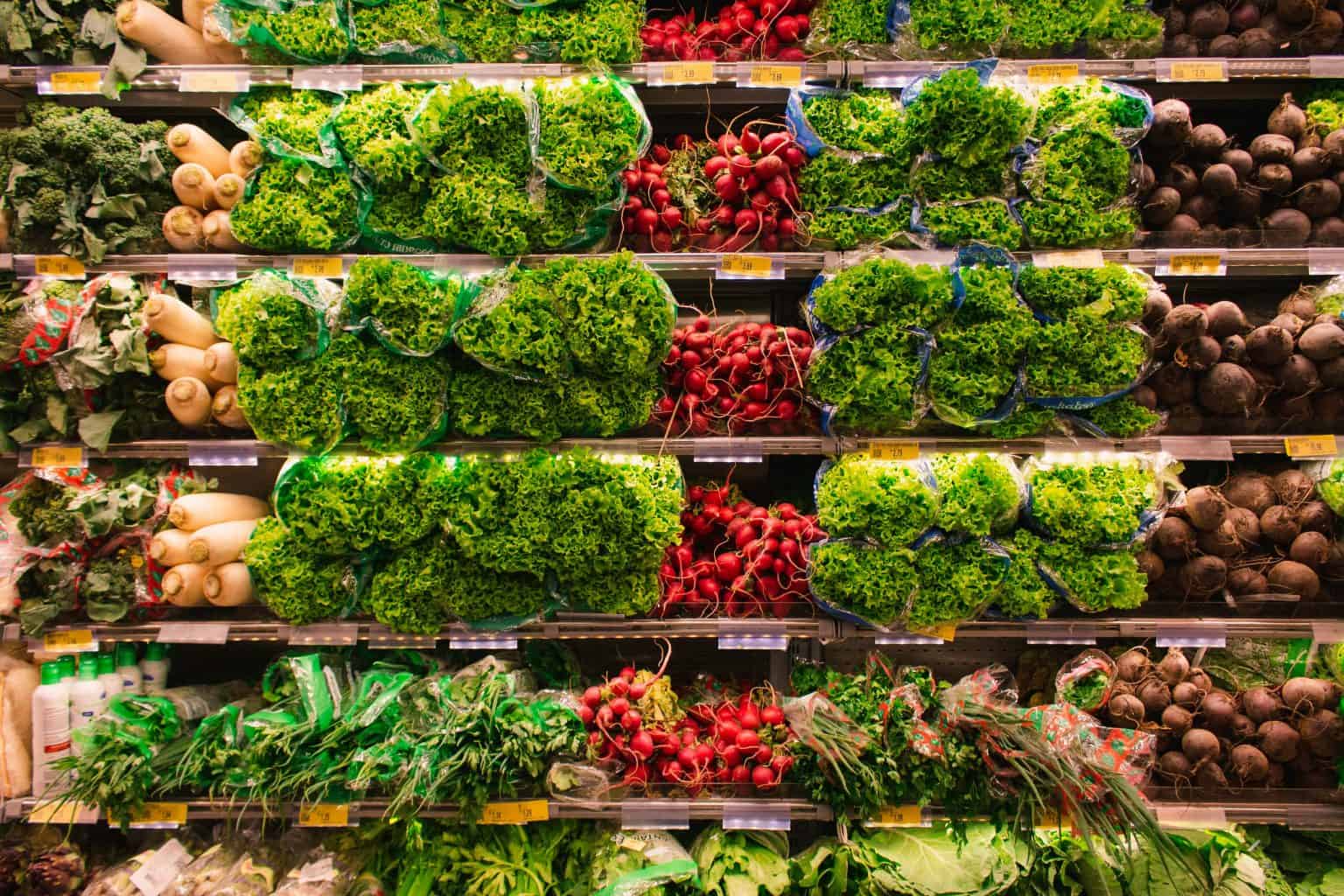
🍎 Fruits and Vegetables
- Low-glycemic fruits (berries, apples, citrus): Boost antioxidant intake without spiking blood sugar.
- Tropical fruits (mango, pineapple, papaya): Contain digestive enzymes and support immunity.
- Colorful vegetables (peppers, carrots, beets): Provide vitamins, minerals, and phytonutrients that protect against oxidative stress. Contain antioxidants for heart and brain health.
- Dark Leafy greens (spinach, kale, Swiss chard): Excellent sources of iron, folate, and magnesium.
- Cruciferous vegetables (broccoli, cauliflower, Brussels sprouts): Support detox and hormone balance.
🥕 Seasonal Fruits and Vegetables
In real-world farming, seasonal availability is influenced by local growing conditions and weather patterns. Eating seasonal produce ensures peak freshness, better nutrient retention, and often supports local agriculture and sustainability.
Choosing foods that are in season also encourages variety throughout the year, exposing your body to a broader range of vitamins and phytonutrients. Seasonal produce tends to be more flavorful, cost-effective, and less reliant on long-distance shipping, which reduces your carbon footprint.
Examples of Seasonal Produce in North America:
- Spring: asparagus, peas, strawberries, spinach, radishes
- Summer: tomatoes, zucchini, cucumbers, blueberries, peaches, bell peppers
- Fall: apples, pumpkins, sweet potatoes, pears, kale, cauliflower
- Winter: citrus fruits, carrots, Brussels sprouts, beets, winter squash
Whenever possible, visit local farmers’ markets or join a CSA (Community Supported Agriculture) box to enjoy seasonal fruits and vegetables directly from nearby farms. This not only nourishes your body but also strengthens your local food economy.
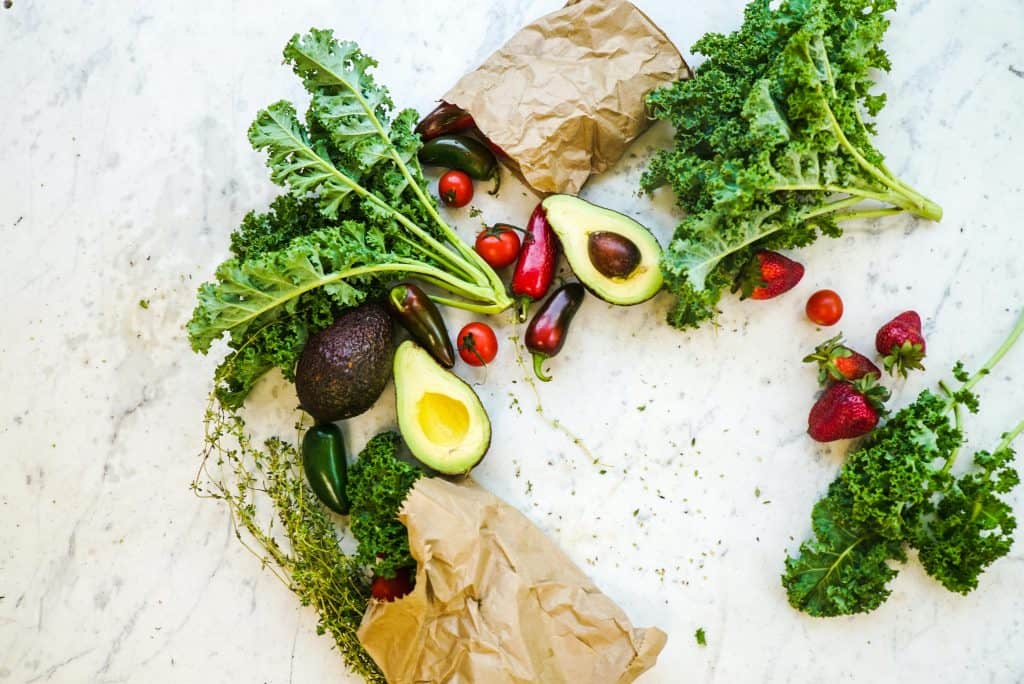
🍗 Lean Proteins
- Grass-fed beef, pasture-raised poultry, wild-caught fish: High in protein and healthy fats.
- Plant-based proteins (lentils, chickpeas, quinoa): Provide fiber, magnesium, and plant compounds.
🥑 Healthy Fats: Nourishment for Brain and Hormones
Healthy fats are essential for your brain, skin, and hormone balance.
- Avocados: Loaded with monounsaturated fats and potassium.
- Nuts & Seeds: Almonds, walnuts, chia, and flax deliver omega-3s and protein.
- Oils: Choose olive, avocado, and coconut oil—avoid refined GMO vegetable oils.
Complex Carbs vs. Refined Carbs
Carbohydrates are your body’s primary energy source, but the type you eat matters greatly.
✅ Complex Carbohydrates
Complex carbohydrates are found in foods such as whole grains, beans, vegetables, and fruits.
Examples include:
- Whole grains: brown rice, buckwheat, farro, millet, oats, quinoa
- Legumes: black beans, cannellini beans, chickpeas, kidney beans, lentils, peas
- Starchy vegetables: acorn squash, beets, butternut squash, delicata squash, parsnips, potatoes, sweet potatoes
- Fruits: apples, bananas, blueberries, mangoes, oranges, peaches
These foods provide fiber, vitamins, minerals, and phytonutrients that are vital for digestion, heart health, and long-lasting energy. Fiber slows glucose absorption, helping stabilize blood sugar and reduce cravings.
⚠️ Refined Carbohydrates
Refined carbs like white bread, pastries, sugary snacks, and sweetened drinks are stripped of nutrients and fiber. They spike blood sugar and can contribute to inflammation, fatigue, and weight gain.
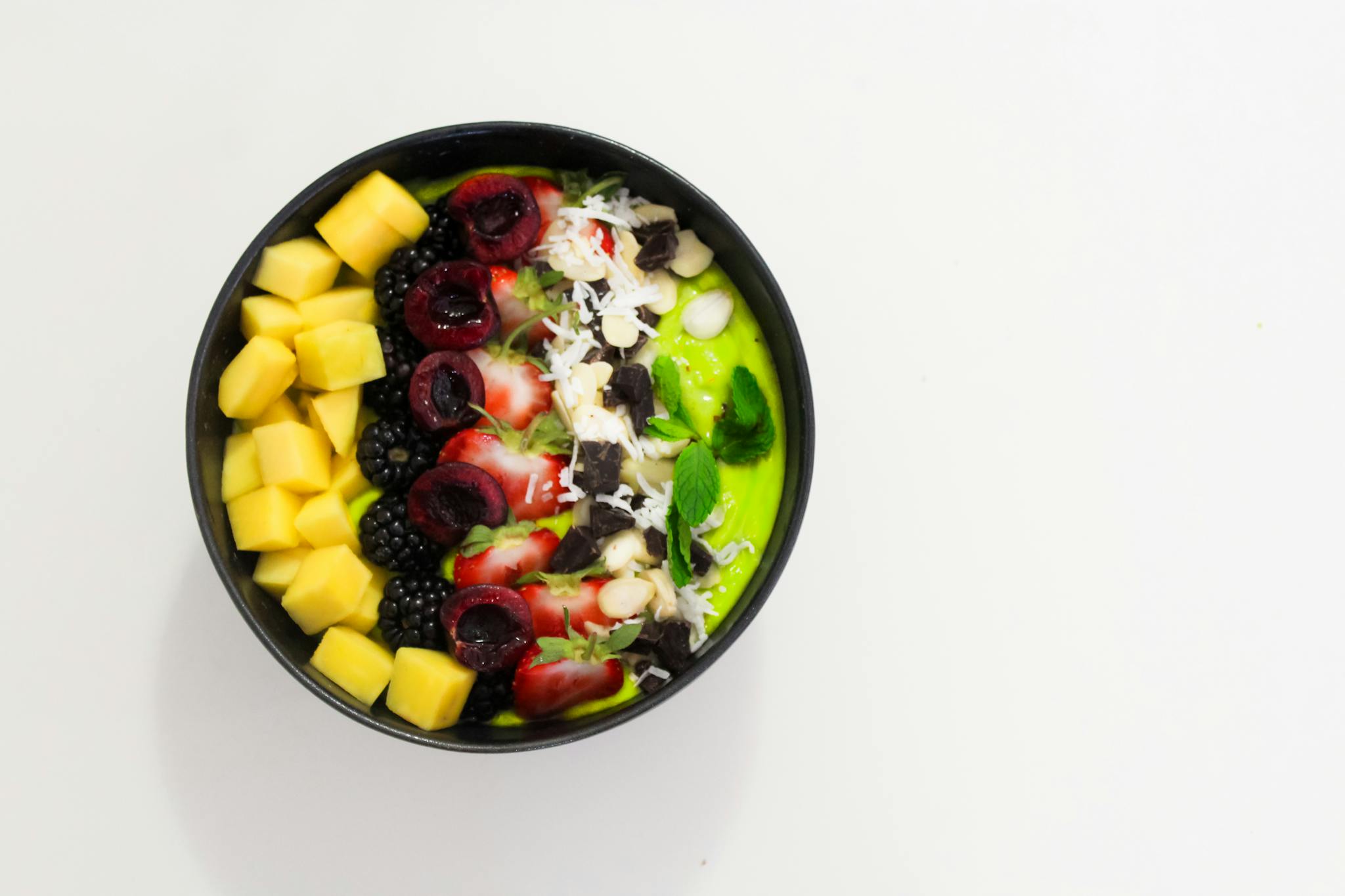
Superfoods: Nutrient Boosters for Everyday Health
Blueberries: Antioxidant-rich for cell protection.
Turmeric: Anti-inflammatory and supports joint health.
Chia & Flax: High in omega-3s, calcium, and fiber.
Cacao: Heart-healthy magnesium and natural mood support.
Spirulina & Chlorella: Detox heavy metals and boost immunity.
Reading Nutrition Labels and Ingredient Lists
Knowing how to decode labels helps you spot hidden additives and make cleaner choices.
✅ Look For:
- Simple, short ingredient lists.
- Whole-food ingredients like “rolled oats” or “almond butter.”
- No artificial flavors, dyes, or preservatives.
⚠️ Hidden Ingredients:
- Corn-based additives: corn syrup, maltodextrin, glucose, HFCS.
- Soy derivatives: soy lecithin, protein isolate, vegetable oil.
- Canola (rapeseed) oil: Over 90% is genetically modified.
“Natural Flavors”: The Sneaky Additives
“Natural flavors” may sound harmless but often contain lab-made solvents and preservatives.
Choose products labeled “flavored with real vanilla” or “no natural flavors added.”
Organic vs. Conventional Produce
Organic farming avoids synthetic pesticides, herbicides, and GMOs.
- Benefits: Fewer chemical residues, healthier soil, and higher antioxidant content.
Tip: Use the Dirty Dozen and Clean Fifteen lists from the Environmental Working Group (EWG) to prioritize organic options.

Understanding Food Certifications
USDA Organic
- 95%+ ingredients are organic—no GMOs, pesticides, or synthetic fertilizers.
Non-GMO Project Verified
- Verified non-genetically engineered ingredients.
Note: Non-GMO crops may still be sprayed with glyphosate before harvest. Glyphosate (Roundup) is often used to dry wheat and oats before harvest—even in non-GMO crops.
Look for “Glyphosate Residue Free” labels for cleaner oats, cereals, and bread.
Regular Food vs. Cross-Bred vs. GMO vs. Bioengineered
| Type | Definition | Benefits | Common Examples |
| Regular Food | Naturally grown crops without genetic modification or lab intervention. May be conventional or organic. | Readily available, affordable, and grown using traditional methods. | Wheat, rice, potatoes, apples |
| Cross-Bred (Hybrid) | Naturally cross-pollinated or bred for desirable traits (flavor, yield, pest resistance). | More resilient, better taste, no genetic modification. | Broccolini, seedless grapes, hybrid tomatoes |
| GMO (Genetically Modified Organism) | DNA altered in a lab to express specific traits, like pest resistance or higher yield. | Increases productivity but may pose allergy, gut, or environmental risks. | Corn, soy, canola, sugar beets |
| Bioengineered Food | The USDA’s new term for GMO-labeled foods required since 2022. | Improves transparency, but still lab-modified. | Found in many processed foods |
🧬 Research Insights on Bioengineered Foods
Current research suggests that some bioengineered crops may have reduced levels of beneficial nutrients or increased levels of potentially harmful compounds compared to traditional varieties.
However, it’s important to clarify that while some bioengineered foods are highly processed and may lack nutrients, this is not inherently caused by the genetic modification itself—but rather by industrial processing methods.
The nutritional quality of a food depends on multiple factors, including:
- The crop type
- Growing conditions
- Soil health
- Post-harvest handling
- Processing and storage
👉 In short: being “bioengineered” doesn’t automatically make a food unhealthy—but most bioengineered ingredients appear in ultra-processed foods, which tend to have lower nutritional value overall.
🚫 Common GMO Foods and Hidden Names
- Corn: Found in corn flour, starch, syrup, dextrose, HFCS, maltodextrin.
- Soy: Appears as soy lecithin, protein isolate, or vegetable oil.
- Canola: Often labeled as rapeseed oil, common in salad dressings, baked goods, and fried foods.
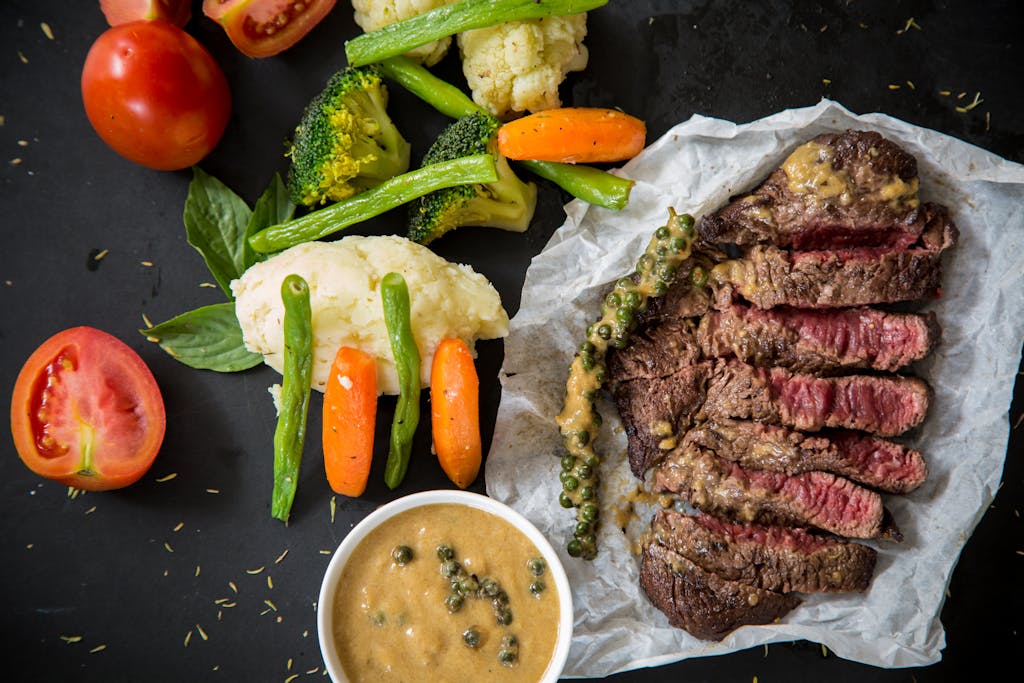
Grass-Fed vs Grass-Finished Meat
Grass-Fed: Cattle graze on grass for part of their lives but may be finished on grains.
Grass-Finished: Grass diet for life—higher omega-3s and cleaner fat profile.
Conventional Meat: Grain-fed, often GMO-based feed, and may include hormones or antibiotics.
Eggs and Poultry Explained
Pasture-Raised / Certified Humane: True outdoor access, non-GMO feed, and ethical treatment.
Cage-Free: No cages but confined indoors; may still consume GMO grains.
Free-Range: Often minimal outdoor access—largely a marketing term.
Fair Trade: Ethical Sourcing That Matters
Fair Trade certification ensures:
- Farmers are paid fairly.
- Safe working conditions.
- Sustainable and environmentally responsible farming practices.
However, it’s important to note that Fair Trade has nothing to do with nutritional content—it’s an ethical and social standard, not a nutritional one. Choosing Fair Trade supports people and the planet, but it doesn’t necessarily change the food’s vitamin, mineral, or macronutrient value.
Common Fair Trade items include coffee, chocolate, tea, and spices—products where ethical sourcing truly matters.
Clean Eating Foundation Takeaway: Awareness Creates Empowerment
Building your clean eating foundation starts with awareness—knowing where your food comes from, how it’s grown, and what’s hidden on the label.
By choosing nutrient-dense foods, avoiding GMOs, and reading ingredient lists carefully, you’ll nourish your body, support the planet, and empower your food choices.
