Clean Eating Foods to Avoid: The Sneaky Culprits I Learned About the Hard Way


Introduction – My Clean Eating Wake-Up Call
Let me tell you about the time I thought I was absolutely crushing this clean eating thing, only to discover I was sabotaging myself with foods I genuinely believed were healthy. Talk about a reality check that changed everything!
I was feeling pretty proud of myself for switching to “natural” granola bars and organic crackers. I mean, they said “natural” right on the package! But my energy levels were still all over the place, brain fog persisted, and I couldn’t figure out why. Turns out, I was falling for some seriously sneaky marketing tricks that the food industry has perfected over decades.
The journey to understanding what clean eating truly means opened my eyes to the hidden dangers lurking in seemingly innocent foods. What I discovered wasn’t just eye-opening—it was life-changing. And I’m here to share everything I learned so you don’t have to make the same mistakes I did.
What Are Ultra-Processed Foods (UPF)? Understanding the Enemy
Ultra-processed foods (UPF) are products that have been significantly altered from their original form through industrial manufacturing processes. These aren’t the simple processed foods like frozen vegetables or canned beans. I’m talking about foods that have been stripped of nutrients, loaded with additives, and engineered to be hyperpalatable—meaning they’re designed to make you want more.
Ultra-processed foods are defined by the NOVA classification system as industrial formulations made mostly or entirely from substances extracted from foods or derived from food components with little to no intact whole food. Think ingredients like high-fructose corn syrup, hydrogenated oils, protein isolates, and chemical additives that you’d never find in a home kitchen.
The health impacts of ultra-processed foods are staggering:
When I started researching, I discovered that UPF consumption is linked to obesity, type 2 diabetes, heart disease, certain cancers, depression, and even early death. Studies show that people who consume more ultra-processed foods have significantly higher rates of cardiovascular disease and all-cause mortality. These foods are engineered to bypass our natural satiety signals, making us eat more than we need. The combination of refined carbohydrates, unhealthy fats, excessive sodium, and various additives creates a perfect storm for chronic inflammation in the body.
My personal experience? Once I identified these ultra-processed foods and started eliminating them, my chronic afternoon slumps disappeared. The constant snack cravings that had me reaching for food every two hours started to fade. My body was finally getting real nutrition instead of empty calories dressed up in fancy packaging.
Clean Eating Foods to Avoid – Hidden Sugars: The 47 Names of Your Health Saboteur
The biggest shocker in my clean eating journey was learning about hidden sugars. I’m not talking about the obvious stuff like candy and soda—even I knew those were off-limits. I’m talking about the 47 different names sugar hides under on ingredient lists, and how food manufacturers use this trick to keep sugar from appearing as the first ingredient.

20 Common Sugar Aliases to Watch For:
- High fructose corn syrup
- Dextrose
- Maltodextrin
- Cane juice / Evaporated cane juice
- Brown rice syrup
- Agave nectar / Agave syrup
- Maltose
- Sucrose
- Glucose
- Fruit juice concentrate
- Barley malt / Malt syrup
- Coconut sugar
- Date sugar
- Turbinado sugar
- Demerara sugar
- Corn syrup solids
- Diastatic malt
- Caramel
- Treacle
- Golden syrup
And that’s just 20—there are dozens more! Manufacturers often use multiple types of sugar in one product so that “sugar” doesn’t appear as the first ingredient. You might see maltodextrin, cane juice, and brown rice syrup all in the same product. Individually they look small on the ingredient list, but combined, sugar is actually the main ingredient.
My “healthy” Greek yogurt had more sugar than a candy bar! My organic salad dressing was basically liquid sugar with some herbs thrown in to make it seem wholesome. Even my whole grain bread had multiple types of added sugars listed in the first five ingredients. I felt like I’d been living in some kind of food matrix where nothing was as it seemed.
The American Heart Association https://www.heart.org/en/healthy-living/healthy-eating/eat-smart/sugar/added-sugars recommends no more than 25 grams of added sugar per day for women and 36 grams for men. I was easily consuming 60-70 grams without even realizing it, thanks to these hidden sources. No wonder my energy was crashing and my waistline was expanding despite my “healthy” choices.
Clean Eating Foods to Avoid – Artificial Sweeteners: When “Sugar-Free” Backfires
Artificial sweeteners were another major eye-opener on my clean eating journey. I thought I was being incredibly smart by choosing diet sodas and sugar-free everything. These artificial sweeteners seemed like the perfect solution—sweetness without calories!
But these chemical concoctions actually made me crave more sweet stuff and disrupted my body’s natural hunger regulation. Aspartame, sucralose, acesulfame potassium, saccharin—my body didn’t know what to do with these fake sugars, and they were messing with my hunger cues big time.
The problems with artificial sweeteners:
Research shows these synthetic sweeteners can alter gut bacteria, increase sugar cravings, and may even lead to weight gain despite being calorie-free. They keep your taste buds adjusted to intensely sweet flavors, making naturally sweet foods like fruit taste bland by comparison. Some studies suggest they may interfere with blood sugar regulation and insulin sensitivity, defeating the entire purpose of choosing them.
When I finally ditched the diet drinks and sugar-free snacks, something amazing happened. My sweet tooth gradually diminished. Foods with natural sweetness like berries and sweet potatoes suddenly tasted incredible. My energy stabilized, and I stopped experiencing the blood sugar rollercoaster I’d been on for years.
Clean Eating Foods to Avoid – Trans Fats: The Cardiovascular Time Bomb
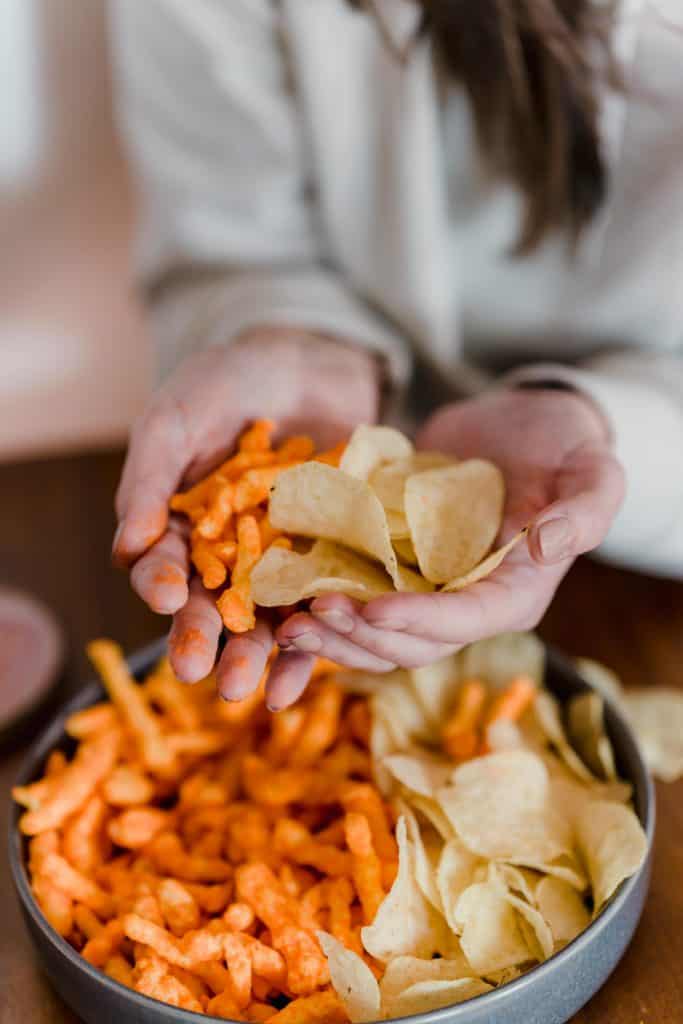
Here’s what really gets me fired up: trans fats. These things are basically poison for your cardiovascular system, and they’re still hiding in tons of ultra-processed foods despite increased regulations.
Sure, companies can’t use the obvious trans fats anymore, but they’ve gotten crafty with their formulations. Anything with “partially hydrogenated” oils listed in the ingredients is a hard no in my book. I found this deadly ingredient in everything from microwave popcorn to frozen dinners to coffee creamers to pre-packaged baked goods.
The cardiovascular dangers of trans fats include:
The crazy part is how these trans fats mess with your body at a cellular level. They increase LDL (bad) cholesterol while simultaneously decreasing HDL (good) cholesterol. This double whammy creates the perfect conditions for arterial plaque buildup and heart disease. Trans fats also promote inflammation throughout the body and interfere with your cell membranes’ ability to function properly.
Trans fats are created through an industrial process called partial hydrogenation, which adds hydrogen atoms to liquid vegetable oils to make them solid at room temperature and extend shelf life. This process creates a molecular structure that doesn’t exist in nature and that our bodies cannot process efficiently. These synthetic fats become incorporated into cell membranes throughout your body, making them rigid and dysfunctional.
The specific cardiovascular impacts are severe:
- Increases LDL (bad) cholesterol by up to 20%
- Decreases HDL (good) cholesterol by up to 20%
- Promotes systemic inflammation
- Damages arterial walls and promotes plaque formation
- Increases risk of heart attack and stroke significantly
- Interferes with the body’s ability to use healthy fats
Yet they’re still allowed in small amounts in ultra-processed foods because of a labeling loophole. If a serving contains less than 0.5 grams, companies can legally claim “0 grams trans fat” on the nutrition label. But those small amounts add up when you’re eating multiple servings or multiple products containing them throughout the day. Makes you wonder who’s really looking out for our health, you know?
Understanding Omega-3 and Omega-6: The Essential Fat Balance
To truly understand why certain fats are problematic—including trans fats and many vegetable oils—you need to understand omega-3 and omega-6 fatty acids. This was one of the most illuminating discoveries in my clean eating journey, and it completely changed how I think about fats.
What Are Omega-3 and Omega-6 Fatty Acids?
Omega-3 and omega-6 are both polyunsaturated fatty acids (PUFAs) that are essential for human health. “Essential” means our bodies cannot produce them on their own, so we must obtain them from food. Despite both being necessary, they have very different effects on the body, and the ratio between them is absolutely critical.
Omega-3 Fatty Acids: The Anti-Inflammatory Powerhouse
Omega-3s are anti-inflammatory fats that are crucial for brain health, heart health, and reducing systemic inflammation in the body. There are three main types:
- ALA (alpha-linolenic acid) – found in plant sources
- EPA (eicosapentaenoic acid) – found in marine sources
- DHA (docosahexaenoic acid) – found in marine sources
Benefits of Omega-3:
- Reduces inflammation throughout the body
- Supports brain function, memory, and cognitive health
- Protects cardiovascular health and reduces heart disease risk
- Supports mental health and mood regulation
- Promotes healthy cell membrane function
- Supports eye health and vision
- May reduce cancer risk
- Helps regulate immune system function
Best Sources of Omega-3:
- Fatty fish (salmon, mackerel, sardines, anchovies, herring)
- Fish oil and cod liver oil
- Grass-fed beef
- Pasture-raised eggs
- Flaxseeds and flaxseed oil
- Chia seeds
- Walnuts
- Hemp seeds
- Algae oil (for vegetarians/vegans)
Omega-6 Fatty Acids: The Double-Edged Sword
Omega-6 fatty acids are also essential, but they promote inflammation when consumed in excess. In small amounts, this inflammation is actually necessary—it’s part of your immune response and helps with healing. The problem is that modern diets provide omega-6 in massive excess.
Benefits of Omega-6 (in proper amounts):
- Supports brain function
- Aids in normal growth and development
- Helps regulate metabolism
- Maintains bone health
- Supports reproductive health
Drawbacks of Excess Omega-6:
- Promotes chronic inflammation when out of balance
- Can contribute to cardiovascular disease
- May worsen inflammatory conditions (arthritis, autoimmune issues)
- Can interfere with omega-3 metabolism
- Linked to increased cancer risk in excess
Common Sources of Omega-6:
- Vegetable oils (soybean, corn, safflower, sunflower, cottonseed, grapeseed)
- Processed foods containing these oils
- Conventionally raised meats (fed corn and soy)
- Nuts and seeds (in moderation, these are healthy sources)
- Fried foods
- Margarine and shortening
The Critical Omega-3 to Omega-6 Ratio
Here’s where it gets really important: the ratio of omega-3 to omega-6 in your diet determines whether you’re experiencing healthy, controlled inflammation or chronic, disease-promoting inflammation.
Evolutionary research suggests our ancestors consumed omega-6 and omega-3 in roughly equal amounts—a ratio of approximately 1:1 to 4:1 (omega-6 to omega-3). Some traditional populations still maintain these healthy ratios and have very low rates of chronic disease.
The modern Western diet? We’re looking at ratios of 15:1 to 20:1 or even worse—some estimates put it as high as 30:1. This massive imbalance is driving chronic inflammation, which underlies virtually every chronic disease including heart disease, diabetes, cancer, Alzheimer’s, and autoimmune conditions.
Why the ratio matters so much:
Omega-3 and omega-6 compete for the same enzymes in your body. When omega-6 is present in excess, it crowds out omega-3 and prevents your body from using the omega-3 you consume. This means even if you’re taking fish oil supplements, if your diet is loaded with omega-6 from vegetable oils and processed foods, you’re not getting the benefits of those omega-3s.
Additionally, omega-6 produces inflammatory compounds called eicosanoids that promote inflammation, blood clotting, and cell proliferation. Omega-3 produces anti-inflammatory eicosanoids that do the opposite. The balance between these two determines your inflammatory state.
My personal experience with the omega ratio:
When I reduced my omega-6 intake by eliminating vegetable oils and ultra-processed foods while increasing omega-3 from fatty fish and quality supplements, the changes were dramatic. Chronic joint pain I’d had for years diminished significantly. My skin improved. Brain fog lifted. It took about two months to really notice the full effects, but they were profound.
How to optimize your omega ratio:
- Drastically reduce omega-6 intake:
- Eliminate vegetable oils (soybean, corn, canola, safflower, sunflower)
- Avoid ultra-processed foods containing these oils
- Limit restaurant meals where these oils are standard
- Choose grass-fed meats over conventional grain-fed
- Increase omega-3 intake:
- Eat fatty fish 2-3 times per week
- Take a quality fish oil or algae oil supplement
- Include flaxseeds, chia seeds, and walnuts
- Choose pasture-raised eggs
- Use omega-3 enriched products when available
- Use healthy fats instead:
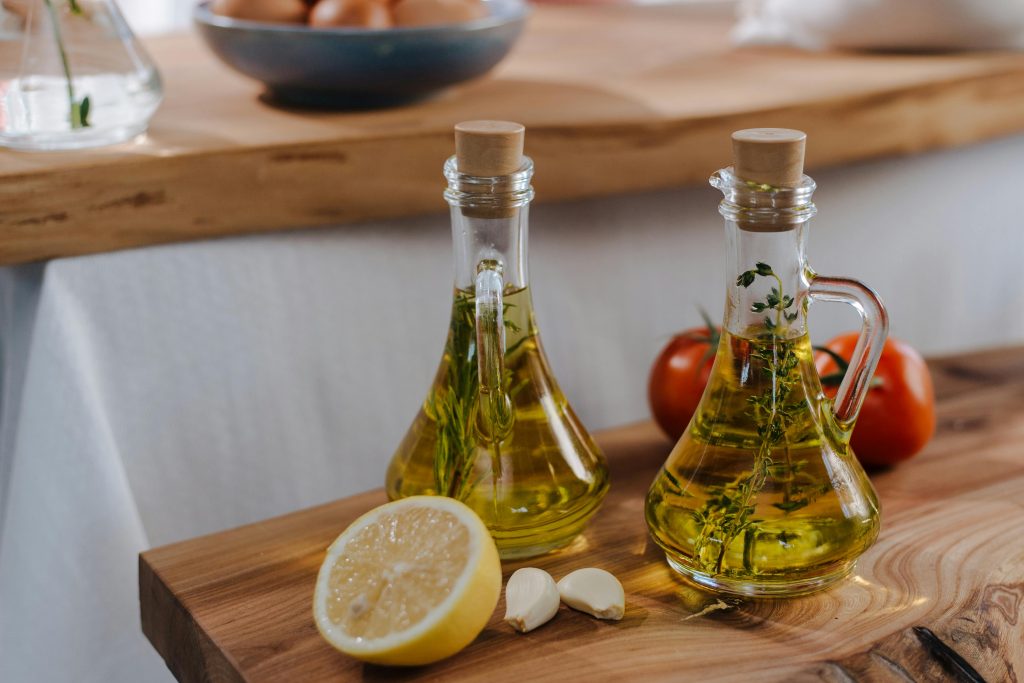
- Olive oil for dressings and low-heat cooking
- Coconut oil for medium-heat cooking
- Avocado oil for high-heat cooking
- Butter or ghee from grass-fed cows
- Animal fats from pasture-raised animals
Understanding the omega-3 to omega-6 balance was absolutely transformative for my health. It’s not just about adding more omega-3 (though that helps)—it’s about dramatically reducing the omega-6 that’s overwhelming your system through vegetable oils and processed foods. This one change has massive ripple effects throughout your entire body.
Vegetable Oils: The Inflammatory Culprit
Here’s something that really surprised me: vegetable oils. Canola oil, soybean oil, corn oil, and other highly processed seed oils are in practically everything packaged, and they’re not the health foods we’ve been led to believe.
As I explained in the omega fatty acid section above, these industrially processed oils are loaded with omega-6 fatty acids that throw off our body’s natural omega-3 to omega-6 ratio. The modern Western diet already provides 15-20 times more omega-6 than omega-3, and vegetable oils are the primary culprit. This massive imbalance drives chronic low-grade inflammation that’s linked to heart disease, arthritis, cancer, and numerous other conditions.
The extraction process itself is concerning. These oils are extracted using high heat, chemical solvents like hexane, deodorizers, and bleaching agents. They’re then often partially hydrogenated or interesterified, creating compounds that don’t exist in nature and that our bodies aren’t equipped to process efficiently. The high heat and processing damages the delicate polyunsaturated fatty acids, creating oxidized fats and free radicals.
I started reading every label and was shocked by how widespread these oils are. They’re in salad dressings, mayonnaise, crackers, cookies, frozen foods, restaurant meals, and even products marketed as “health foods.”
Switching to traditional fats like olive oil, coconut oil, avocado oil, butter, and ghee from healthy animals made a noticeable difference in how I felt. The chronic joint pain I’d attributed to getting older? Significantly reduced within weeks of eliminating vegetable oils. This was the omega-3 to omega-6 ratio shift in action—less inflammation, better health.

Clean Eating Foods to Avoid – Processed Meats: The Nitrate Problem
The processed meat situation hit me hard because I absolutely love a good sandwich. But most deli meats, hot dogs, bacon, and sausages are loaded with nitrates, nitrites, and excessive sodium that pose serious health risks.
We’re talking about preservative chemicals that are classified as probable carcinogens when consumed regularly. The World Health Organization has classified processed meats as Group 1 carcinogens, placing them in the same category as tobacco and asbestos when it comes to cancer risk.
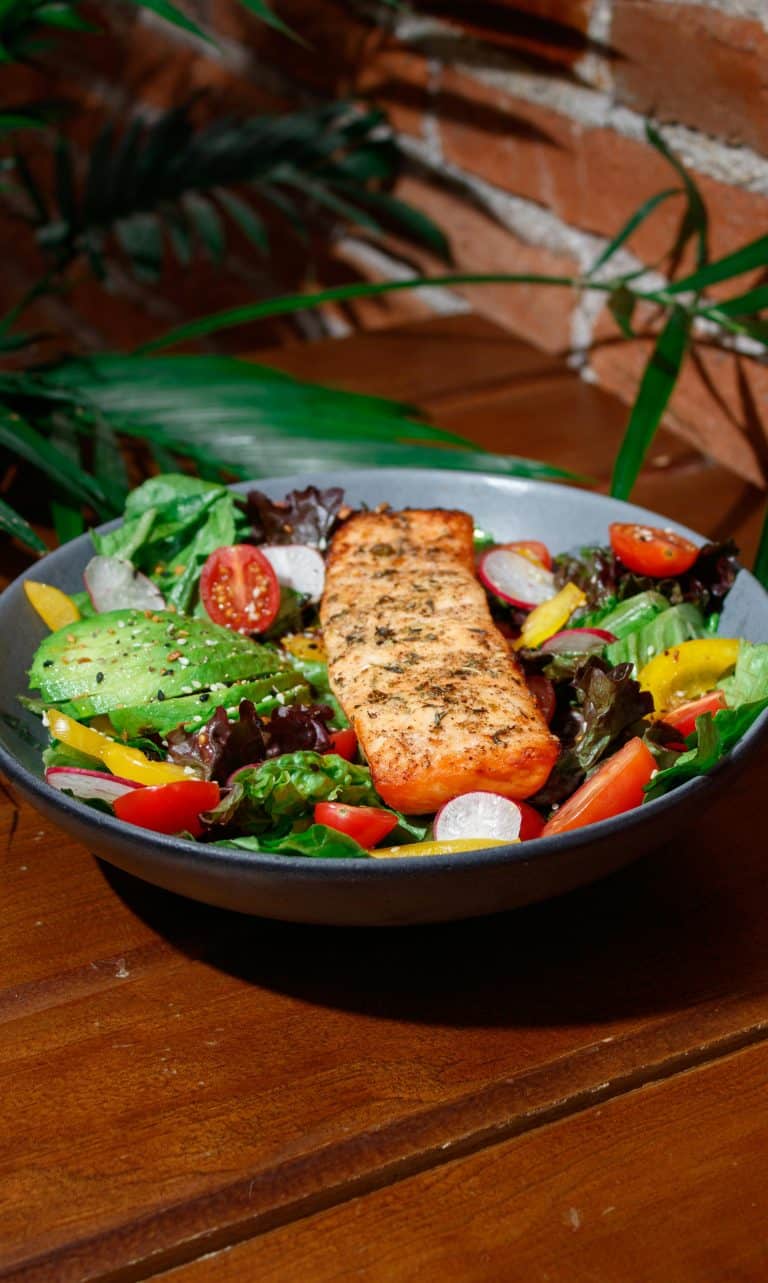
I had to learn to read labels carefully and find brands that use natural preservation methods like celery powder instead of synthetic nitrates, or better yet, cook my own proteins for the week. Roasting a chicken on Sunday or grilling extra salmon for meal prep became my new sandwich solution.
Beyond cancer concerns, processed meats are also linked to increased risk of heart disease, high blood pressure, and type 2 diabetes. The combination of sodium, saturated fat, preservatives, and often hidden sugars creates a nutritional nightmare wrapped in convenient packaging.
Clean Eating Foods to Avoid – Refined Grains: Empty Calories Masquerading as Food
Refined grains became my nemesis once I understood what they actually are and how they differ from whole grains. This was a crucial turning point in my clean eating journey because I realized I’d been eating what I thought were “healthy carbs” that were actually sabotaging my health.
Understanding Whole Grains vs. Refined Grains:
The difference between whole grains and refined grains is literally the difference between nourishment and empty calories. Let me break this down because it’s absolutely crucial to understand.
Whole grains contain all three parts of the grain kernel:
- Bran: The outer fiber-rich layer containing B vitamins, minerals, and antioxidants
- Germ: The nutrient-dense core with healthy fats, vitamin E, B vitamins, and minerals
- Endosperm: The starchy middle layer containing carbohydrates and some protein
When you eat whole grains, you’re getting the complete nutritional package that nature intended. Whole grains are rich in fiber, B vitamins (thiamin, riboflavin, niacin, and folate), minerals like iron, magnesium, selenium, and zinc, plus antioxidants and phytonutrients that work together synergistically.
Examples of true whole grains:
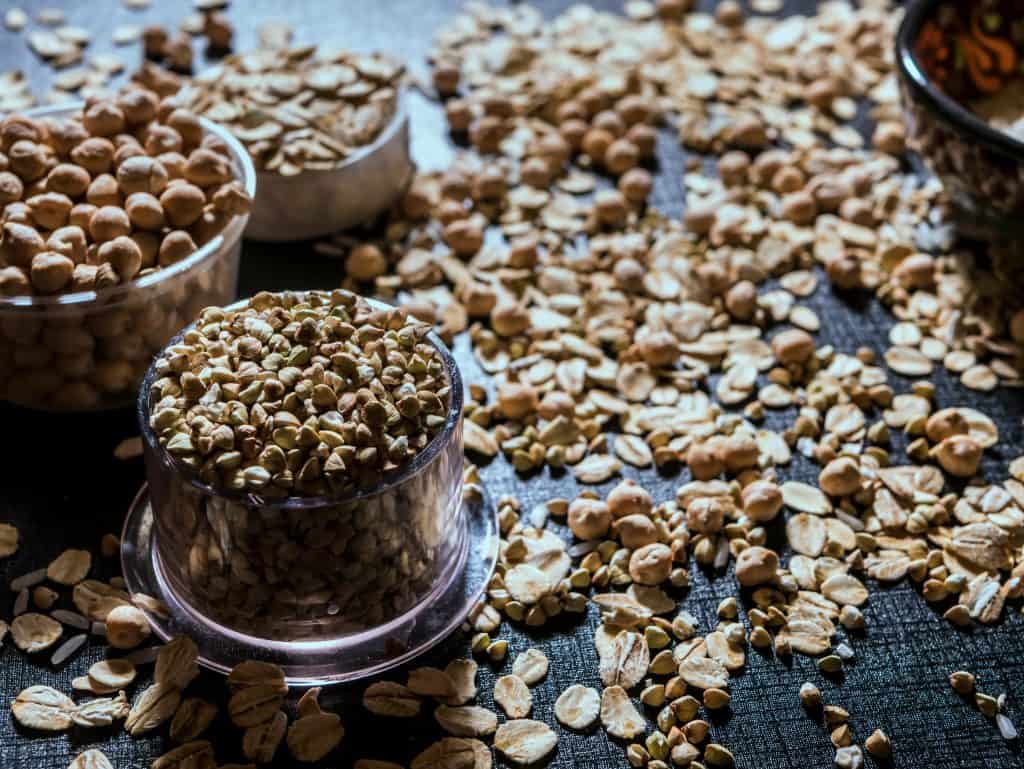
- Brown rice
- Whole wheat bread (check the ingredient list!)
- Steel-cut or rolled oatmeal
- Quinoa
- Millet
- Bulgur
- Whole grain barley
- Farro
- Wild rice
Refined grains, on the other hand, have been stripped of their nutrition:
During the refining process, the bran and germ are removed, leaving only the starchy endosperm. This processing removes approximately 25% of the grain’s protein and at least seventeen key nutrients. While some refined grains are “enriched” with synthetic vitamins added back in, they never fully restore what was lost—especially the fiber, healthy fats, and the complex array of phytonutrients.
Examples of refined grains:
- White rice
- White bread
- Regular pasta (not whole grain)
- Pastries and baked goods
- Most breakfast cereals
- Crackers
- Pretzels
- White flour tortillas
The Blood Sugar Problem:
Eating refined grains is basically like eating pure sugar in terms of how your blood sugar responds, and this was my biggest wake-up call. Without the fiber and nutrients from the bran and germ, refined grains are digested and absorbed extremely quickly, causing rapid blood sugar spikes.
Here’s what happens in your body: You eat white bread or white pasta. Your blood sugar shoots up rapidly because there’s no fiber to slow digestion. Your pancreas releases a large amount of insulin to deal with this sugar spike. Your blood sugar then crashes, often dropping below where it started. You feel tired, foggy, irritable, and desperately hungry—usually for more carbs. And the cycle repeats.
No wonder I was getting those brutal afternoon energy crashes! Every time I ate a sandwich on white bread or a bowl of white pasta for lunch, I’d be useless by 2 PM, desperately searching for something sweet or another hit of caffeine to keep me going.
The Health Consequences of Refined Grains:
The problems with refined grains extend far beyond blood sugar issues. Regular consumption of refined grains is associated with:
- Increased risk of type 2 diabetes: The constant blood sugar spikes and crashes damage your insulin sensitivity over time
- Weight gain and obesity: Refined grains don’t trigger satiety signals effectively, leading to overconsumption
- Heart disease: Studies show refined grain consumption is linked to increased cardiovascular risk
- Inflammation: Refined grains contribute to systemic inflammation
- Certain cancers: Particularly those linked to insulin resistance and inflammation
- Nutrient deficiencies: You’re missing out on crucial vitamins and minerals
- Digestive issues: Lack of fiber leads to constipation and poor gut health
The Health Benefits of Choosing Whole Grains:
When I made the switch from refined to whole grains, the changes were remarkable:
Reduced risk of chronic diseases: Study after study shows that consuming whole grains regularly can reduce the risk of heart disease by 25-30%, type 2 diabetes by up to 30%, and certain types of cancer, particularly colorectal cancer. The fiber, antioxidants, and nutrients work together to provide this protective effect.
Improved digestion: The fiber in whole grains promotes regular bowel movements, prevents constipation, and feeds beneficial gut bacteria. My digestion improved dramatically—no more bloating or sluggish digestion that had been plaguing me for years.
Enhanced blood sugar control: The fiber and nutrients in whole grains help regulate blood sugar levels gradually, preventing those spikes and crashes. This steady blood sugar meant steady energy, steady mood, and drastically reduced cravings for sweets.
Weight management: This was a game-changer for me. Whole grains are significantly more filling than refined grains because the fiber creates bulk and triggers satiety hormones. I could eat a smaller portion of brown rice and feel satisfied for hours, whereas white rice left me hungry again within an hour or two. This natural appetite regulation helped me maintain a healthy weight effortlessly.
Sustained energy: Instead of the rollercoaster of energy crashes, whole grains provide slow-burning fuel that keeps you energized and focused throughout the day.
Better nutrient status: The vitamins and minerals in whole grains support everything from immune function to energy production to bone health.
My Personal Experience:
The fiber that’s removed during refinement is crucial for so many aspects of health, and I didn’t realize how deficient I’d been until I started eating properly. Without adequate fiber, I was constantly hungry, my digestion was sluggish, and my blood sugar was all over the place.
Switching to whole grains—and I mean real whole grains, not products that just have some whole wheat flour mixed with refined flour as a marketing trick—was transformative for my sustained energy throughout the day. I started checking ingredient lists carefully. The first ingredient needed to be “whole wheat flour” or “whole grain,” not just “wheat flour” (which is refined) or “enriched flour.”
I also discovered that some ancient grains like quinoa, millet, and farro have exceptional nutritional profiles and added variety to my diet. Steel-cut oatmeal became my breakfast staple, keeping me satisfied until lunch without any mid-morning energy crash or hunger.
The difference in how I felt was night and day. Stable energy, better mood, improved digestion, easier weight management, and the satisfaction of knowing I was actually nourishing my body instead of just filling it with empty calories.
Clean Eating Foods to Avoid – Food Additives and Artificial Colors: Unnecessary Chemical Load
The artificial colors and flavors situation is wild when you start paying attention. Red dye 40, yellow 5, blue 1, and those vague “natural flavors” that aren’t really natural at all—these additives serve zero nutritional purpose and can cause adverse reactions in sensitive individuals.
My friend’s kid experienced dramatic improvement in hyperactivity issues once she cut out artificial colors from his diet. Coincidence? The research and my friend’s experience convinced me otherwise.

Common additives to avoid:
- Artificial colors (Red 40, Yellow 5, Yellow 6, Blue 1)
- BHA and BHT (preservatives)
- Sodium benzoate
- Artificial flavors
- MSG and hidden MSG sources
- Propyl gallate
- TBHQ
These chemicals are added to enhance appearance, extend shelf life, and boost flavor in processed foods. But they come with potential side effects including allergic reactions, behavioral changes in children, and possible links to cancer and other health issues with long-term exposure.
Many of these additives are banned in other countries but remain legal in the United States. That fact alone made me question whether they belong in my body.
“Health Food” Imposters: Marketing vs. Reality
The sneakiest culprit in the clean eating world? Foods aggressively marketed as “healthy” that are anything but wholesome. The food industry has gotten really, really good at making junk food look like health food through clever packaging and misleading claims.
Common health food imposters:
Those protein bars that are basically candy bars in disguise, loaded with sugar alcohols, soy protein isolate, and artificial ingredients. The bottled smoothies with more sugar than a milkshake and zero fiber. The granola that’s more like dessert than breakfast, swimming in sugar and inflammatory oils. The “whole grain” products that list refined flour as the first ingredient.
Packaged snack foods became my biggest weakness to overcome. Even the ones marketed specifically to health-conscious people often contain preservatives, artificial flavors, and way more sodium than you’d ever add to homemade versions. Those “baked” chips still count as ultra-processed food, people!
Terms like “all-natural,” “made with real fruit,” “good source of fiber,” and even “organic” on the front of packages don’t automatically mean a product is healthy. I learned to ignore the marketing on the front and flip straight to the ingredient list and nutrition facts.
Fast food was obviously on my avoid list, but what caught me off guard was how many restaurant meals are basically fast food in disguise. Even “healthy” chain restaurants often use the same ultra-processed ingredients, refined oils, and excessive sodium as their fast-food counterparts. Learning to ask questions about how food was prepared became crucial for maintaining clean eating when dining out.
The Energy and Health Benefits of Elimination
Now for the good part—what happens when you actually eliminate these problematic foods from your diet. The transformation isn’t just about weight loss, although that often happens naturally. The real magic is in how you feel day-to-day.
Energy improvements I experienced:
Within the first two weeks of eliminating ultra-processed foods, hidden sugars, and inflammatory oils, my energy levels stabilized dramatically. No more 3 PM crash that had me reaching for coffee or sugar. No more waking up groggy despite eight hours of sleep. My energy throughout the day became steady and predictable.
My sleep quality improved significantly. I fell asleep faster and woke feeling actually rested. The brain fog that I’d accepted as normal lifted, and my mental clarity and focus improved noticeably.
Overall health improvements:
Chronic inflammation markers dropped. That persistent puffiness in my face and hands disappeared. The joint pain I mentioned earlier became minimal—a direct result of fixing my omega-3 to omega-6 ratio. My digestion improved dramatically—no more bloating, gas, or digestive discomfort after meals.
My skin cleared up. The adult acne I’d been battling? Gone within a month. My skin tone became more even, and people started commenting that I looked younger and healthier.
Blood sugar regulation improved so much that I no longer experienced those desperate hunger pangs or uncontrollable cravings. I could go four to five hours between meals feeling satisfied and energized.
My mood stabilized. The irritability and mood swings that came with blood sugar crashes disappeared. I felt calmer, more patient, and emotionally balanced.
The freedom that comes from knowing what to avoid is incredible. No more getting fooled by clever packaging or misleading health claims. No more wondering why I feel terrible despite eating “healthy” foods. Once you understand what these ultra-processed food villains are actually doing to your body at a cellular level—especially the omega-6 overload driving inflammation—avoiding them becomes so much easier, and honestly, you stop wanting them.

Conclusion: Your Simple Clean Eating Filter
The learning curve was steep, but now I can spot these food imposters from a mile away. When in doubt, I stick to a simple rule that’s never steered me wrong: if it comes in a package and has more than five ingredients (or ingredients I can’t pronounce), I’m probably better off without it.
Real food doesn’t need a marketing campaign to convince you it’s healthy. Broccoli doesn’t have health claims on the label. Sweet potatoes don’t need to tell you they’re “all-natural.” Wild-caught salmon doesn’t boast about being “fat-free.”
My clean eating checklist for avoiding problem foods:
- Read ingredient lists, not just front labels
- Avoid products with added sugars in the first five ingredients
- Say no to partially hydrogenated oils
- Skip artificial sweeteners, colors, and flavors
- Choose whole grains over refined grains
- Avoid processed meats and industrial seed oils
- Be skeptical of health claims on packaging
- When in doubt, choose single-ingredient whole foods
The transformation that happens when you eliminate these foods isn’t just physical—it’s mental and emotional too. You regain control over your food choices, your energy, and ultimately your health. You stop being a victim of food industry marketing and become an informed consumer who makes choices based on what truly nourishes your body.
Start small if this feels overwhelming. Pick one category to eliminate first. Maybe start with hidden sugars or artificial sweeteners. Or focus on swapping out vegetable oils for healthier fats to improve your omega-3 to omega-6 ratio. Then move on to the next category once that becomes your new normal. The cumulative effect of these changes is powerful beyond what you might imagine.
Your body knows what to do with real food. It’s been doing it for millions of years of human evolution. It’s the modern ultra-processed foods that confuse our systems and create the health problems we see everywhere today.
Give your body the real food it’s designed to thrive on, and watch as your energy soars, your health improves, and you finally experience what clean eating truly feels like. if this feels overwhelming. Pick one category to eliminate first. Maybe start with hidden sugars or artificial sweeteners. Then move on to the next category once that becomes your new normal. The cumulative effect of these changes is powerful beyond what you might imagine.
Your body knows what to do with real food. It’s been doing it for millions of years of human evolution. It’s the modern processed foods that confuse our systems and create the health problems we see everywhere today.
Give your body the real food it’s designed to thrive on, and watch as your energy soars, your health improves, and you finally experience what clean eating truly feels like.