What Is Clean Eating? A Simple Beginner’s Guide to Real Food

Introduction
Did you know that more than 70% of the food supply in the United States is made up of ultra-processed products? I remember standing in a grocery store aisle about fifteen years ago, staring at a box of crackers with 47 ingredients on the label, thinking — what on earth am I actually eating? That moment honestly changed everything for me.
Clean eating sounds simple, right? Just eat real food. But if you’ve spent any time on the internet trying to figure out what it actually means, you’ve probably ended up more confused than when you started. One person says it means going paleo. Another says it’s all organic, all the time. Someone else says cut the carbs completely. No wonder so many beginners throw their hands up and order a pizza.
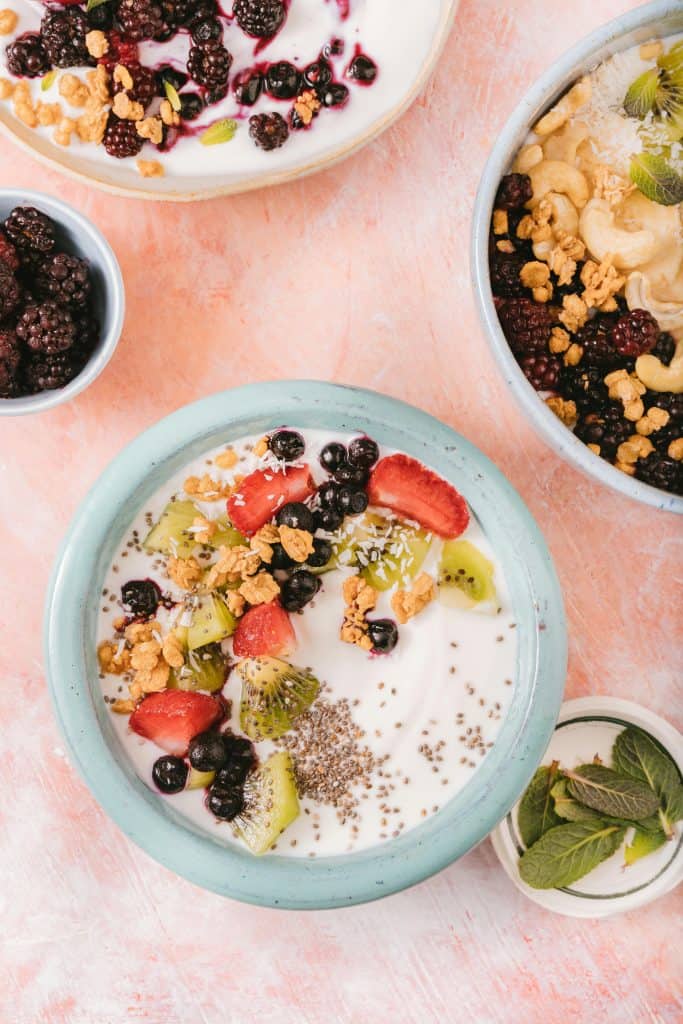
Here’s the truth: clean eating isn’t a diet. It’s not a set of rigid rules designed to make your life miserable. It’s a flexible, sustainable way of choosing foods that are as close to their natural state as possible — and it’s genuinely one of the most approachable changes you can make for your health. In this guide, I’m going to break it all down for you. We’ll cover what clean eating really means, what to eat, what to skip, the benefits you can actually expect, and exactly how to get started without losing your mind. Let’s dig in.
What Is Clean Eating, Really? (The Simple Definition)
Okay, let’s just get this out of the way right up front because I feel like the term “clean eating” has been muddied up by every wellness influencer on the planet. At its core, clean eating simply means choosing whole, minimally processed foods over highly processed ones. That’s it. No magic formula, no banned food groups, no $14 green juice required.
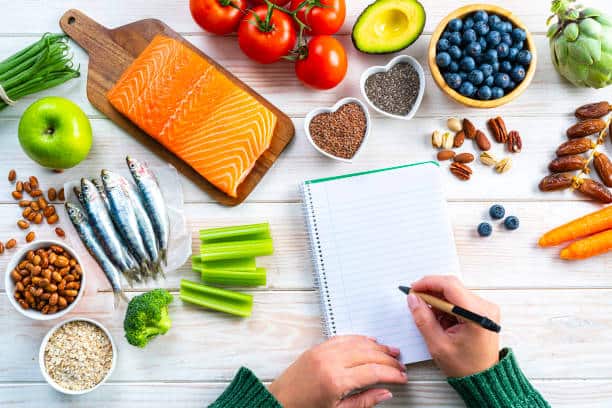
When I say “whole foods,” I mean foods that exist in nature and haven’t been significantly altered before they hit your plate. Think an apple, a sweet potato, a piece of grilled salmon, and a handful of almonds. These foods come with their natural nutrients intact — fiber, vitamins, minerals, healthy fats — without a bunch of additives thrown in to make them shelf-stable for three years.
“Minimally processed” is where it gets a little more nuanced, and honestly, this is where beginners trip up. Minimally processed foods have been slightly altered for convenience or safety — like frozen vegetables, canned beans, or rolled oats — but they haven’t had a ton of artificial stuff added. A bag of frozen broccoli with one ingredient — broccoli — is totally clean. A bag of broccoli in a “cheese sauce” with fifteen additional ingredients? Not so much.
Here’s what clean eating is not: it’s not keto, it’s not paleo, it’s not Whole30. Those are specific dietary frameworks with their own rules. Clean eating is more of an overarching philosophy — a lens through which you evaluate food choices. You can eat whole grains and legumes and still eat clean. You can enjoy fruit (yes, even the sugary ones) and still eat clean. The focus is on food quality, not on eliminating entire food groups. That distinction matters a lot, especially when you’re just starting, and the last thing you need is more restrictions.
The Core Principles of Clean Eating
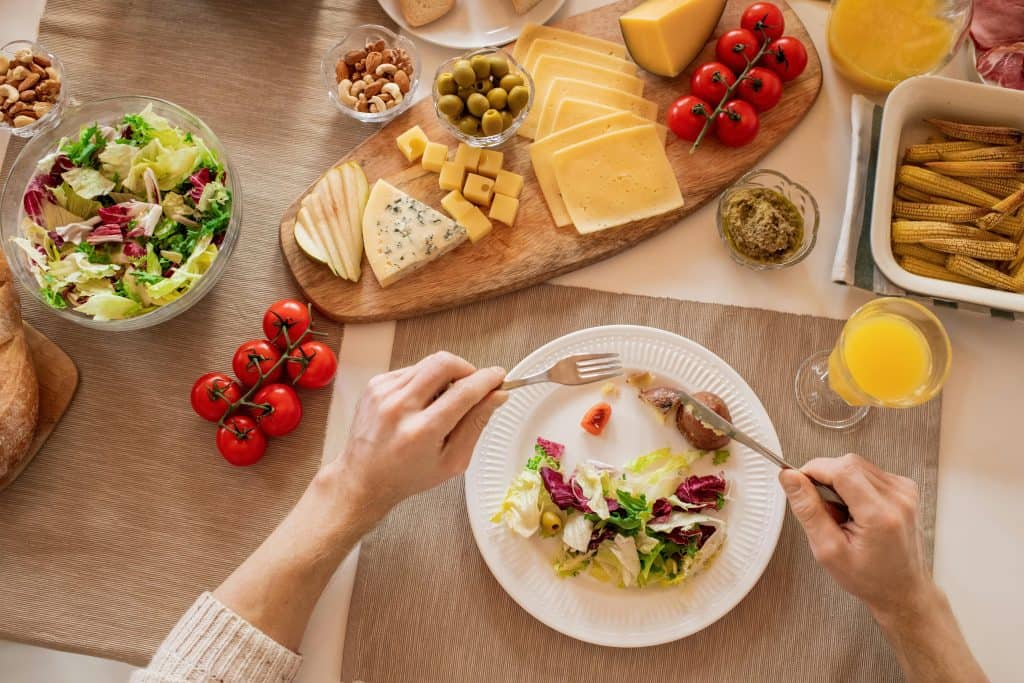
When I first started eating clean, I made the mistake of looking for a strict rulebook. I wanted someone to tell me exactly what to do. But clean eating doesn’t work like that — and honestly, that’s a feature, not a bug. Instead of rules, think of these as guiding principles that help you make better choices most of the time.
The first principle is to eat foods with as few ingredients as possible. If you pick up a package and the ingredient list reads like a chemistry exam, put it back. A good rule of thumb is to ask yourself: could my grandmother recognize every ingredient on this label? If the answer is no, it’s probably worth reconsidering.
The second principle is to balance your plate naturally. Clean eating isn’t about obsessively counting macros, but it does encourage you to include quality protein, healthy fats, and complex carbohydrates at most meals. This combination keeps your blood sugar stable, your energy consistent, and your hunger in check. I used to skip fat like it was the enemy — turns out, that was my biggest mistake and probably why I was starving by 10 AM every single day.
The third principle — and the one I want you to tattoo on your brain — is the 80/20 rule. This means eating clean, whole foods about 80% of the time and giving yourself grace for the other 20%. Birthday cake at your kid’s party? That’s your 20%. Friday night pizza with your family? That’s your 20%. Clean eating is meant to be a lifestyle, not a punishment. The 80/20 rule is what separates it from a diet and makes it actually sustainable long-term. I cannot stress this enough — perfectionism is the number one reason people quit.
Other core principles include limiting added sugars, artificial ingredients, and refined grains as much as possible, staying well-hydrated with water and other clean beverages, and choosing organic when it matters most (we’ll touch on that later). These aren’t hard-and-fast rules. They’re just a compass to help you navigate the overwhelming world of food choices.
What Foods Are Included in a Clean Eating Plan?
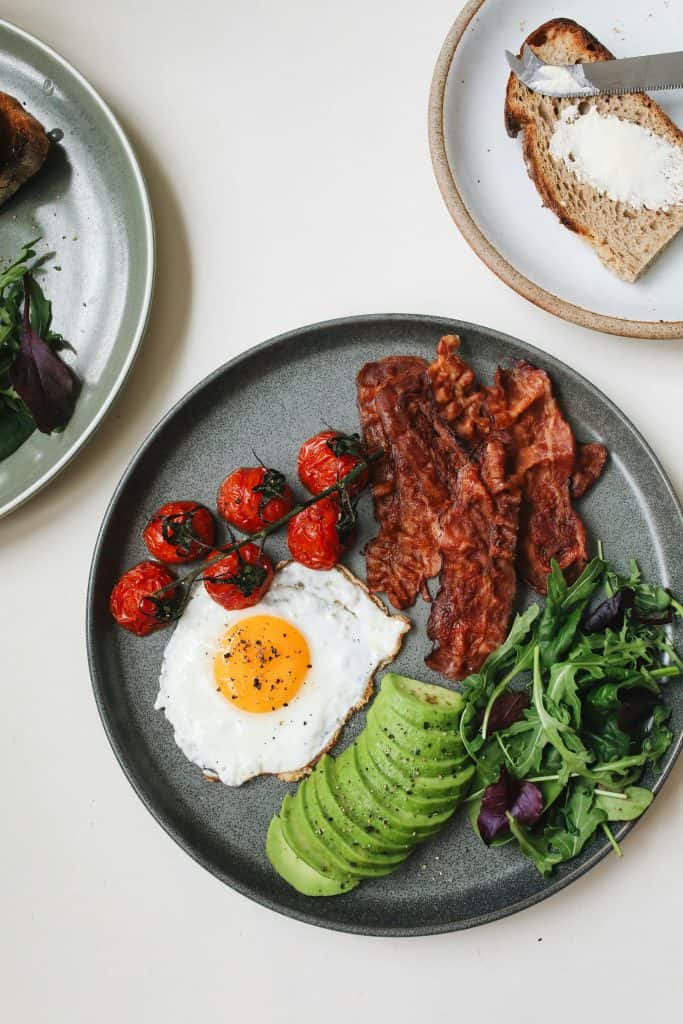
This is usually the part where people’s eyes light up, because the clean-eating food list is actually really good. Like, genuinely delicious. We’re not talking about sad salads and plain rice cakes. We’re talking about vibrant, satisfying, real food that your body was literally designed to run on.
Vegetables and Fruits are the foundation of clean eating. All of them — fresh, frozen, even canned (as long as there’s no added sugar or sodium). Don’t let anyone tell you frozen vegetables aren’t clean. They’re picked at peak ripeness and flash-frozen, which often means they’re more nutritious than the fresh stuff that’s been sitting in a truck for a week. Load your plate with leafy greens, colorful bell peppers, berries, cruciferous vegetables like broccoli and cauliflower, and whatever produce looks good at your local market.
Lean Proteins are essential. Chicken breast, turkey, salmon, tuna, eggs, Greek yogurt, cottage cheese, lentils, chickpeas, black beans — these are your clean-eating protein heroes. I’m particularly obsessed with eggs. They’re cheap, fast, and incredibly nutritious. For plant-based eaters, legumes and tofu are great clean protein sources too. The key is choosing minimally processed options — so grilled chicken, yes, chicken nuggets with 30 ingredients, no.
Whole Grains absolutely have a place in clean eating, despite what low-carb culture will tell you. Quinoa, oats, brown rice, farro, barley, whole wheat bread (the real kind, with whole wheat as the first ingredient) — these are complex carbohydrates that provide sustained energy and important fiber. When I switched from white rice to brown rice and from regular pasta to whole grain, I honestly didn’t even miss the old stuff after a week or two.
Healthy Fats are non-negotiable. Avocado, extra virgin olive oil, nuts, seeds, fatty fish like salmon and mackerel — these fats support brain function, hormone health, and help you absorb fat-soluble vitamins. Do not fear the fat. Fat doesn’t make you fat. Processed junk makes you feel terrible. There’s a difference.
Here’s a sample one-day clean eating menu to give you a real picture of what this looks like in practice:
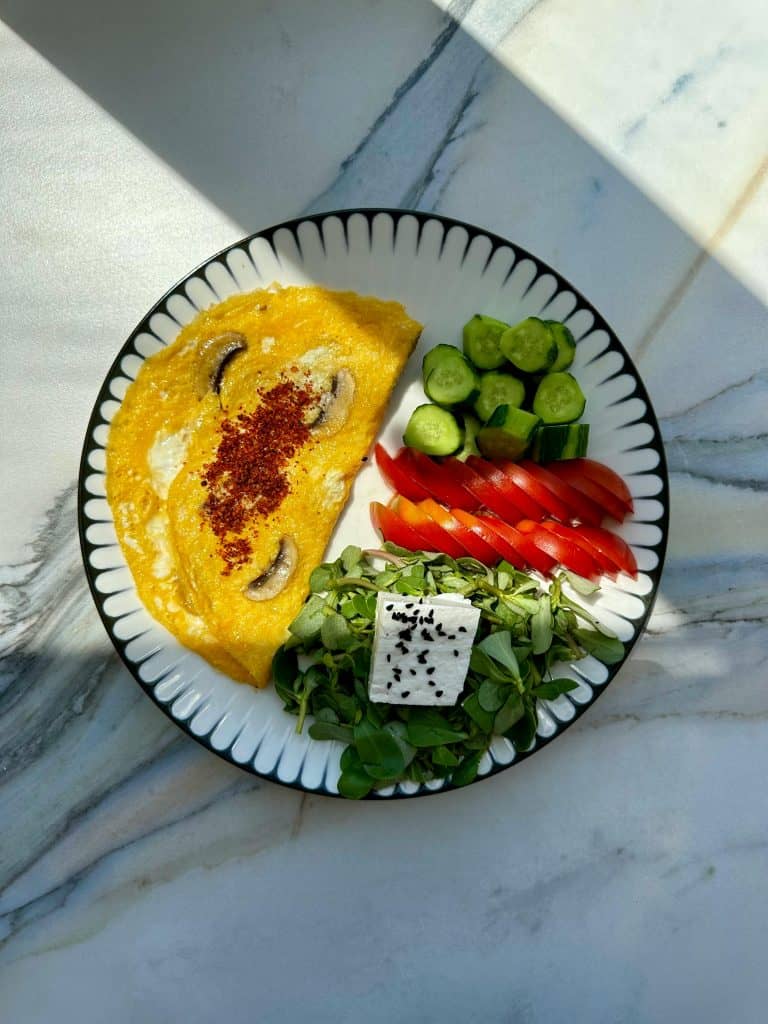
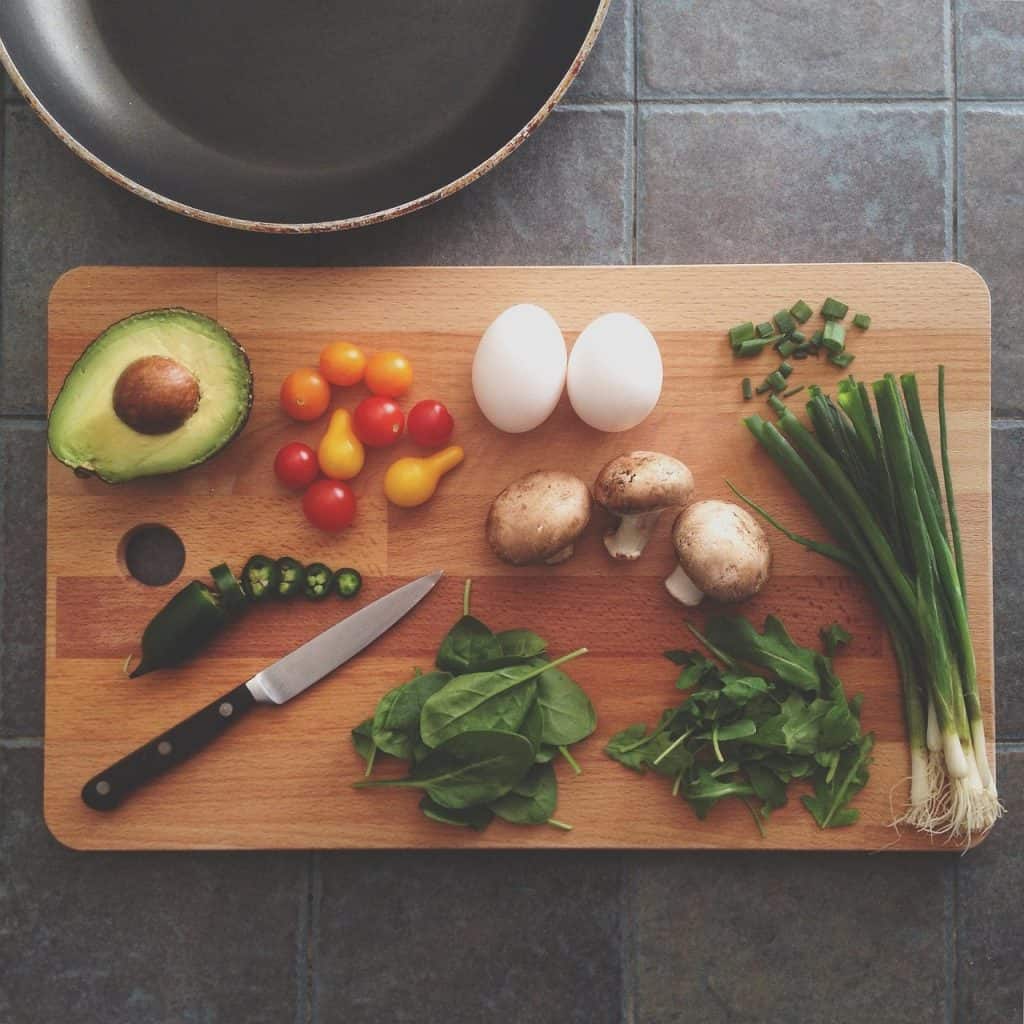
- Breakfast: Two scrambled eggs with spinach and avocado on a slice of whole-grain toast
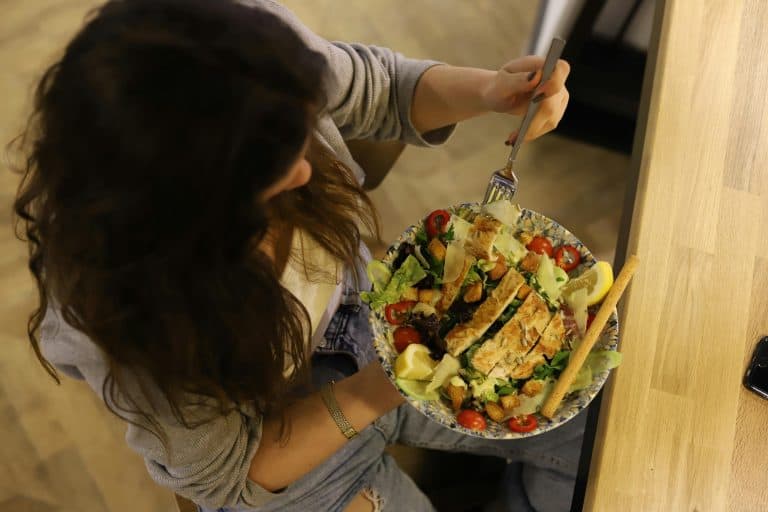
- Lunch: Big salad with grilled chicken, chickpeas, cucumbers, cherry tomatoes, and olive oil lemon dressing
- Dinner: Baked salmon with roasted sweet potatoes and steamed broccoli
- Snacks: Apple with almond butter, a small handful of walnuts
See? That’s not deprivation. That’s genuinely good food.
What Foods Should You Avoid When Eating Clean?
Alright, now for the flip side. And look — I’m not here to demonize any food or make you feel guilty about what’s been in your pantry. But part of eating clean is being honest about which foods are working against your health goals.
Ultra-processed packaged foods are the biggest culprit. These are things like chips, cookies, frozen dinners, fast food, packaged snack cakes — foods engineered in a lab to be hyper-palatable and have very little nutritional value. They’re designed to make you keep eating, and they’re loaded with ingredients that your body doesn’t really know how to process efficiently.
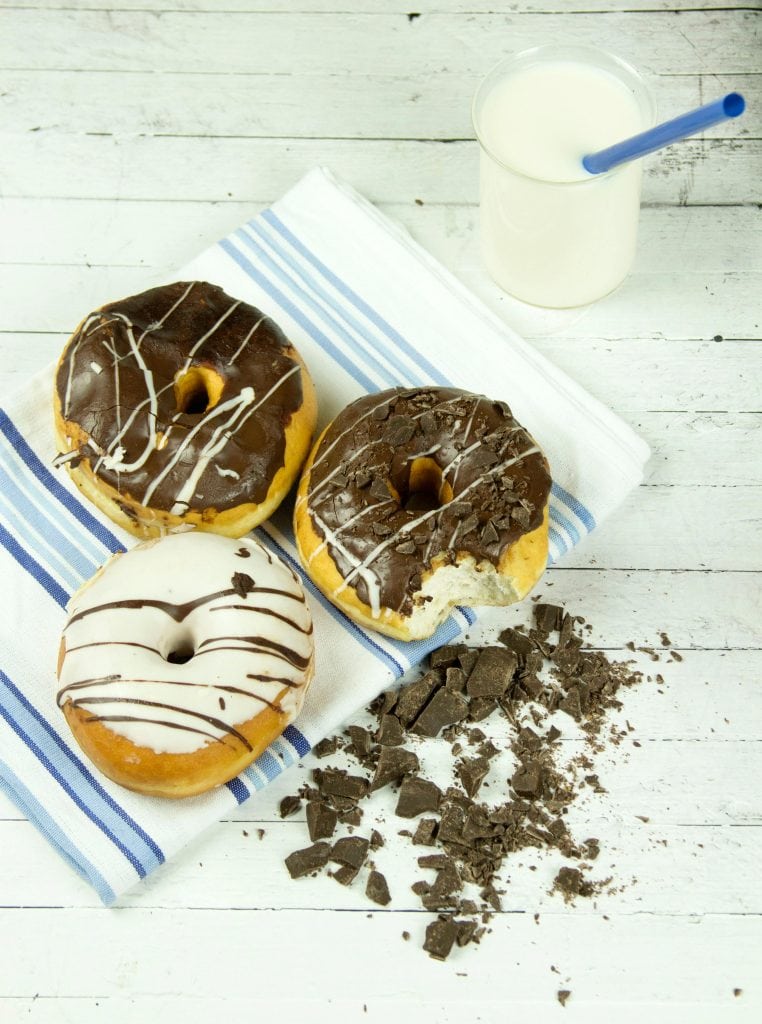
Added sugars are sneaky and they are everywhere. We’re talking about obvious ones like candy and soda, but also hidden sugars in salad dressings, pasta sauces, granola bars, flavored yogurts, and bread. The American Heart Association recommends no more than 25 grams of added sugar per day for women — a single flavored yogurt can have 20+ grams. Reading labels for added sugar is one of the most important skills you can develop as a clean eater.
Refined grains — white bread, white rice, regular pasta, most crackers, and cereals — have had their fiber and nutrients stripped away during processing. They spike your blood sugar, leave you hungry an hour later, and offer very little nutritional return. Swapping these for their whole-grain counterparts is one of the easiest and highest-impact changes you can make.
Artificial ingredients — including artificial colors, flavors, and preservatives — are worth avoiding not because one serving will hurt you, but because the cumulative effect of eating them constantly is something we’re only beginning to understand. If you can’t picture where an ingredient came from in nature, that’s a sign worth paying attention to.
When you’re reading a label, look for these red flags: high fructose corn syrup, partially hydrogenated oils (trans fats), artificial sweeteners like aspartame and sucralose, carrageenan, sodium nitrate, and anything with a number after it (like Red 40 or Yellow 5). None of these things belong in clean food.
Clean Eating Benefits — What Can You Actually Expect?
I want to be real with you here, because the internet is full of dramatic before-and-after stories and promises of total transformation in 30 days. The truth is a little more nuanced — but the real benefits of clean eating are genuinely impressive, they just don’t always happen overnight.

Energy levels are usually the first thing people notice. Within the first week or two of cutting out processed foods and stabilizing blood sugar, most people report feeling more consistent energy throughout the day. No more 3 PM crashes. No more waking up exhausted even after a full night of sleep. I noticed this within about ten days, and honestly, it alone was worth it.
Digestion improves pretty quickly, too. When you increase your intake of fiber-rich whole foods and cut back on processed junk, your gut starts to function the way it’s supposed to. Bloating decreases, regularity improves, and you just feel… less heavy. Your gut microbiome — the community of bacteria that lives in your digestive system — absolutely thrives on whole plant foods.
Clearer skin and reduced inflammation are benefits that take a little longer — usually four to six weeks — but they’re real. Processed foods, refined sugars, and dairy can trigger inflammation in the body, which often shows up on the skin. Many people who switch to clean eating report fewer breakouts, less puffiness, and an overall improvement in their complexion.
Mental clarity and mood stability are changes I didn’t expect, but were honestly some of the most meaningful. The gut-brain connection is real, and when your gut is happy, your brain tends to follow. I felt less foggy, more focused, and honestly just in a better mood in general. Less irritable. More patient. My family definitely appreciated that part.
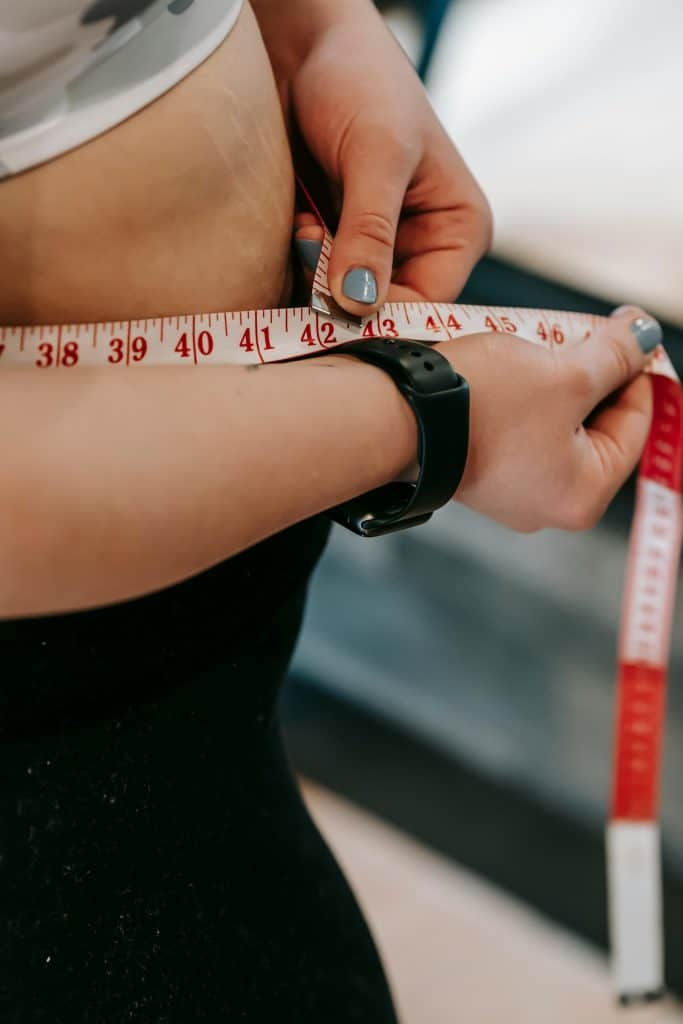
Weight management is often a welcome side effect of clean eating, though it’s not always the primary goal. When you’re eating whole, nutrient-dense foods that keep you full and satisfied, you naturally tend to eat less without counting calories or feeling deprived. Most people lose weight gradually and sustainably — which is exactly the kind of weight loss that actually sticks.
As for the timeline, be patient with yourself. Most beginners start noticing small changes within the first one to two weeks. More significant changes in energy, digestion, and weight typically show up around the four to eight week mark. Give it time. You didn’t develop your current eating habits overnight, and you won’t transform them overnight either.
How to Start Clean Eating as a Complete Beginner
Here’s where I want to really slow down and be practical, because I’ve watched so many people come out of the gate hot — clearing their entire pantry, buying $300 worth of organic groceries, meal prepping for four hours on Sunday — and then burning out completely by day five. Don’t do that.
Start with a pantry audit, not a pantry purge. Go through your cabinets and fridge and just get curious. Read the ingredient labels. Notice what has a ton of added sugar, artificial ingredients, or unrecognizable components. You don’t have to throw everything out today — but awareness is the first step. When things run out, replace them with cleaner versions.
Build a simple, clean eating grocery list. My starter list looks something like this: eggs, chicken breast, salmon, a bag of mixed greens, spinach, sweet potatoes, broccoli, a couple of seasonal vegetables, bananas, apples, berries, oats, quinoa, brown rice, canned chickpeas, canned black beans, olive oil, almond butter, and a bag of mixed nuts. That’s it. Simple, affordable, and enough to make a week’s worth of clean meals.
Use the one-ingredient swap method. Instead of overhauling your entire diet, start swapping one thing at a time. Switch white bread for whole grain. Swap your afternoon soda for sparkling water. Trade your flavored yogurt for plain Greek yogurt with fresh fruit. These tiny swaps compound over time into a genuinely different way of eating — without the shock of a complete overhaul.
Do a little bit of meal prep. You don’t have to spend your whole Sunday in the kitchen. Even just washing and chopping vegetables, cooking a big batch of grains, and portioning out some snacks on Sunday afternoon sets you up to make clean choices all week. When clean food is ready and accessible, you’re a hundred times less likely to reach for the processed stuff.
Remember the 80/20 rule. Say it with me: progress over perfection. If you eat clean 80% of the time, you will absolutely see results and feel better. The 20% is there so you can enjoy life — birthday dinners, holiday meals, spontaneous ice cream cones. Clean eating was never meant to isolate you from the joy of food.
Eating clean on a budget is absolutely possible. Focus on whole grains, legumes, eggs, and frozen vegetables — these are some of the most affordable and nutritious foods on the planet. Buy produce that’s in season. Shop the sales. Don’t let anyone tell you eating clean is only for people with big grocery budgets. It’s just not true.
Clean Eating Mistakes Beginners Make (And How to Avoid Them). Oh, I have made every single one of these mistakes personally. Consider this the cheat sheet I wish someone had given me.
Going too strict too fast is mistake number one. I went cold turkey once — no sugar, no grains, nothing processed — for an entire week. By day four, I was miserable, I had a headache, I was snapping at everyone, and I ate an entire sleeve of Oreos on day seven. The all-or-nothing approach rarely works. Gradual, sustainable changes win every time.
Assuming “natural” or “organic” means clean is a trap that gets almost everyone. Organic Oreos are still Oreos. “All-natural” Doritos are still Doritos. These marketing terms are largely unregulated and can be slapped on almost anything. Always read the actual ingredient list, not just the front of the package.
Skipping healthy fats is a mistake I made for years because I grew up in the low-fat era and was terrified of calories from fat. But healthy fats are essential for hormone production, brain function, vitamin absorption, and satiety. When you don’t eat enough fat, you’re hungry all the time and your energy tanks. Add the avocado. Drizzle the olive oil. Eat the nuts.
Ignoring hidden ingredients is huge. A lot of people think they’re eating clean but are still consuming significant amounts of added sugar and artificial ingredients because they’re not reading labels carefully. Condiments, sauces, dressings, flavored oatmeals, protein bars — these are sneaky sources of junk ingredients that can quietly undermine your efforts.
Letting perfection be the enemy of progress might be the most important one. You’re going to have days where you don’t eat clean. You’re going to go to a party and eat things you wouldn’t normally eat. That is completely fine and completely normal. What matters is what you do the next day. One off day doesn’t undo your progress. Getting back on track immediately does.
Clean Eating FAQs
Is clean eating the same as a diet?
Nope. A diet typically involves restriction, rules, and an end date. Clean eating is a lifestyle — an ongoing approach to food that’s flexible and sustainable. There’s no “going off” clean eating the way you’d go off a diet. It’s just a way of choosing food that you practice most of the time.
Can you eat clean on a budget?
Absolutely yes. Some of the most nutritious clean foods — eggs, oats, lentils, beans, frozen vegetables, bananas — are also the most affordable. You don’t need expensive superfoods or specialty products to eat clean. Focus on whole, simple ingredients, and you’ll find it’s very manageable.
Is clean eating safe for the whole family?
Yes, and it’s genuinely one of the best things you can do for your family’s long-term health. Kids who grow up eating whole foods develop healthier palates and habits. You don’t need to make separate meals — most clean-eating meals are crowd-pleasing and easy to adapt.
Do you have to eat organic to eat clean?
No. Organic is nice if it’s in your budget, but it’s not a requirement for clean eating. If you want to prioritize, focus on the EWG’s “Dirty Dozen” list of produce with the highest pesticide levels and buy those organic when possible. Everything else conventional is perfectly fine.
Can you eat out and still eat clean?
Yes, with a little strategy. Look for grilled proteins, vegetable-forward dishes, and ask for dressings and sauces on the side. Most restaurants can accommodate simple modifications. You won’t always be perfect when eating out — and that’s okay. That’s what the 20% is for.
Conclusion
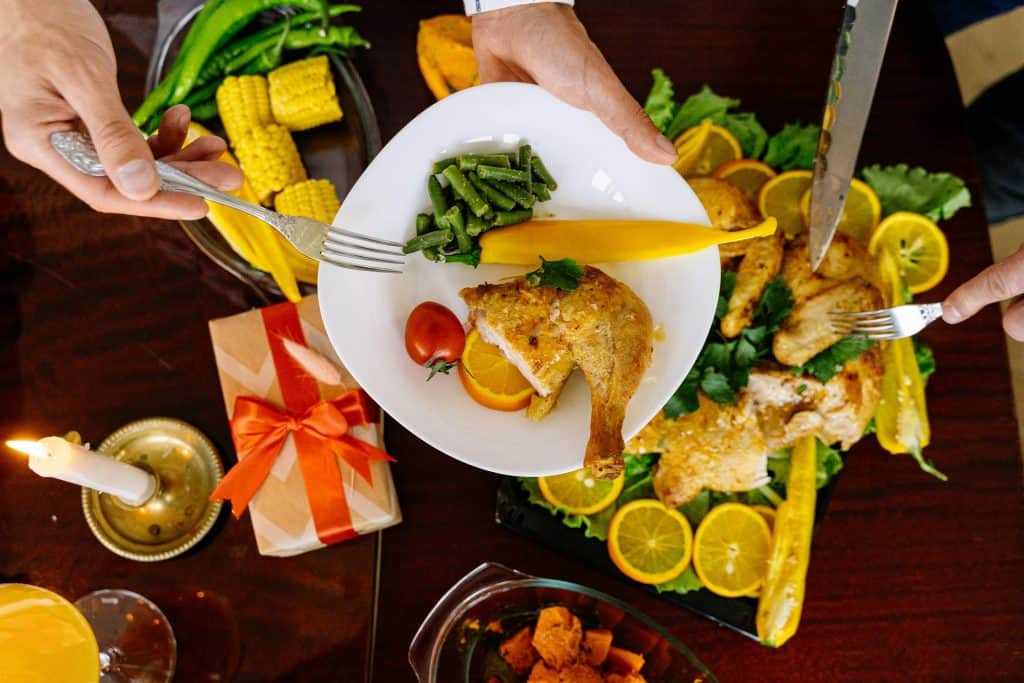
So, what is clean eating? At its simplest, it’s choosing real, whole, minimally processed food most of the time and giving yourself grace for the rest. It’s not about being perfect, following a strict program, or spending a fortune on fancy health food. It’s about building a genuine, sustainable relationship with food that supports how you want to feel — energized, clear-headed, and good in your body.
If you take nothing else from this guide, take the 80/20 rule. Start small. Make one swap this week. Then another week after. Read a label or two at the grocery store. Cook one simple, clean meal at home instead of grabbing fast food. Those small, consistent actions add up faster than you think, and before long, clean eating just becomes the way you eat — not a thing you’re “trying.”
You don’t have to do this perfectly, and you don’t have to do it all at once. Your version of clean eating might look a little different from mine, and that’s completely okay. The goal is progress, not perfection.
Ready to take your first step? Grab my free clean eating starter grocery list and check out the 7-Day Clean Eating Meal Plan for Beginners — it’ll show you exactly what a week of clean eating looks like in real life, without any overwhelm. And if you found this guide helpful, I’d love to hear from you in the comments — what’s the first clean eating swap you’re going to try?