7 Clean Eating Health Benefits That Will Make You Want to Start Today

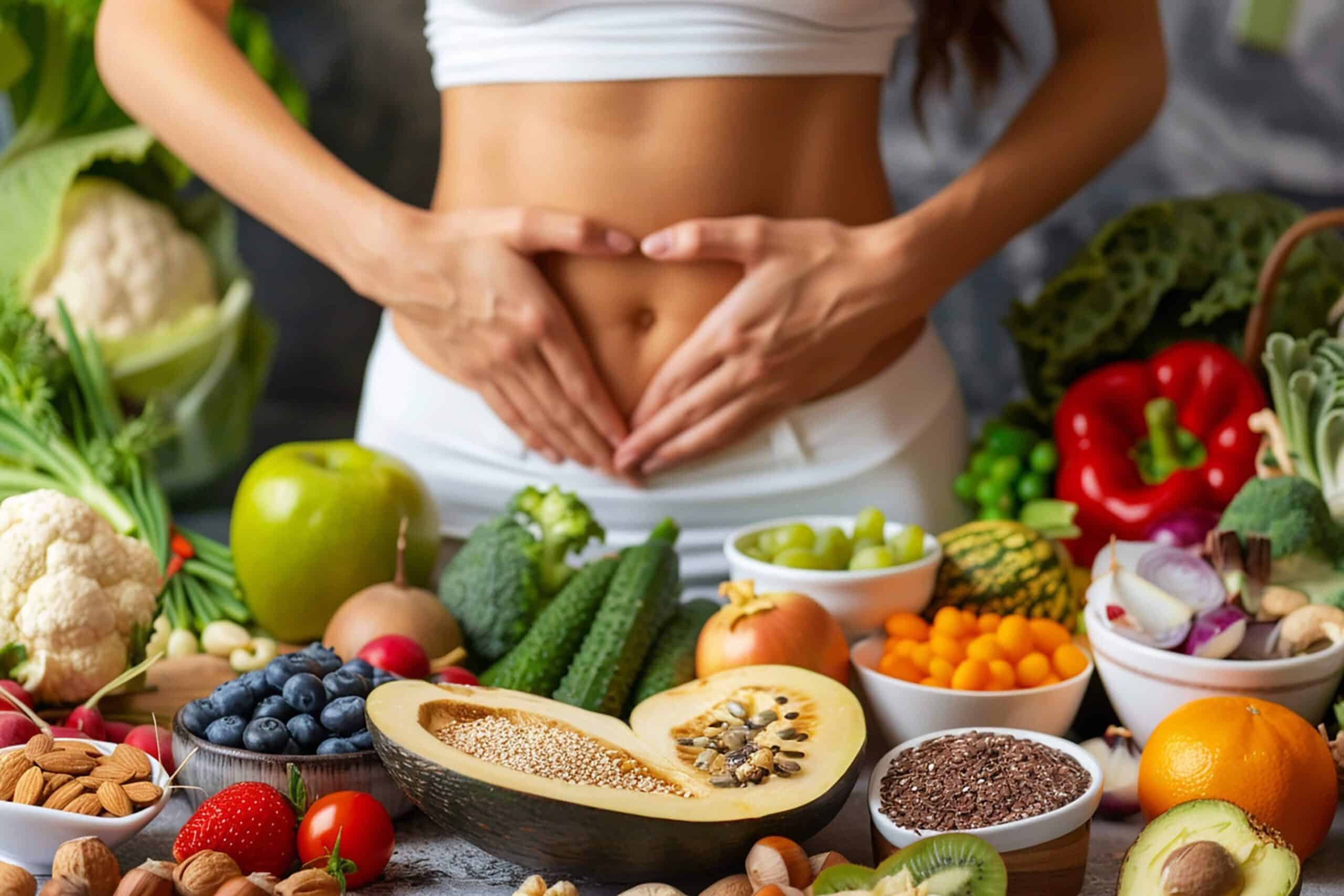
The clean eating health benefits include weight management, more energy, better digestion, reduced risk of chronic disease, sharper brain function, clearer skin, and a stronger immune system. When you swap processed foods for whole, real ingredients, your body starts working the way it was meant to — and most people notice a difference within just a few weeks.
I didn’t grow up counting macros or reading nutrition labels. I grew up in Vermont, where my parents shopped at a local food co-op, and dinner was usually made from scratch by my mom. Back then, we just called it eating. I had no idea it would eventually become the foundation of everything I share here on Nourish & Thrive.
After 37 years as a nurse, I’ve watched diet play out in real time — in hospital rooms, in recovery, in the way patients bounce back or don’t. And after years of studying and practicing clean eating myself, I can tell you this: what you put on your plate matters more than almost anything else you do for your health. Check out my Clean Eating Beginner’s Guide.
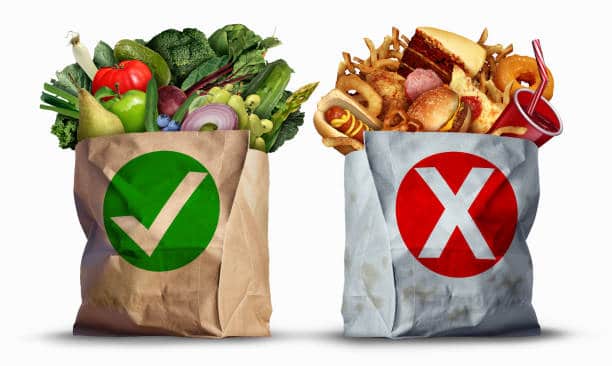
This isn’t a diet — and if you’ve wondered how it stacks up against named plans like Whole30 or Paleo, I’ve broken that down in Clean Eating vs Whole30 and Clean Eating vs Paleo. For now, just know it focuses on whole, minimally processed foods — and the benefits are real. Let me walk you through seven of the biggest ones.
Clean Eating Permits Weight Management That Actually Sticks
I’m going to be straight with you — clean eating isn’t a quick-fix weight loss plan. But that’s exactly why it works.
When you eat whole foods — vegetables, fruits, lean proteins, healthy fats, whole grains — your body gets real nutrition. You feel fuller longer. You stop riding the blood sugar rollercoaster that makes you reach for chips at 3 p.m. And over time, your body naturally finds a weight that feels sustainable.
I follow an 80/20 approach, which means I eat clean most of the time and I don’t beat myself up over the exceptions. This keeps me consistent without the all-or-nothing burnout that kills most diets.
The research backs this up. Studies consistently show that diets rich in whole foods and low in ultra-processed foods are linked to healthier body weight and lower obesity rates — not because of calorie restriction alone, but because of how these foods affect hunger hormones, metabolism, and gut health.
If weight management is one of your goals, clean eating gives you a framework that’s flexible enough to actually live with — and it holds up just as well away from home. My Clean Eating Travel Playbook covers how to keep that consistency going on vacation, when routines get harder to control.

Clean Eating Gives You More Energy — Without the Afternoon Crash
Raise your hand if you’ve ever hit a wall around 2 or 3 in the afternoon and immediately reached for coffee or something sweet. I’ve been there. Most of us have.
That crash is almost always tied to what you ate earlier in the day. Highly processed foods — white bread, sugary cereals, fast food — spike your blood sugar fast and then drop it just as fast. Your energy tanks, your focus goes with it, and you’re stuck in a cycle.
When I switched to eating clean, the first thing I noticed wasn’t weight loss. It was energy. Steady, all-day energy that didn’t nosedive after lunch.
Whole foods like oats, eggs, leafy greens, nuts, and berries provide complex carbohydrates, healthy fats, and protein that your body burns slowly and steadily. Think of it like the difference between a bonfire (processed food — burns fast and hot) versus a slow-burning log (whole food — keeps you warm for hours). Check out my Clean Eating Breakfast ideas.
This matters even more in September, when school schedules snap back into place and everyone in the house is suddenly running on an earlier alarm clock. Steady energy isn’t a nice-to-have during that adjustment — it’s the difference between making it to 3 p.m. functional or running on fumes.
More energy means more mental clarity, better workouts, more patience, and honestly, a better mood. It’s one of the benefits I hear about most from people who are just getting started.

Clean Eating Improves Digestion (Your Gut Will Thank You)
Bloating. Gas. Irregularity. These aren’t just uncomfortable — they’re your gut telling you something isn’t working.
Processed foods are often loaded with artificial additives, emulsifiers, and refined sugars that disrupt the balance of bacteria in your gut — what scientists call your microbiome. When that balance is off, your whole digestive system suffers.
Clean eating naturally supports gut health in two big ways. First, fiber. Vegetables, fruits, legumes, and whole grains feed the good bacteria in your gut and keep things moving. Second, probiotics. Fermented foods like plain yogurt, kefir, kimchi, and sauerkraut add beneficial bacteria directly to your digestive system.
I started incorporating more fiber-rich foods a few years ago, and the difference was noticeable within a few weeks. Less bloating. More regularity. Better overall comfort.
Your gut does a lot more than digest food — it plays a major role in immune function, mental health, and inflammation. Taking care of it through clean eating is one of the smartest moves you can make.
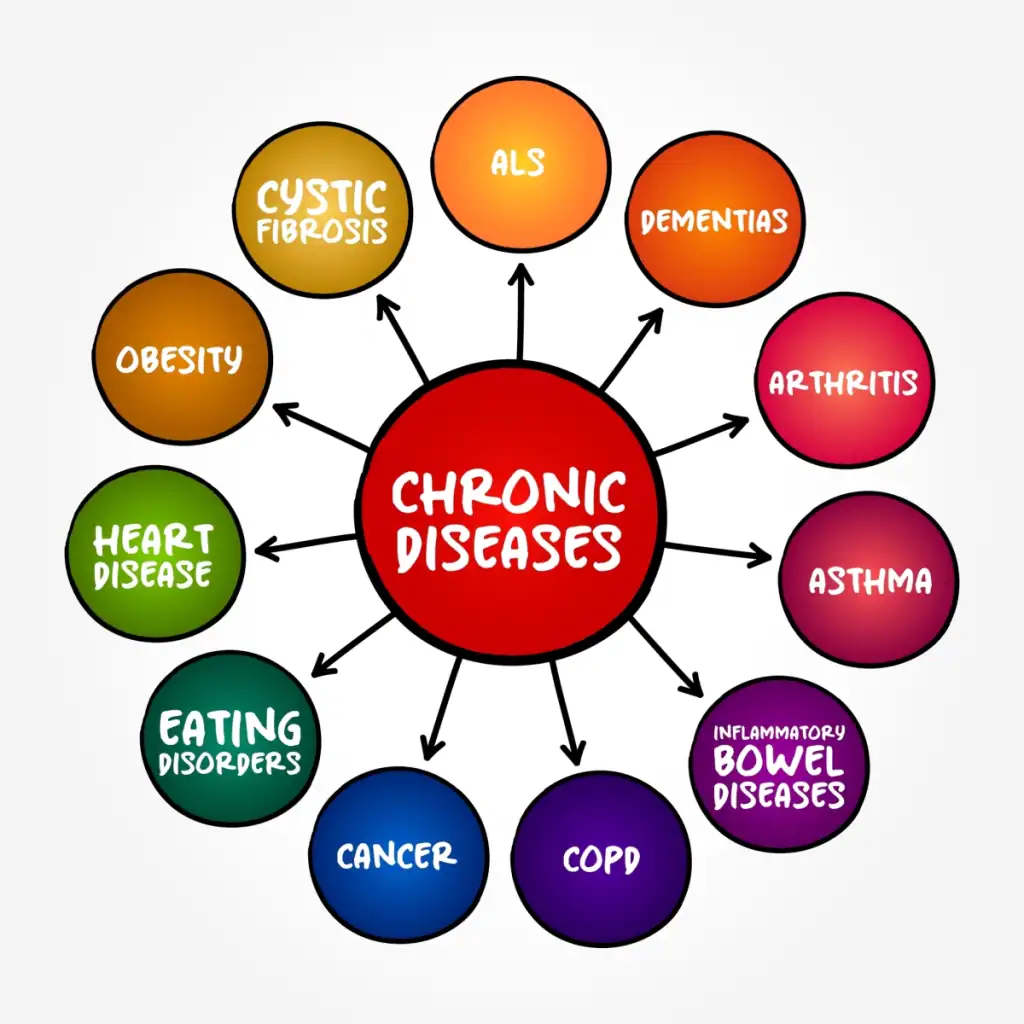
Clean Eating Reduces the Risk of Chronic Disease
This one hits close to home for me as a nurse. I’ve spent decades watching what happens when people eat poorly for years and years. The connection between diet and chronic disease is not subtle.
Heart disease, type 2 diabetes, hypertension, certain cancers — these aren’t random. Research consistently links them to diets high in ultra-processed foods, added sugar, refined grains, and unhealthy fats.
Clean eating works in the opposite direction. It’s naturally anti-inflammatory. When you eat vegetables, berries, fatty fish, olive oil, nuts, and seeds, you give your body powerful compounds — antioxidants, omega-3s, polyphenols — that fight the chronic inflammation underlying most of these diseases.
You don’t have to be perfect. You just have to be consistent. Even making clean choices 80% of the time can significantly shift your long-term health trajectory. That’s not me selling you something — that’s decades of public health research.
Prevention isn’t glamorous. It doesn’t make headlines. But it’s the most powerful thing you can do for your future self.
Check out EWG’s insight on the harms of ultra-processed foods.

Clean Eating Bestows Better Brain Health and Mental Clarity
You’ve probably heard the phrase “food is fuel.” But here’s what I’d add: food is also medicine for your brain.
Your brain is about 60% fat. It depends on a steady supply of nutrients — omega-3 fatty acids, B vitamins, antioxidants, magnesium — to function at its best. When those nutrients are missing, brain fog, poor concentration, mood swings, and even anxiety and depression can follow.
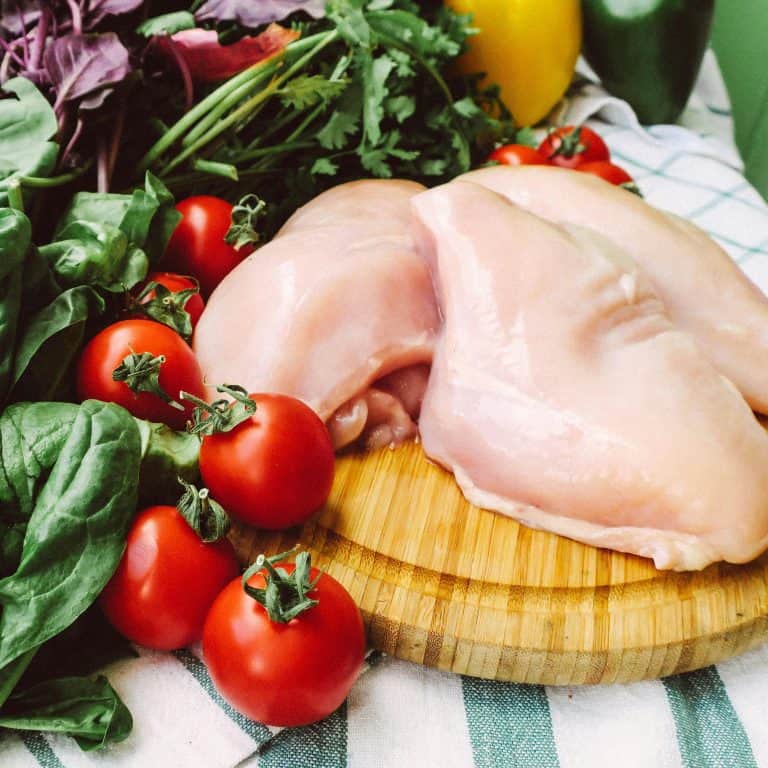
A clean eating approach naturally delivers what your brain needs. Fatty fish like salmon and sardines provide omega-3s linked to lower rates of cognitive decline. Leafy greens and berries are packed with antioxidants that protect brain cells. Eggs supply choline, a nutrient critical for memory and focus.
I noticed this in myself when I cleaned up my diet years ago. The mental clarity wasn’t dramatic at first, but over weeks I felt sharper, less forgetful, and more emotionally steady. My brain just felt… better.
Emerging research is also drawing strong connections between gut health and brain health — often called the gut-brain axis. Healthy gut bacteria produce serotonin and other neurotransmitters that directly affect mood. Another reason why what you eat matters far beyond the physical.
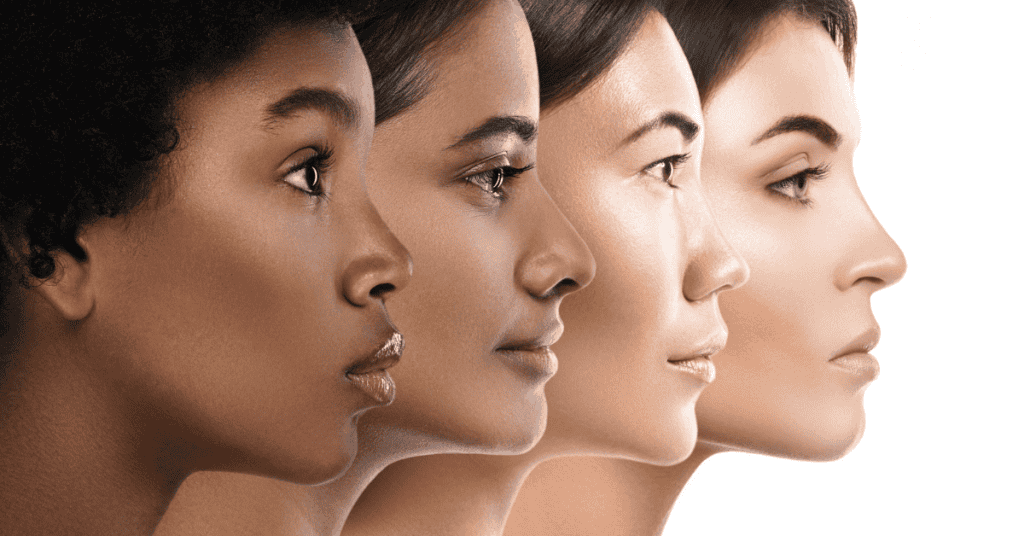
Clean Eating Offers Clearer, Healthier Skin
I’m going to let you in on something the skincare industry doesn’t want you to know: no serum, cream, or vitamin C face wash can out-work a bad diet. What you eat shows up on your skin — for better or worse.
Sugar and refined carbs drive up insulin levels, which can trigger oil production and inflammation — both major contributors to acne. Processed foods high in unhealthy fats and additives can disrupt hormone balance and worsen skin conditions like eczema and rosacea.
Clean eating, on the other hand, gives your skin what it needs to look and feel good. Vitamin C from citrus and bell peppers supports collagen production. Vitamin E from nuts and avocado protects against damage. Antioxidants from colorful produce fight the oxidative stress that accelerates aging. And staying well-hydrated — clean eating naturally includes water-rich fruits and vegetables — keeps your skin plump and clear.
Many people report clearer skin within 3–4 weeks of cleaning up their diet. It’s not magic — it’s your body working the way it’s designed to when you give it real fuel.
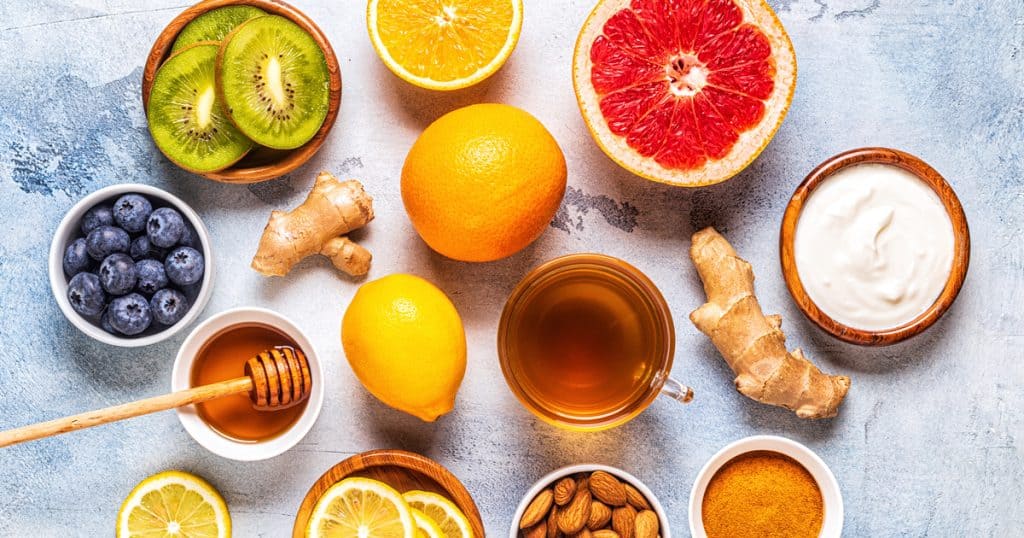
Clean Eating Builds a Stronger Immune System
If you’ve been getting every cold that comes around or feeling run-down more than usual, your diet might be worth a second look.
Your immune system is extraordinarily complex — and extraordinarily dependent on nutrition. Vitamins C, D, and E, zinc, selenium, and antioxidants all play direct roles in immune response. When your diet is full of processed, nutrient-depleted foods, your immune system is working with its hands tied.
Clean eating floods your body with the nutrients that support immune function. Citrus fruits, garlic, ginger, leafy greens, nuts, seeds, and turmeric are all whole foods with well-documented immune-supporting properties.
But here’s the piece most people miss: a healthy gut is immune central. About 70% of your immune system lives in your gut. Feeding your good gut bacteria with fiber, fermented foods, and whole plant foods is one of the best things you can do to stay well — especially during cold and flu season.
Think of clean eating as your daily immune investment. It’s not a guarantee, but it stacks the deck in your favor in a real, measurable way.
And with fall here, this is the moment to actually put that investment to work. September and October are when cold and flu season starts creeping back in — new school germs circulating, cooler weather keeping everyone indoors more, and schedules getting busy enough that sleep and nutrition are often the first things to slip. That’s exactly the wrong time to let your immune-supporting habits slide. A little extra attention to citrus, garlic, ginger, and fermented foods in the next few weeks isn’t a cure-all, but it’s one of the most useful, low-effort things you can do heading into the season.
The Bottom Line – Clean Eating Health Benefits
Here’s what I know after 37 years in healthcare and years of practicing and writing about clean eating: there is no supplement, no pill, and no shortcut that can do what whole food does.
Weight management, steady energy, better digestion, a healthier heart, a sharper mind, clearer skin, and a stronger immune system — these aren’t promises made up by wellness influencers. They’re outcomes backed by decades of research, and I’ve seen them in my own life and in the lives of the people I’ve cared for.
And the beautiful thing? You don’t have to be perfect. You just have to start.
If you’re not sure where to begin, my free 7-day clean eating plan walks you through exactly what to eat, day by day, without overthinking it. It’s the same starting point I recommend to everyone — simple, real food that fits into real life.