Clean Eating Breakfast: Simple Recipes and Smart Swaps


Introduction
I used to grab a protein bar and a Starbucks on my way to work every single morning. Convinced myself I was being ‘healthy’ because the bar said ‘protein’ and the drink was a latte, not a frappuccino.
Then I actually looked at the ingredients. The protein bar had 22 ingredients I couldn’t pronounce. The latte? More sugar than a candy bar.
Here’s what nobody tells you about clean eating breakfast: it doesn’t have to be complicated. You don’t need to wake up an hour early to make an Instagram-worthy açai bowl. You just need to swap a few processed items for real food and have some go-to recipes you can make ahead. See my “How to Start Clean Eating: A Complete Beginner’s Guide.“
After 37 years as a nurse, I’ve learned that breakfast either sets you up for stable energy all day or it sends you on a blood sugar roller coaster. The difference isn’t willpower. It’s what you actually put in your body.
I’m going to share my three essential clean eating breakfast recipes—the ones I make every single week—and the simple swaps that transformed my mornings without adding extra time or stress.
Let’s make breakfast work for you, not against you.

Why Breakfast Matters (And Why Most Healthy Options Aren’t)
I used to think those grab-and-go protein bars were a smart choice. They’re marketed as healthy, they say ‘high protein,’ and they’re convenient. What could be wrong?
Everything, it turns out.
Most commercial protein bars are essentially candy bars with added protein powder. Same with those bottled protein drinks and flavored coffee beverages. They’re loaded with sugar, artificial sweeteners, preservatives, seed oils, and ingredients designed to make them shelf-stable for months.

Here’s what processed breakfast foods actually do:
They spike your blood sugar fast, then crash it hard. You know that 10 AM energy slump? That’s not normal tiredness. That’s your blood sugar dropping after a processed breakfast.
They leave you hungry an hour later. Real protein and fat keep you satisfied. Processed foods with hidden sugars don’t.
They contain inflammatory ingredients. Seed oils, artificial flavors, preservatives—these add up over time. As a nurse, I’ve seen how chronic inflammation affects everything from joint pain to brain fog.
What clean eating breakfast actually does:
It provides steady energy for hours. Real eggs, oats, and whole foods digest slowly, keeping your blood sugar stable.
It keeps you full until lunch. Actual protein and healthy fats signal your body that you’re satisfied. See NIH clinical evidence of a high-protein diet.
It reduces inflammation. Whole foods your body recognizes, instead of chemicals it has to process.
Growing up in Vermont, breakfast was simple: eggs, oatmeal, maybe some yogurt with berries. Nothing fancy. Nothing processed. Just food.
That’s exactly the approach I’m sharing with you today. Three simple recipes you can make ahead, and smart swaps for the processed items cluttering your pantry.
You don’t need more options. You need better systems.
Recipe #1: Make-Ahead Egg Bites & Breakfast Casserole
These egg bites saved my mornings. I make a batch on Sunday, and I have protein-packed breakfasts ready to grab all week.
The cottage cheese makes them incredibly fluffy and adds extra protein. You won’t believe how good these are.

COTTAGE CHEESE EGG BITES FORMULA:
8 eggs
1 cup cottage cheese
1/2 cup shredded cheese (I use cheddar or mozzarella)
Salt and pepper to taste
Your choice of add-ins (spinach, peppers, ham, sausage)
Makes 12 egg bites
How to make them:
Preheat your oven to 350°F. Grease a muffin tin with butter or avocado oil spray.
Blend eggs and cottage cheese until smooth. You can use a blender or just whisk really well—the cottage cheese breaks down either way. This is the secret to fluffy egg bites.
Pour the egg mixture into a bowl and stir in the shredded cheese. Season with salt and pepper.
Add your chosen vegetables and/or cooked meat to each muffin cup. Fill about 1/3 full with your add-ins.
Pour the egg mixture over the top, filling each cup about 3/4 full.
Bake for 20-25 minutes until the centers are set, and the tops are lightly golden.
Let them cool completely, then store in glass containers in the fridge for up to 5 days.
Why cottage cheese makes a difference:
I tried making egg bites with just eggs and milk for years. They were okay. Then I discovered the cottage cheese trick and everything changed. The cottage cheese adds protein, makes them fluffy instead of rubbery, and keeps them moist even after reheating. You won’t taste the cottage cheese at all—it just makes them better.
Variation #1: Spinach & Cheese
Add-ins per cup: Fresh spinach (about 1/4 cup), diced bell peppers, extra shredded cheddar
Why I love it: Gets vegetables in first thing in the morning. The spinach wilts down and adds nutrition without any weird texture.
Variation #2: Ham & Pepper
Add-ins per cup: Diced cooked ham, chopped bell peppers (red and green), shredded mozzarella
Why I love it: Tastes like a Denver omelet. My kids actually ask for these.
Variation #3: Sausage & Cheddar
Add-ins per cup: Cooked crumbled sausage (I use chicken or turkey sausage), diced onion, extra cheddar cheese
Why I love it: The most filling variation. Keeps me satisfied for hours.
How to reheat:
Microwave for 45-60 seconds, or heat in a 300°F oven for about 10 minutes. I prefer the oven because they stay fluffier, but the microwave works fine when I’m rushed.
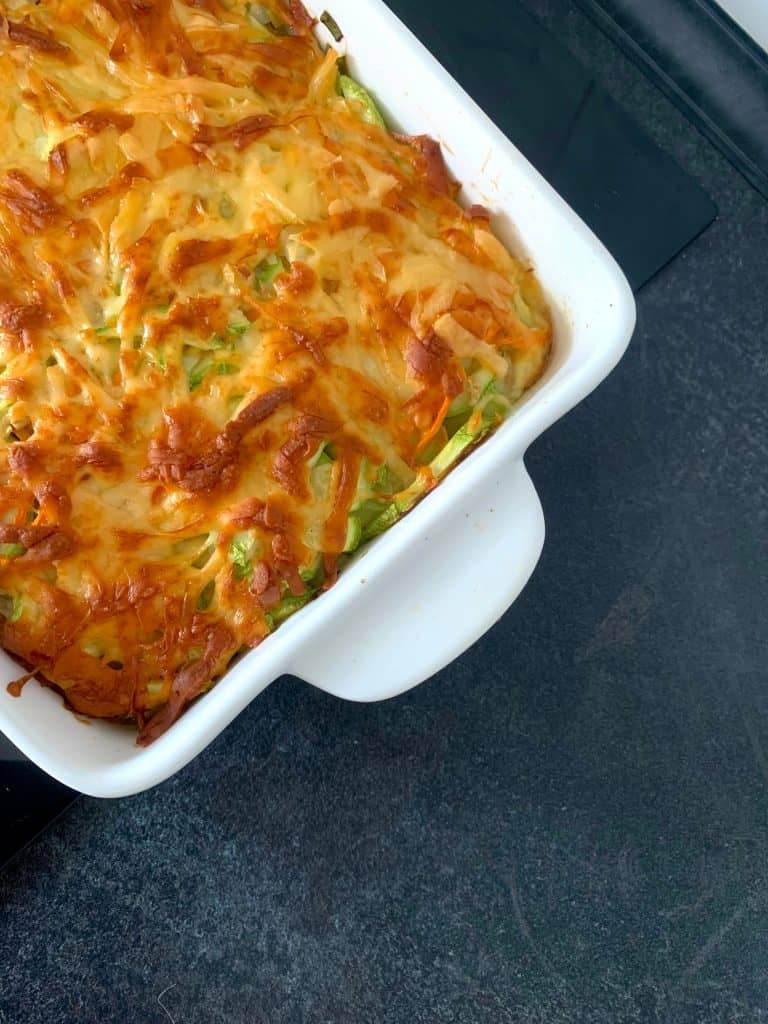
EGG CASSEROLE ALTERNATIVE (Makes 12 Servings):
If you don’t want to make individual bites, or if you’re feeding a crowd, this breakfast casserole uses the same concept but bakes everything together in one pan. I make this when I want bigger portions or when I’m having people over.
What you need:
16 oz shredded hash browns (I use the refrigerated kind, not frozen)
Cooked meat of your choice (sausage, bacon, ham—about 1-1.5 cups)
Vegetables of your choice (peppers, onions, spinach—about 2 cups total)
8 eggs
1 cup cottage cheese
1-2 cups shredded cheese (for topping)
Salt and pepper
How to make it:
Preheat oven to 425°F. Grease a 9×13 baking pan.
Layer the hash browns evenly across the bottom of the pan. This creates a crispy crust.
Add a layer of your cooked meat and vegetables. Spread them evenly over the hash browns.
In a bowl, whisk the eggs together with the cottage cheese until well combined. Season with salt and pepper.
Pour the egg and cottage cheese mixture over the meat and vegetables. It should cover everything.
Top with shredded cheese—as much or as little as you like. I usually use about 1-1.5 cups.
Bake at 425°F for 25-30 minutes, or until the eggs are completely set in the center. The top should be golden and the hash browns crispy.
Let it cool for about 10 minutes, then slice into 12 squares.
Store in individual grab-and-go containers. These last 5 days in the fridge.
Why I love the casserole:
It’s heartier than the egg bites. The hash browns add substance and make it feel like a real meal. Plus, it’s easier to make one big pan than fill 12 individual muffin cups when I’m tired. My family loves this version.
Reheating the casserole:
Microwave for 90 seconds to 2 minutes, or heat in a 350°F oven for about 15 minutes if you want it crispy again.
Why this beats a protein bar:
A typical protein bar has 15-20g protein with 15+ grams of sugar and a bunch of processed ingredients. Two of these egg bites give you about 16-18g of protein from real eggs and cottage cheese, plus vegetables you can actually see. One square of the casserole has similar protein, plus the hash browns keep you full even longer.
Recipe #2: High-Protein Overnight Oats
I resisted overnight oats for years because they seemed mushy and weird. Then I figured out the right formula, and now I make them every week.
This isn’t your basic overnight oats recipe. This is the high-protein version that actually keeps me full until lunch. With Greek yogurt, protein powder, chia seeds, and nut butter, you’re getting serious nutrition.
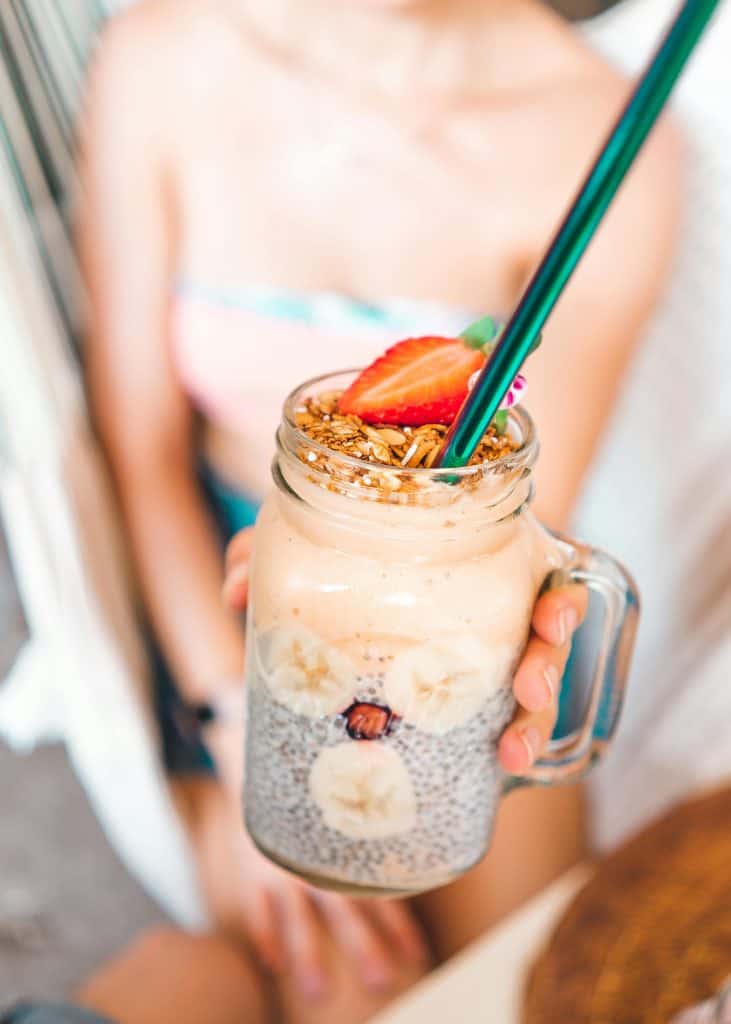
HIGH-PROTEIN OVERNIGHT OATS FORMULA:
1/2 cup rolled oats (use old-fashioned, not quick oats)
1 scoop protein powder (vanilla, chocolate, or peanut butter flavor)
1 tablespoon chia seeds
1/2 cup plain Greek yogurt
1/2 cup milk of your choice (I use unsweetened almond milk or whole milk)
1 tablespoon nut butter (almond, peanut, or cashew butter)
Optional: 1 teaspoon maple syrup or honey (if you want it sweeter)
Top with 1/2 cup berries when serving
Why this formula is different.
Most overnight oats recipes give you maybe 10g of protein. This version? You’re getting 30-35g of protein from the combination of Greek yogurt, protein powder, chia seeds, and nut butter. It’s basically a protein shake you can eat with a spoon.
How to make them:
Mix the oats, protein powder, and chia seeds in a jar or container. Stir the dry ingredients together first.
Add the Greek yogurt, milk, and nut butter. Stir really well. The protein powder can clump if you don’t mix it thoroughly.
Taste it. If you want it sweeter, add maple syrup or honey. I usually skip the sweetener because the nut butter and protein powder add enough flavor.
Cover and refrigerate overnight, or at least 4 hours.
In the morning, stir well (it will have thickened considerably). Top with fresh or frozen berries.
Eat cold, or microwave for 60 seconds if you prefer it warm.
The secret to good texture:
The ratio matters. With the protein powder and Greek yogurt, you need the right amount of liquid. Too much and they’re soupy. Too little and they’re like cement. The 1/2 cup of milk is perfect. Stir really well before refrigerating. Don’t skip the chia seeds—they absorb liquid overnight and add great texture plus omega-3s.
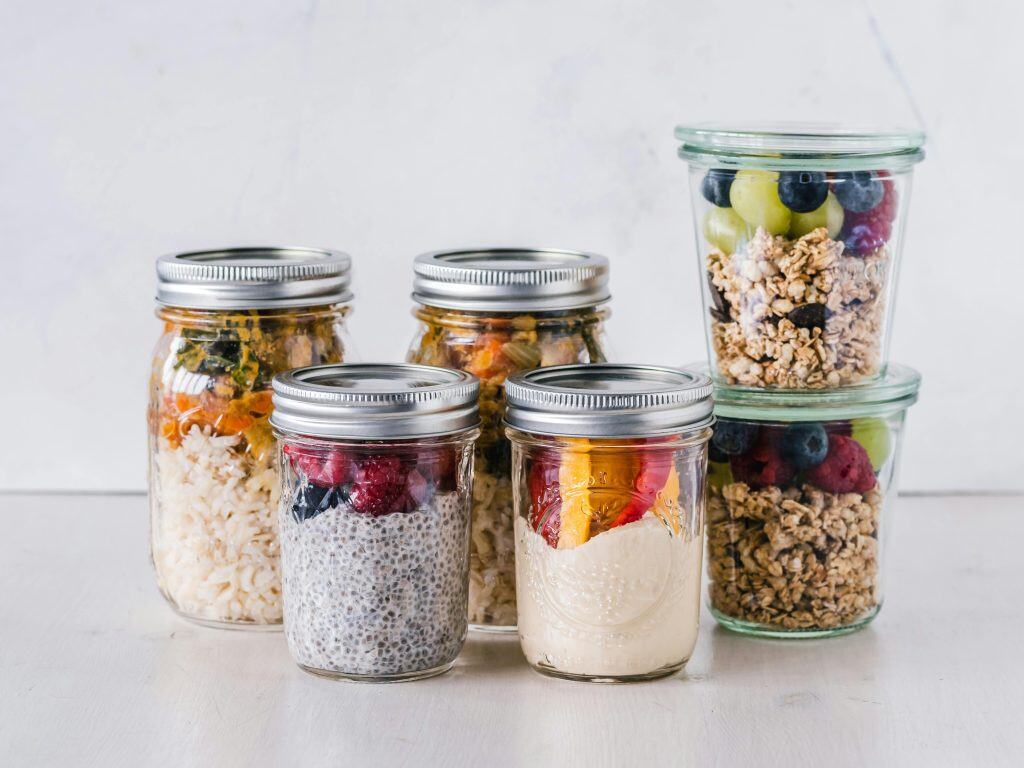
Flavor Variations:
Chocolate Peanut Butter:
Use chocolate protein powder, peanut butter, top with sliced banana and a few dark chocolate chips
Vanilla Berry:
Use vanilla protein powder, almond butter, top with mixed berries
Peanut Butter Banana:
Use peanut butter protein powder (or vanilla), peanut butter, mix in 1/2 mashed banana before refrigerating, top with sliced banana and chopped walnuts
The protein breakdown:
Here’s roughly what you’re getting:
Protein powder: 20-25g protein
Greek yogurt: 10-12g protein
Chia seeds: 2g protein
Nut butter: 3-4g protein
Oats: 5g protein
Total: 30-35g protein in one breakfast. That’s more than most people get in their entire breakfast and lunch combined.
Time-saving tip:
I make 3-4 jars on Sunday night. The dry ingredients (oats, protein powder, chia seeds) and wet ingredients (yogurt, milk, nut butter) go in at the same time. Grab one each morning all week. Takes 10 minutes total to prep all of them.
Recipe #3: Protein Smoothies with Collagen
I used to buy those bottled protein smoothies from the store. Convenient, sure. But full of added sugars, thickeners, and preservatives. See my ‘How to Make Clean Eating Smoothies‘ blog article.
Making your own takes literally 2 minutes and costs half as much. Plus, with the right formula, you’re getting serious protein, healthy fats, and collagen for skin, hair, and joint health.
BASIC PROTEIN SMOOTHIE FORMULA:
1 cup liquid (unsweetened almond milk, coconut milk, or regular milk)
1 scoop (30g) protein powder (I use vanilla or chocolate whey, or unflavored bone broth protein)
20g unflavored collagen powder
1 cup frozen fruit (this makes it thick and cold without ice)
1 handful spinach or kale (you won’t taste it, I promise)
1 tbsp healthy fat (nut butter, avocado, or chia seeds)
Optional: 1/4 cup Greek yogurt for extra creaminess and protein
Why I add both protein powder AND collagen:
The protein powder gives you muscle-building protein (20-25g). The collagen powder adds another 20g of protein specifically for skin elasticity, hair health, and joint support. Together, you’re getting 40-50g of total protein plus collagen benefits.
I noticed a difference in my skin and hair after adding collagen daily. As a nurse in my 60s, I can tell you that collagen matters.
How to make them:
Put everything in the blender. Liquid first helps it blend smoothly.
Add the collagen powder and protein powder. They blend in easily when mixed with liquid first.
Add frozen fruit, greens, and your healthy fat.
Blend on high for 30-60 seconds until completely smooth.
Pour into a glass or a travel cup with a lid.
Drink immediately or store in the fridge for up to 24 hours (shake before drinking).
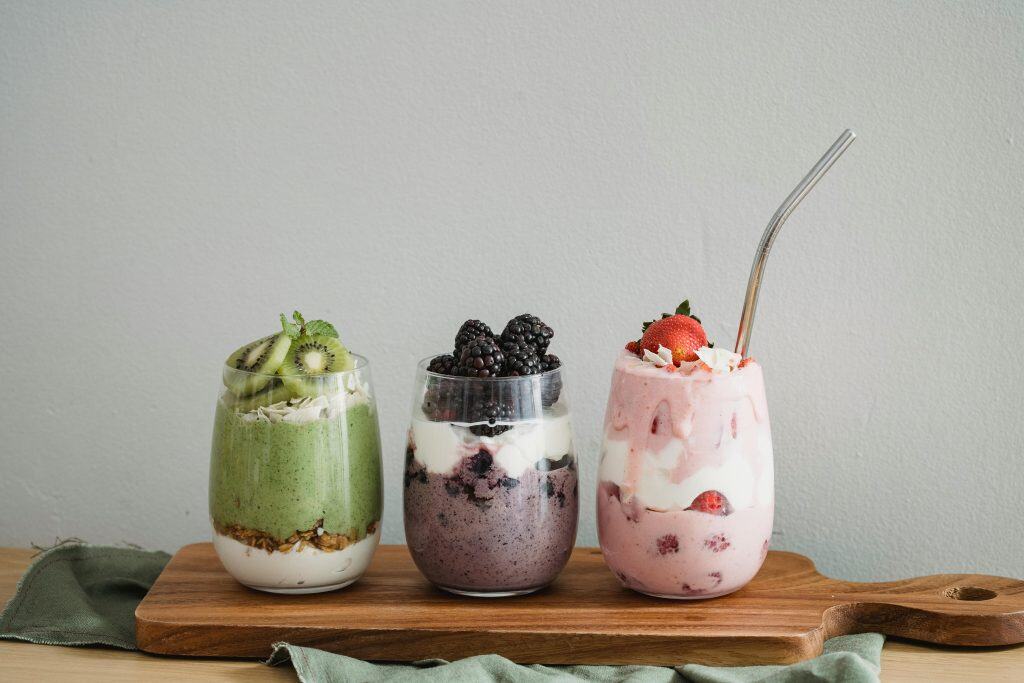
Formula #1: Green Machine
1 cup unsweetened almond milk
1 scoop vanilla protein powder (30g)
20g unflavored collagen powder
1 cup frozen pineapple
1 big handful spinach
1 tbsp almond butter
1/4 avocado (makes it creamy)
Why I love it: You cannot taste the spinach or the collagen. The pineapple covers everything. The avocado makes it thick and creamy like a milkshake. This one keeps me full until lunch and has about 45g total protein.
Formula #2: Berry Blast
1 cup coconut milk
1 scoop vanilla protein powder (30g)
20g unflavored collagen powder
1/2 cup frozen strawberries
1/2 cup frozen blueberries
1/4 cup Greek yogurt
1 tbsp chia seeds
Why I love it: The Greek yogurt makes it thick like a milkshake. About 50g protein total when you include the yogurt.
Formula #3: Chocolate Peanut Butter
1 cup whole milk (or cashew milk)
1 scoop chocolate protein powder (30g)
20g unflavored collagen powder
1 frozen banana
1 tbsp natural peanut butter
1 tbsp cocoa powder
1 handful spinach (optional)
Why I love it: Tastes like a Reese’s cup. My go-to when I want something sweet. The frozen banana makes it thick and adds natural sweetness. About 45g protein total.
About unflavored collagen:
Unflavored collagen powder has zero taste. You literally cannot detect it in smoothies. I use it in my smoothies every single day. It dissolves completely and doesn’t change the texture.
Time-saving hack:
I prep smoothie bags on Sunday. Put all the frozen fruit, spinach, and any other add-ins in individual bags or containers. In the morning, dump one bag in the blender with liquid, protein powder, and collagen powder. Blend and go. Takes 90 seconds total.
The Smart Swaps: Replacing Processed Breakfast Items
SWAP #1: Protein Bars → Real Food
What’s wrong with most protein bars:
I used to eat these every day. Then I actually read the label on my ‘healthy’ protein bar. Here’s what I found: soy protein isolate (highly processed), maltitol (fake sugar that causes digestive issues), palm kernel oil, and about 15 ingredients I couldn’t identify. Even the ‘clean’ protein bars at health food stores often have sketchy ingredients or cost $3+ each.
The clean eating alternative:
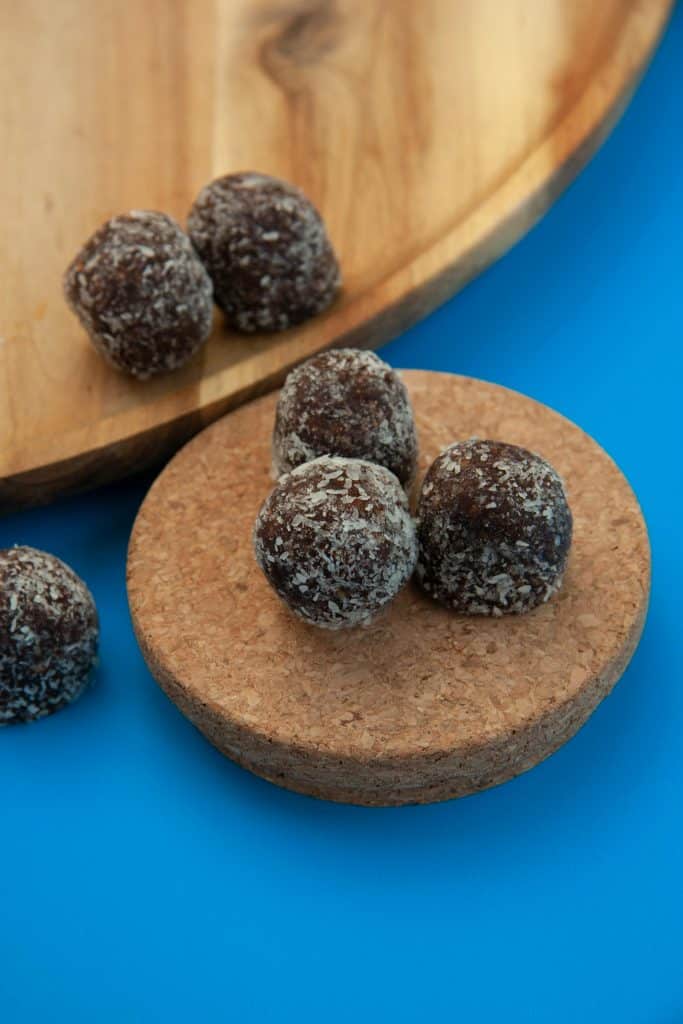
Option 1: Make energy balls. Mix 1 cup dates, 1 cup nuts, 1 scoop protein powder (20g), 2 tbsp cocoa powder, 1 tbsp chia seeds in a food processor. Roll into 10 balls. Each ball has about 5 g of protein. Keep in the fridge.
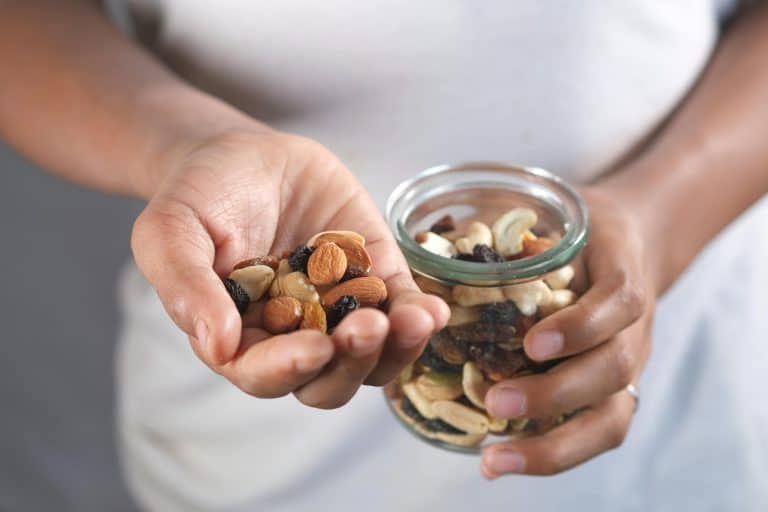
Option 2: Just eat actual food. Two hard-boiled eggs and an apple (about 14 g protein). A handful of almonds and a banana (about 8g protein). 1c Greek yogurt with 1/2c berries (about 20g protein).
Option 3: Grab a square of my breakfast casserole or a jar of my high-protein overnight oats. The overnight oats have 30-35g of protein from real ingredients—way more than any protein bar.
SWAP #2: Bottled Protein Drinks → Homemade Smoothies
What’s wrong with bottled protein drinks:
Those Muscle Milk and Premier Protein bottles in the cooler section? Check the ingredients. Mine had: maltodextrin, cellulose gel, carrageenan, artificial flavors, acesulfame potassium, and sucralose. Your body doesn’t know what to do with most of that stuff. Plus, they’re expensive. Like $3-4 per bottle.
The clean eating alternative:
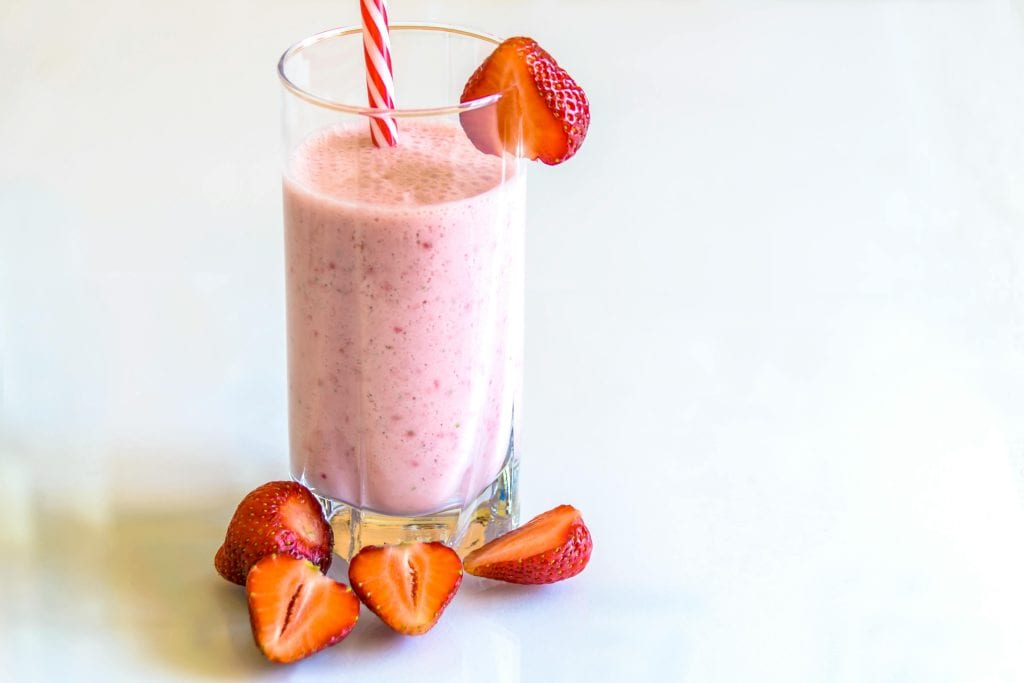
My protein smoothies from Recipe #3 cost about $2 each and have actual food in them. With 30g protein powder plus 20g collagen powder, you’re getting 40-50g of total protein depending on your add-ins. The green machine smoothie has more nutrients than any bottled drink you can buy, plus it keeps me full for 4-5 hours and supports skin and joint health with the collagen.
SWAP #3: Starbucks Lattes → Simple Coffee
What’s wrong with Starbucks lattes:
A grande Starbucks vanilla latte has 35g of sugar. That’s more than a Coke. The bottled Frappuccinos? Same story—loaded with sugar, artificial flavors, and preservatives. I was drinking what I thought was ‘just coffee’ and getting the sugar equivalent of candy.

The clean eating alternative:
Make coffee at home. Add a splash of real cream or milk (not flavored creamer full of junk). If you want it sweet, use a tiny bit of maple syrup or honey—like 1 teaspoon, not 4 pumps of syrup.
My routine: Black coffee with a splash of heavy cream. Simple, clean, and I actually taste the coffee instead of sugar.
The protein coffee hack: Blend my morning coffee with a scoop of vanilla protein powder, collagen powder, and ice. Tastes like a Frappuccino, has 40-50g protein, costs about $1.
Putting It All Together: Your Weekly Breakfast System
Here’s exactly what I do every Sunday to set myself up for successful mornings all week:
Sunday Prep (90 minutes total):
Make a batch of cottage cheese egg bites OR the breakfast casserole (30-40 minutes active time, 25-30 minutes baking).
Prep 3-4 jars of high-protein overnight oats (10 minutes total).
Hard-boil a dozen eggs (10 minutes active time, let them cook while doing other things).
Optional: Make a batch of oat bars or energy balls (20 minutes).
Prep smoothie bags if I’m in a smoothie phase (10 minutes).
Monday-Friday Rotation:
Monday/Wednesday/Friday: Two egg bites (or one casserole square) + fruit
Tuesday/Thursday: High-protein overnight oats
Any day I’m rushed: Smoothie with protein powder and collagen, or hard-boiled eggs with fruit
Weekends: I actually have time to make fresh scrambled eggs or an omelet
The 5-minute backup plan:
Even with prep, life happens. Some mornings I oversleep or just don’t have it together. My emergency clean eating breakfast: Two hard-boiled eggs (already made), an apple, and a handful of almonds. Takes literally 30 seconds to grab. Still way better than stopping for a protein bar and a latte.
What I keep stocked:
Eggs (always)
Cottage cheese (for egg bites and casserole)
Hash browns (for casserole)
Frozen fruit for smoothies
Rolled oats
Plain Greek yogurt
Protein powder (30g scoop)
Unflavored collagen powder
Chia seeds
Nut butter (almond, peanut, cashew)
Fresh fruit and berries
Shredded cheese
The Real Talk: What Actually Changed
I’m not going to tell you clean eating breakfast gave me endless energy and changed my life overnight. That’s not how this works.
Here’s what actually changed:
My 10 AM crash disappeared.
I used to need another coffee and a snack by mid-morning. Now I’m genuinely not hungry until lunch. That’s what happens when you eat real protein and fat instead of sugar disguised as healthy food. Those high-protein overnight oats with 30-35g of protein? I stay full for 5+ hours.
I stopped spending $8-10 every morning.
Between the coffee shop and the protein bar, I was dropping serious money on breakfast. Now I spend maybe $2 per day making my own. That’s over $150 a month back in my pocket.
My energy is steadier.
I’m a nurse—I’m on my feet all day. I used to drag by afternoon. Now I have consistent energy because my blood sugar isn’t on a roller coaster.
My skin and hair improved.
After adding collagen powder to my daily smoothies for about 3 months, I noticed my skin looked better and my hair felt stronger. At my age, every little bit helps.
I actually enjoy breakfast again.
Those egg bites with ham and peppers? I look forward to them. The breakfast casserole with crispy hash browns? It’s legitimately delicious. The chocolate peanut butter overnight oats? Tastes like dessert but keeps me satisfied all morning.
I’m not perfect. Some mornings I still grab whatever’s easy. But most days, I’m eating real food that keeps me satisfied and focused.
The goal isn’t perfection. It’s having systems that make the healthy choice the easy choice.
These three recipes and four swaps? They’re my system. They work on busy mornings, they taste good, and they’re made from food my body actually recognizes.
That’s clean eating breakfast in real life.
Call-to-Action
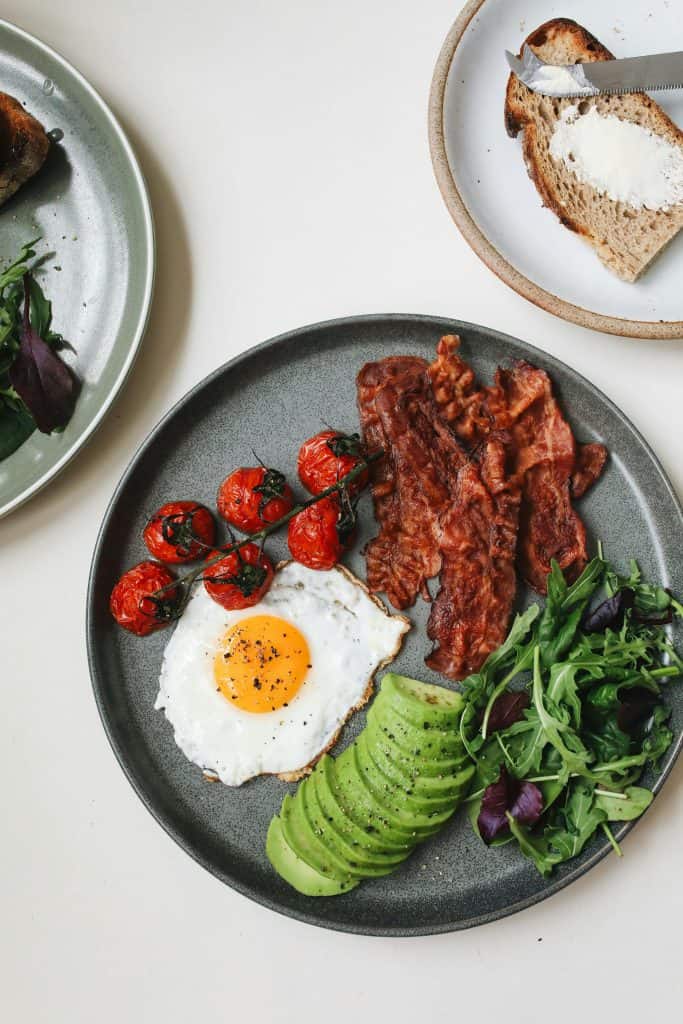
Clean eating breakfast doesn’t mean waking up an hour early to make some complicated recipe. It means making simple swaps and having a few go-to recipes you can prep ahead.
Start with one thing this week. Make a batch of cottage cheese egg bites on Sunday. Or try the breakfast casserole if you want something heartier. Make a jar of high-protein overnight oats. Blend a smoothie with protein powder and collagen instead of buying one.
You don’t need to overhaul everything at once. Just pick the processed item you reach for most often and find a real-food replacement.
Your body will notice the difference faster than you think. Steadier energy, better focus, and you’ll actually stay full until lunch.
Real food, real simple.