Cheap Clean Eating: 25 Best Affordable Whole Foods to Buy

One of the biggest myths I’ve heard over the years is that eating healthy costs a fortune. I’m here to put that myth to rest for good. Some of the most nutritious, clean foods on the planet are also some of the cheapest foods at your grocery store.
I grew up in Vermont, where real food wasn’t a trend — it was just how we ate. My family shopped at a co-op and filled our cart with dried beans, whole grains, seasonal produce, and eggs. Nobody had a “wellness budget.” We just bought food that actually was food.
That same practical mindset is what I bring to cheap, clean eating today. And today I’m giving you my nurse-approved list of the 25 best affordable whole foods to build your clean eating lifestyle around — without spending a fortune.
Every food on this list is minimally processed, genuinely nutritious, and budget-friendly. I’ll tell you what to look for, how much to expect to pay, and the best ways to use each one. Let’s get into it.
This post contains affiliate links, meaning I may receive a commission if you click on a link and make a purchase.
What Makes a Whole Food “Clean”?
Before we get to the list, let’s get clear on what we mean by whole foods and clean eating — because a lot of marketing out there tries to blur those lines.
A whole food is as close to its natural state as possible. It hasn’t been heavily processed, loaded with additives, or stripped of its fiber and nutrients. Think: an oat, not an oat-flavored granola bar. A sweet potato, not sweet potato chips. A chicken thigh, not a chicken nugget.
Clean eating means building your diet around these whole, minimally processed foods — and that’s where the budget magic happens. The less processing a food undergoes, the cheaper it is per serving. Whole Foods skips the expensive packaging, marketing, and manufacturing that drive up the cost of processed products.
The cleanest foods are often the cheapest. A one-pound bag of dried lentils costs around $2.00 and contains about 10 servings of protein-rich, fiber-packed nutrition. That’s 20 cents a serving. You simply cannot beat that.
The 25 Best Affordable Whole Foods for Cheap Clean Eating
I’ve organized these into five categories to make shopping and meal planning easier. For each food, I’ve included an approximate cost per serving and the key reasons it earns a spot on your clean eating shopping list.
Cost increases as you move from generic/store brands to name brands to organic products. Cost per serving decreases if you choose bulk-size options.
Shop at Aldi, Walmart, local grocery store sales, and Costco/Sam’s Club for the best deals.
CATEGORY 1: WHOLE GRAINS & COMPLEX CARBS
| Whole Food | Cost / Serving | Why It’s a Clean Eating Star | Best Used For |
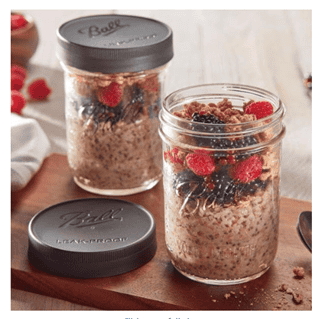
| Rolled Oats | ~$0.15-0.35 | High fiber, no added sugar, slow-burning energy. One of the most nutrient-dense breakfast options available. | Overnight oats, stovetop oatmeal, baked oat muffins |
| Rice | ~$0.02-0.10 | Whole grain with fiber intact. Provides steady energy and pairs with almost any clean protein or vegetable. | Rice bowls, stir-fries, soups, and meal prep base |
| Quinoa | ~$0.30-0.70 | Complete protein — contains all 9 essential amino acids. Higher in protein than most grains. | Grain bowls, salads, breakfast porridge |
| Barley | ~$0.10-0.40 | One of the highest-fiber grains available. Supports digestive health and blood sugar balance. | Soups, stews, grain salads |
| Pasta | ~$0.15-0.25 | More fiber and nutrients than white pasta. Satisfying and versatile for clean eating meals. | Pasta dishes, cold pasta salads |
CATEGORY 2: LEGUMES & PLANT PROTEINS
| Whole Food | Cost / Serving | Why It’s a Clean Eating Star | Best Used For |
| Dried Lentils | ~$0.15-0.20 | High in protein and fiber, rich in iron and folate. Cook fast (no soaking needed) and absorb flavor beautifully. | Soups, stews, curries, lentil salads |
| Dried Black Beans Canned Black Beans | ~$0.18 ~0.34-0.45 | Excellent plant protein, loaded with antioxidants and fiber. Supports heart health and blood sugar stability. | Tacos, burrito bowls, soups, salads |
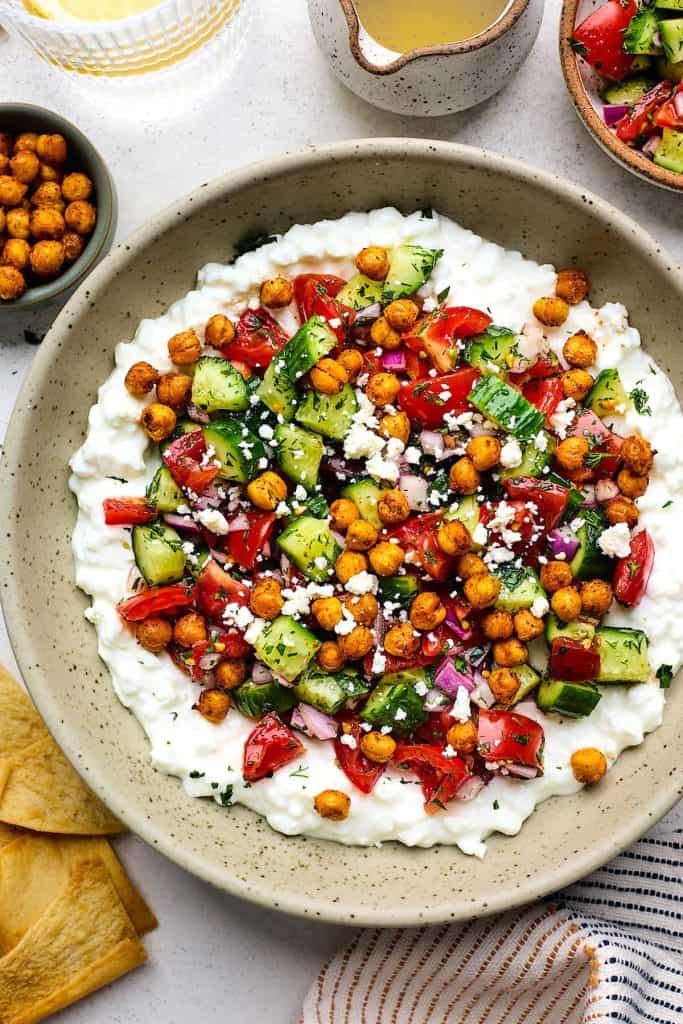
| Canned Chickpeas | ~$0.35-0.50 | Versatile, fiber-rich protein source. High in manganese and folate. | Roasted snacks, hummus, curries, grain bowls |
| Dried Split Peas | ~$0.10-0.20 | One of the cheapest protein sources per gram available. High in fiber and slow-digesting. | Split pea soup, dahl, stews |
| Edamame (Frozen) | ~$0.40 | Complete plant protein, rich in vitamins K and C, and a good source of omega-3 fatty acids. | Snacking, stir-fries, grain bowls, salads |
CATEGORY 3: AFFORDABLE CLEAN PROTEINS
| Whole Food | Cost / Serving | Why It’s a Clean Eating Star | Best Used For |
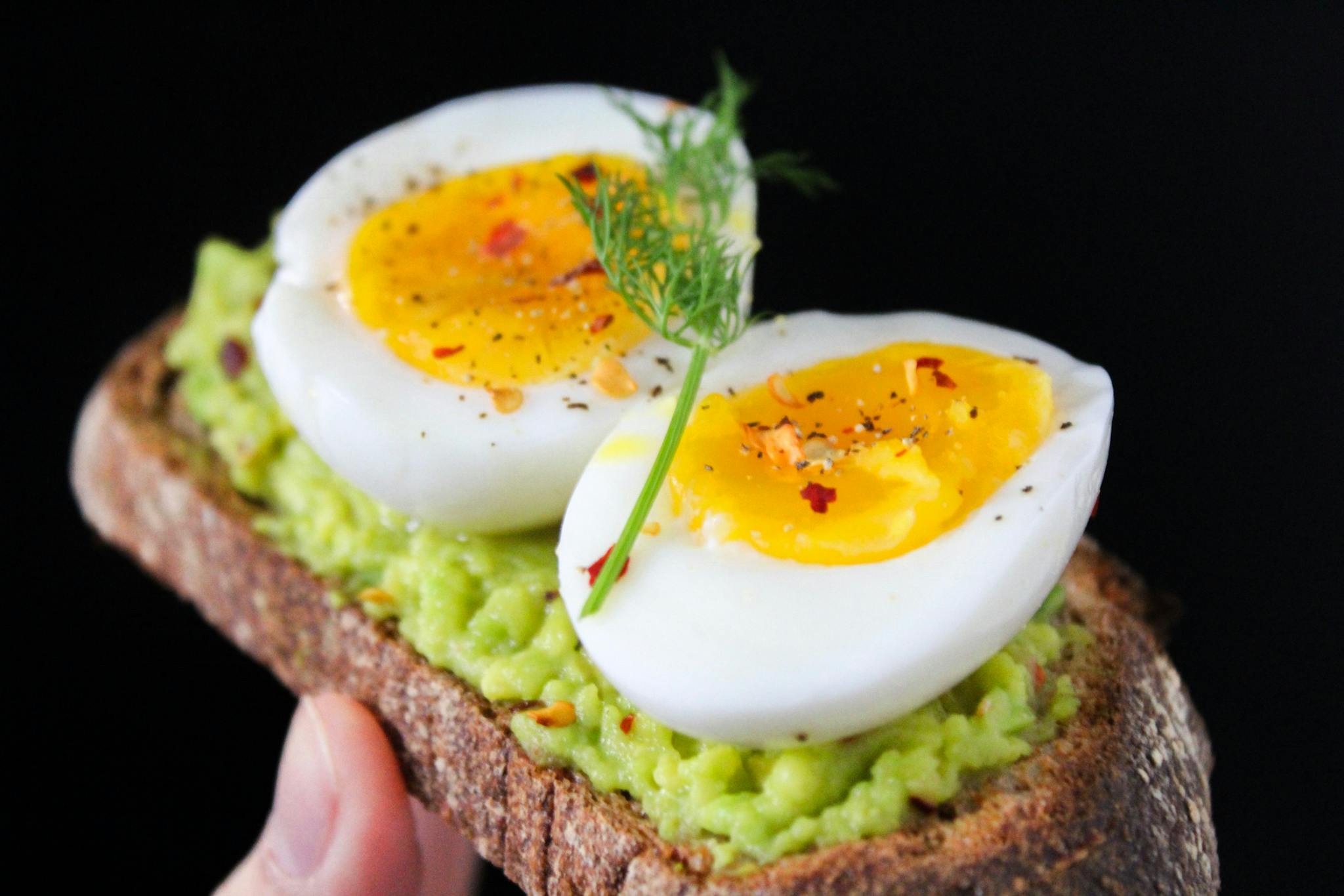
| Whole Eggs (1) | ~$0.20-0.50 each | One of the most complete and affordable proteins in existence. Packed with choline, vitamin D, and healthy fats. | Scrambled, hard-boiled, frittatas, baked dishes |
| Chicken Thighs (4oz) | ~$1.50 | More affordable than breasts, higher in iron and zinc, and far more flavorful. Clean protein powerhouse. | Baked, roasted, slow-cooked, stir-fried |
| Canned Tuna | ~$0.75-1.30 | Lean protein with omega-3 fatty acids. Quick, no-cook clean protein option. Choose water-packed. | Salads, wraps, tuna patties, pasta |
| Canned Salmon | ~$1.50-4.00 | Rich in omega-3s, calcium, and vitamin D. Wild-caught is the clean choice when available. | Salmon patties, salads, pasta, grain bowls |
| Plain Greek Yogurt | ~$1.00-1.30 | High protein, rich in probiotics that support gut health. Choose plain to avoid added sugars. | Breakfast bowls, smoothies, dips, salad dressings |
CATEGORY 4: VEGETABLES (FRESH & FROZEN)
| Whole Food | Cost / Serving | Why It’s a Clean Eating Star | Best Used For |
| Cabbage | ~$0.20–0.30 | Incredibly affordable, high in vitamin C and K. Anti-inflammatory and versatile raw or cooked. | Slaws, stir-fries, soups, roasted wedges |
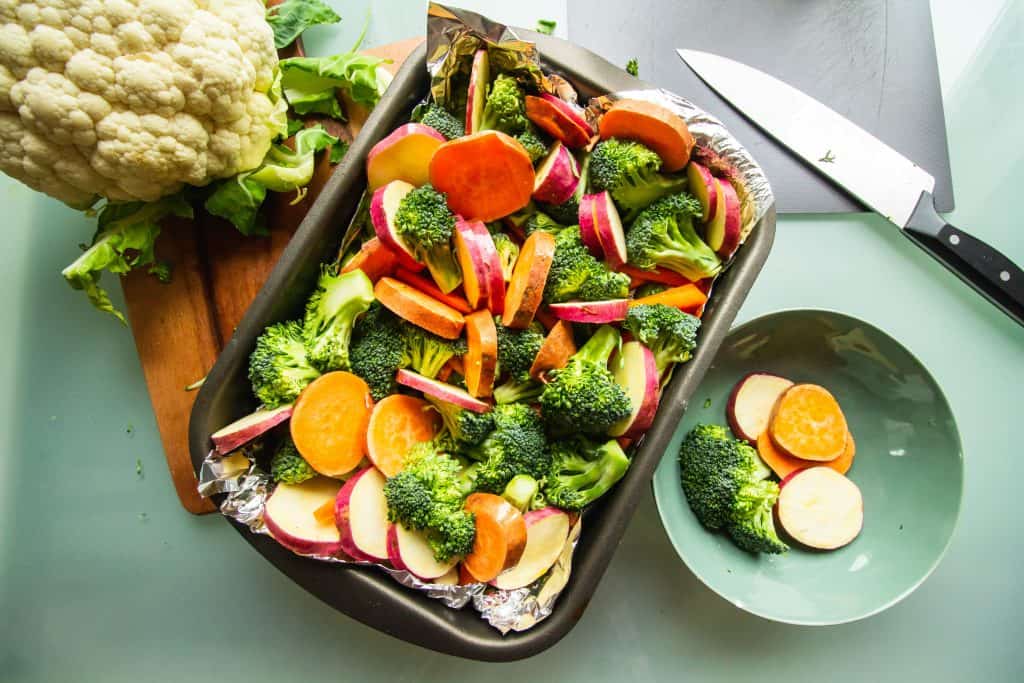
| Sweet Potatoes | ~$0.40-0.60 | Rich in beta-carotene, fiber, and potassium. One of the most nutrient-dense vegetables per dollar. | Roasted, baked, mashed, added to soups |
| Frozen Broccoli | ~$0.28-0.70 | Picked at peak nutrition and flash-frozen. Often more nutritious than fresh broccoli that’s been sitting. | Steamed, roasted, stir-fried, added to pasta |
| Frozen Spinach | ~$0.25-0.60 | Concentrated source of iron, folate, and vitamins A and K. Freezing preserves nutrition fully. | Smoothies, soups, egg dishes, pasta sauces |
| Carrots | ~$0.25 | High in beta-carotene, fiber, and vitamin K. Long shelf life makes them a pantry-friendly clean eating staple. | Snacking, roasting, soups, stews, stir-fries |
| Frozen Mixed Vegetables | ~$0.30-0.50 | Convenience and nutrition in one bag. Great for quick meals with no prep time required. | Stir-fries, soups, fried rice, quick sides |
CATEGORY 5: FRUITS, FATS & PANTRY STAPLES
| Whole Food | Cost / Serving | Why It’s a Clean Eating Star | Best Used For |
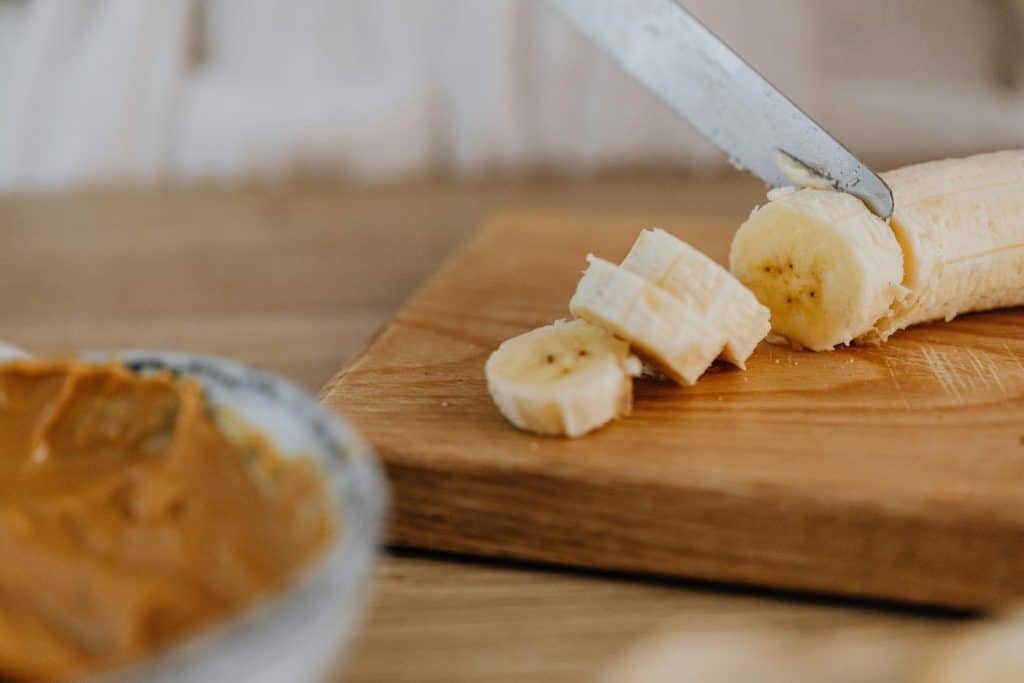
| Bananas | ~$0.20-0.25 | Natural sweetness, high in potassium and vitamin B6. One of the cheapest clean fruits available. | Smoothies, oatmeal topping, snacking, baking |
| Frozen Mixed Berries | ~$0.80-1.50 | Antioxidant powerhouses. Frozen at peak ripeness so nutrition is fully intact year-round. | Smoothies, overnight oats, yogurt bowls |
| Natural Peanut Butter (2Tab) | ~$0.25-0.40 | Healthy fats, plant protein, and staying power. Choose varieties with just peanuts (and maybe salt). | Smoothies, oatmeal, toast, sauces, energy bites |
| 1 Tab Olive Oil (Extra Virgin) | ~$0.20–0.40 | Heart-healthy monounsaturated fats, rich in antioxidants. A cornerstone of clean eating cooking. | Roasting, sautéing, salad dressings, drizzling |
| Canned Diced Tomatoes | ~$0.30-0.50 | Lycopene-rich, versatile, and shelf-stable. No-prep vegetable that forms the base of countless clean meals. | Soups, stews, sauces, shakshuka, chilis |
How to Build a Pantry Around These Foods
Having these 25 foods in your kitchen means you’re never more than 20–30 minutes away from a clean, satisfying meal. Here’s how I recommend building your pantry in stages if your budget is tight:
Start with the “Core Five” (Week 1)
If you’re just getting started and working with a tight budget, begin here. These five foods form the foundation of dozens of clean meals:
- Rolled oats
- Dried lentils or canned beans
- Eggs
- Frozen vegetables (broccoli or mixed)
- Brown rice or whole wheat pasta
With just these five items, you can make oatmeal for breakfast, lentil soup for lunch, and a rice-and-veggie bowl with eggs for dinner — all for under $3.50 per day.
Add These in Week 2
- Chicken thighs
- Sweet potatoes
- Frozen berries
- Natural peanut butter
- Canned diced tomatoes
Fill In the Rest Over Time
You don’t have to stock everything at once. Add a few new items each week as you build your clean-eating pantry. Quinoa, canned salmon, and edamame are a little pricier but worth adding once you have the basics covered.
Smart Shopping Tips for These Foods
Buy Dried Over Canned When You Can
Dried beans and lentils are almost always cheaper per serving than canned versions. The trade-off is cook time — dried beans need soaking and a longer cook time. My workaround: cook a big batch on Sunday and use them all week. Lentils don’t even need soaking and cook in about 20 minutes, which makes them a great weekday protein.
Frozen Is Your Friend
Don’t let anyone convince you that frozen produce is inferior. The research consistently shows that frozen vegetables and fruits — picked and frozen at peak ripeness — retain their vitamins and minerals just as well as, and sometimes better than, their fresh counterparts that have traveled hundreds of miles and sat on store shelves for days. I have a full breakdown in my Frozen vs. Fresh article if you want the details.
Buy in Bulk for Grains and Legumes
Oats, brown rice, lentils, and dried beans are all excellent candidates for bulk buying. A 10-pound bag of oats or a 5-pound bag of dried lentils from a warehouse store or bulk bin will cost significantly less per serving than smaller packages. These foods store for 1–2 years in a cool, dry pantry, so stocking up makes sense.
Check the Store Brand First
For canned goods, frozen vegetables, oats, and pantry staples, the store brand is almost always your best bet. In many cases, the same manufacturer makes both the name brand and the store brand. You’re paying for marketing, not quality, when you go name-brand on basics like canned tomatoes, frozen spinach, or rolled oats.
Prioritize Organic Wisely
I follow the 80/20 rule with organic: I buy it when I can, but I don’t stress when I can’t. When budget is a concern, I use the EWG’s Dirty Dozen list to decide which produce items are worth the organic premium. For the foods on this list — especially frozen produce, grains, and legumes — conventional is almost always fine.
Putting It All Together: A Sample Week
Here’s a quick example of how these 25 foods come together into a full week of clean eating meals:
| Day | Breakfast | Lunch | Dinner |
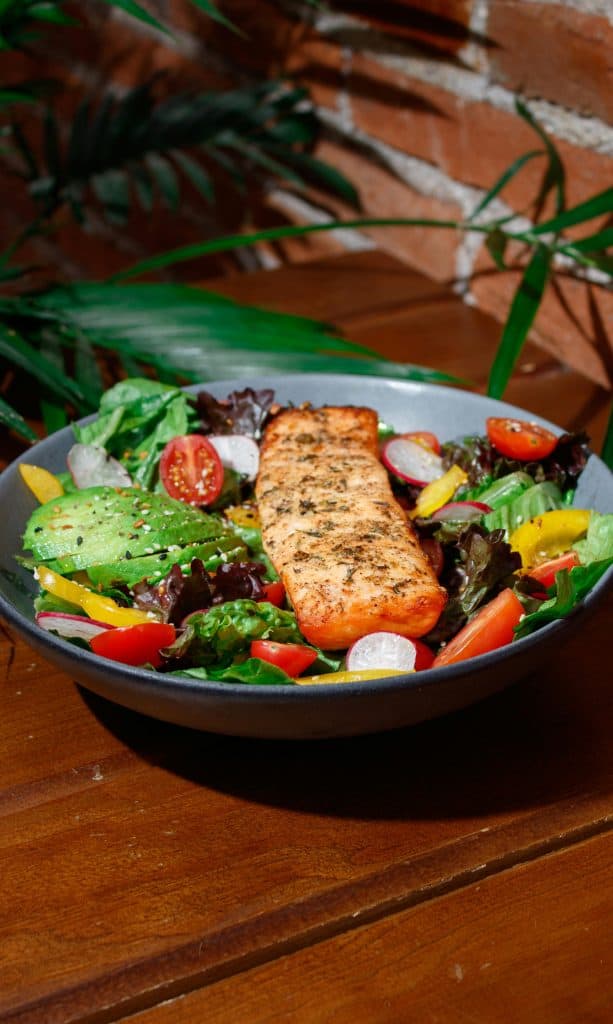
| Day 1 | Eggs + fresh fruit | Salmon + Cabbage Slaw | Roast chicken + rice + veggies |
| Day 2 | Overnight oats + berries | Leftover roast chicken rice bowl | Lentil Soup + Rice |
| Day 3 | Eggs + fresh fruit | Leftover Lentil Soup + Rice | Pasta + Edamame + Veggies |
| Day 4 | Overnight oats + berries | Leftover Pasta | Chicken + Black Beans + Rice |
| Day 5 | Yogurt bowl + banana + nut butter | Salmon + Sweet potato | Pasta + Chicken |
See how many different meals you can build from the same short list of ingredients? That’s the beauty of a well-stocked, clean-eating pantry. The variety comes from how you combine and season these foundations — not from buying a dozen different specialty foods.
Bottom Line: I’ve watched what people eat shape their health more than almost any other single factor. You don’t need exotic superfoods or an expensive health food store to make meaningful, lasting changes. These 25 affordable whole foods are where I’d tell every patient — and every reader — to start. Real food. Real results. Real budget.
Frequently Asked Questions
What are the cheapest clean-eating foods?
The cheapest clean eating foods per serving include rolled oats (~$0.35), dried lentils (~$0.20), dried split peas (~$0.12), rice (~$0.20), cabbage (~$0.20), and frozen spinach (~$0.60). These staples deliver excellent nutrition at minimal cost and form the backbone of any budget clean eating plan.
Is eating whole foods expensive?
Not when you focus on unprocessed staples. The most expensive whole foods tend to be specialty items like fresh wild-caught fish or organic berries. But the foundational whole foods — grains, legumes, frozen produce, eggs, and basic vegetables — are among the most affordable foods in any grocery store.
Can I eat clean without buying organic?
Yes, absolutely. Organic is a nice bonus when budget allows, but it’s not a requirement for clean eating. Focus first on eliminating ultra-processed foods and adding more whole foods to your plate. Use EWG’s Dirty Dozen list to guide organic purchases if and when you choose to make them.
How do I start clean eating on a tight budget?
Start with the “Core Five” I outlined above — oats, lentils or beans, eggs, frozen vegetables, and a whole grain like brown rice or whole wheat pasta. Build your pantry from there over several weeks. Check out my article on how to eat clean on $75 a week for a complete shopping list and meal plan approach.
You can do this – let’s stock your clean-eating pantry. One simple step at a time!