How to Eat Clean on $75 a Week (Yes, it’s possible!)

As a nurse with 37 years of experience, I’ve seen firsthand how what we put on our plates affects how we feel every single day. But one of the questions I hear most often is this: “Kelli, can I really eat clean without breaking the bank?” My answer is always yes — and I’m going to show you exactly how.
Let’s be honest. The moment someone hears “clean eating,” they picture $9 cold-pressed juices and a shopping cart full of organic everything. I get it. That image is everywhere. But it’s not the reality of how most of us eat — and it’s definitely not what clean eating has to mean.
I grew up in Vermont, where my family shopped at a food co-op and ate real food because that’s what we had. Whole grains, dried beans, seasonal vegetables, milk from local farms. Nobody called it “clean eating” back then. We just called it dinner. And we did it on a tight budget.
Today I want to bring that same practical, no-nonsense approach to your grocery cart. This guide will show you how to eat clean on $75 a week — with a real shopping list, smart strategies, and a little planning. Let’s dig in.
This post contains affiliate links, meaning I may receive a commission if you click on a link and make a purchase.

What Does “Eating Clean” Actually Mean?
Before we talk money, let’s get clear on what clean eating actually is — because I think a lot of people make it harder than it needs to be.
At its core, clean eating means choosing whole, minimally processed foods and cutting out (or cutting back on) the ultra-processed stuff loaded with added sugars, artificial ingredients, and refined grains. It’s not a diet. It’s a way of eating that supports your body with real nutrition.
And here’s the thing: whole, unprocessed foods are actually some of the cheapest foods at the grocery store. We’re talking dried beans, oats, eggs, cabbage, sweet potatoes, and frozen vegetables. These are pantry staples that are gentle on your wallet and your waistline.
Clean eating tip: The less processed a food is, the cheaper it usually is per serving. A bag of dried lentils costs about $1.90 and makes 6–8 servings. That’s budget-friendly and body-friendly.
Is $75 a Week Realistic for Clean Eating?
Yes — for one person, $75 a week is very doable for clean eating. For a couple or small family, you’ll need to scale up, but the strategies below will stretch every dollar further.
The key is knowing which foods to buy, where to buy them, and how to plan meals so nothing goes to waste. I’ll walk you through all three.
According to the USDA, the average American spends between $75-150 a week on food, eating a standard diet. Clean eating done right can actually cost less than that — because you’re skipping the pricey processed convenience foods and sticking to simple, satisfying ingredients.

The $75 Clean Eating Grocery List
Here’s a sample one-week shopping list built around clean eating principles. Prices are approximate and will vary by region and store, but this gives you a solid framework to start from.
| Food Item | Approx. Cost | Category |
| Rolled oats (2lb container) | $3.50 | Grains |
| Brown rice (2 lb bag) | $3.50 | Grains |
| Dried lentils (1 lb) | $1.50 | Protein / Legumes |
| Canned black beans (x2) | $2.00 | Protein / Legumes |
| Canned chickpeas (x2) | $3.00 | Protein / Legumes |
| Whole eggs (1 dozen) | $3.50 | Protein |
| Boneless chicken thighs (2 lb) | $8.00 | Protein |
| Frozen broccoli (large bag) | $2.50 | Vegetables |
| Frozen spinach (bag) | $2.00 | Vegetables |
| Cabbage (1 head) | $3.50 | Vegetables |
| Sweet potatoes (3 lb bag) | $4.50 | Vegetables / Complex Carbs |
| Bananas (bunch) | $2.00 | Fruit |
| Frozen mixed berries (1lb bag) | $4.00 | Fruit |
| Olive oil (34 ounces) | $15.00 | Healthy Fat |
| Peanut butter (natural, no sugar added, 16 ounce) | $4.00 | Healthy Fat / Protein |
| Canned diced tomatoes (x2) | $3.00 | Pantry |
| Low-sodium chicken broth (32 ounces) | $3.50 | Pantry |
| Garlic (bulb) | $0.75 | Pantry / Flavor |
| Onion (3-pack) | $2.50 | Pantry / Flavor |
| Lemons (1 lb bag) | $2.50 | Flavor / Vitamin C |
| Plain Greek yogurt (32 oz) | $6.25 | Dairy / Protein |
Estimated Total: $81 — trim 1–2 items to land at $75 (olive oil will last you more than a week, so the cost can be shared amongst a few weeks’ worth of grocery shopping.
A few notes on this list: The chicken thighs are one of the most budget-friendly clean proteins you can buy — far more affordable than chicken breasts and just as nutritious. The frozen fruits and vegetables are just as nutritious as fresh (sometimes more so), and they won’t go bad before you use them. More on that when we dig into the frozen vs. fresh debate in another post.
7 Smart Strategies to Make $75 Go Further
1. Plan Your Meals Before You Shop
This is the single biggest thing you can do to stay on budget. Take 15 minutes before you grocery shop and plan out your meals for the week. Know what you’re making for breakfast, lunch, and dinner — and shop only for what you need. Meal planning eliminates those random mid-week runs to the store where you inevitably spend an extra $20 on things you didn’t plan for.
I plan dinners first, then work backward. I figure out which leftovers will become lunch the next day, and then build breakfast around what’s already in the house. My 5-day clean eating meal plan article walks through this exact system if you want a done-for-you version.
2. Build Every Meal Around a Cheap Protein
Protein is the most expensive part of most meals, so choosing budget-friendly clean proteins makes a huge difference. My go-to list:
- Eggs — one of the most nutritious and affordable foods on the planet
- Dried or canned beans and lentils — packed with protein and fiber
- Chicken thighs — far cheaper than breasts, equally nutritious
- Canned tuna or salmon — quick, clean, and affordable
- Plain Greek yogurt — excellent protein for breakfast and snacks
When you base your meals around these proteins instead of expensive cuts of meat, you can feed yourself well for just a few dollars per meal.

3. Embrace Frozen Produce
Frozen vegetables and fruits are your best friend on a budget. They’re picked and frozen at peak ripeness, which actually locks in nutrients. A large bag of frozen broccoli costs around $2.50 and contains 8–10 servings. Compare that to fresh broccoli crowns at $1.99 per pound for maybe 2–3 servings.
Frozen spinach, mixed vegetables, broccoli, cauliflower, and mixed berries are all clean-eating staples I keep in my freezer year-round.
4. Buy Grains and Legumes in Bulk
Oats, brown rice, quinoa, lentils, dried beans — these are some of the cheapest clean foods per serving on the market. Buying them in larger bags from the bulk bin or the dried goods section will almost always save you money compared to buying them prepackaged in smaller quantities.
One cup of dried lentils yields about 2.5 cups cooked and costs roughly $0.25. That’s real clean eating on a real budget.
5. Use the 80/20 Rule
I always teach an 80/20 approach to clean eating: aim to eat whole, clean foods 80% of the time, and give yourself grace for the other 20%. This matters for your budget too. You don’t have to buy everything organic. You don’t have to stress over every label.
Focus your budget on the foods you eat in the largest quantities — grains, proteins, vegetables — and don’t sweat the small stuff. When it comes to produce, the EWG’s Dirty Dozen list can help you prioritize which items are worth buying organic when you can.
6. Cook Once, Eat Twice
Batch cooking is one of the most powerful tools in a budget clean-eater’s toolkit. When I make a big pot of lentil soup or roast a tray of sweet potatoes, I’m not just making dinner. I’m making tomorrow’s lunch. I’m making the base for two more meals this week.
My rule: anything I cook for dinner on Sunday gets built into at least two other meals during the week. This cuts down on food waste, saves time, and stretches your grocery budget much further. Check out my article on the best clean eating cookbooks 2026 – one of my favorites, Cook Once, Eat All Week.

7. Shop the Store Brand
Most major grocery stores carry store-brand canned goods, frozen vegetables, oats, and pantry staples that are just as good as name brands — sometimes from the same manufacturer — at a noticeably lower price. I always check the store brand first for things like canned tomatoes, broth, beans, and frozen produce. The savings add up fast.
Sample $75 Week: What a Day of Eating Looks Like
Here’s how a typical clean eating day looks when you’re working with this grocery list:
MONDAY
Breakfast: Overnight oats made with 1/2 c rolled oats, 1/2c milk of your choice, 1/2 c frozen berries, and a Tablespoon of natural peanut butter. Cost per serving: ~$0.90
Lunch: Leftover lentil soup from Sunday batch cooking with a slice of cabbage slaw on the side. Cost per serving: ~$1.25
Dinner: Baked chicken thighs with roasted sweet potato and steamed frozen broccoli. Cost per serving: ~$3.50
Snack: Plain Greek yogurt with a banana. Cost: ~$1.00
Daily Total: ~$6.65
Multiply that over a week, and you’re looking at roughly $50–$75 for three clean, satisfying meals plus snacks. It all depends on whether you choose organic and where you shop. That’s the power of planning and smart ingredient choices.
Where to Shop for Clean Eating on a Budget
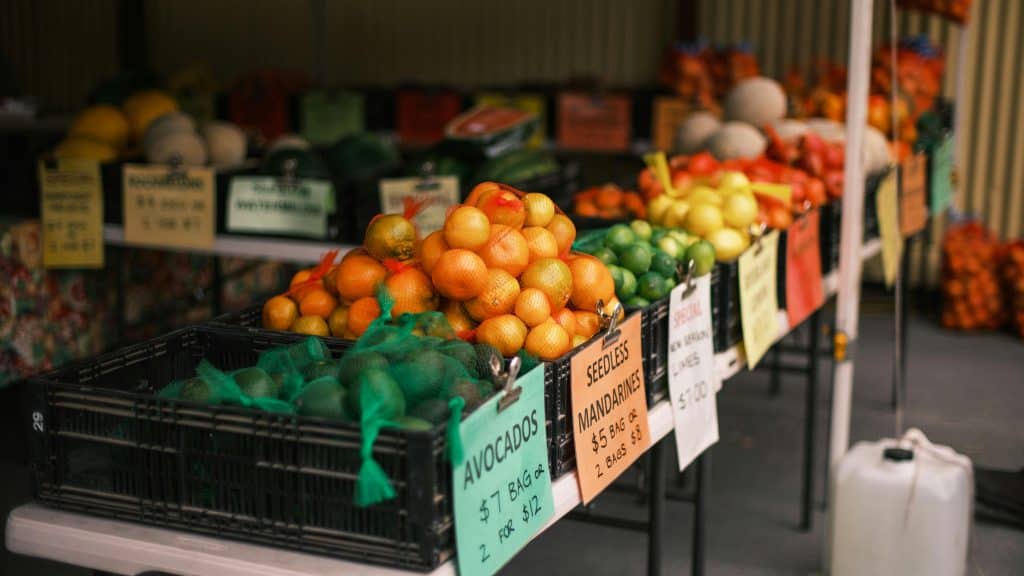
You don’t need a Whole Foods or a specialty health store to eat clean. Here’s where I recommend shopping:
- Walmart — Yes, really. Walmart carries a surprisingly solid selection of clean eating staples at very low prices. I have a whole guide dedicated to clean eating at Walmart if you want a store-specific shopping list. Better Goods is a Walmart private-label brand launched in 2024, focusing on affordable, chef-inspired, and high-quality food items.
- ALDI — One of the best-kept budget clean eating secrets. Great produce, solid pantry staples, and prices that are consistently 20–30% lower than most supermarkets.
- Costco or Sam’s Club — Worth it if you cook for a family or want to buy protein and pantry staples in bulk.
- Your regular grocery store — Stock up during sales, use the store brand, and check the frozen aisle first for vegetables and fruit.
Quick Tips to Remember
- Always shop with a list and a plan.
- Frozen produce = nutritious + budget-friendly. Don’t skip it.
- Eggs, beans, lentils, and chicken thighs are your budget clean protein all-stars.
- Batch cook on Sundays to reduce waste and save time.
- Buy grains and legumes in bulk whenever possible.
- Use the store brand for pantry staples — it adds up to real savings.
- Apply the 80/20 rule: aim for clean most of the time without stressing about perfection.
Bottom Line: I can tell you with confidence that the most important thing is to eat real food — and you don’t need a big budget to do that. Start with the basics. Build your pantry slowly. And remember: progress over perfection, every single time.
Frequently Asked Questions
Can you really eat clean on $75 a week?
Yes, absolutely. For one person, $75 a week is very achievable with some planning and smart ingredient choices. Focus on whole grains, legumes, eggs, frozen produce, and budget cuts of lean protein like chicken thighs. Avoid pre-packaged “health” foods and cook from scratch as much as possible.
Is clean eating more expensive than regular eating?
Not necessarily. When you base your meals on whole, unprocessed foods like oats, beans, rice, eggs, and frozen vegetables, you’re often spending less per serving than you would on processed convenience foods or takeout. The key is to plan and cook at home.

What are the cheapest clean-eating foods?
The most budget-friendly clean eating foods include: rolled oats, dried lentils, dried beans, rice, eggs, frozen vegetables, frozen fruit, cabbage, sweet potatoes, and bananas. These staples form the foundation of a clean-eating diet on any budget.
Do I need to buy organic to eat clean?
No. Organic is great when you can afford it, but it’s not required for clean eating. If budget is a concern, use the EWG’s Dirty Dozen list to prioritize which produce items are worth buying organic, and buy conventional for the rest. Eating more whole foods — organic or not — is always a step in the right direction.
Want more budget clean eating tips?
Subscribe to the KelliAnnScheibe.com newsletter for recipes, grocery tips, and real talk about eating well on a real budget.