The Best Beverages for Clean Eating: A Complete Guide to Healthy Drinks

When I first started my clean eating journey, I focused so much on food that I almost forgot about what I was drinking. Then I realized that beverages matter just as much as the meals on my plate. What you drink can either support your clean eating goals or quietly undermine them.
I’ve spent years figuring out which drinks truly align with clean eating principles. Some were obvious, like water. Others surprised me. Today, I’m sharing everything I’ve learned about the best beverages for clean eating so you can make informed choices every time you reach for something to drink.
What Makes a Beverage “Clean Eating Friendly”?
Before we dive into specific drinks, let’s talk about what qualifies as clean eating when it comes to beverages.
Minimal ingredients. The best clean eating drinks have few ingredients, and you should recognize all of them. If a beverage has a long list of unpronounceable additives, it doesn’t make the cut.
No added sugars. Added sugars hide in many drinks, even ones that seem healthy. Clean eating beverages are either naturally sugar-free or contain only the natural sugars found in whole foods.
Minimal processing. The closer a drink is to its natural state, the better. Fresh-squeezed juice beats processed juice every time.
No artificial ingredients. This means no artificial sweeteners, colors, flavors, or preservatives. If it’s made in a lab, it’s not clean eating.
With those principles in mind, let’s explore the best beverage options for your clean eating lifestyle.
Water: The Foundation of Clean Eating
Water is the ultimate clean-eating beverage. It has zero calories, no additives, and your body needs it to function properly.
I aim for eight glasses a day, but I’ve learned that the exact amount depends on your activity level, climate, and body size. I keep a reusable water bottle with me everywhere, which makes hitting my water goal much easier.
My tips for drinking more water:
- Start your day with a glass of water before coffee
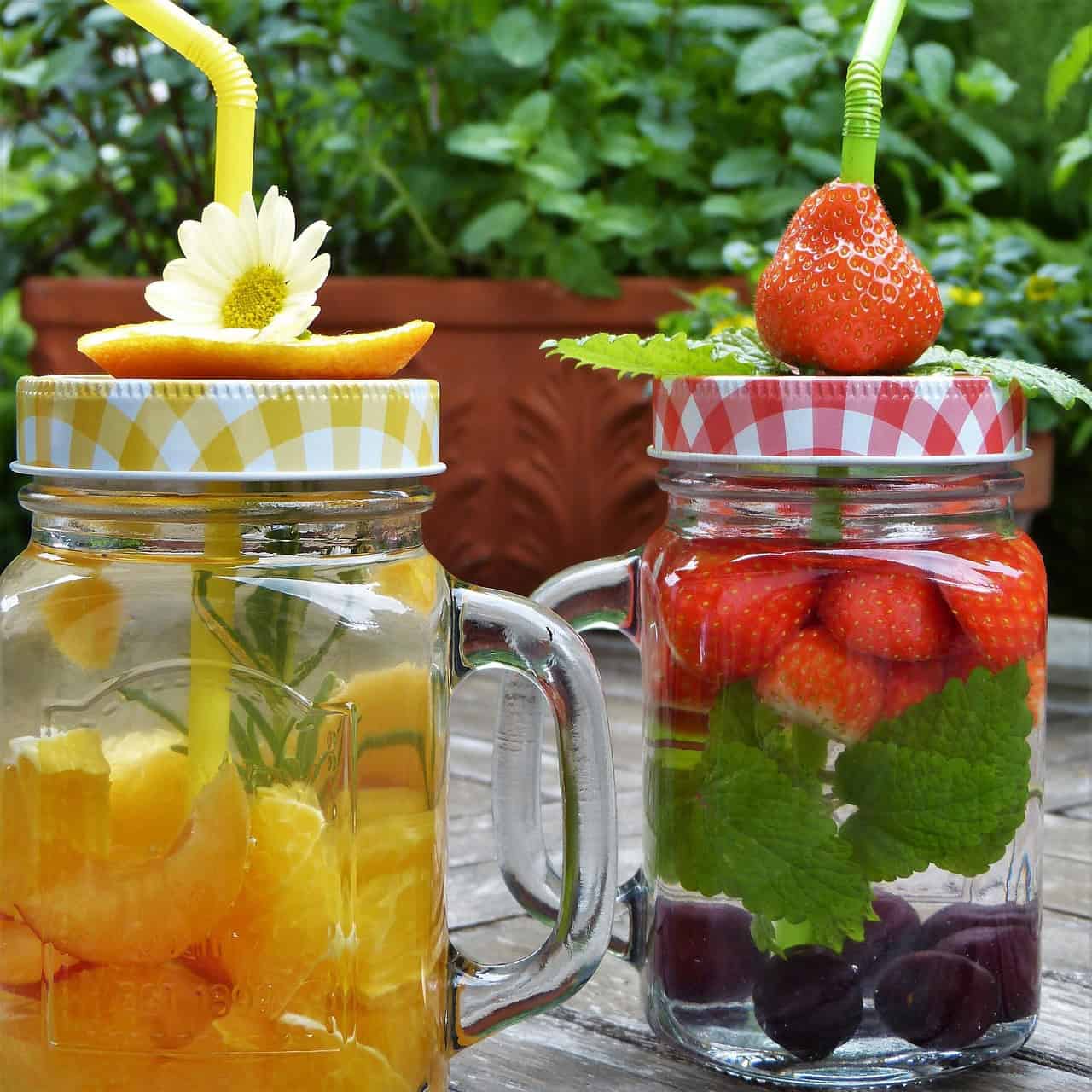
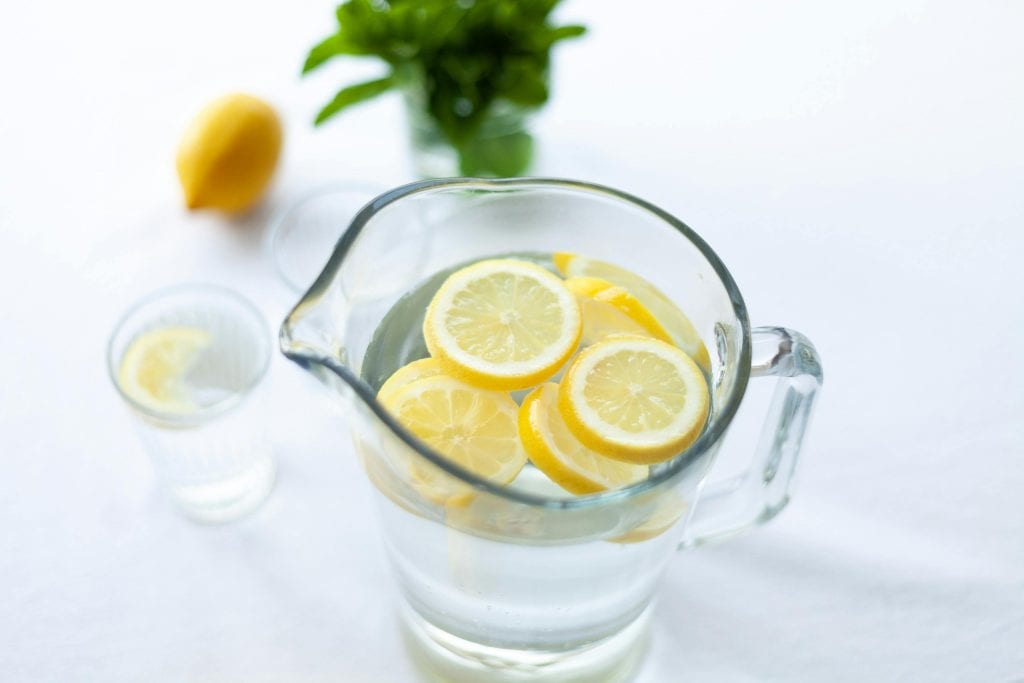
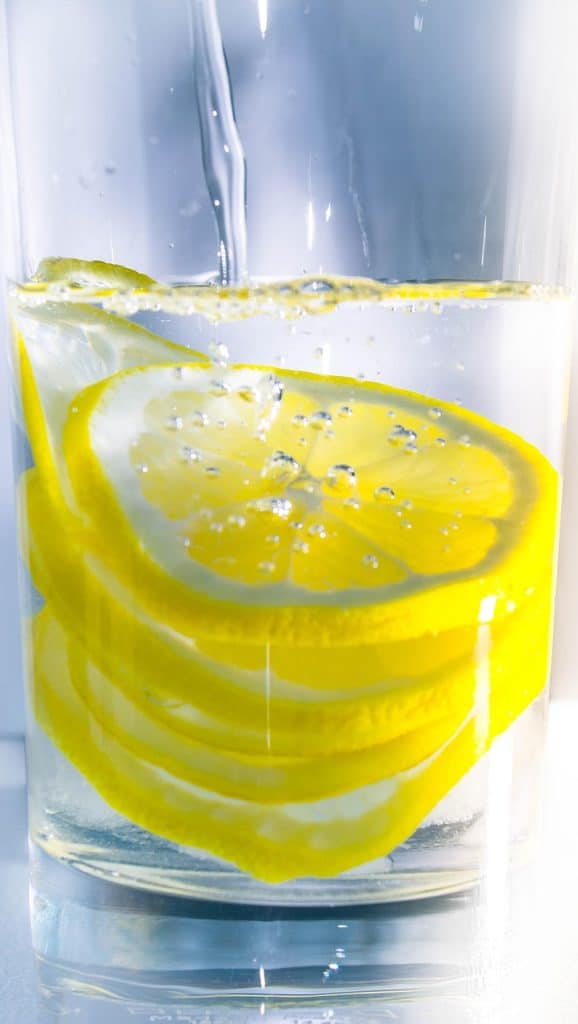
- Add lemon, cucumber, or fresh mint for natural flavor
- Set reminders on your phone if you forget to drink
- Drink a glass before each meal
The best part about water? It’s free, accessible, and perfectly clean-eating approved.
Sparkling Water: Bubbly and Clean
I love sparkling water for when I want something more exciting than plain water. It gives me that fizzy satisfaction without any of the sugar or chemicals in soda.
What to look for: Choose sparkling water with just two ingredients: water and carbon dioxide. Some brands add natural flavors, which can still be clean-eating-friendly as long as there’s no added sugar or artificial ingredients
1st Choice Drinks sparkling water without flavor: San Pelligrino, Perrier, Trader Joe’s plain
2nd Choice Drinks – sparkling water with real fruit juice or essential oil flavors – Spendthrift, Sound, DRAM, and WAJU
3rd Choice Drinks – sparkling water with natural flavors – LaCroix, Bubly, AHA, Waterloo
A word of caution: Sparkling water is slightly acidic, so I don’t sip it all day long. I drink it as a treat and follow it with regular water to protect my tooth enamel.
Coffee: Your Clean Eating Wake-Up Call
Good news for coffee lovers like me: black coffee is absolutely clean-eating approved. It’s made from roasted coffee beans and water, which checks all our clean eating boxes.
Coffee offers health benefits, too. It’s loaded with antioxidants and may support brain health and metabolism.
How I keep my coffee clean:
- I drink it black or add a splash of cream or unsweetened almond milk or coconut milk
- I skip the flavored syrups and artificial creamers
- I use organic coffee when possible to avoid pesticides
- I sweeten it with a tiny bit of honey or maple syrup if needed, not artificial sweeteners
What to avoid: Those fancy coffee drinks at chains are usually sugar bombs with artificial flavors. A grande flavored latte can have over 40 grams of sugar. If you’re getting coffee out, stick with plain coffee or an Americano.

Black Tea: Classic and Clean
Black tea is another excellent choice for clean eating. It’s simply tea leaves steeped in hot water, nothing more.
I drink black tea in the afternoon when I need a gentler energy boost than coffee provides. It has about half the caffeine of coffee and contains beneficial compounds called polyphenols.
My favorite ways to enjoy black tea:
- Plain with nothing added
- With a splash of milk and a touch of honey
- Iced with fresh lemon in summer
English Breakfast and Earl Grey are my go-to varieties, but there are dozens of black tea options to explore.
Green Tea: Antioxidant Powerhouse
Green tea deserves special mention because it’s incredibly beneficial for your health. It’s less processed than black tea, which means it retains more antioxidants.
I wasn’t a green tea fan at first. It tasted grassy and bitter to me. Then I learned I was steeping it wrong. Green tea needs water that’s around 175°F, not boiling, and only steeps for 2-3 minutes. And I usually add a slice of fresh ginger or a splash of ginger juice to enhance the flavor.
Health benefits I’ve noticed: Since drinking green tea regularly, I feel more alert without the jittery feeling coffee sometimes gives me. Research suggests green tea supports metabolism, brain function, and heart health.
Matcha note: Matcha is powdered green tea, and it’s also clean-eating-friendly. Just make sure you’re buying pure matcha powder without added sugars or fillers. I enjoy blending it with coconut milk or coconut cream and honey.
Herbal Tea: Caffeine-Free Comfort
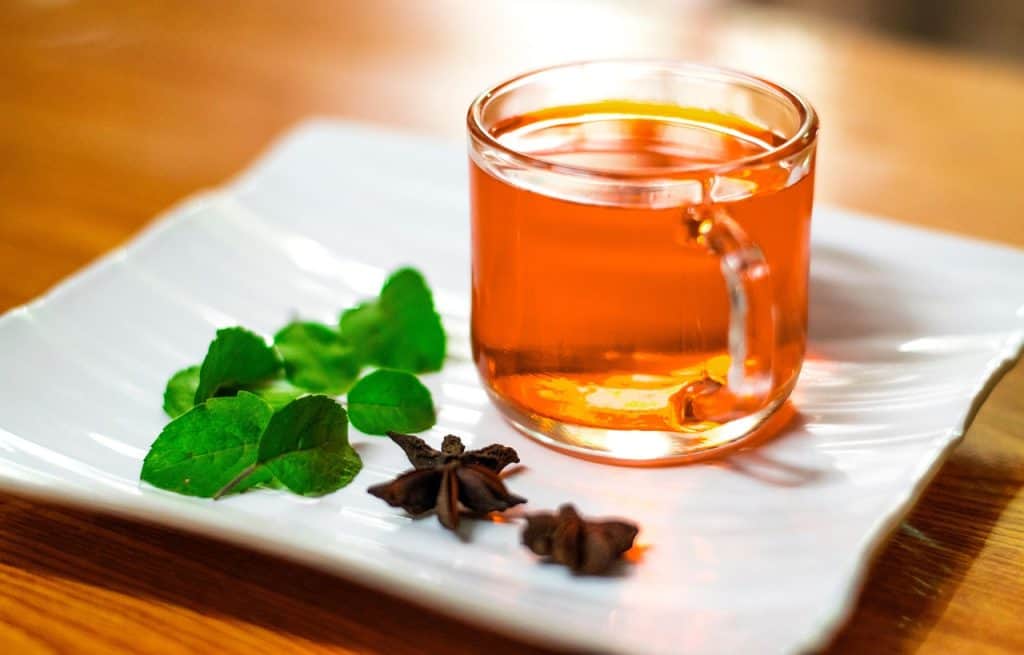
Herbal teas are perfect for clean eating because they’re just dried herbs, flowers, or spices steeped in water. They’re naturally caffeine-free, which makes them great for evenings.
My herbal tea rotation:
- Peppermint for digestion after meals
- Chamomile for relaxation before bed
- Ginger for when my stomach feels off
- Rooibos for a naturally sweet, coffee-like flavor
The variety of herbal teas is endless. I keep several types in my pantry and choose based on my mood and needs. My favorite brands include Numi Organic Tea, Eden Organic, Organic India, and Yogi.
Important: Always check ingredients. Some herbal tea blends add “natural flavors” or sweeteners. Stick with pure herbal teas for true clean eating.
Kombucha: Fizzy Fermented Goodness
Kombucha has become one of my favorite clean-eating beverages. It’s a fermented tea drink that’s naturally carbonated and packed with probiotics for gut health.
What makes kombucha clean: Traditional kombucha contains just tea, water, sugar (which feeds the fermentation), and a SCOBY (the culture that ferments it). During fermentation, the bacteria and yeast consume most of the sugar, leaving you with a tangy, slightly sweet drink.
The probiotic benefit: I started drinking kombucha to support my digestive health. The live cultures in kombucha can help balance your gut microbiome, which affects everything from digestion to immunity.
Choosing clean kombucha:
- Check that it’s raw and unpasteurized to keep the probiotics alive
- Avoid kombuchas with added fruit juice or artificial flavors
- Start with plain or ginger flavors if you’re new to kombucha
My favorite brands: GT’s/Synergy, Health-Ade, Brew DR, and Humm are my go-to choices. I might attempt to make my own in the near future, as it is supposedly easy and much cheaper than buying it.
A word of caution: Kombucha contains trace amounts of alcohol from fermentation (usually less than 0.5%). It’s also acidic, so I often dilute it with some water or sparkling water and drink it with food rather than on an empty stomach.
100% Fruit Juice: Handle With Care
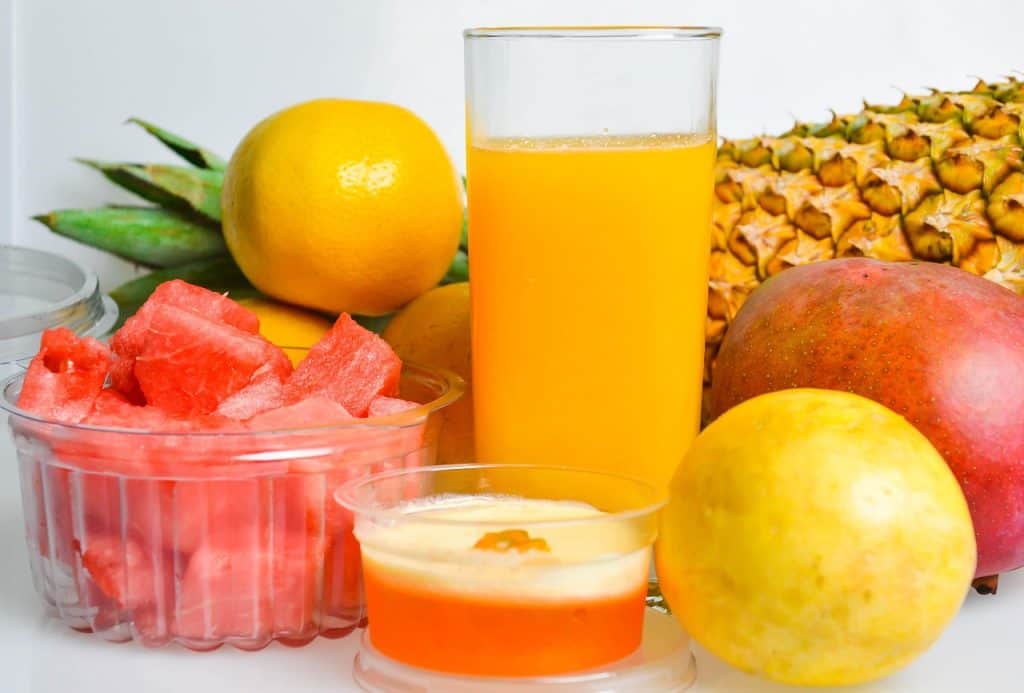
Here’s where clean eating gets nuanced. Pure 100% fruit juice qualifies as clean eating because it’s just pressed fruit with nothing added. But I drink it sparingly.
The truth about fruit juice: Even 100% juice contains a lot of natural sugar without the fiber that whole fruit provides. An 8-ounce glass of orange juice has as much sugar as a candy bar, just without the added sugars.
How I use fruit juice:
- As an occasional treat, not a daily drink
- Diluted with sparkling water for a refreshing spritzer
- In small amounts in smoothies for natural sweetness
- Freshly squeezed when possible rather than store-bought
If you’re trying to lose weight or manage blood sugar, I’d recommend eating whole fruit instead of drinking juice.
Milk: Traditional Dairy Done Right
Regular cow’s milk is clean-eating approved if it’s just milk without additives. I look for milk with one ingredient: milk. Some brands add vitamins, which is generally fine, but avoid milk with added sugars or thickeners.
What I choose: I buy organic whole milk from grass-fed cows when my budget allows. It costs more, but I feel better about the quality and the way the animals are raised.
How I use milk:
- In my coffee and tea
- For making homemade smoothies
- With homemade granola for breakfast
If dairy doesn’t agree with you, skip it. Clean eating is about what makes your body feel good.
Kefir: Drinkable Probiotics
Kefir is like kombucha’s cousin in the dairy world. It’s a fermented milk drink that’s been part of traditional diets for centuries.
What is kefir? Kefir is made by adding kefir grains (a combination of bacteria and yeast) to milk. The fermentation process creates a tangy, slightly effervescent drink that’s thinner than yogurt but thicker than milk.
Why I love kefir:
- It’s packed with probiotics, even more diverse strains than yogurt
- The fermentation breaks down most of the lactose, making it easier to digest than regular milk
- It contains protein, calcium, and B vitamins
- The tangy flavor is refreshing and satisfying
Choosing clean kefir:
- Look for plain, unsweetened kefir with live active cultures
- Avoid flavored versions loaded with added sugar
- Check for minimal ingredients: milk and kefir cultures
- Organic, grass-fed options are ideal
Popular Kefir Brands
- Lifeway Kefir, Maple Hill Creamery, Green Valley Creamery,
- Forager Project (Plant-based organic options),
Recommendations:
Mixed with berries and a drizzle of honey
Start with a small amount (1/4 cup) and gradually increase to allow your system to adjust
Drink straight from the bottle as a snack
As the liquid base in smoothies or a replacement for buttermilk in recipes
Raw Milk: The Controversial Choice
Raw milk is unpasteurized milk straight from the cow. Some people swear by it for clean eating because it’s minimally processed.
My honest take: I grew up drinking whole raw milk. In many ways, raw milk is similar to breastmilk: both are completely natural, fresh, and unprocessed milks. They both contain a wide variety of essential nutrients, fats, proteins, anti-inflammatory and digestive enzymes, bioavailable vitamins, and minerals, all in a natural form that is most easily utilized by the body. In addition, raw milk facilitates the production of lactase enzyme in the intestinal tract, allowing many people who are lactose intolerant to digest raw milk with no problems.
Raw milk is illegal to sell in many states, and health authorities warn against it, especially for pregnant women, children, and people with weakened immune systems.
If you choose raw milk, make sure it comes from a reputable source that follows strict safety protocols.
Almond Milk: Plant-Based Alternative
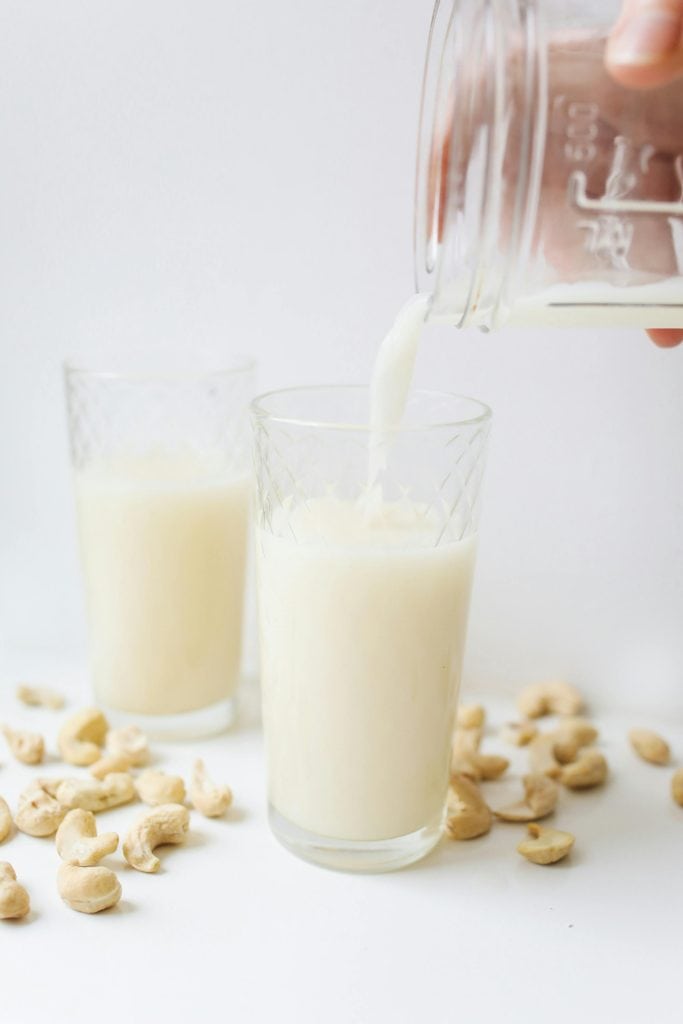
Almond milk has become my go-to dairy alternative. It’s made from ground almonds and water, which fits clean eating perfectly, as long as you choose the right brand.
What to look for: Unsweetened almond milk with minimal ingredients. My favorite brands list just almonds, water, and maybe a bit of sea salt. That’s it.
What to avoid: Many almond milk brands add sugar, thickeners like carrageenan/gellum gum, sunflower lecithin, tricalcium phosphate, and “natural flavors.” Always read labels.
My favorite brands (only almonds, water, and salt): Califia Farms Organic unsweetened, Mooala Organic Simple, MALK organic unsweetened, Three Trees organic unsweetened, and Elmhurst unsweetened.
2nd choice brands (they add organic sunflower lecithin and carrageenan/gellan/locust bean gums): Thrive Market, Bettergoods (Walmart brand), Sprouts unsweetened, 365 organic original,
Coconut Milk: Creamy and Clean
Coconut milk comes in two forms: the thick canned version for cooking and the thinner carton version for drinking. Both can be clean eating choices.
For drinking: Look for unsweetened coconut milk beverages with simple ingredients. I use it in smoothies and sometimes in my coffee when I want a tropical twist.
For cooking: Full-fat canned coconut milk or cream should contain just coconut and water. I use this in curries and soups.Coconut milk comes in two forms: the thick canned version for cooking and the thinner carton version for drinking. Both can be clean eating choices.
For drinking: Look for unsweetened coconut milk beverages with simple ingredients. I use it in smoothies and sometimes in my coffee when I want a tropical twist.
For cooking: Full-fat canned coconut milk or cream should contain just coconut and water. I use this in curries and soups.
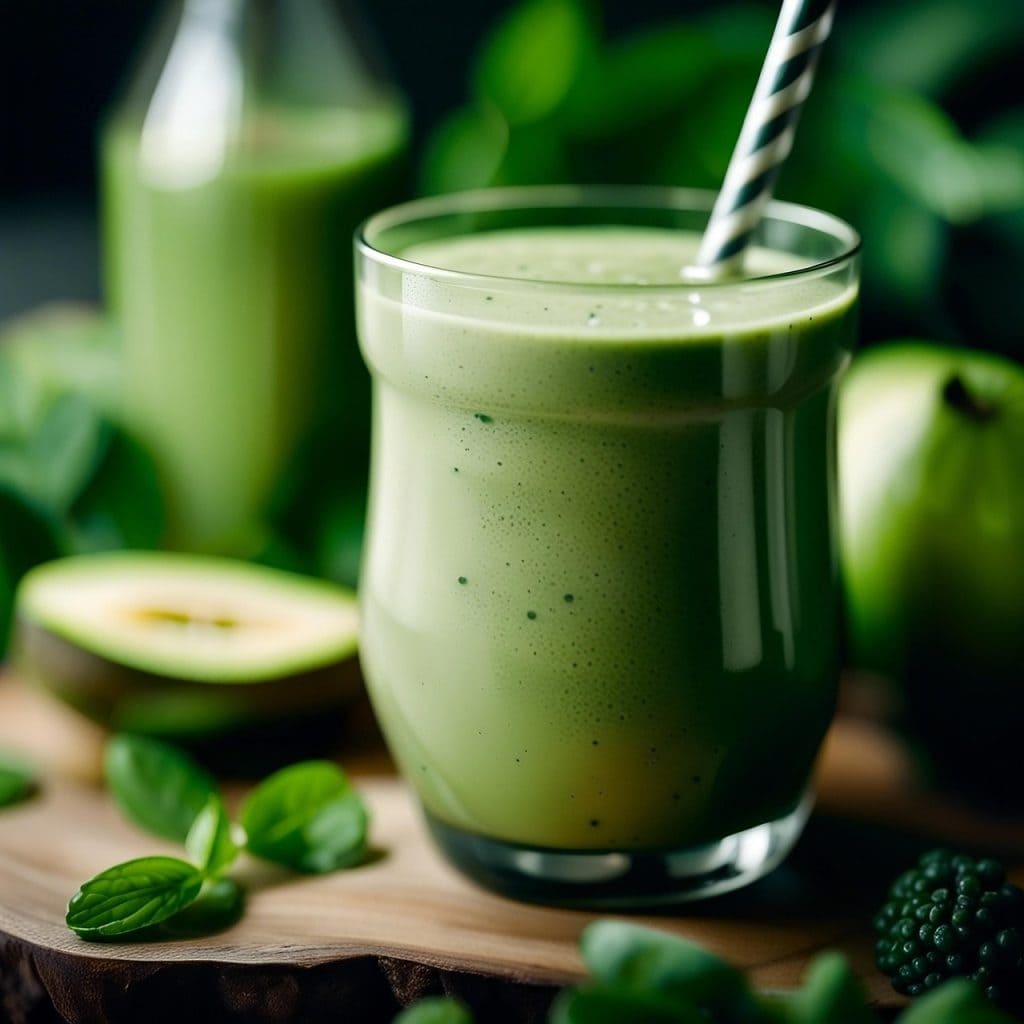
Smoothies: Blended Perfection or Sugar Bomb?
Smoothies can be one of the best beverages for clean eating or one of the worst. It all depends on what you put in the blender.
My clean eating smoothie formula:
- Base: unsweetened almond milk, coconut milk, kefir, or water
- Greens: spinach or kale (you won’t taste it, I promise)
- Fruit: one cup of berries or half a banana for natural sweetness
- Protein: plain Greek yogurt, nut butter, or protein powder with clean ingredients
- Healthy fat: avocado, chia seeds, or flax seeds
What I skip: Store-bought smoothies often have fruit juice as the base, added sugars, and artificial flavors. When I make smoothies at home, I control the ingredients and keep them truly clean.
Portion awareness: Smoothies can pack a lot of calories, even healthy ones. I treat them as a meal replacement, not a beverage to drink alongside a meal.
Beverages to Limit or Avoid
While we’re talking about the best drinks, let’s quickly cover what doesn’t make the clean eating cut:
- Soda and diet soda (artificial everything)
- Energy drinks (loaded with sugar and chemicals)
- Sports drinks (unnecessary unless you’re an athlete, and full of artificial colors)
- Flavored coffee creamers (sugar and artificial flavors)
- Sweetened bottled teas (often as much sugar as soda)
- Pre-made smoothies from chains (hidden sugars and fillers)
Making Clean Beverage Choices Easy
Clean eating doesn’t mean boring drinks. With water, tea, coffee, fermented drinks like kombucha and kefir, and the occasional smoothie, you have plenty of delicious options.
My daily beverage routine:
- Morning: Water, then black coffee
- Mid-morning: Kefir or kombucha
- Midday: Green tea or sparkling water
- Afternoon: Herbal tea or water with lemon
- Evening: Chamomile tea
- Occasional treats: Homemade smoothie or fresh-squeezed juice
The key is to read labels, choose minimal ingredients, and avoid added sugars and artificial additives. Once you get in the habit, clean beverage choices become second nature.
Remember, what you drink matters just as much as what you eat. Every sip is an opportunity to nourish your body or to undermine your clean-eating efforts. Choose wisely, and your body will thank you.