How to Plan a Week of Clean Meals in Under 30 Minutes


For most of my nursing career, I worked 10-12-hour shifts with rotating schedules. If I didn’t have a food plan walking into Monday morning, the week fell apart by Wednesday. I was tired, I grabbed food on the run, and I didn’t eat the way I knew I should.
So I built a system: How to plan a week of clean meals in under 30 minutes – a fast, repeatable process for planning a week of clean meals before the week starts. And it changed everything — my energy, my stress levels, and honestly, my grocery bill.
That’s exactly what I’m going to teach you today. By the time you finish this article, you’ll have a step-by-step planning system you can use every single week — and a free printable planner to go with it.
This post contains affiliate links, meaning I may receive a commission if you click on a link and make a purchase.
| How long does it take to plan a week of clean eating? It takes about 30 minutes — or less once you get the hang of it. The key is having a repeatable system so you’re not starting from scratch every week. This guide gives you exactly that. |
Why Clean Eating Falls Apart Without a Plan
I’ve talked to hundreds of people who want to eat clean but can’t make it stick. Almost every time, the root cause is the same: no plan. When 5 pm hits and you’re hungry and tired, you default to whatever is easiest — and without planning, easy usually means fast food or the freezer aisle.
A meal plan solves this by deciding in advance, when you’re calm and thinking clearly, rather than in the moment when you’re hangry and exhausted. It also helps you:
- Use up food before it goes bad, which saves money
- Shop with a specific list, which cuts impulse purchases
- Eat a variety of nutrients across the week instead of falling into a rut
- Stick to clean eating about 80% of the time without even having to think about it
And here’s the best part: once you have a system, it takes less and less time each week. I can now plan my full week in 20 minutes flat.
What You Need Before You Start
You don’t need any fancy apps or tools. Here’s all you need:
- A weekly meal planner template
- Your grocery list (placed on the fridge – add to the list as you run out of items) or a glance at what’s already in your fridge and pantry or use a grocery list app (several to choose from)
- About 30 minutes of uninterrupted time — I do this on Saturday morning with my coffee
That’s it. A pen, a planner, and a plan. Let’s do this.

The 30-Minute Clean Eating Meal Planning System
Here’s the exact process I follow every week. I’ve broken it into five phases, each with a specific time window, so you stay on track.
| Time | Phase | What You Do |
| 0–5 min | Fridge & Pantry Audit | Open the fridge, freezer, and pantry. List what needs to be used up this week. These become your meal anchors. |
| 5–10 min | Protein Planning | Choose 2–3 proteins for the week. Plan each protein for 2–3 meals so you cook once and eat multiple times. |
| 10–18 min | Fill the Meal Grid | Drop your proteins and grain/veggie pairings into breakfast, lunch, and dinner slots. Use repeat ingredients across meals. |
| 18–24 min | Build the Grocery List | Write out only what you don’t already have. Organize by store section. |
| 24–30 min | Schedule Your Prep | Block 2–3 hours on your calendar for Sunday prep. Add a reminder. |
Let me walk you through each phase in detail.
Phase 1 (0–5 minutes): Audit Your Fridge and Pantry
Before you plan a single meal, open your fridge and pantry and take a quick inventory. What proteins do you have? What vegetables are getting close to the end of their life? What grains or canned goods are already stocked?
These become your meal anchors for the week. Planning around what you already have reduces food waste, keeps costs down, and simplifies your grocery list. I keep a small magnetic list or whiteboard on my fridge to write down what needs to be used up that week.
Write down your available ingredients. Circle the two or three things that need to be used soonest. These items will anchor your first two or three dinners of the week.
Phase 2 (5–10 minutes): Choose Your Proteins
Protein is the backbone of every clean-eating meal, so this is where you focus your planning energy. Choose two or three proteins for the week and build your meals around them.
The secret to efficient planning is what I call the “cook once, eat twice” rule. When you grill chicken breasts on Sunday, plan for that chicken to show up at least two ways during the week — maybe a sheet pan dinner Monday night and a grain bowl for Tuesday’s lunch. Use the same protein, but in a completely different meal.
Here are some clean-eating proteins that work especially well for multi-meal planning:
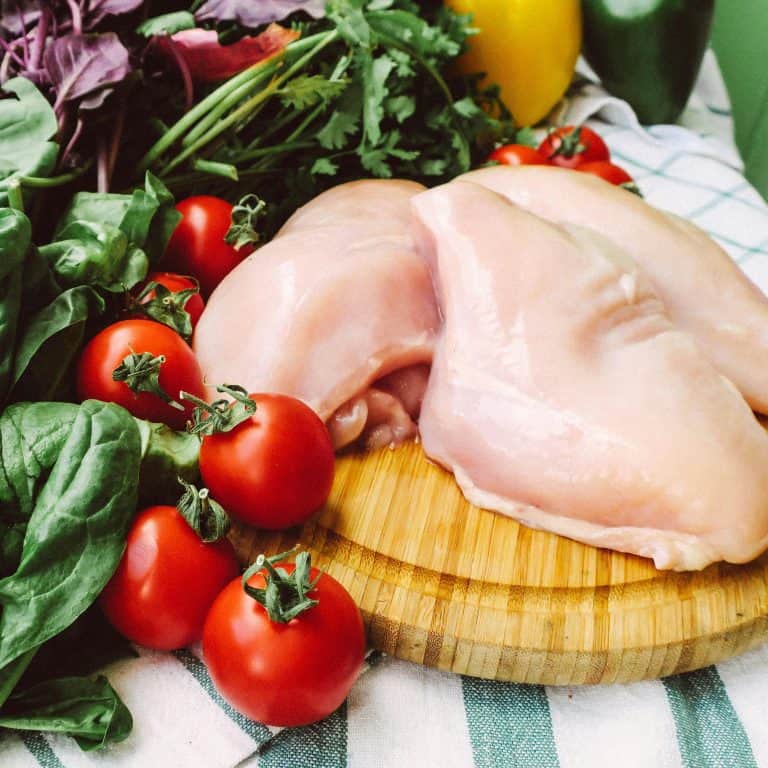
- Chicken breasts or thighs — can become a dinner, a grain bowl, a wrap, a soup, and a salad all in one week
- Salmon/Shrimp — dinner on Tuesday, flaked over a salad on Wednesday
- Hard-boiled eggs — breakfast, snack, and salad topper all week
- Ground turkey — turkey burgers on Wednesday, taco bowls on Thursday, eggs mixed in on Friday morning
- Lentils — soup, grain bowl topping, and a hearty salad addition
Pick your proteins, write them down, and move to the next phase.
Phase 3 (10–18 minutes): Fill the Meal Grid
Now it’s time to fill in your weekly meal planner. I use a simple grid: days of the week down the side, meal types (breakfast, lunch, dinner, snack) across the top.
Here’s my golden rule: don’t plan 21 completely different meals. That’s exhausting and expensive. Instead, plan strategically, repeating components with different preparations. A batch of roasted sweet potatoes can appear in a grain bowl, alongside eggs at breakfast, and as a dinner side — three different meals from one prep session.
Fill in the grid using this priority order:
- Dinner first — this is the meal that derails most people on weeknights. Get these locked in first.
- Lunch second — if you’re working, plan lunches that are portable and can be prepped in advance.
- Breakfast third — keep these simple. Overnight oats, egg bites, and smoothie packs are my go-tos because they take zero morning effort once prepped.
- Snacks last — these don’t need to be different every day. Pick one or two reliable, clean snacks and repeat them all week.
Weekly Meal Planner Template
Use this to map out your week.
| Breakfast | Lunch | Dinner | Snack | |
| Monday | ||||
| Tuesday | ||||
| Wednesday | ||||
| Thursday | ||||
| Friday | ||||
| Saturday | ||||
| Sunday |
| Pro tip: Save a photo of your completed planner on your phone. When you’re at work and wondering what’s for dinner, one glance gives you the answer — and keeps you from making a fast food decision. |
Phase 4 (18–24 minutes): Build Your Grocery List
Now that your meals are planned, building the grocery list is fast because you already know exactly what you need. Go through each meal slot in your planner and write down every ingredient required. Cross off anything you already have in stock from your Phase 1 audit.
Organize your list by store section as you write it — this saves significant time at the store:
- Produce — all fresh fruits and vegetables
- Proteins — meat counter, seafood, and eggs
- Dairy and refrigerated — yogurt, almond milk, fresh items
- Dry goods and grains — rice, quinoa, oats, legumes
- Canned and pantry items — beans, tomatoes, broths, oils
For a complete reference on what to keep stocked, check out my clean-eating grocery list — it covers every category with notes on why each item earns a regular spot in your cart.
Phase 5 (24–30 minutes): Schedule Your Prep Session
Your plan is only as good as your follow-through. The final step is to open your calendar and block off 2–3 hours for your weekly prep session. For most people, Sunday morning or afternoon is ideal — but find the slot that works for your schedule and protect it.
In your calendar event, jot down the top five things to prep that week based on your meal plan. This removes any decision fatigue as prep day arrives, and you can execute.
Set a reminder the night before: “tomorrow is prep day — thaw proteins tonight.” That 10-second act saves 30 minutes on prep day.
The Component Prep Method: The Secret Behind 30-Minute Planning
Here’s the mindset shift that makes clean eating meal planning sustainable: stop thinking in terms of recipes and start thinking in terms of components.
Instead of planning “Monday = lemon herb chicken with roasted asparagus and quinoa,” plan “Protein: chicken. Grain: quinoa. Vegetables: asparagus + broccoli.” Then you can mix and match those components into different meals all week.
Think of it like a clean eating equation:
| Clean Meal Formula: 1 Protein + 1 Grain or Starch + 2 Vegetables + 1 Healthy Fat = A balanced clean eating plate |
When you prep components instead of specific recipes, you get variety without extra work. The same roasted broccoli that goes on the side of salmon on Monday becomes the base of a grain bowl on Tuesday and gets stirred into scrambled eggs on Wednesday morning.
Time-Saving Planning Shortcuts
Once you’re comfortable with the basic system, these shortcuts will get your planning time down to 20 minutes or less:
Keep a rotating meal rotation
Write down 10–15 clean-eating dinners your family loves. Rotate through them on a 4-to-6 week cycle. You only have to “discover” each recipe once, and then it becomes muscle memory. This alone eliminates most of your planning time.
Use a planning template
Don’t reinvent your meal planner every week. Use the same grid every time, in the same format, and it becomes faster each week. Download my free printable planner at kelliannscheibe.com.

Theme your days
Assigning loose themes to days of the week simplifies decisions dramatically. For example: Meatless Monday, Taco Tuesday (clean version), Fish Friday. You only have to decide what kind of taco bowl or what fish dish — not whether to do tacos at all.
Plan in batches
Every few weeks, sit down and create two or three weeks of meal plans at once. Then rotate them. This is the ultimate time saver. You do the planning work once and recycle it for months.
Build a “default” week
Create your go-to week of meals — the one you could plan in 10 minutes because you know it works, you like it, and the ingredients are predictable. Use this as your fallback when life gets extra hectic, and you don’t have the mental bandwidth to get creative.
How to Handle Weeks When Nothing Goes to Plan
Life happens. Someone gets sick. A work deadline explodes. You forgot to defrost the chicken. Clean eating planning should be a framework, not a cage.
Here’s how I handle plan disruptions without falling off track:
- Keep “emergency meals” stocked. A can of chickpeas, a bag of frozen vegetables, and a pouch of microwavable brown rice can become a clean dinner in 10 minutes. No planning required.
- The 80/20 rule is your grace clause. If Wednesday’s dinner is a restaurant meal, that’s okay. Eat the cleanest thing on the menu and move on. Tomorrow’s plan is still intact.
- A partial plan is better than no plan. If you only had time to plan three dinners this week, that’s three fewer nights of uncertainty. Start where you are.
- Don’t restart on Monday. If the plan falls apart mid-week, keep going from where you are. One rough day doesn’t erase five good ones.

Making Your Planning Session a Ritual
The people I’ve seen succeed at clean eating long-term aren’t the ones with the most willpower. They’re the ones who made planning a habit — a comfortable, low-effort ritual built into their week.
Here’s how to make it stick:
- Same time every week. Sunday morning with coffee is mine. Find your time and own it.
- Make it pleasant. Put on a podcast, your favorite playlist, or a show you love in the background. Planning doesn’t have to feel like work.
- Keep your tools accessible. Your planner, pens, and a list of your go-to meals should all be in the same spot. No searching, no setup friction.
- Celebrate the finish. I make a point to look at my completed planner and feel good about it. That small positive moment reinforces the habit.
Frequently Asked Questions
What if I live alone — is it worth planning a full week of meals?
Absolutely, and maybe even more so. Planning for one person is faster, cheaper, and reduces food waste significantly. Single-person meal planning means smaller batch sizes and more flexibility to repeat meals. I’d argue it’s easier than planning for a family.
Do I have to plan every meal, or can I leave some open?
Leave room for flexibility. I plan breakfasts and dinners as non-negotiables and leave two or three lunch slots open as “leftovers or components from the fridge.” Planning every single meal creates rigidity that makes the system hard to sustain.
I hate cooking. Can I still make this system work?
Yes — this system is designed to minimize cooking, not maximize it. If you prep components on Sunday, most weeknight “cooking” is just assembling. Grain bowl: scoop rice, add chicken, top with veggies, and drizzle dressing. Done in under five minutes. That’s the whole point.
How do I plan for family members who won’t eat the same things?
Use the component method. Cook the same proteins and grains for everyone, then set up a “clean eating bar” at mealtime where each person assembles their own bowl or plate. Different toppings, same clean base. No short-order cooking required.
Your 30 Minutes Start Now
You now have everything you need to plan a full week of clean eating in 30 minutes or less. A step-by-step system, a timing framework, a component prep strategy, and a printable planner.
Block the time, make the coffee, sit down with your planner, and start with Phase 1. That’s it. You’ll be done before your cup is empty.
And when your plan is mapped out, head over to my beginner’s guide to meal prep for clean eating to learn exactly how to turn that plan into prepped, ready-to-go food in one efficient Sunday session.