7 Foods to Avoid in 2026 for Clean Eating (Plus, What to Use Instead)

Introduction
Every year, I go through my pantry with fresh eyes. Not to throw everything away and start over — that’s not my style — but to take an honest look at what’s snuck back in and ask myself whether it still belongs there.
In 2026, I’m more convinced than ever that a handful of ingredients have no place in a clean eating kitchen. Not because I think food should be stressful or complicated, but because the research has caught up, the cleaner alternatives have never been easier to find, and knowing what to avoid is genuinely one of the most powerful things you can do for your long-term health.
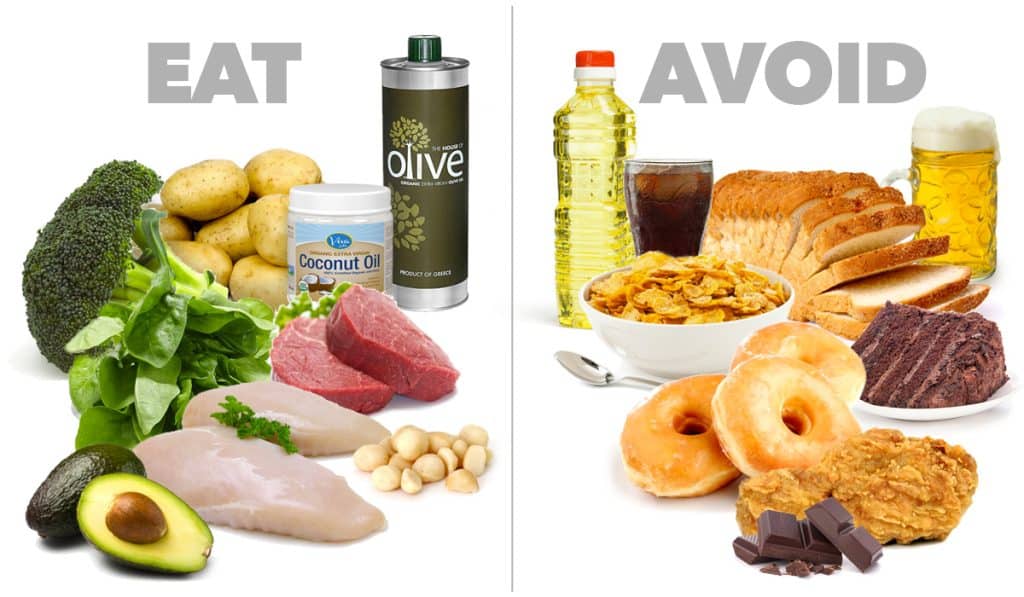
This article is not about fear. I am not here to make you feel bad about what’s already in your cupboard. I’m here to give you clear, honest information about seven specific ingredients — why I avoid them, what the concern actually is, and what I use instead. My 80/20 approach to clean eating means I don’t expect perfection. But these seven? I’ve worked hard to make them the exception rather than the rule in my home.
Let’s get into it.
Your 2026 Clean Eating Avoid & Swap Chart
Here’s your at-a-glance reference. I’ll go deep on each one below, but save this chart — it’s the shortcut to cleaning up your kitchen without overthinking it.
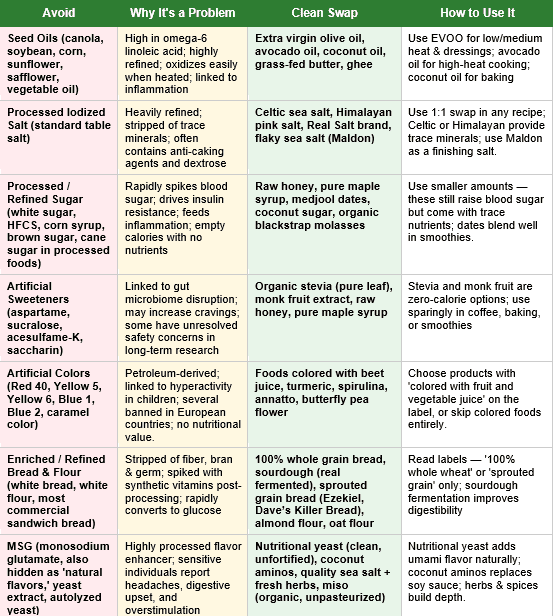
Now let’s talk about why each of these made the list — and why the swaps I’m recommending are genuinely worth making.
1. Seed Oils
What they are and where they hide
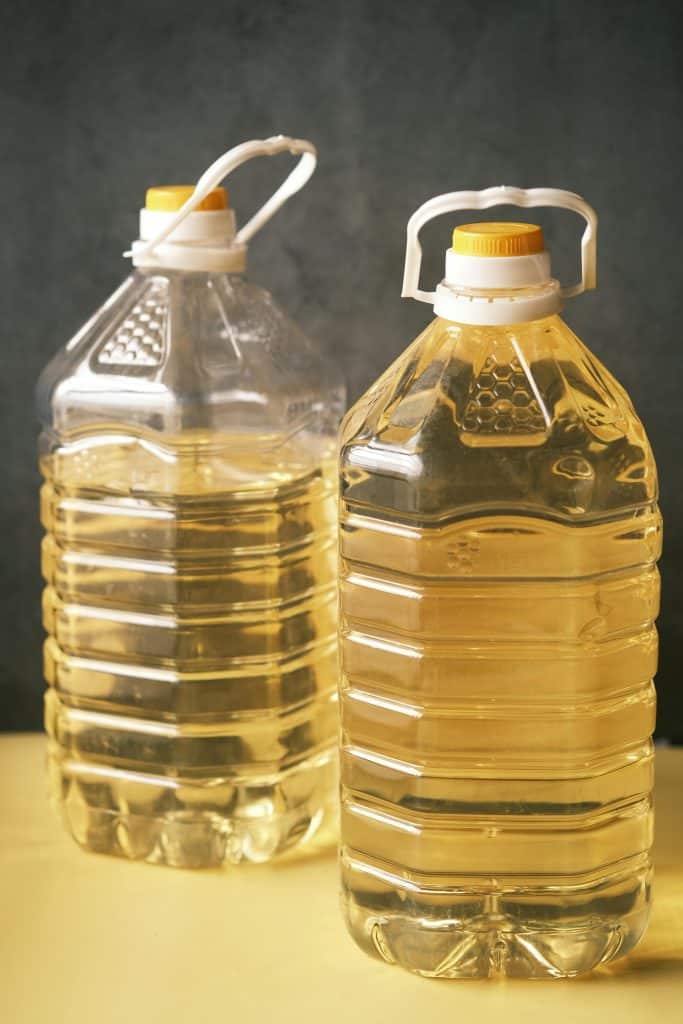
Seed oils are industrially refined oils extracted from seeds — canola, soybean, corn, sunflower, safflower, and the catch-all ‘vegetable oil’ you’ll see on almost every processed food label. They became the backbone of the American food supply starting in the mid-20th century, largely because they were cheap to produce and were positioned as heart-healthy alternatives to animal fats.
Here’s the problem: decades of follow-up research have complicated that narrative significantly. Seed oils are extraordinarily high in omega-6 linoleic acid. In small amounts from whole food sources (like sunflower seeds themselves), omega-6 fats are fine. But in the concentrated, refined, heated form found in seed oils — consumed in the enormous quantities most Americans eat them — they contribute to an omega-6 to omega-3 imbalance that researchers increasingly associate with chronic inflammation.
They also oxidize. When heated, seed oils break down into compounds, including aldehydes and oxidized lipids that have concerning effects in the body. And because they’re in nearly everything — from salad dressings to crackers to restaurant cooking — most people are getting far more than they realize.
Where to find them on labels
Check the ingredient list for: canola oil, soybean oil, corn oil, sunflower oil, safflower oil, cottonseed oil, vegetable oil, ‘partially hydrogenated’ anything, and ‘refined’ versions of any oil. If a packaged food has an oil in it and the label doesn’t specify the source, it’s almost always a seed oil.
Clean swaps
- Extra virgin olive oil — cold-pressed, unrefined; ideal for low to medium heat and all dressings
- Avocado oil — high smoke point, neutral flavor; excellent for roasting, sautéing, and grilling
- Coconut oil — refined (neutral flavor) or unrefined (coconut flavor); great for baking
- Grass-fed butter or ghee — traditional, whole-food fat with a stable fatty acid profile
I keep all four of these in my kitchen. Avocado oil is my everyday workhorse, EVOO goes on everything cold or warm (not high heat), and ghee is what I reach for when I want richness without the dairy.
2. Processed Iodized Salt
What’s actually in standard table salt
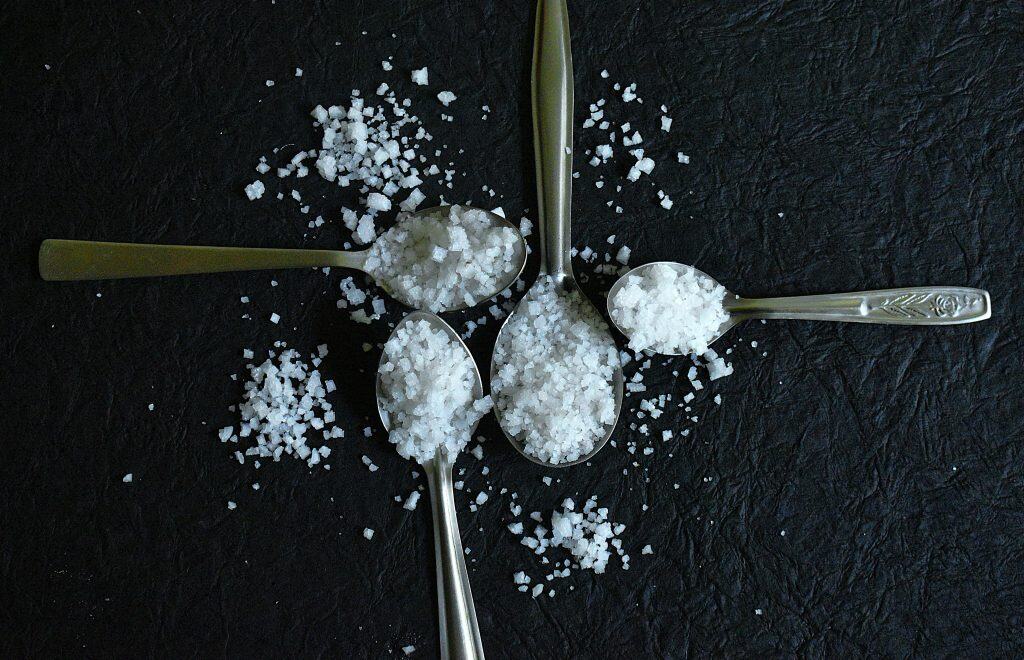
Table salt seems harmless. Salt is salt, right? Not quite. Standard iodized table salt goes through a heavy refining process that strips it of naturally occurring trace minerals. What’s left is almost pure sodium chloride — then manufacturers add back synthetic iodine, and often include anti-caking agents like sodium aluminosilicate or yellow prussiate of soda, and sometimes even a tiny amount of dextrose (sugar) to stabilize the iodine.
This is not inherently dangerous in small amounts — iodine is genuinely important for thyroid health, and the fortification program was put in place to address widespread iodine deficiency. But for those of us eating whole, varied diets that already include iodine from eggs, seafood, and dairy, the extra fortification is unnecessary. And the stripped-down, additive-laden version is simply not the cleanest option available.
Clean swaps
- Celtic sea salt — harvested from the Atlantic coast of France; light grey color indicates mineral content including magnesium, calcium, and potassium; moist texture
- Himalayan pink salt — mined from ancient sea beds; pink color from iron oxide and trace minerals; fine or coarse grind available
- Real Salt (Redmond) — mined in Utah; unrefined American sea salt with over 60 trace minerals and no additives
- Maldon sea salt flakes — a beautiful finishing salt; use to top eggs, salads, or roasted vegetables for texture and flavor
The swap here is genuinely easy, and the difference in flavor is noticeable — in a good way. Celtic sea salt has become my everyday cooking salt. I use about the same amount as I would table salt, but the flavor is more complex, and the mineral content makes it worth every penny.
3. Processed and Refined Sugar
Why refined sugar is different from sweetness
Sweetness isn’t the enemy. The human body recognizes and processes natural sugars from whole foods — fruit, honey, maple syrup — in a very different way than it processes stripped, concentrated, refined sugar or high fructose corn syrup. The difference lies in what comes with it: fiber, trace minerals, antioxidants, and the matrix of the whole food that slows digestion and moderates the blood sugar response.
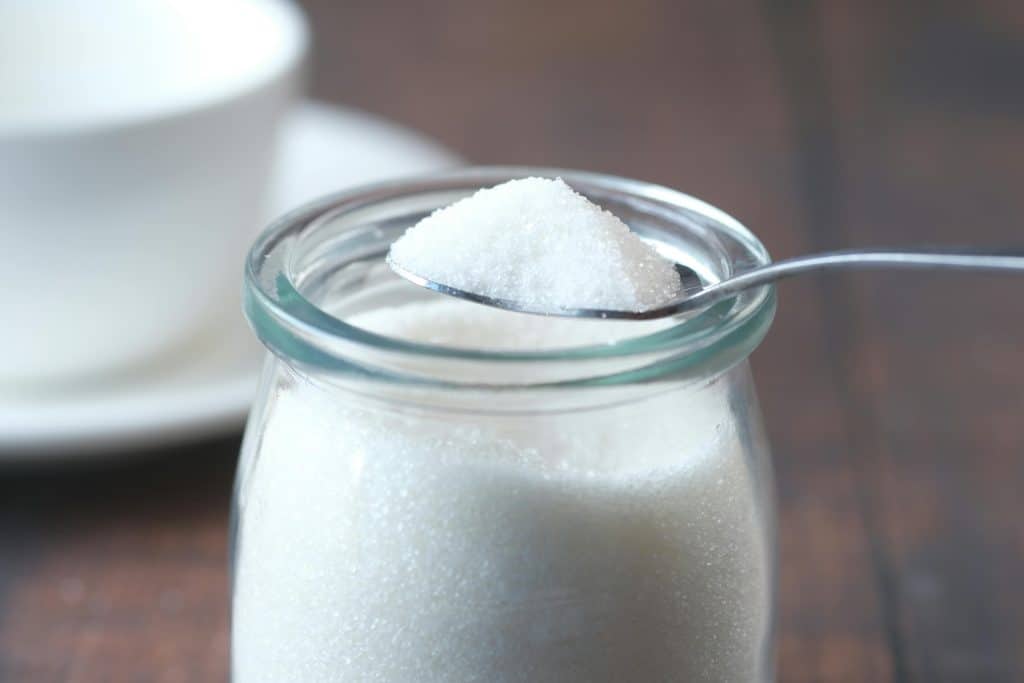
Refined white sugar has been stripped of all of that. It delivers glucose and fructose with nothing else — no fiber to slow it, no minerals to support metabolism, no antioxidants to offset oxidative stress. The result is a rapid blood sugar spike, an insulin response, and a crash that often drives cravings for more. In the long term, this pattern is linked to insulin resistance, systemic inflammation, and a cascade of metabolic effects that researchers connect to dozens of chronic health conditions.
The other issue is hidden sugar. Processed refined sugar appears in foods you would never expect — bread, pasta sauce, salad dressing, crackers, ‘healthy’ granola bars, flavored yogurt, and ketchup. Reading labels is non-negotiable if you’re serious about reducing your refined sugar intake.
Hidden names for refined sugar on labels
- High fructose corn syrup (HFCS)
- Corn syrup/corn syrup solids
- Dextrose, maltose, sucrose, fructose (added — not from whole fruit)
- Cane sugar, evaporated cane juice, cane juice crystals
- Brown rice syrup, malt syrup
- Fruit juice concentrate (still a refined sugar when stripped of fiber)
Clean swaps
- Raw honey — unfiltered and unheated to preserve enzymes and antioxidants; use in tea, dressings, and baking
- Pure maple syrup (Grade A Dark) — contains manganese and zinc; excellent in baking and as a table sweetener
- Medjool dates — whole food sweetener; blend into smoothies, energy balls, or sauces for fiber and sweetness
- Coconut sugar — lower glycemic than refined white sugar; use 1:1 in most baking recipes
- Organic blackstrap molasses — rich in iron, calcium, and magnesium; strong flavor but nutritionally impressive
A note on the 80/20 rule here: natural sweeteners still raise blood sugar. They’re cleaner options, but they’re not free passes. I use them in smaller amounts than refined sugar and treat them as real food ingredients with real effects.
4. Artificial Sweeteners
The zero-calorie tradeoff
Artificial sweeteners have been marketed for decades as the ‘smart’ choice for people who want sweetness without calories. On the surface, that sounds like a win. In practice, the research paints a more complicated picture — and growing evidence suggests the tradeoff is not as clean as the marketing implies.
Studies on aspartame, sucralose, and saccharin have raised concerns about gut microbiome disruption. Your gut microbiome — the complex ecosystem of bacteria in your digestive system — plays a role in everything from digestion to immunity to mood regulation. Several studies have found that artificial sweeteners can negatively alter the composition and diversity of gut bacteria, even at doses within approved limits.
There are also unresolved questions around appetite signaling. Some research suggests that consuming highly sweet things with no caloric follow-through may interfere with the body’s natural hunger and satiety cues, potentially increasing cravings for sweet foods over time.
Aspartame was reclassified by the World Health Organization in 2023 as ‘possibly carcinogenic to humans’ (Group 2B). The evidence is limited but warrants attention. I mention this not to alarm, but because transparency matters, and this is a real data point worth knowing.
What to avoid
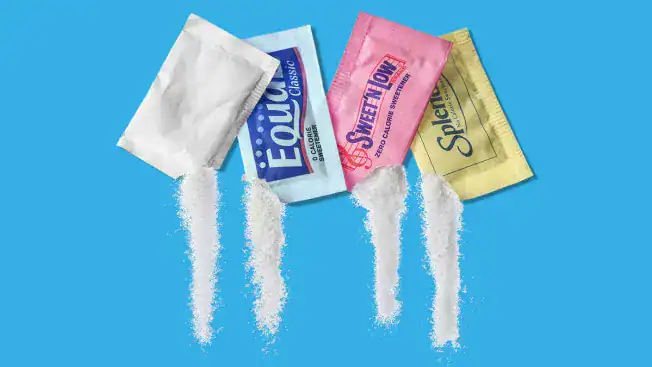
- Aspartame (Equal, NutraSweet) — in diet sodas, sugar-free gum, many ‘light’ products
- Sucralose (Splenda) — in thousands of ‘diet,’ ‘light,’ and ‘no sugar added’ products
- Acesulfame-K (Ace-K) — often paired with sucralose in diet drinks and protein powders
- Saccharin (Sweet’N Low) — one of the oldest artificial sweeteners; still widely used
Clean swaps
- Pure organic stevia (whole leaf or minimally processed) — zero calorie, plant-derived; choose liquid drops or whole leaf over highly processed stevia isolates.
- Monk fruit extract (lo han guo) — zero calorie, antioxidant-rich; look for pure monk fruit without erythritol as the primary ingredient if you’re sensitive to sugar alcohols
- Raw honey or pure maple syrup — small amounts in coffee or recipes; calories, but whole food sourced
The key is choosing a high-quality pure extract — not a monk fruit ‘blend’.
Artificial Food Colors
Why synthetic dyes are still a concern in 2026
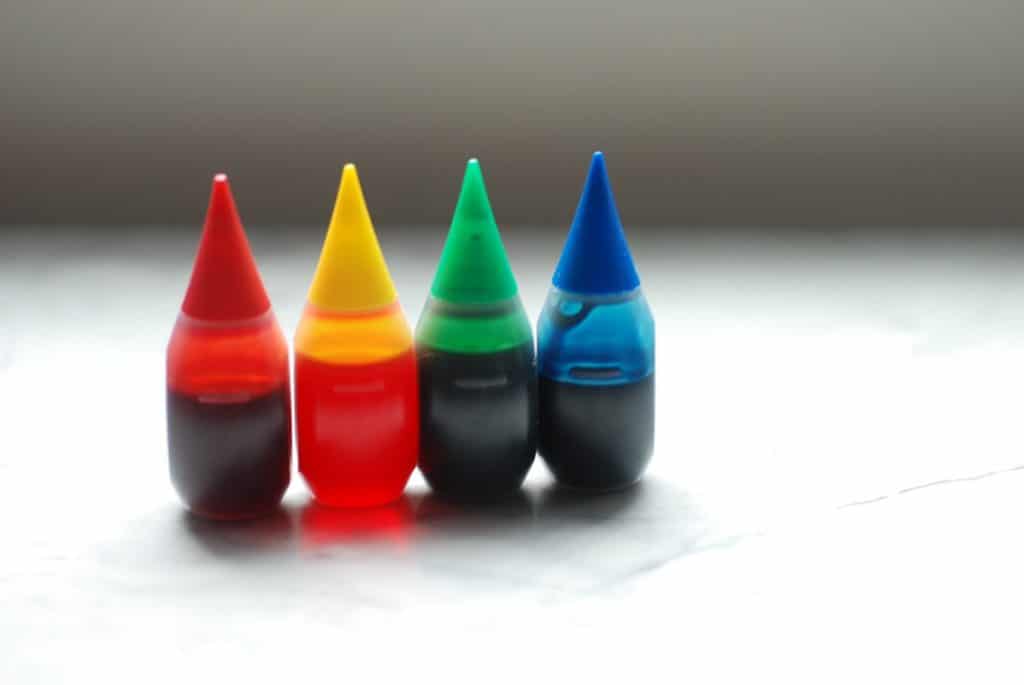
Artificial food dyes are one of those ingredients that feel like they should have been phased out already. Many European countries require warning labels on products containing certain synthetic dyes, or have seen voluntary reformulations as manufacturers avoided the stigma. In the United States, as of February 2026, the FDA is in the process of phasing out nine synthetic food dyes (Red No 3, Red No. 40, Yellow No. 5, Yellow No. 6, Blue No. 1, Blue No. 2, Green No. 3, Citrus Red No. 2, and Orange B).
The most commonly used synthetic dyes are petroleum-derived. They serve no nutritional purpose whatsoever. Their only function is to make food look more appealing. Studies linking certain dyes, particularly Red 40 and Yellow 5, to hyperactivity and behavioral changes in children have been replicated enough times to warrant caution, especially for families with young kids.
‘Caramel color’ deserves a special mention. It sounds natural — caramel, after all, is just heated sugar. But caramel color class III and IV, the most common versions used in sodas and processed foods, have been found to contain 4-methylimidazole (4-MEI), a compound classified as a possible carcinogen in California.
Where artificial colors hide
- Breakfast cereals, fruit-flavored snacks, and candy
- Sports drinks, sodas, fruit drinks, and ‘juice cocktails.’
- Maraschino cherries, pickles, and relish.
- Packaged mac and cheese (including some ‘natural’ brands — always read the label)
- Flavored chips, crackers, and seasoning mixes
- Vitamins and medications (yes, even gummy vitamins)
Clean swaps
- Look for: ‘colored with fruit and vegetable juice,’ ‘colored with beet juice,’ ‘colored with turmeric’ or ‘annatto’ on the label.
- Spirulina (blue-green), beet juice (red/pink), turmeric (yellow), butterfly pea flower (blue/purple) — these are whole-food colorants increasingly used by clean brands
- The simplest swap: choose uncolored foods. Most whole foods don’t need artificial help to look appealing.
My approach here is simple: if a food is brightly colored in a way that doesn’t match its natural state, I check the label. Real strawberry flavor from real strawberries is pink because of the real pigment. Neon red is not.
6. Enriched and Refined Bread
The problem with ‘enriched’
The word ‘enriched’ on a bread label sounds like a positive. It’s not. It means the grain was so thoroughly stripped of its fiber, bran, and germ during processing that manufacturers had to add synthetic vitamins back in just to make it nutritionally passable. What they add back — synthetic folate, niacin, riboflavin, iron — does not replicate what was removed, and what was removed includes the fiber, naturally occurring vitamins, antioxidants, and fatty acids that make whole grains worth eating.
The result is a product that digests very quickly, spikes blood sugar rapidly (refined bread has a glycemic index comparable to table sugar in some forms), and provides minimal satiety. It’s also usually made with glyphosate-treated wheat, preservatives like calcium propionate, emulsifiers like mono- and diglycerides, and dough conditioners — none of which belong in a clean eating kitchen.
The label reads like a science experiment. A standard commercial white bread can have 30+ ingredients. Real bread has four: flour, water, salt, and yeast.
How to spot enriched bread on labels
If the first ingredient is ‘enriched wheat flour,’ ‘bleached flour,’ or ‘unbleached enriched flour,’ it’s a refined product regardless of how the front of the package is labeled. ’12 grain,’ ‘multigrain,’ ‘made with whole grain,’ and ‘wheat bread’ are all common misleading labels that do NOT mean 100% whole grain.

Clean swaps
- 100% whole wheat bread — label must say ‘100% whole wheat’ as the first and only grain listed
- Sprouted grain bread (Ezekiel 4:9 by Food for Life) — made from sprouted whole grains and legumes; no flour; genuinely one of the cleanest commercial breads available
- Real sourdough — made with flour, water, salt, and a live starter culture; long fermentation improves digestibility and lowers the glycemic response; buy from a local bakery or learn to make it
- Almond flour or oat flour for baking — grain-free alternatives for those reducing grain intake
- Lettuce wraps, collard green wraps, or grain-free tortillas — for those avoiding grains entirely
I keep Ezekiel and Dave’s Killer bread in my freezer at all times. It toasts beautifully, and it’s one of the cleanest options you can find in a mainstream grocery store. And I’ve started my own sourdough baking journey in 2026.
7. MSG (Monosodium Glutamate) and Its Hidden Names
What MSG is and why it’s controversial
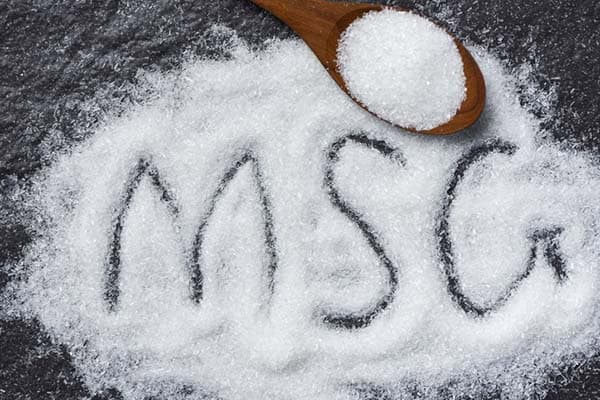
MSG is the sodium salt of glutamic acid, an amino acid that occurs naturally in many foods — tomatoes, mushrooms, parmesan cheese, soy sauce. Glutamate itself is not the issue. The concern with manufactured MSG is that it’s a highly concentrated, isolated form of glutamate used as a flavor enhancer in industrial food processing, at levels far exceeding those you’d encounter in whole foods.
The FDA categorizes MSG as Generally Recognized As Safe (GRAS), and the formal scientific consensus does not support a sweeping condemnation. But there is a meaningful subset of people — including individuals with sensitivities, those with IBS, and people who experience headaches, facial pressure, or digestive upset after eating MSG-heavy foods — for whom this ingredient is genuinely problematic. And within a clean-eating framework, MSG is simply not a whole-food ingredient. It’s a highly processed additive designed to make heavily processed food taste better than it actually is.
The bigger issue in 2026 is the proliferation of hidden MSG under ingredient names that most people don’t recognize. If you are avoiding MSG, you need to know its aliases.
Hidden names for MSG on labels
- Monosodium glutamate (obvious)
- Autolyzed yeast / autolyzed yeast extract
- Yeast extract
- Hydrolyzed vegetable protein (HVP)
- Hydrolyzed soy protein, Hydrolyzed corn
- Natural flavors (can contain processed glutamates — not always, but worth noting if you’re sensitive)
- Sodium caseinate
- Soy Isolate, Soy Sauce
- Carrageenan
- Glutamate, Glutamic Acid
- Textured vegetable protein (TVP)
- Disodium inosinate, disodium guanylate (often added alongside MSG to amplify its effect)
- Flavors, flavoring, or natural flavors
Clean swaps for umami flavor (the 5th basic taste alongside sweet, sour, salty & bitter)
The good news: umami — the deep, savory, satisfying flavor MSG is used to create — is abundant in whole foods. You don’t need MSG to make food taste rich and layered.
- Nutritional yeast — adds a cheesy, savory depth; look for unfortified versions without added synthetic B12 if you prefer a cleaner product
- Coconut aminos — made from coconut sap; naturally rich in glutamates; a great soy sauce replacement with less sodium and no siso
- Organic miso paste (unpasteurized) — fermented soybean paste with deep umami; also provides probiotic benefit
- Sun-dried tomatoes, tomato paste — concentrated natural glutamates from whole food sources
- Dried mushrooms or mushroom powder — shiitake and porcini are particularly high in natural glutamates
- Aged cheeses (parmesan, pecorino) — if dairy works for you; extraordinarily high in natural glutamate
I use coconut aminos in almost everything that used to call for soy sauce — stir-fries, marinades, and dipping sauces. The umami is there. The clean-eating compromise is zero.
How to Clean Up Your Kitchen Without Overwhelming Yourself
Reading this list and then looking at your pantry can feel like a lot. I get it — I’ve been there. Here’s the approach I recommend to clients and to anyone starting:
- Don’t throw everything out at once. As products run out, replace them with cleaner alternatives. This is gentler on your budget and your sanity.
- Start with oils and sweeteners. These two categories touch almost every meal. Swapping seed oils for avocado oil and replacing white sugar with raw honey or maple syrup will immediately impact the quality of what you’re cooking.
- Use a food scanning app to make label reading faster. Several apps let you scan a barcode and instantly flag artificial dyes, MSG, seed oils, and other ingredients you’re trying to avoid. https://kelliannscheibe.com/food-scanning-apps-clean-eating-guide
- Focus on the 80/20 principle. You don’t have to be perfect. If you avoid these seven ingredients 80% of the time, you are making a meaningful difference for your health.
- Stock your clean swaps first. Before you clean out the bad stuff, make sure to have the good stuff ready to go. Having avocado oil, real salt, and monk fruit on hand before you toss the canola oil means you won’t be left without options.
If you’re just getting started with clean eating and want a bigger picture framework, check out my clean eating beginner’s guide. https://kelliannscheibe.com/clean-eating-beginners-guide-2026 It covers the core principles I come back to again and again — including why I believe in progress, not perfection.
Frequently Asked Questions
Are all seed oils bad?
Not all seed oils are equal, and the whole food versions — eating sunflower seeds, for example — are not the concern. The issue is industrially refined, heat-extracted seed oils used in processed food and commercial cooking. In your own kitchen, swapping to avocado oil, extra virgin olive oil, or ghee for cooking eliminates the most significant exposure.
Is sea salt really healthier than table salt?
The mineral content in sea salt is real, though the amounts are modest. The more important clean eating argument for sea salt is what it doesn’t contain — the additives, anti-caking agents, and processing that go into standard table salt. Celtic sea salt and Himalayan Salt are my top picks because they are minimally processed and retain naturally occurring trace minerals.
What about natural sugar in fruit — is that okay?
Yes. The sugar in whole fruit comes packaged with fiber, water, antioxidants, and vitamins that fundamentally change how your body processes it. The concern with refined sugar is the isolation and concentration of glucose and fructose, stripped of their context. Whole fruit is a clean-eating staple. Refined sugar is not.
Is MSG really dangerous?
The formal scientific consensus does not classify MSG as dangerous for the general population. That said, a meaningful subset of people experience real symptoms from high-MSG foods, and from a clean-eating perspective, MSG is simply an ultra-processed additive used to make low-quality food taste better. Whether it’s technically ‘safe’ is a separate question from whether it belongs in a clean eating kitchen.
What’s the biggest bang-for-your-buck swap on this list?
Seed oils, without question. They’re in almost everything processed and are used in enormous quantities in restaurant cooking. Switching your home cooking oils to avocado oil and extra virgin olive oil, and starting to read labels for seed oils in packaged foods, will have the greatest impact on your overall intake of this ingredient category.
Final Thoughts
Clean eating in 2026 is not about being afraid of food. It’s about being informed enough to make choices that align with how you want to feel — in your body, in your energy, and in your relationship with what you eat.
These seven ingredients made this list because they are among the most pervasive, least necessary, and most impactful things you can reduce in your daily diet. Not one of them is irreplaceable. Every single one has a cleaner, more whole food alternative that tastes just as good — and often better.
Print the Avoid & Swap chart. Put it on your fridge or save it to your phone. Take it grocery shopping. Small, consistent swaps add up to real change over time.
You’ve got this. And I’m here every step of the way.