4 Clean Eating Fast Food Lunch Swaps: Better Choices That Actually Satisfy

Let me paint you a picture.
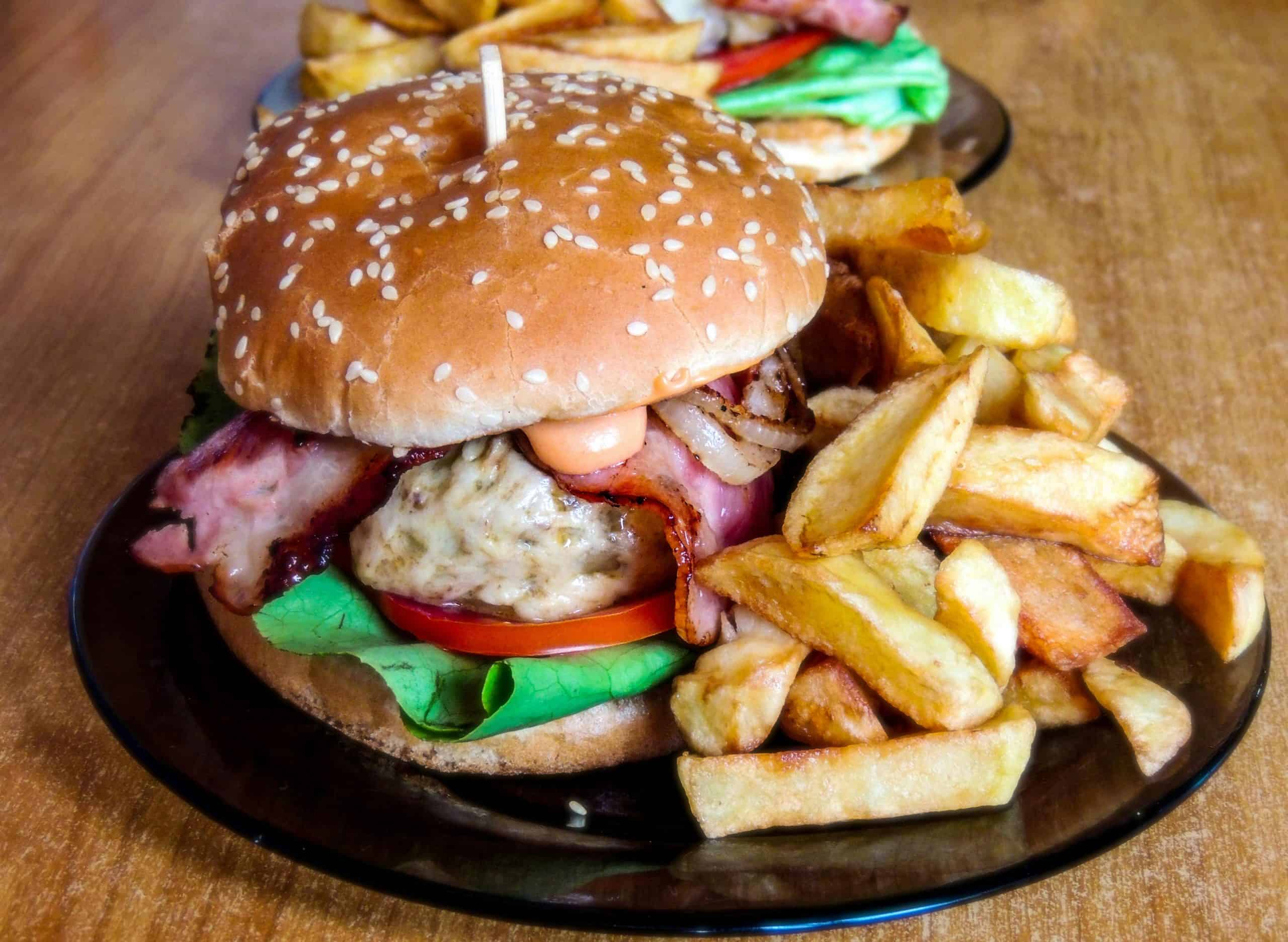
It’s noon. You’re running on fumes from a busy morning. The drive-through line is right there. A burger and fries sound like the fastest, easiest path to getting through the rest of your day.
I’ve been there. A lot of us have. And I’m not here to shame anyone for it. But after 37 years as a registered nurse, I’ve watched what a daily fast-food lunch habit does to a person’s energy, weight, inflammation levels, and long-term health. It is not pretty.
Here’s the thing nobody tells you: eating clean at lunch doesn’t have to be complicated, expensive, or sad. You don’t have to eat cardboard salads or give up everything that feels satisfying. You need clean eating fast food lunch swaps: better choices that actually satisfy.
That’s what this article is all about.
Heads up — some links in this post are affiliate links, meaning I may earn a small commission if you shop through them, at no additional cost to you. I only recommend products I truly love and use myself.
| Quick Answer: What Can I Eat Instead of Fast Food for Lunch? Swap your drive-through lunch with whole-food versions of the same satisfying flavors: a grass-fed beef or organic chicken salad instead of a burger and fries, Dave’s Killer Bread with uncured turkey and clean cheese instead of a deli sub, tallow or avocado oil chips instead of processed snack bags, and leftovers from a clean dinner when you have them. This guide covers every swap in detail — with real product recommendations and a nurse’s perspective on why the originals are doing you harm. |
The Problem with Fast Food Lunch (In Plain English)
I don’t believe in scare tactics. But I do believe in facts.
Most fast food lunches — a classic burger and fries, chicken nuggets, a deli sandwich from a chain, or a frozen TV dinner — share the same core problems:
- Refined seed oils (soybean, canola, corn) used for frying — highly inflammatory at the quantities used in fast food
- Processed and cured meats with sodium nitrate, artificial preservatives, and filler ingredients
- Refined white flour in buns, breading, and wraps that spike blood sugar quickly
- Artificial flavors, colors, and stabilizers throughout
- Sodium levels that can hit 1,500–2,000 mg in a single meal, close to or over the daily recommended limit
- Zero fiber, minimal micronutrients, and virtually no whole foods
What does that mean for your body? A blood sugar spike followed by a crash. Afternoon brain fog. Cravings hit hard by 3 PM. And over time, a steady drip of chronic inflammation that shows up as fatigue, joint pain, weight that won’t budge, and — in the long run — real disease risk.
As a nurse, I’ve seen this pattern play out hundreds of times. The good news is that swapping your lunch doesn’t require perfection or a culinary degree. It just requires knowing what to reach for instead.
Swap #1: Burger & Fries → Grass-Fed Beef or Organic Chicken on a Clean Base
The burger craving is real. I’m not dismissing it. What I am asking you to consider is what’s actually in a fast-food burger versus what you could make — or order — that gives you the same satisfaction without the inflammatory pile-on.
Why the Fast-Food Burger Is a Problem
- Most fast-food beef is grain-fed and factory-farmed — higher in omega-6 fatty acids, which contribute to inflammation
- The bun is white refined flour with additives, dough conditioners, and sometimes high-fructose corn syrup
- The fries are cooked in partially hydrogenated or highly refined seed oils, often at very high heat
- The condiments (special sauce, ketchup) add sugar, refined oils, and artificial flavors
The Clean Swap: Grass-Fed Beef or Organic Chicken Salad
This is where grass-fed beef and organic chicken breast earn their place at the clean eating table.
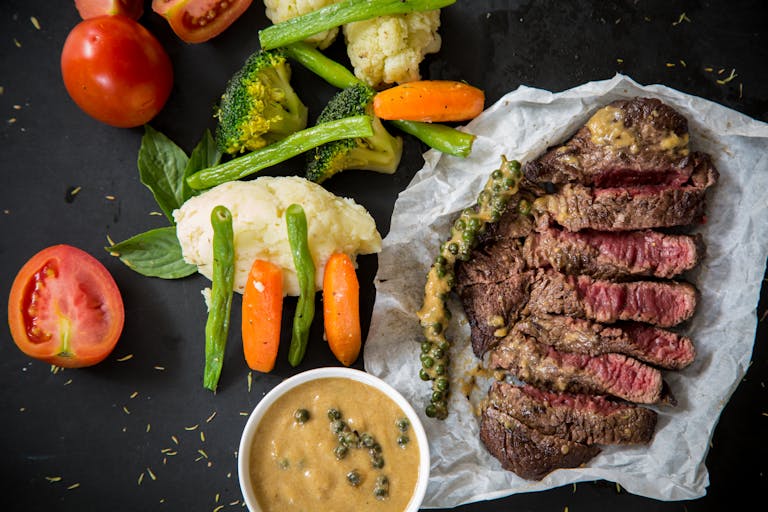
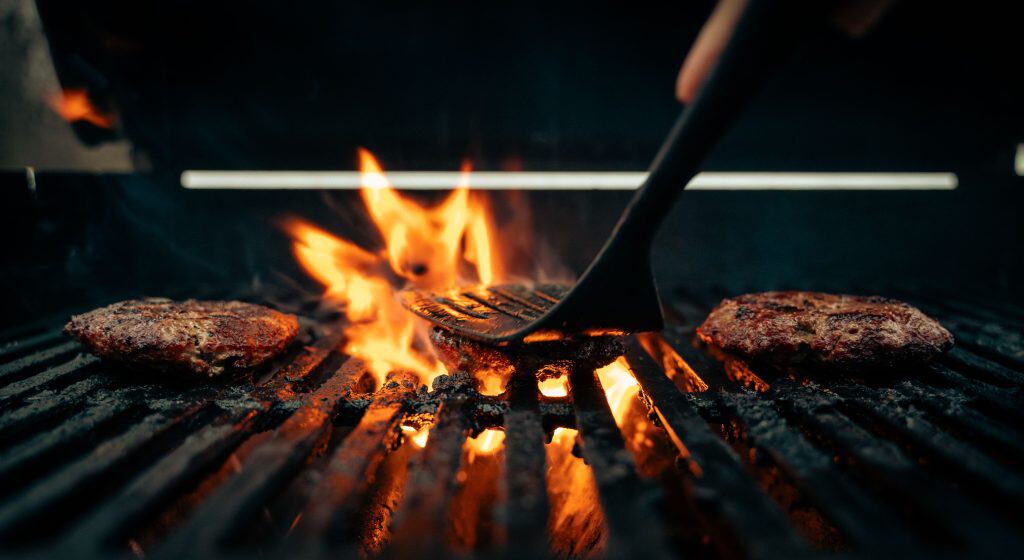
Grass-fed beef has a significantly better omega-3 to omega-6 ratio than conventional grain-fed beef. It’s also higher in conjugated linoleic acid (CLA), which research links to healthy body composition. When I make a burger at home with grass-fed ground beef — or throw it over a big salad — I’m getting the same satisfying protein hit without the inflammatory side effects.
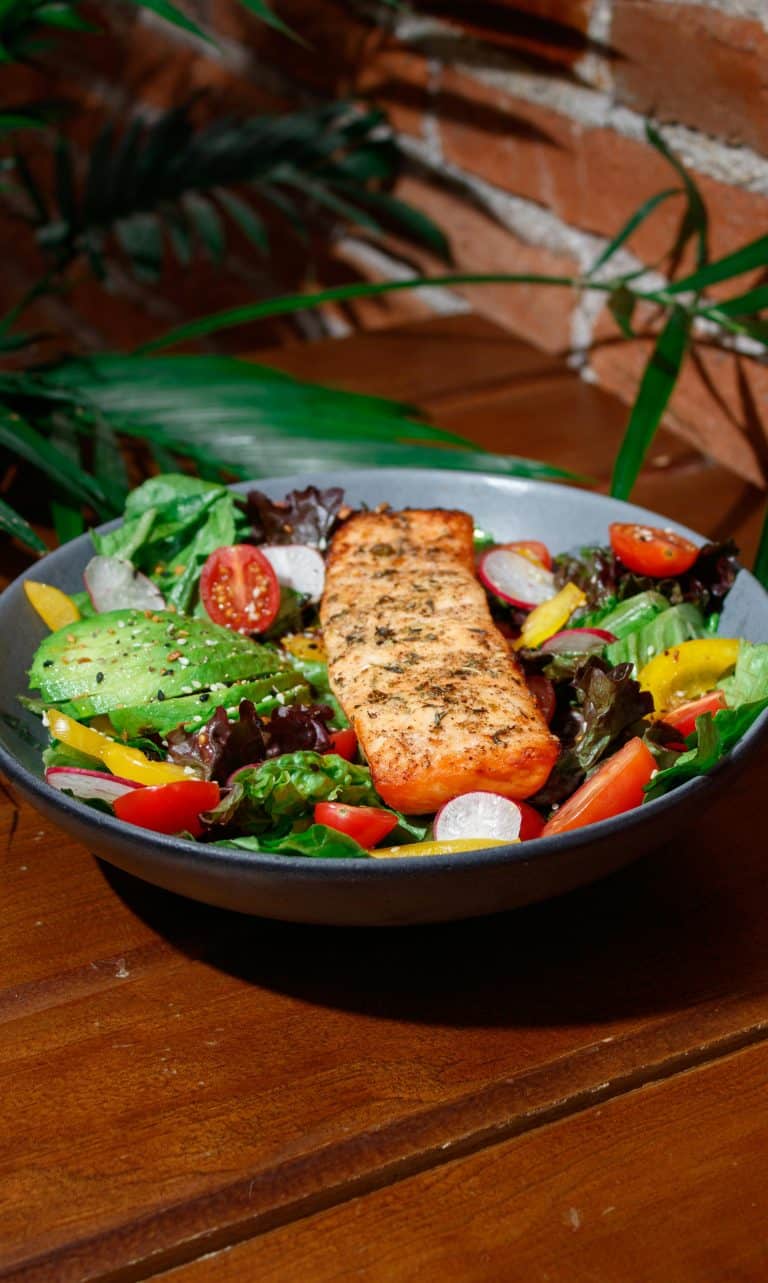
Organic chicken breast is my lunchtime workhorse. I batch-cook it on Sunday — a simple salt, pepper, and olive oil roast — and slice it over salads all week. It’s clean, high-protein, and takes five minutes to assemble Monday through Friday.
| Fast Food Original | Clean Eating Swap | What You Keep |
| Drive-through burger & bun | Grass-fed beef patty over mixed greens | Satisfying protein, savory flavor |
| Cheeseburger with special sauce | Grass-fed burger + avocado + clean mustard | Creamy, satisfying, no junk oils |
| Grilled chicken sandwich | Organic chicken breast salad, olive oil dressing | Same lean protein, no refined bun |
| Chicken caesar wrap | Grilled chicken + romaine + clean caesar dressing | Classic flavors, whole food base |
| Fast food side salad | Build-your-own with greens, veggies, clean protein | More nutrients, better satiety |
| What Makes Beef ‘Grass-Fed’ and Why It Matters Grass-fed means the cattle ate grass throughout their lives, not grain in a feedlot. This matters because: • Better omega-3 to omega-6 ratio (less inflammatory) • Higher in vitamins A and E • Higher in CLA (conjugated linoleic acid) • No routine antibiotic use in most grass-fed operations Look for labels that say ‘100% grass-fed and grass-finished’ — not just ‘grass-fed,’ which can mean the animal was grain-finished. |
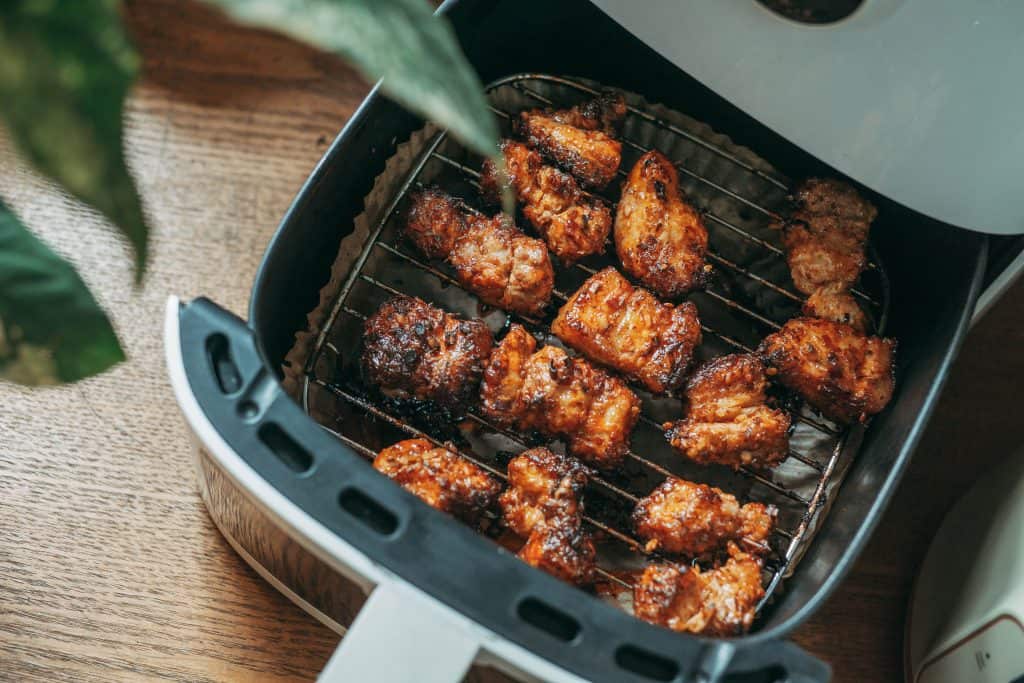
Swap #2: Chicken Nuggets & Waffle Fries → Better Bites with Real Ingredients
Chicken nuggets are one of those foods that sound simple — chicken, right? — until you read the ingredient label. Most fast-food nuggets contain a long list including modified food starch, sodium phosphates, dextrose, natural flavors, and are fried in refined soybean or canola oil.
The waffle fries situation is similar. It’s not just potato — it’s potato plus a coating of refined oil, dextrose, and disodium dihydrogen pyrophosphate (a preservative to maintain color). Cooked at high temperatures in seed oils that are known to produce inflammatory byproducts.
Better Nugget & Fry Swaps
| Fast Food Original | Clean Eating Swap | Why It’s Better |
| Chicken nuggets (fast food) | Baked or air-fried chicken bites, almond flour crust | Whole chicken breast, clean coating, no seed oils |
| Waffle fries (fast food) | Roasted sweet potato wedges (olive or avocado oil) | Whole food, anti-inflammatory fats, fiber |
| Nuggets & dipping sauce | Chicken bites + clean honey mustard (Dijon + raw honey) | Real ingredients, no HFCS or gums |
| Fast food kids nuggets | Batch-baked homemade nuggets (freeze extras) | Know every ingredient, freeze for fast days |
| Fried chicken strips | Organic chicken strips, coconut oil pan-sear | Clean fat, whole protein, no additives |
| Nurse’s Tip: Why Seed Oils Are Worth Avoiding Refined seed oils — soybean, canola, corn, sunflower — are used in virtually all fast-food frying. They are processed with chemical solvents, deodorized at extremely high temperatures, and have an omega-6 to omega-3 ratio that can reach 20:1 or higher. When these oils are heated repeatedly (as in commercial fryers), they produce aldehydes and other oxidation byproducts linked to inflammation and cellular damage. Swapping to avocado oil, olive oil, or tallow (beef fat) for home cooking gives you stable fats that don’t oxidize at high heat. Your body knows the difference. |
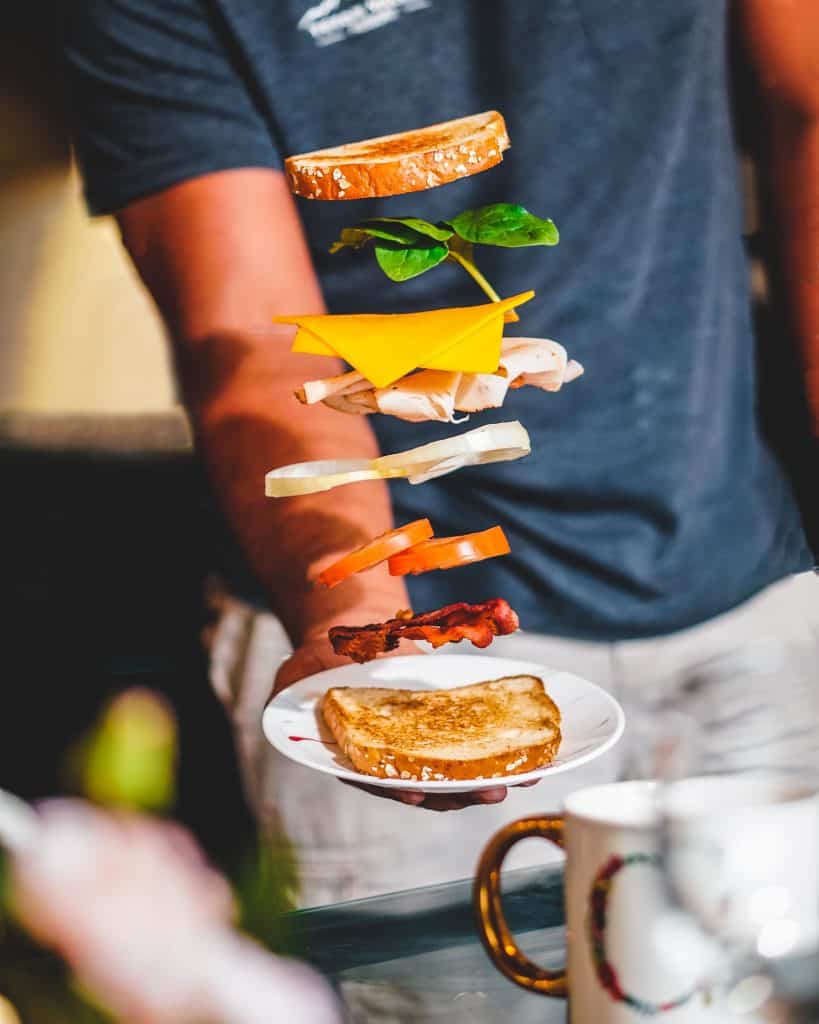
Swap #3: White Bread Sandwich with Processed Lunch Meat & Chips → The Clean Deli Upgrade
This one is close to my heart because it’s the most common “I’m eating at home, so it must be healthier” trap I see.
A white-bread sandwich with conventional deli turkey or ham, a slice of American cheese, and a bag of Cheez-Its is not a clean meal. It is a processed meal eaten sitting down. The white bread spikes blood sugar just like a fast-food bun. The deli meat is loaded with sodium nitrate, fillers, and sometimes corn syrup. The cheese doodles are refined cornmeal, artificial flavoring, and seed oils in every handful.
But here’s the good news: the clean version of a deli sandwich is genuinely delicious. And it takes the same three minutes to make.
The Bread: Dave’s Killer Bread
Let me be direct about this because I get asked all the time.
Is Dave’s Killer Bread clean eating? Yes — it’s one of the best clean-eating breads on the market. Dave’s uses organic whole grains and seeds, with no artificial preservatives, no high-fructose corn syrup, and no refined flour. Their 21 Whole Grains and Seeds variety is my personal staple. The ingredient list is short and recognizable. It’s also widely available, which matters when we’re talking about sustainable habits.
Compare that to conventional white sandwich bread, which can have 30+ ingredients, including enriched flour (stripped whole grain, then synthetic vitamins added back), high-fructose corn syrup, calcium propionate, azodicarbonamide, and soybean oil.
The Meat: Uncured Turkey or Ham
What is uncured lunch meat? Uncured deli meat means it was processed without synthetic sodium nitrate or nitrite — the preservatives in conventional cured meats that have been linked to increased colorectal cancer risk. Instead, uncured meats use natural ingredients like celery juice or sea salt for preservation.
My top picks: Cooper Farms and Applegate Organics uncured turkey breast and uncured ham. Clean ingredient lists, no mystery additives, and available at most grocery stores, including Walmart, Costco, and Target.
The Cheese: Real, Minimally Processed
Skip the American cheese slices — they are not actually cheese. They are “processed cheese products,” which means they contain cheese, added emulsifiers, artificial color, and stabilizers.
Instead, reach for real sliced cheese: organic sharp cheddar, pepper jack, Swiss, or provolone. The fewer ingredients on the label, the better. A clean cheese label should say: pasteurized milk, cheese cultures, salt, and enzymes. That’s it.
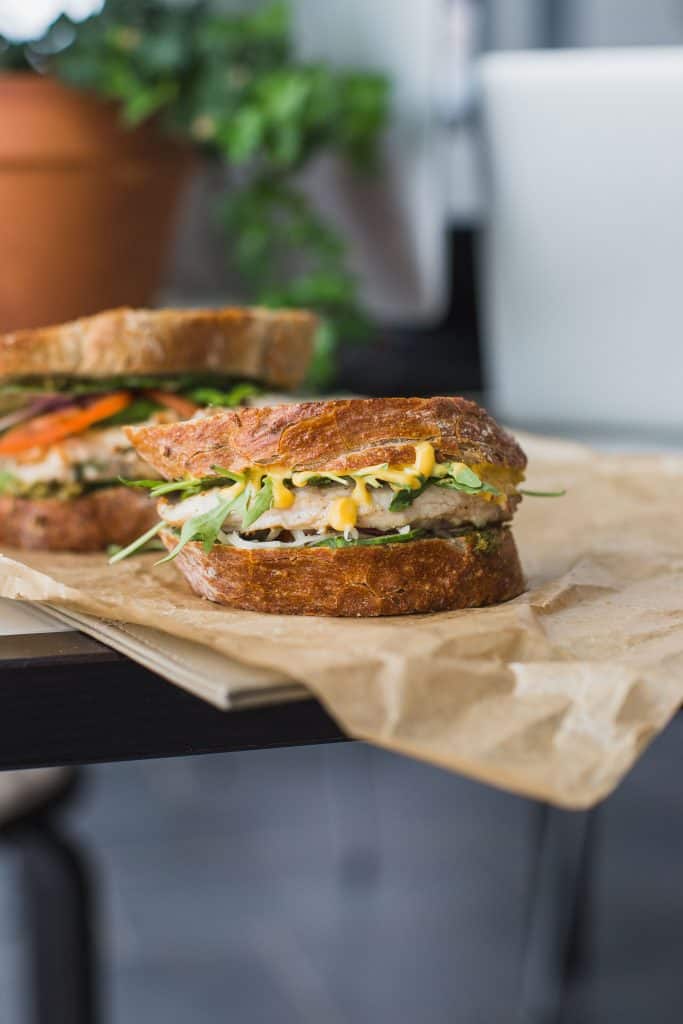
| Processed Original | Clean Eating Swap | Notes |
| White sandwich bread | Dave’s Killer Bread 21 Whole Grains & Seeds | Organic, whole grain, no HFCS |
| Conventional deli turkey/ham | Applegate uncured turkey or ham | No synthetic nitrates, cleaner ingredient list |
| American cheese slices | Organic sharp cheddar or Swiss (real cheese) | Pasteurized milk + cultures + salt — nothing else |
| Mayo (conventional, soybean oil base) | Avocado oil mayo (Primal Kitchen) or smashed avocado | Clean fats, same creamy texture |
| Yellow mustard with additives | Organic Dijon or stone-ground mustard | Simple ingredients, great flavor |
| Iceberg lettuce (low nutrition) | Arugula, spinach, or romaine | More fiber and micronutrients |
| Build the Perfect Clean Deli Sandwich: 2 slices of Dave’s Killer Bread 21 Whole Grains & Seeds. 3–4 oz Applegate uncured turkey or ham. 1–2 slices organic 365 Whole Foods Swiss or sharp cheddar. Smashed avocado or Primal Kitchen or Chosen Foods avocado mayo. Organic Dijon mustard. Handful of arugula or spinach, sliced tomato, red onion, and cucumber. Total time: 3 minutes. Total real ingredients: 100%. Total satisfaction: high. |
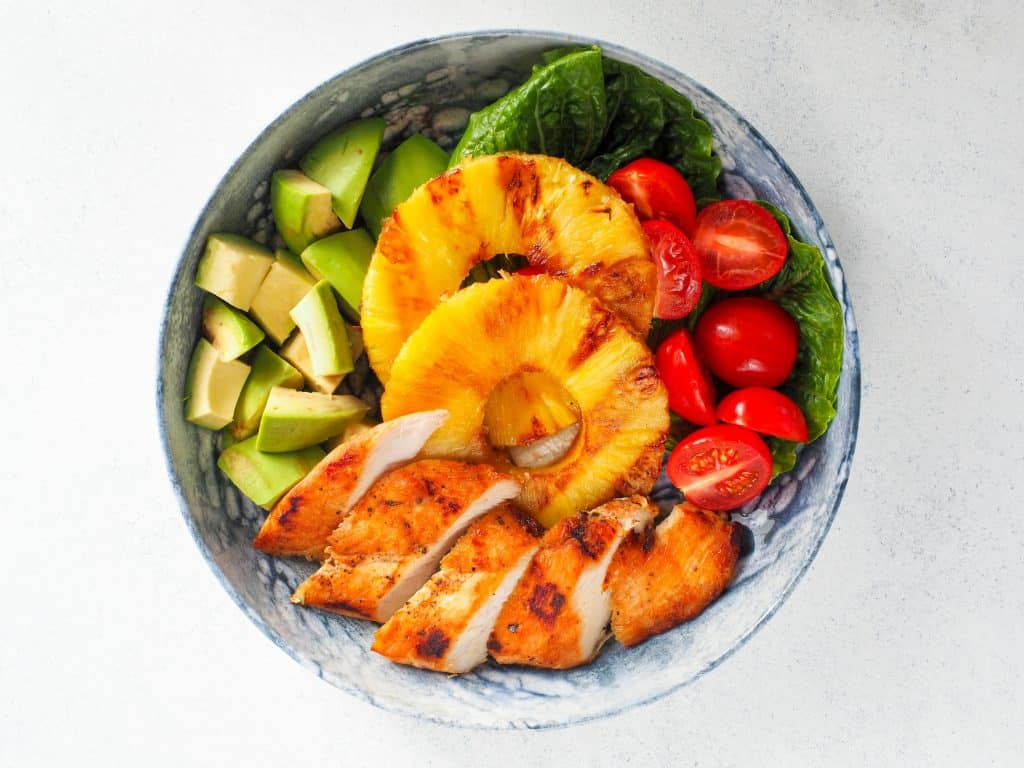
Swap #4: TV Dinners → Real Food Fast (Including Last Night’s Dinner)
TV dinners and frozen “convenience” meals are one of the most aggressively marketed categories in the grocery store. They promise balanced meals, portion control, and easy lunch solutions. What they actually deliver is a sodium bomb wrapped in plastic with a side of preservatives.
A typical frozen lunch entrée can contain 800–1,200 mg of sodium, refined vegetable oils, modified food starch, maltodextrin, and “natural flavors” as filler. Even the “healthy” brands often use the same base ingredients with a lower-calorie label slapped on the front.
But here’s my honest secret for the busiest days:
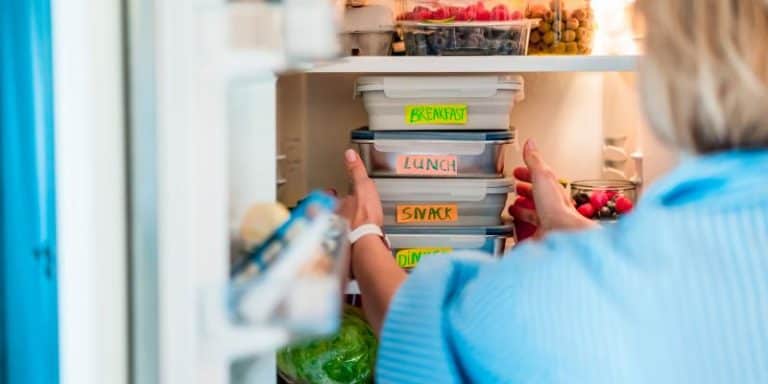
| 🍽️ The Best Clean Lunch Is Last Night’s Dinner. This is the simplest, most underused strategy in clean eating. When you cook a clean dinner — a roasted chicken, a grass-fed beef stir-fry, baked salmon with vegetables, or a pot of soup — make extra. Double the recipe. Pack the leftovers the night before. The next day, your lunch is already made. It’s already clean. It costs you zero additional time. And it’s almost always more satisfying than anything you could grab from a freezer section or a drive-through. I’ve been doing this for years. On the weeks I batch-cook and pack leftovers, my nutrition is significantly better with zero extra effort. |
When You Don’t Have Leftovers: Quick Clean Alternatives
| TV Dinner / Frozen Meal | Clean Real-Food Swap | Prep Time |
| Frozen pasta entrée | Leftover roasted chicken over zucchini noodles | 5 min (with prepped chicken) |
| Frozen “healthy” diet meal | Grass-fed beef or chicken salad with olive oil dressing | 10 min |
| Microwave mac & cheese | Organic elbow pasta + real shredded cheddar + butter | 12 min |
| Frozen stir-fry meal | Leftover stir-fry veggies + organic rice + coconut aminos | 5 min reheat |
| Frozen soup | Homemade batch soup (freeze in portions yourself) | 0 min lunch day |
| Canned ravioli or pasta | Organic bean soup + Dave’s Killer Bread + clean cheese | 3 min open + toast |
Want a full week of clean lunch ideas mapped out for you? I put together a detailed 5-Day High-Protein Clean Lunch Menu that makes this even easier. You can find it right here on the blog:
▶ Read Next: Clean Eating Lunch Made Easy: My 5-Day High-Protein Menu
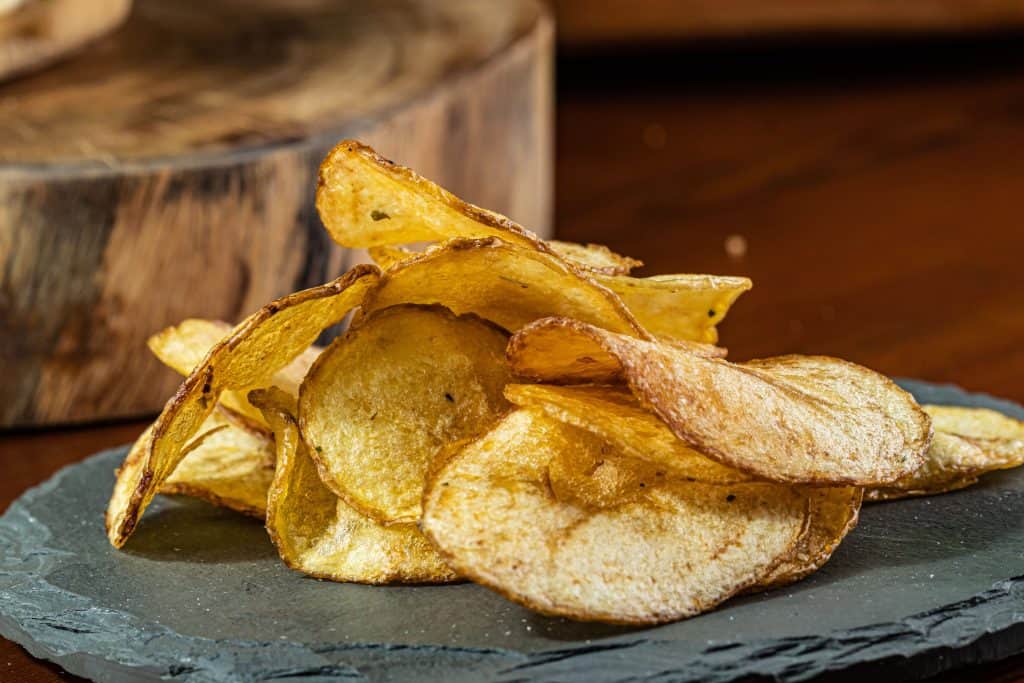
Clean Chips & Snack Swaps: What to Grab Instead of Cheese Doodles and Processed Bags
Let’s talk about the side. Because a clean sandwich or salad can get completely undone by what you eat alongside it.
A bag of cheese doodles, conventional potato chips, or crackers cooked in refined seed oils is not a neutral snack. It’s an inflammatory delivery vehicle. The refined oils, the artificial cheese flavor, the modified starch — they don’t just slide by unnoticed in your body. They add to the load.
The good news is that there are genuinely good chip options now that use clean fats and simple ingredients. Here’s how I sort through them.
The Clean Chip Standard
When I pick up a chip bag, I look for three things:
- Cooked in a clean fat — avocado oil, olive oil, coconut oil, or tallow (beef fat)
- My favorite go-tos: Boulder Canyon Avocado Chips, Clancy’s Avocado Chips (Aldi), Siete Sea Salt & Vinegar chips, and Boulder Canyon Tallow Chips
- Short ingredient list — ideally 3–5 ingredients, all recognizable
- No artificial flavors, colors, or mystery “seasoning blends” with hidden additives
Tallow Chips: The Old-Fashioned Clean Fat Making a Comeback
Before seed oils took over in the mid-20th century, chips and fried foods were often cooked in beef tallow — a stable, naturally saturated fat that handles high heat beautifully without oxidizing.
Tallow chips are making a real comeback in the clean-eating world, and for good reason. They’re stable at high heat, they don’t produce the inflammatory byproducts that seed oils do when heated, and they taste rich and satisfying. Brands like Forager and small-batch producers carry tallow-cooked chips — check your health food store or Thrive Market.
| Ditch This Snack | Grab This Clean Swap | Key Benefit |
| Cheese doodles | Siete grain-free tortilla chips (avocado oil) | No seed oils, clean seasoning |
| Conventional potato chips | Tallow-cooked potato chips | Stable fat, no oxidation |
| Ritz crackers | Almond flour crackers (Simple Mills) | Grain-free, clean ingredients |
| Doritos | Organic blue corn chips (avocado oil) | Whole grain, clean fat |
| Microwave popcorn (flavored) | Plain air-popped popcorn + sea salt + butter | Whole grain, real fat, no chemicals |
| Cheese crackers | Mary’s Gone Crackers (organic seeds/grains) | Short ingredient list, whole food base |
| Pretzels (white flour) | Cassava flour pretzels or rice cakes | Whole food alternative, no refined flour |
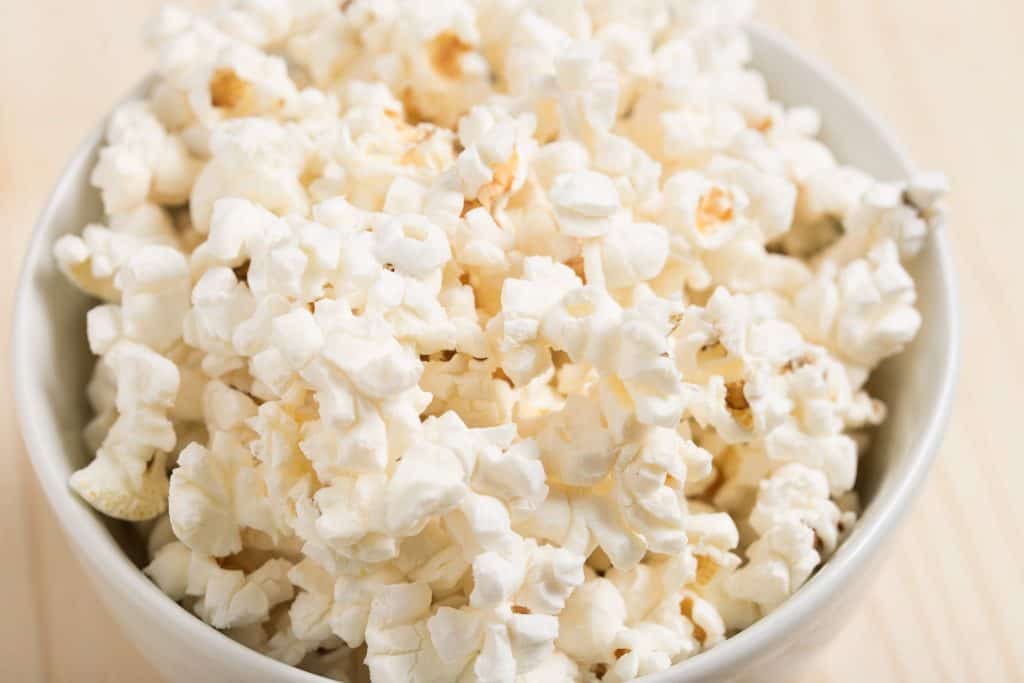
A Word on Popcorn
Plain popcorn — air-popped or popped on the stovetop in avocado oil, coconut oil, or butter — is a legitimately clean snack. It’s a whole grain, it has fiber, and it’s genuinely satisfying.
Nowadays, you can find air-popped popcorn in bags for convenience: My favorites are Lesser Evil Organic Himalayan Salt and Khloud Protein Popcorn.
The problem is microwave popcorn. Conventional microwave bags contain PFAS-coated linings (linked to hormone disruption), artificial butter flavoring (diacetyl has been associated with lung damage in occupational exposure studies), and refined oils.
My swap: a silicone microwave popcorn popper or stovetop pot, organic kernels, and real butter or coconut oil. Sprinkle with sea salt and a little nutritional yeast adds that cheesy flavor. Done in four minutes.
My Go-To Clean Lunch Formula (Works Every Day)
After years of figuring out what actually sticks — for myself and for the patients I’ve counseled — here’s the lunch formula I come back to again and again:
| Component | Clean Eating Goal | Example Options |
| Protein (palm-sized portion) | Grass-fed beef, organic chicken, uncured turkey, pastured eggs, wild salmon | Batch-cooked chicken, leftover beef, 2 boiled eggs |
| Base / Carb | Whole grain, leafy greens, or vegetable base | Dave’s bread, mixed greens, roasted sweet potato, organic rice |
| Healthy Fat | Avocado, clean dressing, real cheese, olive oil | Half avocado, 1 tbsp olive oil, Primal Kitchen mayo |
| Fiber / Vegetables | At least 1–2 cups of vegetables or greens | Cucumber, tomato, arugula, roasted broccoli, raw bell pepper |
| Snack / Side | Clean chips, popcorn, or whole fruit | Avocado oil chips, air-popped popcorn, an apple |
The goal isn’t to measure everything perfectly. It’s to build a plate where every component is a real food with a short, recognizable ingredient list. When you eat this way consistently, the drive-through stops looking like a solution — because you stop feeling like you’re missing anything.
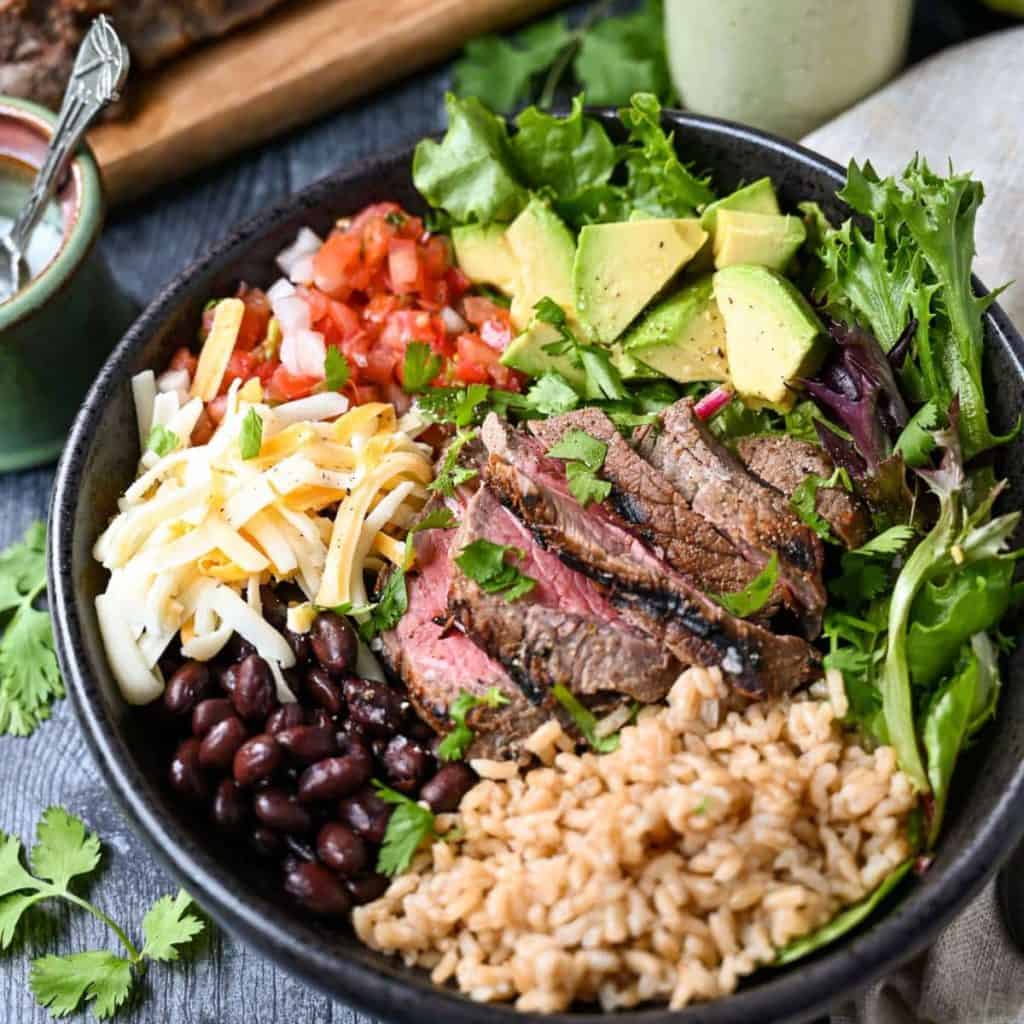
Read Next: My 5-Day High-Protein Clean Lunch Menu
I know that knowing the swaps and actually building a week of clean lunches are two different things. That’s why I put together a full 5-Day High-Protein Lunch Menu on the blog — five complete days, each meal mapped out with protein counts, clean ingredients, and prep notes so you can actually execute it.
It pairs perfectly with everything we covered here. You’ll see the swaps in action — grass-fed beef, Dave’s bread, clean sides, and plenty of leftover-based meals that make the weekday grind actually manageable.
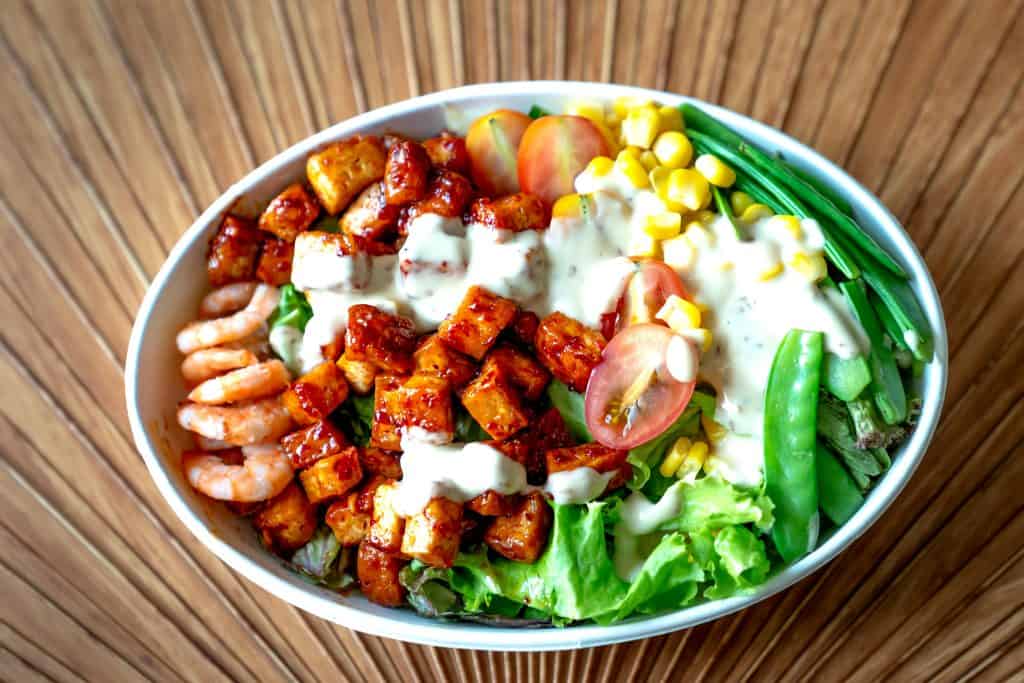
▶ Get the full menu here: Clean Eating Lunch Made Easy: My 5-Day High-Protein Menu
kelliannscheibe.com/clean-eating-lunch-made-easy
You Can Do This — One Lunch at a Time
I want to leave you with something a patient told me once, years ago. She’d been working on cleaning up her diet for a few months, and I asked her how it was going. She said, “I stopped eating at the drive-through, and I thought I’d miss it. But mostly I just feel better.”
That’s it. That’s the whole story. You don’t have to overhaul everything overnight. Start with one meal. Maybe this week it’s swapping your Friday deli sandwich for a Dave’s Killer Bread version with Applegate turkey. Maybe next week it’s batch-cooking a chicken on Sunday so your lunch is done before Monday even starts.
Small swaps, stacked over time, create the kind of lasting change that no diet plan ever could.
You’ve got this. And I’ve got you.
| Free Download: The Clean Lunch Swap Cheat Sheet All the swaps from this article in a single printable page — perfect for your fridge or your next grocery run. Drop your email below and I’ll send it right to you. [EMAIL OPT-IN CTA: “Yes! Send Me the Cheat Sheet” — link to lead magnet form] |