How to Transition to Clean Eating Without Feeling Overwhelmed


Introduction
Did you know that a 2025 Consumer Food Insights survey found that among Americans who want to improve their diets, 71% aren’t actually doing so? I used to be in that frustrated majority. I’d spend a Sunday afternoon watching healthy cooking videos, get completely fired up, drive to the grocery store, buy a bunch of vegetables, exotic grains, and things I’d never cooked before, and then stand in my kitchen completely clueless about what to do with any of it. By Wednesday, I’d bake a store-bought pizza and watch the vegetables wilting.
Sound familiar? I thought so.
Here’s what I figured out after years of starting over: the problem was never my motivation. It was my approach. I kept trying to transition to clean eating all at once — overhauling my entire diet in a single weekend — and that’s just not how lasting change works for real people with real lives. Changing the way you eat is one of the most meaningful things you can do for your health. But it doesn’t have to feel like a total life upheaval to work.
In this guide, I’m going to walk you through a realistic, step-by-step approach to transitioning to clean eating that doesn’t require perfection, a huge budget, or culinary school training. We’re going to take this one manageable step at a time. And by the end, you’ll have a clear, doable plan that actually fits your life. Let’s start from the beginning.
And if you’re reading this in September, even better — there’s something about this time of year that makes a fresh start feel natural. Routines are resetting, schedules are firming up, and the summer chaos is settling down. You don’t need to wait for January 1st to decide today is the day you start. September works just fine.

Why Transitioning to Clean Eating Feels So Hard (And Why That’s Normal)
First, can we normalize the fact that changing your eating habits is genuinely hard? Not hard because you’re weak or undisciplined — hard because the entire food environment we live in is engineered to work against you. Processed food is everywhere; it’s cheap, it’s convenient, and it’s designed by scientists to be nearly impossible to stop eating. You’re not failing to resist junk food. You’re trying to resist a billion-dollar industry. Of course it’s hard.
Then add the information overload. You search for “how to start eating clean” and get 500 conflicting opinions. This person says to cut all carbs. That one says go vegan. Another says to eat six meals a day. Someone else says intermittent fasting is the only way. It’s genuinely maddening, and the overwhelm of trying to sort through it all stops many people before they even take a first step. I’ve been there – more than once.
Here’s the other big thing: most people try to go cold turkey, and cold turkey rarely works for long-term habit changes. Research on habit formation consistently shows that gradual, incremental changes are far more likely to stick than dramatic overnight overhauls. Your brain forms new habits through repetition and small wins — not through willpower-powered sprints that are impossible to sustain.
Feeling overwhelmed when you try to transition to clean eating isn’t a sign that you can’t do it. It’s a sign that you’ve been trying to do too much at once. The solution isn’t more motivation. It’s a smarter, slower, more forgiving approach. And that’s exactly what this guide is going to give you.
Step 1 — Start With Awareness, Not a Pantry Purge
Every sustainable change starts with awareness. Before you toss anything out or buy anything new, I want you to spend a week paying attention to what you’re actually eating. Not judging it, not trying to change it — just noticing.
Keep a simple food journal for five to seven days. It doesn’t have to be fancy. A notes app on your phone works fine. Just jot down what you eat and drink throughout the day, roughly when you eat it, and how you feel afterward. No calorie counting, no macro tracking — just awareness. This exercise is eye-opening for most people. You start to notice patterns you hadn’t consciously registered. The afternoon candy bowl at the office. The mindless crackers while watching TV. The coffee drink that has more sugar than a dessert.
Once you have a week of data, look for your biggest sources of processed food. Not to shame yourself — to prioritize. Where is the most junk sneaking into your diet? Is it breakfast? Afternoon snacks? Drinks? That’s where your first clean-eating swaps will have the biggest impact, and that’s where you’ll focus first.
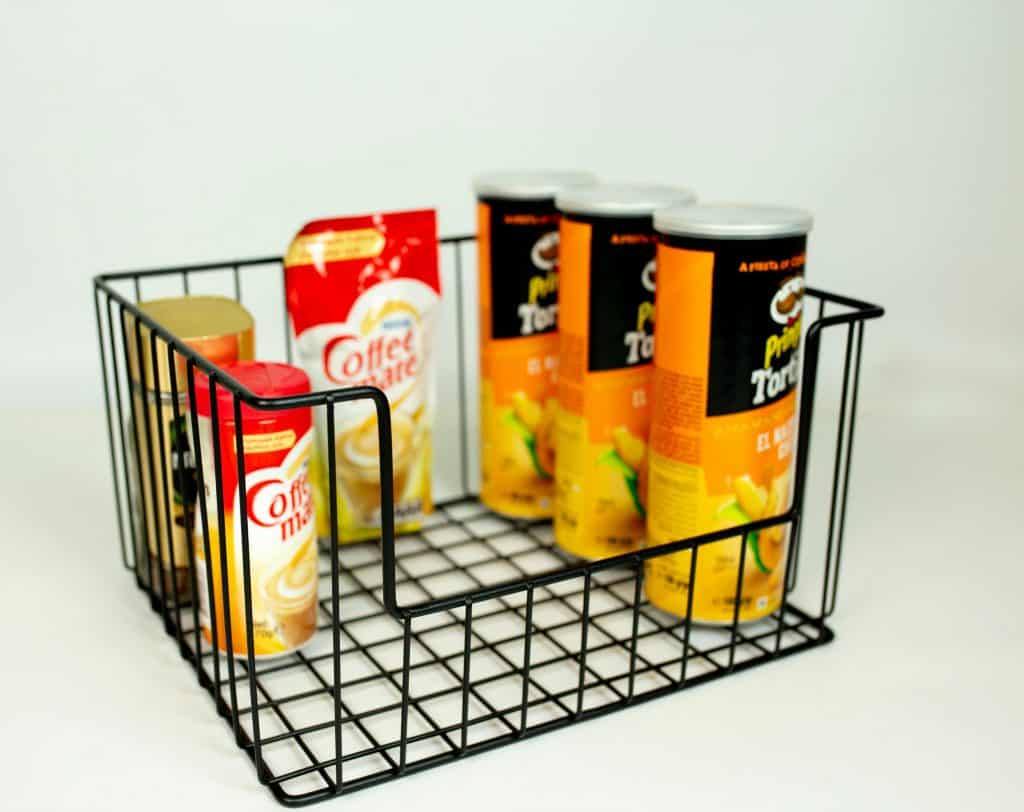
One thing I want to be really clear about: do not do a dramatic pantry purge on day one. I know it feels satisfying to pull everything out and start fresh, and I know the internet loves a dramatic “cleaning out my cabinets” video. But throwing out $100 of food and replacing it with stuff you don’t know how to cook is a recipe for overwhelm and waste. Awareness first. Action second. We’re building this intentionally.

Step 2 — Make One Simple Swap at a Time
This is the method that actually worked for me after years of failed all-or-nothing attempts, and it’s the approach I recommend to anyone who asks how to start eating clean without losing their mind. One swap at a time. That’s it.
The idea is simple: identify one food or drink in your current diet and replace it with a cleaner version. Just one. Then practice that swap for a week or two until it feels normal and automatic. Then add another. The compound effect of one swap per week over the course of a few months is genuinely remarkable — and because each change is small, none of them feel overwhelming.
Some great first swaps depending on where your biggest opportunities are:
- White sandwich bread → 100% whole grain bread (check that whole wheat is the first ingredient)
- Flavored yogurt → plain Greek yogurt with fresh berries and a drizzle of honey
- Regular soda → sparkling water with lemon or a splash of 100% juice
- Vegetable oil → extra virgin olive oil
- Sugary breakfast cereal → rolled oats with banana and nut butter
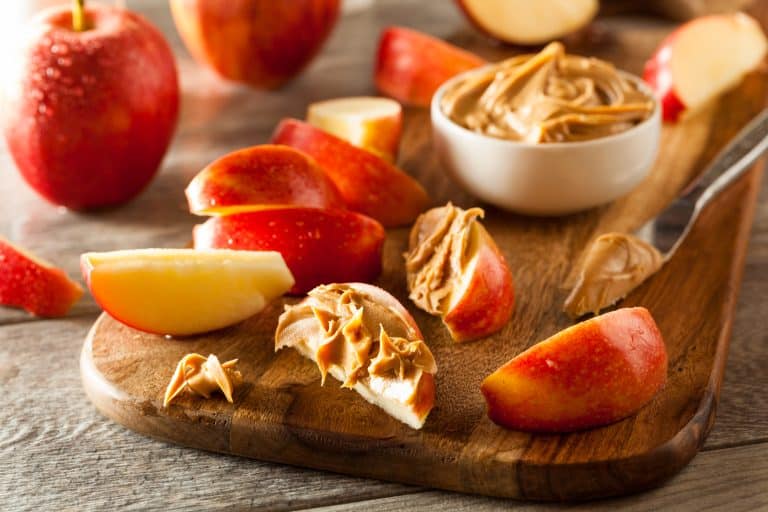
- Chips as a snack → apple with almond butter or a small handful of mixed nuts
- Bottled salad dressing → olive oil, red wine vinegar, and a pinch of salt & pepper
Choose the swap that feels most doable to you — not the most impressive one, the most doable one. Small wins build momentum. Momentum builds consistency. Consistency builds a new way of eating. None of that happens if you bite off more than you can chew in week one.
Step 3 — Do a Gradual Pantry and Fridge Clean-Out
Around week two or three of your transition, once you’ve got a couple of swaps under your belt and you’re starting to feel some momentum, it’s time to start thinking about your kitchen environment. Because here’s the truth: if your pantry is full of processed food, you will eat processed food. It’s just easier. Clean eating becomes more automatic when clean food is what’s available in your house.
But again — gradual. Not dramatic. The method I recommend is “replace as you go.” When something runs out, replace it with a cleaner version. Finish the white rice? Buy brown rice next time. Use up the vegetable oil? Replace it with olive oil. Run out of regular pasta? Switch to whole grain. This approach spreads the transition over several weeks, keeps your grocery bill manageable, and reduces waste.
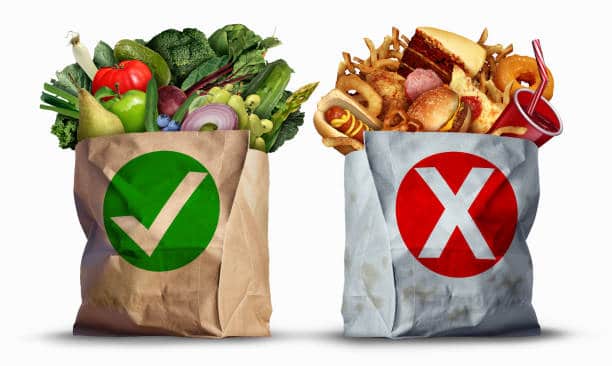
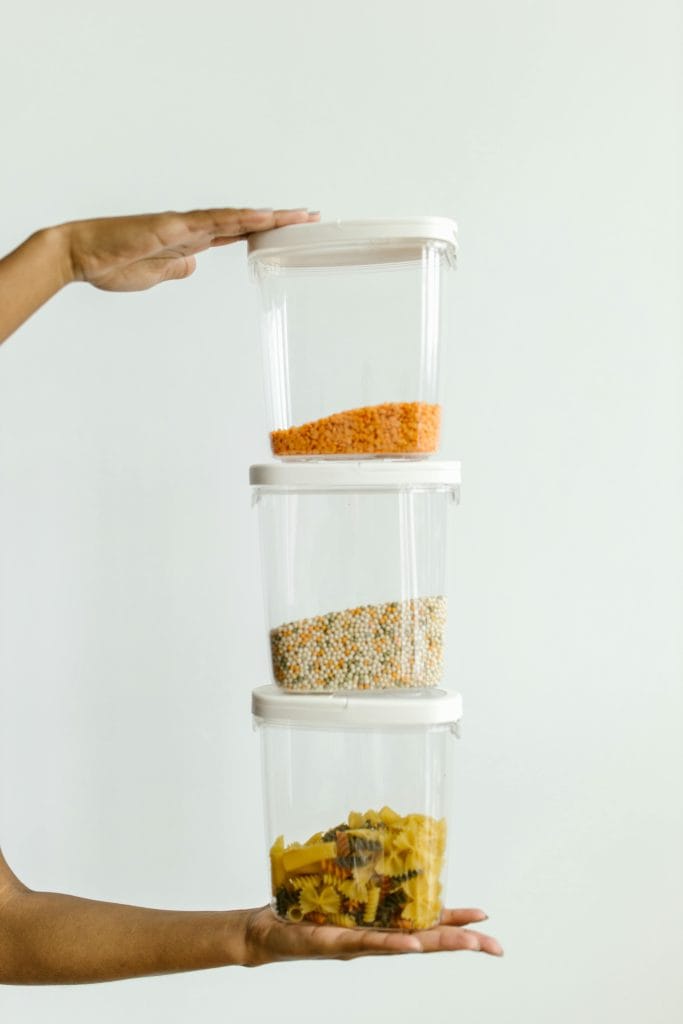
As you work through your pantry, here’s a simple framework: keep, replace, or toss. Keep items that are already clean — canned beans, olive oil, spices, oats, nuts. Swap items for cleaner alternatives — white grains, refined oils, sugary condiments. Toss items that don’t have a clean version and that you know are working against your goals — think processed snack foods, candy, sugary cereals.
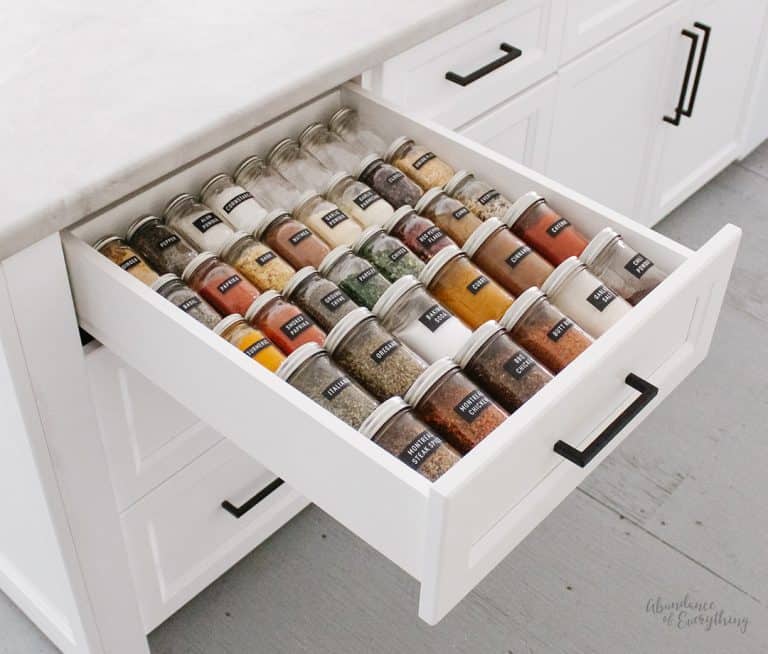
Your clean eating pantry foundation should eventually include: rolled oats, brown rice, quinoa, whole grain pasta, canned beans and lentils, canned tomatoes, olive oil, coconut oil, nut butters, a variety of nuts and seeds, vegetable or chicken bone broth, apple cider vinegar, and a good collection of herbs and spices. These staples make it possible to throw together a clean meal quickly, which is exactly what you need on a busy weeknight when ordering takeout is calling your name.

Step 4 — Build Your First Clean Eating Grocery List
One of the biggest stumbling blocks for clean-eating beginners is the grocery store. Without a plan, it’s incredibly easy to wander the aisles, get overwhelmed, or fall back on familiar (processed) choices. A simple, repeatable weekly grocery list is one of the most practical tools in your clean-eating toolkit.
I organize my list into five categories, and I recommend you do the same:
Proteins: Chicken breast or thighs, salmon, canned tuna, eggs, cottage cheese, plain Greek yogurt, canned beans or lentils
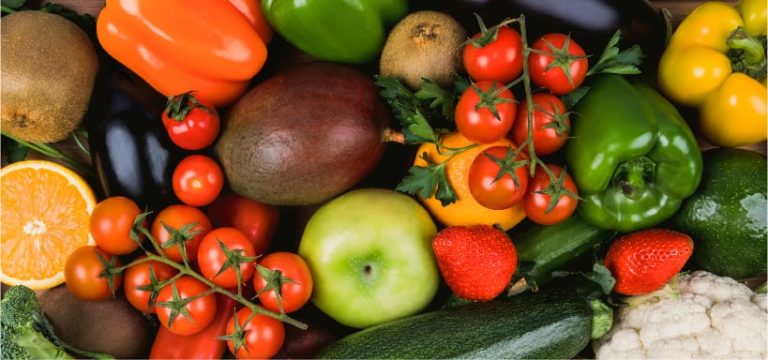
Produce: Whatever vegetables and fruits look good this week — aim for variety and color. Frozen is completely fine and often more affordable.
Whole Grains: Rolled oats, brown rice, quinoa, whole grain bread or wraps
Healthy Fats: Avocados, extra virgin olive oil, butter, a variety of nuts, seeds, and nut butter
Extras: Canned tomatoes, low-sodium broth, herbs and spices, lemons, garlic
Keep your list simple and repeat it most weeks with minor seasonal variations. The goal isn’t to buy exciting new superfoods every week — it’s to have reliable, affordable, clean ingredients in your kitchen consistently. Reliability is what makes clean eating sustainable over the long term.
Budget tip: eggs, oats, frozen vegetables, canned beans, and bananas are among the cheapest foods in the store and also some of the most nutritious. If money is tight, build your clean eating around these staples, and you’ll eat well without breaking the bank.

Step 5 — Start Meal Prepping (Even Just a Little)
If there’s one habit that makes the biggest difference in a clean-eating transition, it’s meal prep. Not because you need to spend four hours on Sunday cooking elaborate meals — but because when clean food is already made and waiting in your fridge, you don’t have to make hard decisions when you’re tired, hungry, and tempted by the drive-through.
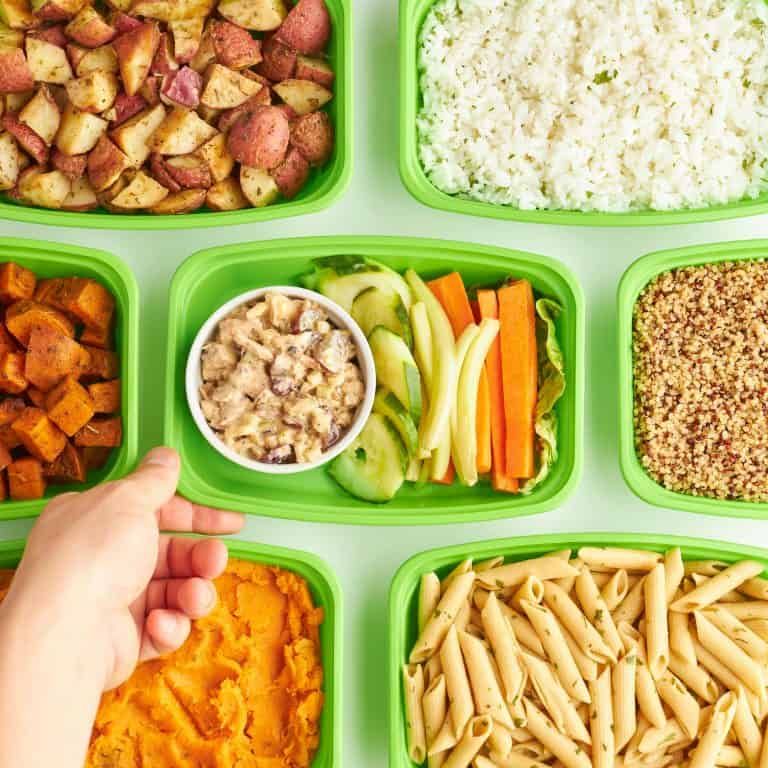
Beginner meal prep doesn’t have to be complicated. My minimum effective Sunday prep looks like this: cook a big batch of grains (quinoa or brown rice), roast a sheet pan of vegetables, hard-boil a half-dozen eggs, wash and portion some fruit, and maybe cook a simple protein like a few chicken breasts or a can of drained chickpeas tossed in olive oil and spices. That’s 30 to 45 minutes of actual work, and it means I have building blocks for clean meals all week.
From that prep session, I can make grain bowls, salads, egg scrambles, veggie-loaded wraps, and quick stir-fries without having to think hard or start from scratch. The decision fatigue of “what do I eat?” is one of the biggest drivers of falling back on processed food — especially at the end of a long day. Prep removes that barrier almost entirely.
Start smaller than you think you need to. Even just prepping your breakfasts for the week — portioning out overnight oats, washing fruit, boiling eggs — can make a meaningful difference in how your mornings go. Add more to your prep routine as you get comfortable. This isn’t about being a meal prep hero. It’s about making it easier to choose clean food when you’re tired and hungry, and your willpower is at zero. If you want a done-for-you starting point, my Clean Eating 5-Day Plan lays out simple meals for your first week so you’re not planning from scratch.

Step 6 — Handle Cravings and Detox Symptoms Like a Pro
Here’s something I wish someone had told me during my first real clean eating transition: the first one to two weeks can feel kind of rough, and that’s actually a sign that things are working. When you significantly reduce processed food, added sugar, and artificial ingredients, your body goes through an adjustment period. Headaches, fatigue, irritability, and strong cravings are all common — and all temporary.
The sugar withdrawal piece is real. If you’ve been eating a lot of added sugar — and most Americans are, whether they realize it or not — reducing it quickly can cause headaches and intense cravings for a week or so. This is your body recalibrating. It passes. Staying well-hydrated, eating enough healthy carbohydrates (this is not the time to go low-carb), and getting adequate sleep all help ease the transition.
When cravings hit — and they will hit — have a clean swap ready. Craving something sweet? Eat a piece of fruit with some nut butter. Craving something crunchy and salty? Try roasted chickpeas, a small handful of nuts, or sliced vegetables with hummus. Craving chocolate? A few squares of dark chocolate (70% cacao or higher) are genuinely a clean option and can satisfy that craving without derailing you. Having these swaps ready before the cravings happen is key — when you’re mid-craving is not a good time to try to problem-solve.
One important note: if symptoms feel severe or last more than two weeks, slow down. Going gradually is always an option. There’s absolutely no rule that says you have to reduce processed food by 80% in the first week. Even a 20–30% reduction in your first few weeks is meaningful progress and will likely feel much more manageable.

Step 7 — Navigate Social Situations and Eating Out
This is the part that can trip up clean-eating beginners, because food is deeply social. Birthday parties, family dinners, work lunches, date nights — food is at the center of all of it. And if you feel like clean eating means you can’t participate in any of those things normally, you’ll quit. I guarantee it.
The good news is that eating clean at restaurants is very doable once you know what to look for. At most restaurants, you can build a reasonably clean meal by choosing a grilled or baked protein, asking for sauces and dressings on the side (most of them are loaded with sugar and refined oils), opting for a vegetable-based side instead of fries, and drinking water instead of soda. You won’t always be perfect — remember the 80/20 rule — but you can usually make significantly cleaner choices than the default.
At family gatherings and social events, I recommend focusing on what you can eat rather than what you’re avoiding. Load your plate with the protein and vegetable dishes first. Enjoy a small portion of the less-clean options if they’re meaningful to you — a taste of Grandma’s casserole won’t derail your health journey, and declining it might make the whole evening uncomfortable. Food is also love, culture, and memory. Clean eating doesn’t have to erase that.
When it comes to telling family and friends about your new eating habits, keep it simple. You don’t need to announce it, or justify it, or convert anyone. “I’m just trying to eat more whole foods” is a complete, low-drama explanation that most people will accept without much fuss. You don’t owe anyone a detailed nutritional philosophy.
Step 8 — Build the Clean Eating Mindset That Makes It Stick
I saved this for near the end because I wanted you to have the practical strategies in hand first. But honestly? Mindset is the foundation of everything. Without the right mental approach, even the best clean eating plan will eventually collapse.
The most important mindset shift is ditching all-or-nothing thinking. This is the belief that you’re either eating perfectly clean or you’ve completely failed. It’s the voice that says, “I had a cookie at the office, the whole day is ruined, might as well order pizza for dinner.” That voice is lying to you. One cookie in a day of otherwise clean eating is irrelevant. One pizza dinner in a week of clean meals is the 80/20 rule working exactly as intended. Progress is a messy and winding road. A single setback is just a detour, not a dead end.
How you talk to yourself after an imperfect eating day matters enormously. The people who make clean eating a permanent lifestyle are not the ones who never slip up — they’re the ones who slip up, shrug it off, and get back on track at the very next meal without drama or self-punishment. That resilience is a skill. It takes practice. But every time you choose to get back on track instead of spiraling, you’re strengthening it.
Track your progress in ways that feel good rather than punishing. Many people use habit trackers to log days of clean eating. Others prefer to notice how they feel — energy, sleep quality, digestion, mood. Some take progress photos. Whatever feels motivating to you is the right way to track. Just make sure you’re celebrating the wins, not only cataloguing the slip-ups.

Your 4-Week Clean Eating Transition Plan at a Glance
Here’s how all of these steps come together into a realistic four-week plan:
Week 1 — Awareness and First Swaps: Keep a food journal every day this week. Notice your patterns without judgment. Choose one food or drink swap to implement and practice it all week. Focus on drinking more water. Don’t change anything else yet.
Week 2 — Grocery List and Pantry Audit: Build your first clean eating grocery list using the five-category framework. Do a light pantry audit — identify what to keep, replace, and eventually toss. Implement a second food swap alongside last week’s. Begin reading ingredient labels on packaged foods.
Week 3 — Introduce Meal Prep: Do a simple Sunday prep session: cook grains, roast vegetables, prep a protein, portion snacks. Aim to cook at home for at least three dinners this week. Continue your swaps and label reading. Notice how the prepped food changes your weekday choices.
Week 4 — Social Situations and Mindset: Practice eating clean at one restaurant or social event this week using the strategies from Step 7. Work on your mindset around any off-days. Add one more food swap. Reflect on how you feel compared to week one. Celebrate how far you’ve come.
After 30 Days: Most people report noticeably improved energy, better digestion, fewer cravings, and a real sense of momentum. You won’t be a perfectly clean eater yet — and that’s completely fine. You’ll be well on your way.
Transition to Clean Eating FAQs
How long does it take to transition fully to clean eating?
Give yourself at least 30 days before evaluating whether it’s working — the first two weeks can be the roughest part of the adjustment. For a fuller breakdown of what to expect and when, see How Long to See Results from Clean Eating.
Do I need to go organic right away?
No. Organic is a nice goal, but absolutely not a requirement for clean eating, especially when you’re just starting. If you want to prioritize, focus on the EWG’s Dirty Dozen — the twelve fruits and vegetables with the highest pesticide residue — and buy those organic when your budget allows. Everything else conventional is fine.
What if my family won’t eat clean with me?
Start by cooking clean versions of meals your family already loves. Most people can’t even tell the difference when you swap white rice for brown or sneak extra vegetables into a pasta sauce. Don’t make it a battle. Focus on your own choices and let your family come around at their own pace. Lead by example rather than by lecture.
Is it normal to feel worse before you feel better?
Yes, completely. The first one to two weeks of significantly reducing processed food and added sugar can bring headaches, fatigue, and strong cravings. This is your body adjusting to running on real food rather than a constant stream of sugar and artificial stimulants. Stay hydrated, eat enough, and be patient. It passes, and what’s on the other side is genuinely worth it.
What’s the single best first step for a total beginner?
Start a food journal for one week — just to see where you are right now. No changes yet, just awareness. Then choose one swap. Just one. That’s a complete, legitimate first step that puts you miles ahead of where you were before. Clean eating doesn’t require a dramatic beginning. It just requires a beginning.
Conclusion
Let’s recap what we covered. Transitioning to clean eating without feeling overwhelmed comes down to eight simple steps: start with awareness before making any changes, make one swap at a time, do a gradual pantry clean-out using the replace-as-you-go method, build a simple repeatable grocery list, introduce basic meal prep, handle cravings and detox symptoms with smart swaps and patience, navigate social eating with flexibility and the 80/20 rule, and build the progress-over-perfection mindset that makes it all stick.
None of these steps requires perfection. None of them requires you to overhaul your entire life in a weekend. They just require you to start — and then keep going, one small choice at a time.
The most important thing I want you to take away from this guide is that your version of clean eating doesn’t have to look like anyone else’s. Maybe you start by cutting soda and switching to whole-grain bread. Maybe your first meal prep is just boiling some eggs and washing some fruit on Sunday. Maybe your 80/20 looks a little more like 70/30 for a while. That’s all okay. What matters is that you’re moving in a direction that supports how you want to feel — and that you’re doing it in a way you can actually sustain.
So here’s my challenge to you: pick just one thing from this guide and do it today. Not next Monday. Not after the holidays. Today. Read one ingredient label. Drink one extra glass of water. Make one cleaner choice at your next meal. That’s how a clean eating lifestyle actually starts — not with a dramatic declaration, but with one quiet, intentional choice.
Ready to keep going? Check out the Building a Clean Eating Foundation: Essential Foods and Understanding Labels to stock your kitchen with the right ingredients, grab the 7-Day Clean Eating Meal Plan for Beginners to see what a full week looks like in practice, and download the free Clean Eating Starter Grocery List to take with you on your next shopping trip.