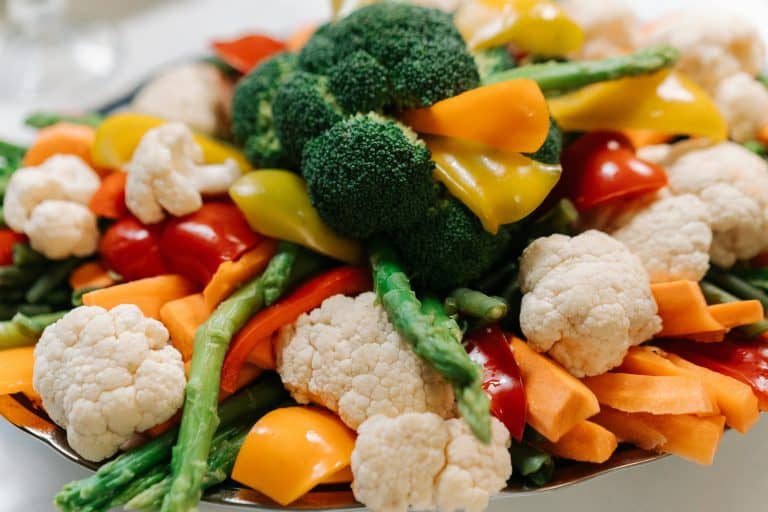
Fall Into Clean Eating: Your Reset Guide for This Busy Season


Fall has a way of feeling like a second New Year — new schedules, new routines, and for a lot of us, a genuinely new kitchen. Maybe that’s a dorm room for the first time, a first apartment, or just the return of school pickup lines and practice schedules eating into every evening. Wherever you’re starting from this season, fall into clean eating doesn’t need a full kitchen or a perfect routine — it needs a plan that fits the space and the schedule you actually have.
With 37 years of nursing experience and a focus on health education, I’ve helped many people rebuild their routines from scratch. Here’s how to do it whether you’re working with a mini-fridge, an empty pantry, or a calendar that’s already double-booked.
This post contains Amazon affiliate links. As an Amazon Associate, I earn from qualifying purchases at no additional cost to you.

Fall Into Clean Eating with a Busy Family
Fall schedules fill up fast — practices, pickups, and homework all competing with dinner. The families who stay on track aren’t the ones with more time; they’re the ones with a system.
- Plan the week’s dinners in one sitting, not meal by meal each night — even a rough outline removes the daily “what’s for dinner” scramble
- Keep a rotation of 2-3 freezer-friendly clean meals ready for the nights nothing goes as planned
- Build breakfast around protein and fiber, not just what’s fastest — a grab-and-go option like overnight oats or egg muffins made ahead beats skipping breakfast or grabbing a pastry
- Get kids involved in age-appropriate prep — washing produce, portioning snacks — it saves you time and builds habits that stick

Batch Prep Breakfast
Breakfast is the easiest meal to fall apart when mornings get rushed, and the easiest one to batch ahead so it never has to be a decision at all. Pick one of these to make on your prep day and mornings take care of themselves for most of the week:
- Egg muffins — whisk eggs with chopped vegetables and a little cheese, bake in a muffin tin, and reheat two at a time all week
- Overnight oats in jars — oats, chia seeds, a scoop of protein powder, and milk, portioned into jars the night before or several at once for the week
- Breakfast burritos — eggs, black beans, and vegetables wrapped and frozen individually, ready to reheat in the microwave or air fryer
- Smoothie freezer packs — pre-portion fruit, spinach, and a scoop of protein powder into bags; on busy mornings it’s just a dump-and-blend
Whichever option you pick, aim for the same protein-and-fiber combination that makes any meal actually hold you — the full breakdown of exactly how much of each is in The Satiety Formula.
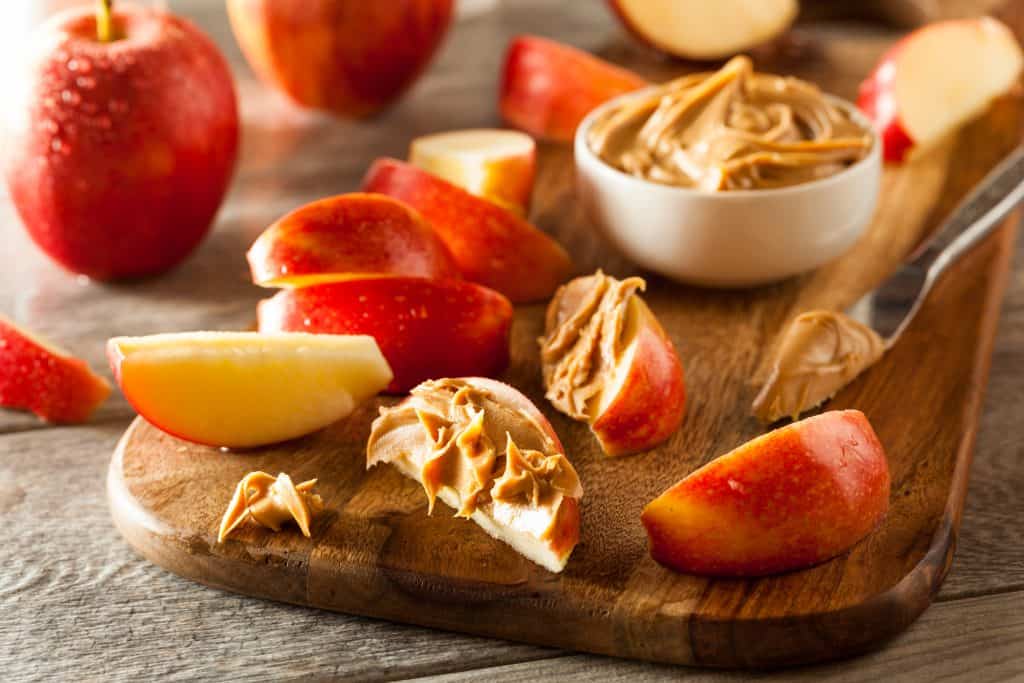
Grab-and-Go Snack Bins and Baggies
A little prep on snacks saves a lot of decision fatigue during the week — and keeps everyone from grabbing whatever’s fastest, which is rarely the cleanest option.
- Dedicate one fridge bin or shelf to grab-and-go snacks: pre-cut veggie cups, hard-boiled eggs, cheese sticks, and hummus cups, all ready to grab on the way out the door
- Pre-portion pantry snacks into baggies or small containers once a week — nuts, trail mix, popcorn, dried fruit — so nobody’s standing in front of the pantry deciding at 7 a.m.
- Keep a rotating stock of the same protein-and-fiber snacks that travel well for trips — nuts, roasted edamame, jerky — since they work just as well for a backpack or a briefcase as they do for a suitcase
If you want the full list of what to pre-portion, the Portable Snacks table in The Clean Eating Travel Playbook doubles as a ready-made grab-and-go shopping list.

Reinvent Lunch: Clean Eating Options
Lunch is where a lot of clean eating plans quietly fall apart — it’s easy to default to whatever’s fastest by midday. A little structure fixes that.
- Use the same formula as every other meal: a protein, a fiber source, and a healthy fat — that’s what actually keeps you full until dinner
- Mason jar salads hold up well for days: dressing on the bottom, sturdy vegetables next, greens on top, so nothing gets soggy until you shake it right before eating
- A bento-style lunch box with separate compartments makes portioning effortless — one section for protein, one for produce, one for a whole grain or healthy fat
- For cooler fall days, a good thermos turns last night’s soup, chili, or stir-fry into an easy warm lunch instead of another cold sandwich
- Batch prep lunch components on the same day you prep breakfast — a cooked protein, a chopped vegetable, and a grain go a long way across several days’ worth of lunches
Review the Menus: Home and School
The same strategy that works for restaurant menus on vacation works just as well for the menus already sitting in your inbox or your kid’s backpack.
- Pull up the school cafeteria’s monthly menu at the start of each month and decide in advance which days you’ll pack lunch and which days buying makes sense — planning around pizza day is a lot easier than deciding at 7 a.m.
- Review your own week’s dinner plan at the start of the week, the same way you’d review a restaurant menu before you go — it’s much easier to make a good choice with a clear head than a hungry one at 5:30 p.m.
- If takeout is part of your week, look up that menu ahead of time too, and decide your order before you’re choosing on an empty stomach

Staying Organized: Meal Planning 101
A simple weekly system beats a complicated one you’ll abandon by week two.
- Pick one day each week to plan — even 15 minutes looking at what’s ahead makes the rest of the week easier
- Use a simple theme structure if decision fatigue is real: a protein-and-veggie night, a stir-fry night, a soup or slow-cooker night, a breakfast-for-dinner night
- Batch prep two or three components (a grain, a roasted vegetable, a protein) rather than five full meals — mix and match from there
- Keep the plan visible — a whiteboard on the fridge or a shared notes app works better than a plan that only lives in your head

Grocery Shopping Tips to Keep Costs Down
- Shop with a list built from your meal plan — impulse buys are where clean eating budgets quietly blow up
- Shop the perimeter of the store first for produce, proteins, and dairy, then fill in pantry items
- Buy proteins when they’re on sale and portion them into the freezer immediately — this is one of the biggest cost-savers for consistent clean eating
- Buy in-season produce; it’s cheaper and at its peak flavor and nutrient density
- Choose store-brand spices and pantry staples over name brands when the ingredient list is equally clean — the grandmother test still applies either way
Prioritize Protein, Fiber, and Hydration
Whatever else changes with the season, these three stay the anchor of every meal and snack: protein, fiber, and water. Aim for 20-30 grams of protein and 8-10 grams of fiber at meals — the full framework, including the hormones behind why this combination actually keeps you full, is in The Satiety Formula.
Hydration matters just as much, especially as fall schedules add more activity, more coffee, and more rushed mornings that push water further down the priority list. A good baseline is about half your body weight in ounces of water daily, more on active days. Keeping a reusable water bottle with you — on your desk, in your bag, in the car for pickup line — makes the biggest difference of any single habit change.

Fall into Clean Eating in a Dorm Room
A dorm room is the tightest version of this challenge — often just a mini-fridge, a microwave, and whatever the dining hall offers. That’s enough to eat clean if you stock smart and use the dining hall strategically.
- Stock the mini-fridge with real food: Greek yogurt, hard-boiled eggs, pre-cut veggies, string cheese, and hummus cups
- Keep shelf-stable staples on hand: oats, nut butter, canned tuna or salmon, whole-grain crackers, and a stash of nuts
- At the dining hall, build your plate the same way you would at home: vegetables and protein first, then whatever else looks good — it keeps you from filling up entirely on pasta and dessert bars
- Pack a snack stash in your backpack for long days between classes — the same protein-and-fiber combinations that work for travel work here too
Before buying any small appliance for a dorm room, check your school’s housing policy first. Many dorms restrict hot plates, air fryers, or high-wattage appliances, so a compact personal blender is usually the safest and most universally allowed option.
Fall Into Clean Eating in a New Apartment
A first apartment usually means a real kitchen and an empty pantry at the same time — genuinely exciting, and a little overwhelming. Start smaller than you think you need to.
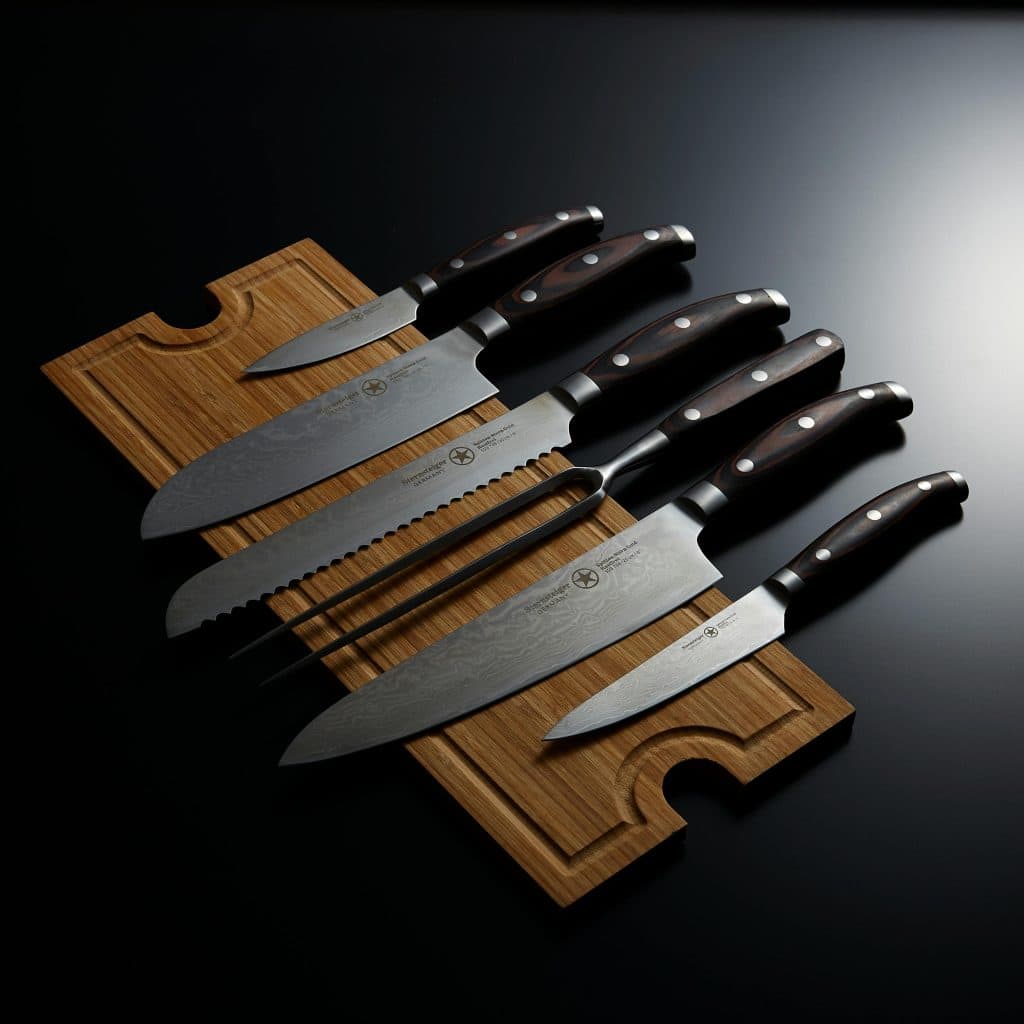
- Build a starter equipment list: one good chef’s knife, a large sheet pan, a few glass storage containers, and one workhorse appliance (a blender or air fryer, not both right away)
- Stock a clean spice cabinet from day one rather than buying single-use seasoning packets — a handful of whole spices covers most of what you’ll cook
- Make your first grocery trip a stock-up trip, not a meal-by-meal trip: pantry staples, a few proteins for the freezer, and produce for just the next few days
- Batch cook one protein and one grain on day one so you have real building blocks for meals all week, even before you’ve settled into a routine
Worth-the-Investment Kitchen Items
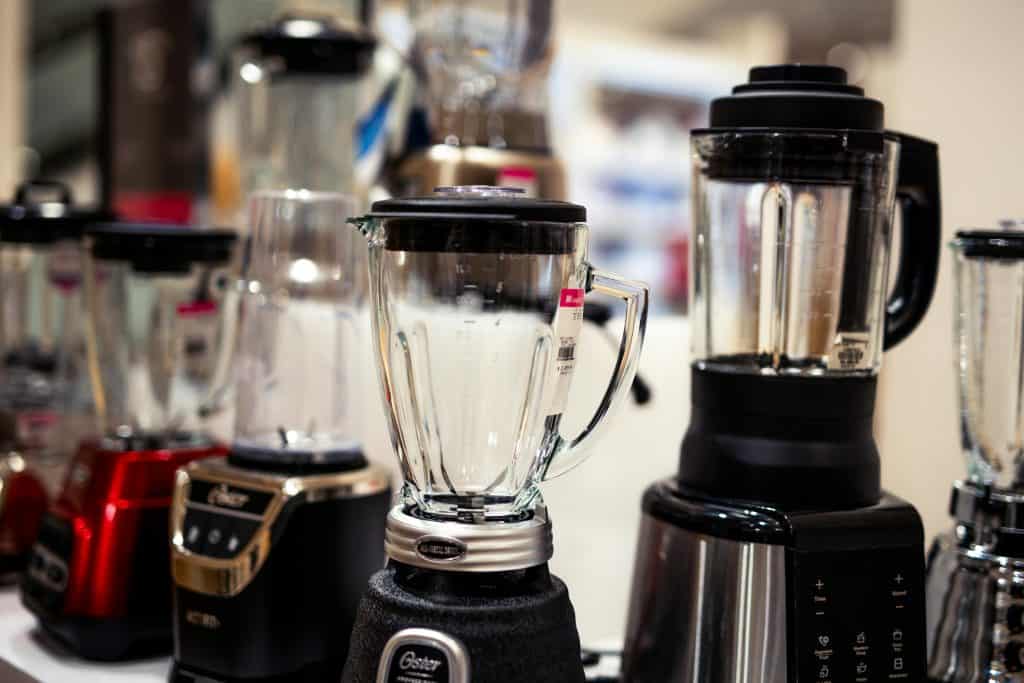
You don’t need a fully outfitted kitchen to eat clean, but a few pieces of equipment genuinely pay for themselves by making the healthy option the easy option.
| Item | Best For | Why It’s Worth It |
| Ninja Nutri-Blender PRO | Dorms and small apartments | Compact, single-serve, and simple — perfect for a fast protein smoothie between classes or a busy morning |
| Ninja Nutri-Blender Plus | Apartments and families | Comes with to-go cups for smoothies on the move, with enough power for frozen fruit, oats, and nut butter |
| Gourmia Air fryer | Apartments and families (check dorm policy first) | Roasts vegetables and proteins with little to no added oil, cooks fast, and cleans up easier than a stovetop |
| Instant Pot Duo | Families and non toxic batch cooking | Cooks a week’s worth of proteins, grains, or a big-batch soup in one hands-off session |
| GreenPan or Our Place or Caraway Ceramic nonstick pans | Every kitchen | Cooks with far less added oil than traditional nonstick, and holds up well to daily use |
| Pampered Chef bar stone or pizza stone | Apartments and families | Even heat for roasting a full sheet of vegetables or a batch of protein at once — a workhorse for prep day |
| Glass storage containers – OXO or Pyrex | Every living situation | Don’t stain, absorb odors, or leach the way plastic can, and go straight from fridge to microwave for reheating batch-prepped meals |
| Lunch pails/bento boxes – Igloo, Fit & Fresh & Sunny Bird | Dorms, apartments, and families | Built-in compartments make portioning protein, produce, and grains effortless for reinvented lunches |
| RTIC water bottle | Every living situation | Keeps water cold all day, which makes it far more likely you’ll actually hit your hydration goal |
| Digital food scale | Anyone batch prepping or portioning | Takes the guesswork out of portioning proteins and grains evenly across a week of prepped meals |
| Clean eating cookbooks | Every living situation | A reliable source of new ideas when the weekly rotation starts feeling repetitive — see my podcast and book roundup for recommendations |
Start with whichever item solves your biggest current bottleneck — a blender if breakfast is the problem, an air fryer or Instant Pot if dinner is, containers and a lunch pail if lunch keeps falling apart. You don’t need all of these on day one.
I keep my own Amazon Storefront updated with the specific pantry staples, proteins, and grocery picks I actually use for batch prep — check there for the food side of this list.
Frequently Asked Questions
Can I really eat clean in a dorm room without a full kitchen?
Yes. A mini-fridge, a microwave, and a stocked snack drawer cover more than most people expect. Combine that with a smarter approach to the dining hall — protein and vegetables first — and you’re most of the way there.
What small appliance should I buy first for a new apartment?
Start with whichever one solves your most common problem. A personal blender is the lowest-cost, lowest-commitment option; an air fryer earns its keep fastest if dinner is where you’re struggling most.
How do I meal plan for a family with a packed fall schedule?
Plan once a week instead of daily, keep a small rotation of freezer-friendly backups for the nights nothing goes as planned, and batch prep components rather than full meals so you can mix and match quickly.
What’s the easiest way to pack a clean lunch every day?
Batch prep the components — a protein, a produce item, and a whole grain or healthy fat — on the same day you prep breakfast, then mix and match into a bento box or mason jar salad each morning.
How much water should I actually be drinking?
A good baseline is about half your body weight in ounces daily, more on active days. Keeping a reusable water bottle within reach throughout the day is the single biggest factor in actually hitting that number.
Your Turn
Which season are you in right now — dorm room, new apartment, or full family chaos? Tell me in the comments, and if you want a done-for-you framework that adapts to wherever you’re starting from, my 30-Day Clean Eating Reset builds habits that hold up no matter what your kitchen looks like.