
Frozen vs. Fresh: What’s Better for Clean Eating on a Budget?

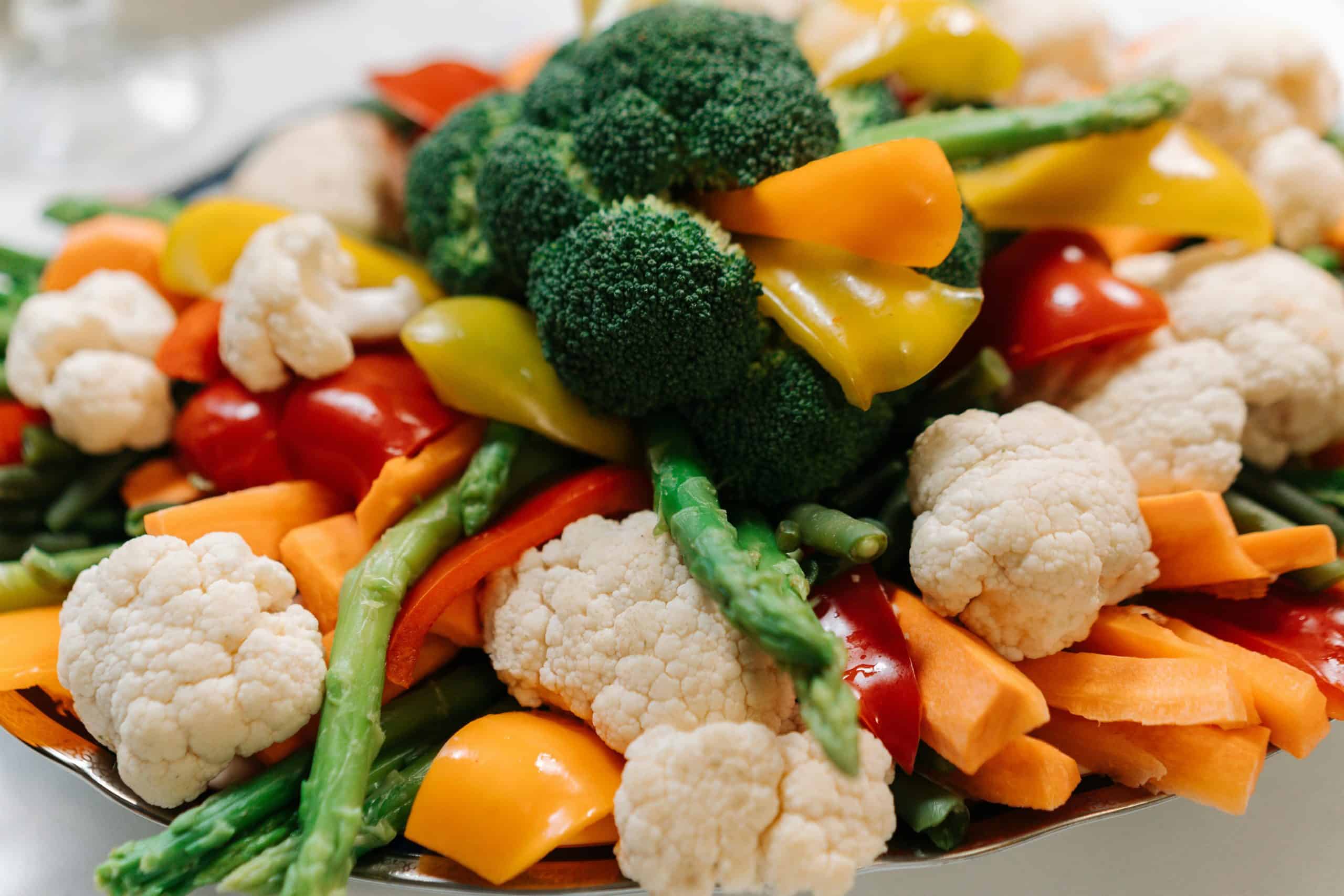
If I had a dollar for every time someone told me they only buy fresh produce because frozen “isn’t as healthy” — well, I’d have a very well-stocked freezer. This is one of the most persistent myths in the clean eating world, and I’m here to clear it up once and for all.
The frozen vs. fresh debate is one of the most common questions I get from readers. And I completely understand why it’s confusing. We’ve been conditioned to believe that fresh is always best — that the bright, beautiful produce at the farmers market is somehow superior to the bags in the freezer aisle. That instinct isn’t entirely wrong. But it’s not the whole story, either.
The truth is more nuanced, more practical, and honestly a lot more budget-friendly than most people realize. In this article, I’m going to break down the science, the cost, the convenience, and the real-world clean eating case for both fresh and frozen produce — so you can make smart, confident choices every time you shop.
Spoiler alert: both have a place in a clean eating kitchen. The goal isn’t to pick a winner. It’s to know when to reach for which.
How Frozen Produce Is Made (And Why It Matters)
To understand the frozen vs. fresh nutrition debate, you need to understand how frozen produce actually gets into that bag in your freezer because the process matters a lot.
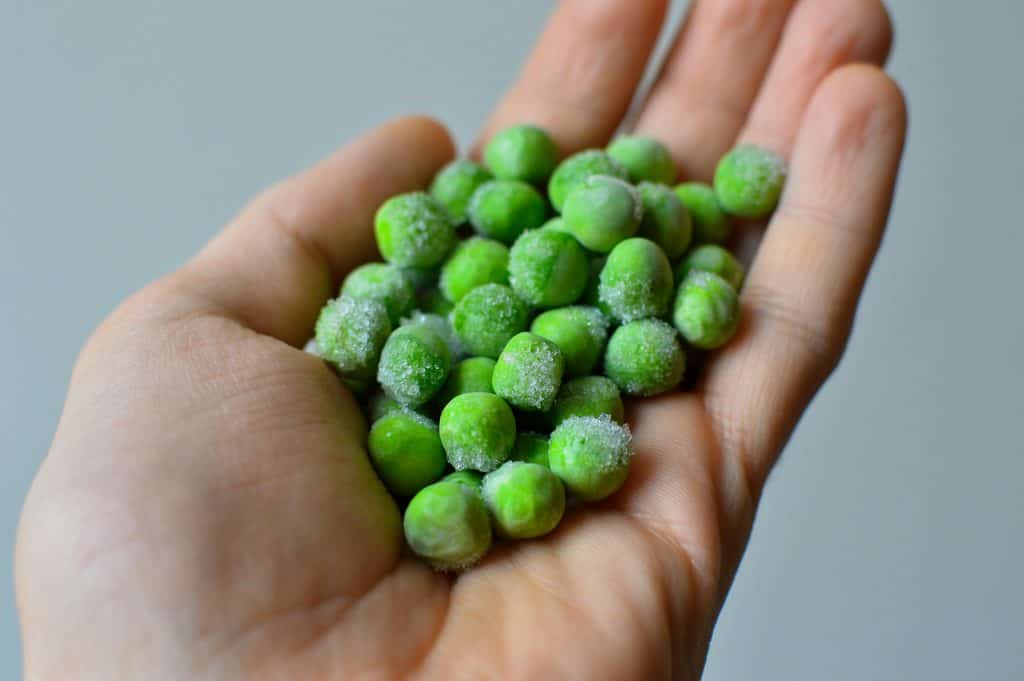
Most commercially frozen fruits and vegetables are picked at peak ripeness — the moment when their sugar content, flavor, and nutritional value are at their highest. They’re then quickly blanched (briefly immersed in hot water or steam) to deactivate enzymes that cause spoilage, and flash-frozen at very low temperatures, usually within hours of being harvested.
This rapid freeze locks in the vitamins, minerals, and antioxidants that were present at harvest. The cold essentially puts the produce in a state of suspended nutrition — stopping the clock on nutrient degradation.
Fresh produce, by contrast, begins losing nutrients the moment it’s picked. By the time it travels from farm to distribution center to store shelf to your fridge — sometimes a journey of 5 to 10 days or more — a meaningful percentage of certain heat- and light-sensitive vitamins can be lost. A great example: Apples in the grocery store are often 9 to 14 months old, as they are harvested annually between August and November and stored in specialized, low-oxygen cold storage to maintain year-round availability. Many are also coated in wax to retain moisture and improve shine.
What the Research Actually Says
The science on this topic is fairly settled, and it consistently shows that frozen produce holds its own nutritionally — and in some cases, frozen actually outperforms fresh produce.
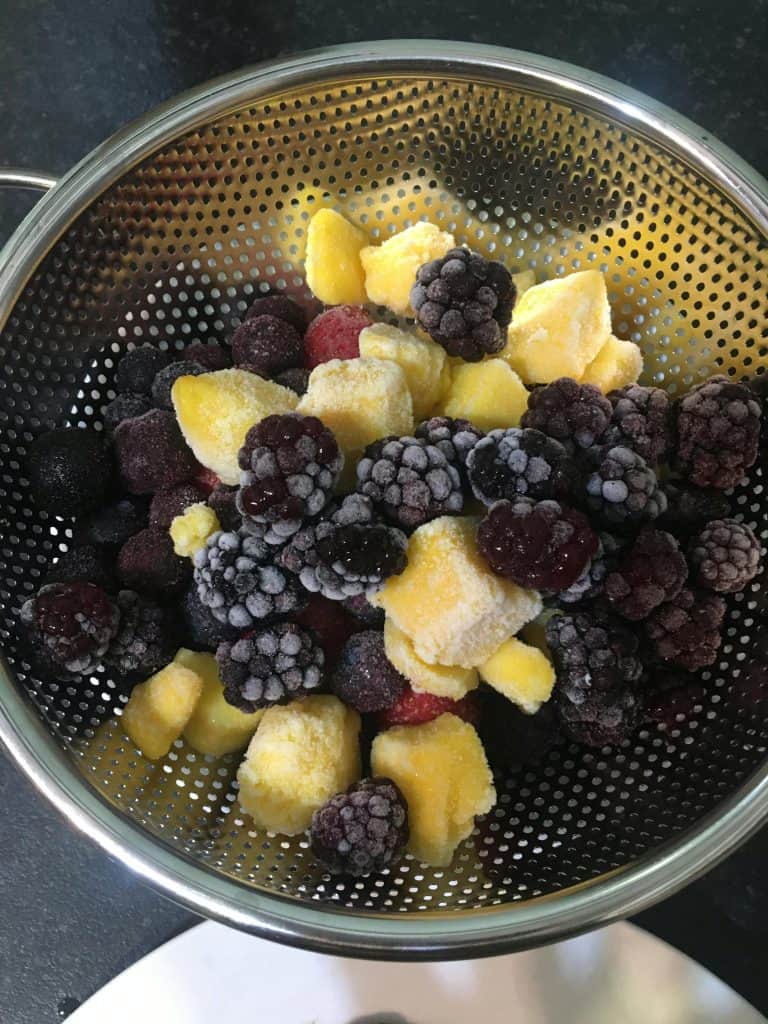
A well-cited study comparing the nutrient content of fresh and frozen fruits and vegetables found that frozen produce had equal or higher levels of several important nutrients, including vitamin C, riboflavin (B2), and certain antioxidants, compared to fresh produce that had been stored in the refrigerator for several days. The researchers concluded that frozen can be a nutritionally equivalent — and sometimes superior — option to fresh.
This doesn’t mean fresh produce is bad. It means the narrative that frozen is somehow a nutritional compromise is not supported by the evidence. For clean eaters, this is genuinely good news. It means you can fill your freezer with confidence.
Nutrients That Hold Up Well in Frozen Produce
- Vitamin C — well-preserved by flash-freezing; degrades faster in refrigerated fresh produce
- Vitamin A and beta-carotene — stable during freezing and cooking
- Fiber — completely unaffected by freezing
- Minerals (iron, calcium, potassium) — not affected by freezing at all
- Antioxidants (flavonoids, carotenoids) — largely preserved through freezing process
Nutrients That Can Be Affected
- Some water-soluble B vitamins (particularly folate) can be reduced slightly during the blanching process before freezing
- Vitamin C in produce that was blanched at high heat for too long may be partially reduced
- Texture and appearance — freezing changes cell structure, making most frozen produce softer when thawed
The bottom line on nutrition: for the vast majority of vitamins, minerals, and fiber, frozen produce is nutritionally equivalent to fresh. The differences that exist are small and largely offset by the fact that frozen produce is frozen at peak ripeness, while fresh produce is often picked before peak to survive the journey to your store.
The Cost Comparison: Frozen vs. Fresh
Now let’s talk about the piece that matters enormously for clean eating on a budget: cost. And here, frozen produce has a very clear advantage most of the time.
HEAD-TO-HEAD PRICE & NUTRITION COMPARISON
| Produce | Fresh Nutrition | Frozen Nutrition | Cost (Fresh) | Cost (Frozen) | Best Buy |
| Broccoli | Antioxidants and vitamin C are fully preserved. | Flash-frozen at peak; vitamin C well-preserved. | ~$1.99/lb (~2–3 svgs) | ~$2.50/large bag (~8–10 svgs) | Frozen — 3–4x more servings per dollar |
| Spinach | High in vitamin C, K, and fiber. Degrades faster off the stalk. | Concentrated nutrition; higher iron per cup cooked. | ~$3.00/5oz bag (~3 svgs) | ~$1.50/10oz bag (~5–6 svgs) | Frozen for cooking; fresh for salads |
| Blueberries | Peak flavor when in season; pricey off-season. | Picked at peak ripeness; antioxidants fully intact. | ~$4.00–6.00/pint (seasonal) | ~$4.00/16oz bag (year-round) | Frozen — consistent price and nutrition year-round |
| Green Beans | Best texture fresh; good in season. | Slightly softer texture; nutrition comparable. | ~$2.00/lb (~4 svgs) | ~$1.75/12oz bag (~4 svgs) | Toss-up — buy fresh in season, frozen off-season |
| Corn | Exceptional flavor fresh in summer. | Slightly lower vitamin C after blanching. | ~$0.50–0.75/ear (summer) | ~$1.50/12oz bag (~3–4 svgs) | Fresh in summer; frozen rest of year |
| Mixed Berries | Fresh is better for texture and eating raw. | Best eaten very fresh; loses sweetness fast. | ~$5.00–8.00/lb (seasonal) | ~$4.00/bag (year-round) | Frozen — cost and convenience winner for smoothies |
| Peas | Best eaten very fresh; loses sweetness fast. | Flash-frozen within hours of harvest — often sweeter than “fresh” store peas. | ~$2.50/lb (~4 svgs) | ~$1.75/12oz bag (~3–4 svgs) | Frozen — often better nutrition AND flavor |
| Cauliflower | Great fresh for roasting and raw eating. | Works well frozen for cooking and ricing. | ~$3.00–4.00/head (~4 svgs) | ~$2.50/12oz bag (~3–4 svgs) | Fresh for roasting; frozen for riced cauliflower |
| Edamame | Rarely sold fresh outside specialty stores. | Excellent plant protein; nutrition fully intact. | Rarely available fresh | ~$3.50/12oz bag (~3 svgs) | Frozen — only practical option for most shoppers |
| Sweet Potato | Best purchased raw and roasted fresh. | Cooked frozen works; raw sweet potato doesn’t freeze well. | ~$0.89/lb (~2–3 svgs) | ~$2.50/12oz cooked bag | Fresh — better value and texture raw |
When Fresh Wins: The Case for Buying Fresh Produce
Frozen is a clean-eating champion in many situations — but fresh produce has real advantages too. Here’s when I reach for fresh:
Eating Raw
If you’re making a salad, slicing vegetables for a snack platter, or eating fruit as-is, fresh is the clear choice. Freezing changes the cellular structure of produce, which means most frozen vegetables become soft and watery when thawed. That’s fine for cooking, but not ideal for raw applications where texture matters.
In-Season Produce
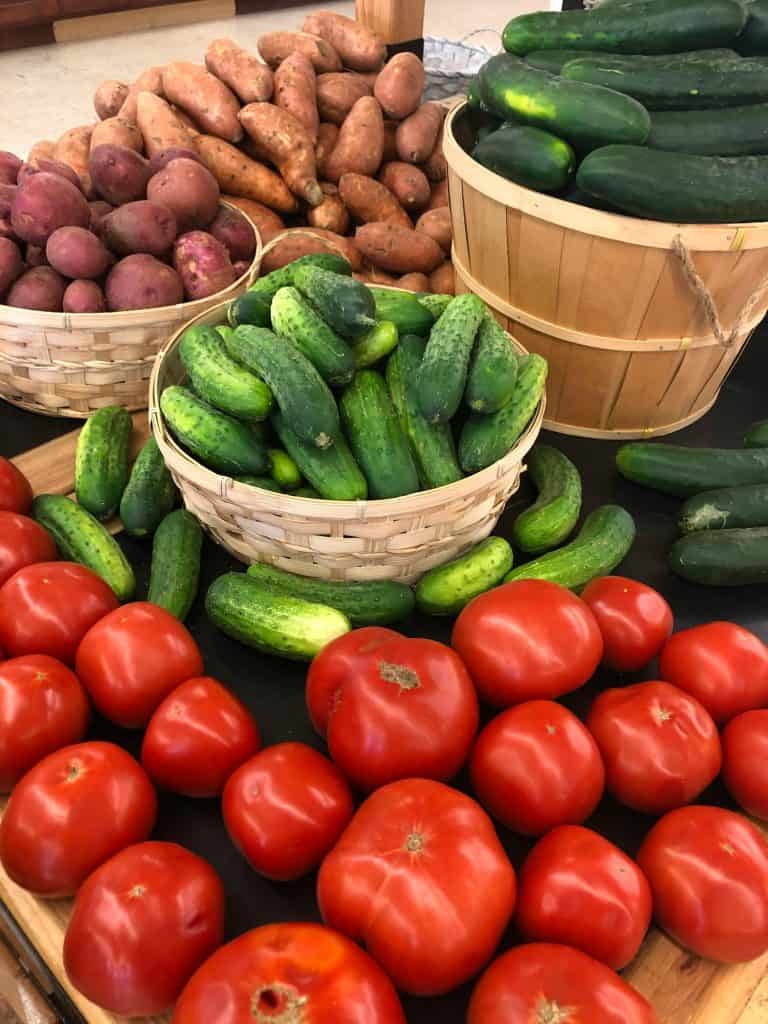
When produce is in season and local, it is at its nutritional peak and usually at its best price. A summer tomato, a spring strawberry, a fall apple from a local orchard — these are some of the most nutritious and flavorful eating experiences available. Take advantage of them. This is when the fresh argument is strongest.
One of my favorite Vermont memories is summer farmers’ markets, where you could buy corn and tomatoes picked that morning. There is absolutely nothing frozen that competes with a ripe summer tomato eaten the same day it was picked. Seasonal fresh eating is a joy — and nutritionally excellent.
Recipes Where Texture Is Key
Certain dishes depend on the structural integrity of fresh produce. Stir-fries benefit from crisp vegetables. Roasted root vegetables develop a better crust when they haven’t been pre-frozen. Guacamole requires fresh avocado. For dishes where crunch, caramelization, or clean presentation matters, fresh is the better tool.
Short Shelf Life Is Not a Concern
If you’re shopping and cooking intentionally — buying produce you’ll use within 2–3 days — fresh is perfectly fine and often preferable. The waste and nutrition concerns only become relevant when fresh produce sits in your fridge for a week or more before being eaten.
When Frozen Wins: The Case for Buying Frozen Produce
For budget-conscious clean eating, frozen produce is one of the most powerful tools you have. Here’s when I always go frozen:
Out-of-Season Produce
Out-of-season fresh produce is picked underripe so it can survive long-distance shipping, stored in controlled atmospheres for weeks or months, and then sold to you at a premium price in nutritionally compromised condition. Frozen produce picked at peak ripeness and flash-frozen the same day is genuinely the better choice — in nutrition, taste, and price — for most produce most of the year.
For Smoothies, Soups, Stews, and Cooked Dishes
Any time you’re blending, simmering, roasting, or otherwise cooking your produce, the texture difference between fresh and frozen becomes completely irrelevant. A handful of frozen spinach in a smoothie. Frozen broccoli in a stir-fry. Frozen mixed berries in overnight oats. The nutrition is there, the flavor is there, and you saved yourself a trip to the store and a few dollars.
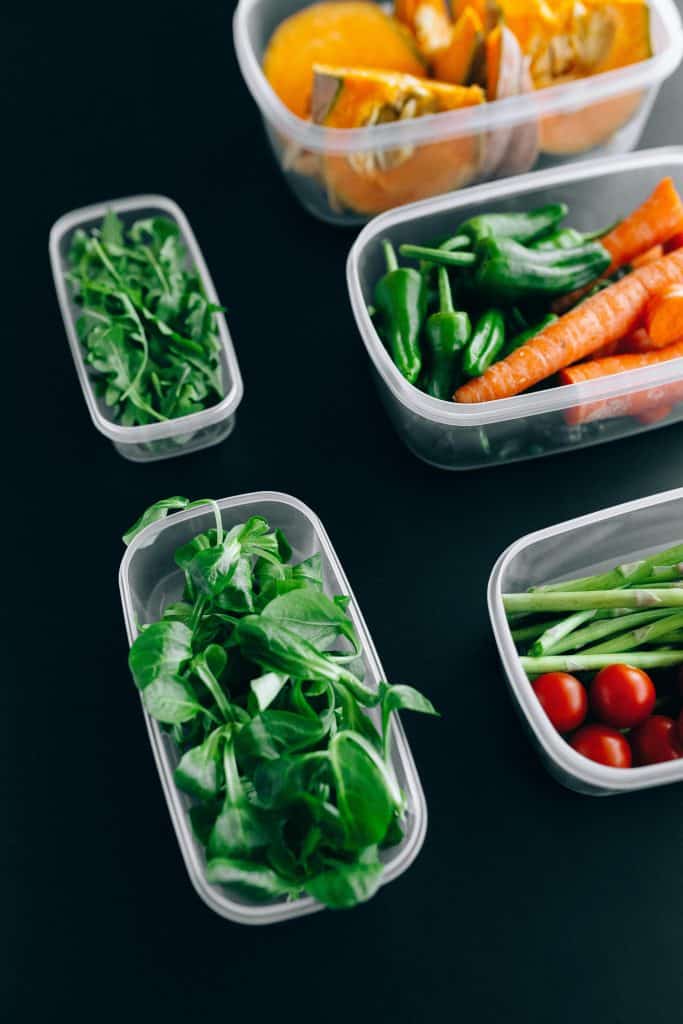
For Reducing Food Waste
Fresh produce has a limited window. Frozen produce is available whenever you need it, in exactly the quantity you need, with no spoilage pressure. For clean eaters who meal prep or cook in batches, keeping a well-stocked freezer is one of the most practical things you can do. Check out my article on reducing food waste while eating clean for more on this strategy.
Budget Is a Priority
As I showed in the comparison table, frozen produce almost always delivers more servings per dollar than fresh, especially for out-of-season items. If you’re working to eat clean on $75 a week, filling your freezer with broccoli, spinach, mixed berries, and edamame is one of the smartest budget moves you can make.
The Clean Eater’s Quick-Reference Guide: Fresh or Frozen?
Here’s a simple decision framework for your next grocery run:
| ✓ Buy FRESH When… | ✓ Buy FROZEN When… |
| You’re eating it raw (salads, snacking, crudités) | You’re cooking, blending, or roasting it |
| It’s in season and locally grown | It’s out of season or shipped from far away |
| You’ll use it within 2–3 days | You want it available over the next several weeks |
| Texture is important for your recipe | Texture doesn’t matter (soups, smoothies, stews) |
| The price difference is minimal right now | The frozen version is significantly cheaper |
| You want peak flavor for eating as-is | You want consistent nutrition year-round |
What About Frozen Meals vs. Frozen Produce?
This is a critical distinction I want to make very clearly: there is a world of difference between frozen produce (clean eating approved) and frozen processed meals (proceed with extreme caution).
A bag of frozen broccoli contains one ingredient: broccoli. That is clean food. A frozen “healthy” dinner entree can contain 30+ ingredients, significant added sodium, refined oils, hidden sugars, and preservatives — regardless of what the front of the box says.
When I talk about frozen produce being a clean-eating staple, I mean single-ingredient frozen fruits and vegetables. When you’re in the frozen foods aisle, read the ingredient list on anything that isn’t just plain produce. The rule is simple: if it has an ingredient list longer than a few items, it needs scrutiny. Check out my article on clean-eating foods to avoid for a full guide to red flag foods.
Clean frozen = single ingredients. Frozen broccoli: broccoli. Frozen spinach: spinach. Frozen mixed berries: strawberries, blueberries, raspberries. That’s what you want. The moment a frozen product has a sauce packet, seasoning blend, or ingredient list that runs six lines, it’s no longer a clean-eating food, no matter what it says on the front.
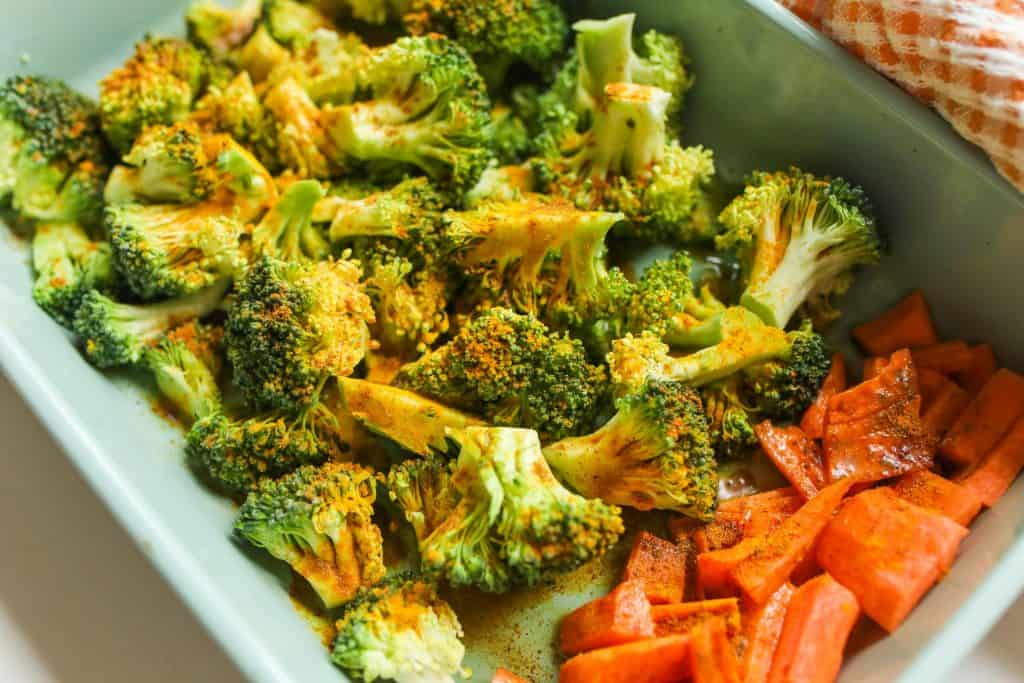
My Personal Frozen Freezer Staples
Since we’re being practical, here’s exactly what I keep in my freezer year-round as a clean eating baseline:
- Frozen broccoli (large bag) — goes in stir-fries, steamed bowls, soups, and pasta dishes
- Frozen spinach — blended into smoothies, wilted into eggs, stirred into pasta sauce
- Frozen mixed berries — overnight oats, smoothies, yogurt bowls, and quick desserts
- Frozen edamame (shelled) — plant protein for grain bowls, salads, and snacking
- Frozen cauliflower rice — quick low-carb base for bowls and stir-fries
- Frozen peas — quick side dish, added to pasta, soups, and fried rice
- Frozen corn — summer flavor year-round in soups, bowls, and salsas
All of these are available at Walmart, ALDI, and most major grocery stores for $1.50–$4.00 per bag. I always buy the store brand when it’s available. You can check out my Walmart clean eating guide for specific product recommendations and current pricing.
After 37 years in healthcare and a lifetime of eating real food, here’s my honest answer to the frozen vs. fresh question: use both, intentionally. Fresh when it’s in season, when you’re eating it raw, and when the price and quality are right. Frozen when you want consistent nutrition year-round, when you’re cooking it anyway, when budget matters, and when you want clean food ready to go at a moment’s notice. The best clean-eating kitchen has a full crisper drawer and a full freezer. Both earn their place.
Frequently Asked Questions
Are frozen vegetables as nutritious as fresh?
Yes, in most cases. Frozen vegetables are picked at peak ripeness and flash-frozen quickly, which locks in vitamins and minerals. Fresh produce, by contrast, begins losing nutrients after harvest and continues declining during transport and storage. Research consistently shows that frozen vegetables have equal or higher levels of many key nutrients compared to fresh produce that has been refrigerated for several days.
Is frozen produce considered clean eating?
Yes — single-ingredient frozen fruits and vegetables are absolutely a clean-eating food. The ingredient list should be just the produce itself, with no added sauces, seasonings, or preservatives. Frozen broccoli, spinach, mixed berries, peas, edamame, and corn are all clean-eating staples I recommend regularly.
Does freezing destroy vitamins in vegetables?
Freezing itself causes minimal vitamin loss. Some water-soluble vitamins (particularly folate and vitamin C) can be reduced slightly during the blanching process that happens before freezing, but the overall nutrient loss is small, and in many cases, frozen produce retains more of these nutrients than fresh produce that’s been sitting in the fridge for several days.
When is it better to buy fresh produce?
Buy fresh when the produce is in season and locally grown (peak nutrition and flavor), when you’re eating it raw and texture matters, when you’ll use it within 2–3 days, and waste isn’t a concern, or when the fresh price is competitive with frozen. Fresh summer berries, tomatoes, peaches, and corn are examples where fresh often genuinely wins.
What are the best frozen vegetables for clean eating?
My top recommendations: broccoli, spinach, edamame, peas, mixed berries, cauliflower (florets or riced), green beans, and mixed vegetables. Choose plain, single-ingredient options with no sauce packets or seasoning blends. Store brand versions are almost always just as good as name brands at a lower price.