Can You Lose Weight with Clean Eating & No Calorie Counting?

Yes — And Here’s Why It Actually Works
I spent years watching women in my hospital count every calorie, log every bite, and still feel frustrated with the scale. So when I started exploring clean eating — not as a diet, but as a way of life — I had a hunch something was different about this approach.
I was right.
Absolutely, you can lose weight with Clean Eating. And the best part? You don’t need to count a single calorie to make it happen. Not because calories don’t matter at all (they do, in a biological sense), but because when you eat the right kinds of food, your body naturally self-regulates. You eat less without trying. You feel full longer. You stop craving the foods that were working against you.
In this article, I’m going to walk you through exactly how and why clean eating supports weight loss — backed by real science and 37 years of nursing experience — and how you can start making it work for you today.
And if you’re reading this in October, here’s something worth sitting with: you don’t have to wait until January 1st to start. Getting a few clean eating habits in place now means you head into the holiday season already steady, instead of starting from scratch after it.
| ⭐ FEATURED SNIPPET ANSWER Clean eating helps with weight loss by replacing processed, calorie-dense foods with whole, nutrient-rich foods that keep you fuller longer. Most people naturally eat fewer calories without ever tracking them — because real food works with your body, not against it. |
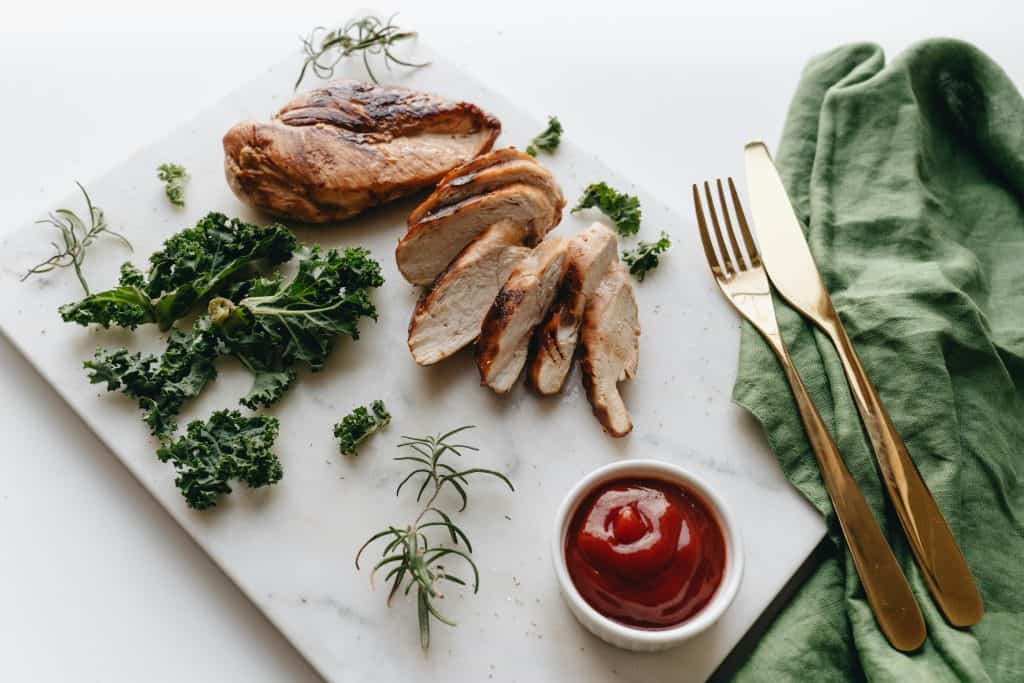
What Is Clean Eating, Really?
Before we talk about weight loss, let me make sure we’re on the same page about what clean eating actually means — because it gets misunderstood a lot.
Clean eating isn’t a diet. It’s not a rigid meal plan or a list of forbidden foods. It’s a way of choosing food that’s as close to its natural state as possible. That means:
- Whole fruits and vegetables instead of juice or processed snack foods
- Lean proteins like chicken, fish, eggs, and legumes
- Whole grains like brown rice, oats, and quinoa
- Healthy fats from avocados, nuts, olive oil, and seeds
- Minimally processed foods with short, recognizable ingredient lists
And it means moving away from ultra-processed foods — the ones loaded with refined sugar, artificial ingredients, and additives that your body doesn’t recognize as real fuel.
I grew up in Vermont, where my family shopped at food co-ops and we ate what was in season. I didn’t have a name for it back then, but that was clean eating. It was just… eating real food.
For a full breakdown of the principles, check out my guide to Clean Eating Basics. The federal 2025–2030 Dietary Guidelines for Americans, released in January 2026, back up the same core idea: prioritize whole, nutrient-dense foods and cut back on highly processed ones.
Why Most People Lose Weight Without Counting Calories
Here’s the thing about calorie counting: it assumes all calories are equal. A 200-calorie pack of cookies and a 200-calorie bowl of oatmeal get logged the same way — but they do completely different things inside your body.
When you shift to clean eating, four big things happen naturally:
1. You Eat More Volume with Fewer Calories
Whole foods are generally lower in calorie density. A huge salad with grilled chicken, vegetables, chickpeas, and olive oil dressing might clock in at 400 calories and keep you full for hours. That same calorie count in ultra-processed crackers and dip? Gone in ten minutes — and you’re reaching for more.
Research from the National Institutes of Health found that people who ate ultra-processed foods consumed about 500 more calories per day compared to those eating whole foods — even when both groups had access to the same amounts of food. That’s the power of food quality over calorie tracking.
2. Protein and Fiber Keep You Fuller, Longer
Clean eating naturally increases your intake of two nutrients that are powerhouses for satiety: protein and fiber.
Protein triggers the release of hormones like peptide YY that signal fullness to your brain. Fiber slows digestion, stabilizes blood sugar, and keeps hunger at bay between meals. Together, they’re like a built-in portion control system — one that doesn’t require an app.
When I started prioritizing these two at every meal, I stopped thinking about food between meals. That was a game-changer. If you’re weighing your protein options, my Great Protein Showdown breaks down how vegan, vegetarian, and traditional protein sources stack up after 35.
3. You Stop the Blood Sugar Rollercoaster
Ultra-processed foods — especially those high in refined sugar and white flour — cause blood sugar to spike and crash. That crash is what triggers intense cravings and the urge to reach for more food even when you’ve technically eaten enough.
Whole foods digest more slowly and create a steadier blood sugar curve. That means fewer cravings, less snacking, and a more balanced relationship with hunger.
4. You Cut Out Hidden Calories Without Realizing It
Processed foods are engineered to make you eat more. They’re designed with a “bliss point” — the perfect combination of salt, sugar, and fat that keeps you coming back. When you remove them from your diet, you naturally cut out hundreds of calories that were sneaking in every single day.
Most people I’ve talked to who switch to clean eating report losing weight in the first few weeks — without any intentional restriction. That’s not magic. That’s your body responding to real food the way it was designed to.
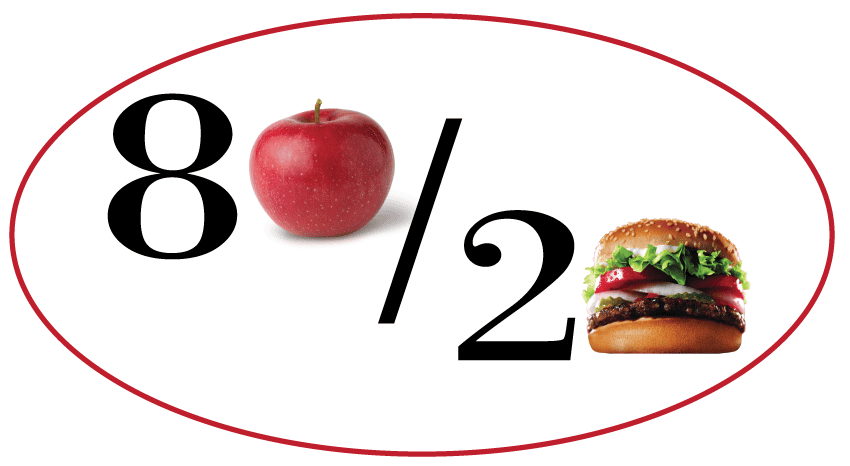
The 80/20 Rule — Progress, Not Perfection
I want to be real with you: clean eating doesn’t mean eating perfectly 100% of the time. That’s not sustainable, and honestly, it’s not the point.
I live by the 80/20 rule. About 80% of the time, I’m eating whole, clean foods. The other 20%? I enjoy life. I have a glass of wine with dinner. I eat a slice of razzleberry pie. I don’t stress about it.
And here’s what my nursing background tells me: chronic stress about food is worse for your health than the occasional indulgence. Cortisol — your stress hormone — actually promotes fat storage, especially around the belly. So obsessing over every bite can literally work against your weight loss goals.
Give yourself grace. Aim for progress, not perfection.
| 💡 NURSE’S NOTE From my 37 years as a nurse, I’ve seen my coworkers try every fad diet imaginable. The ones who keep weight off long-term are the ones who build sustainable habits — not the ones who restrict the most. Clean eating works because it’s a lifestyle, not a punishment. |
What to Expect on Your Clean Eating Weight Loss Journey
I want to set realistic expectations here, because I think that’s part of what makes clean eating different from quick-fix diets.
The First 1–2 Weeks
Most people notice reduced bloating, better digestion, and improved energy fairly quickly. Some see the scale move right away — often because cutting processed foods also reduces water retention from excess sodium. You may also notice some adjustments as your gut microbiome shifts.
Weeks 3–6
This is where steady, sustainable weight loss tends to kick in. As your taste buds reset and cravings for processed foods decrease, sticking to clean eating gets easier. Many women in this phase tell me they’re surprised by how little they miss the foods they thought they couldn’t live without.
Beyond 6 Weeks
Clean eating stops feeling like a “diet” and starts feeling like just… how you eat. Weight loss continues at a sustainable pace, and more importantly, you’re building a foundation for long-term health — not just a number on the scale.
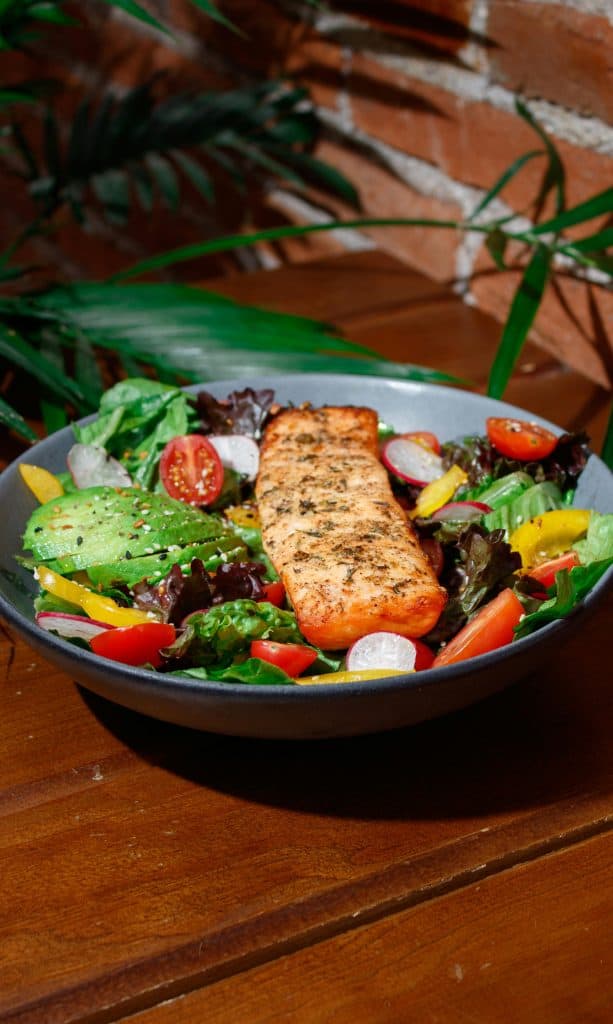
5 Simple Ways to Start Eating Clean for Weight Loss
You don’t have to overhaul your entire kitchen overnight. Here’s how I recommend starting:
- Swap one processed food per day for a whole food alternative — start with breakfast
- Add a vegetable to every single meal — even if it’s just a handful of spinach
- Read labels: if you can’t pronounce an ingredient, put it back
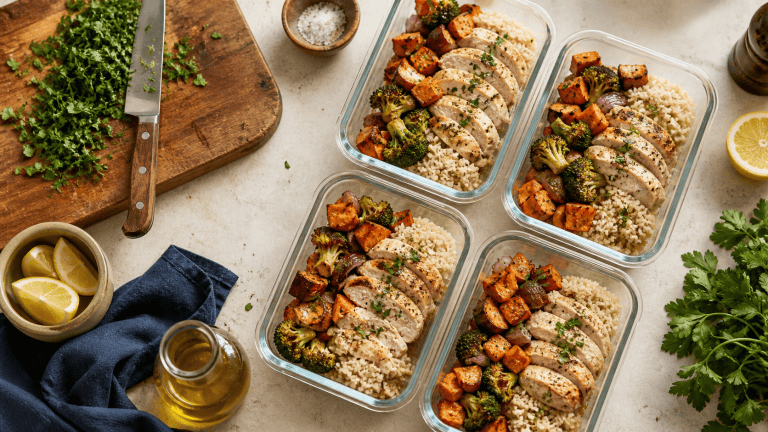
- Meal prep one or two items on the weekend — roasted veggies, hard-boiled eggs, or a grain
- Drink more water — often what feels like hunger is actually thirst
These small swaps add up faster than you’d think. And once you see how good you feel, the motivation to keep going takes care of itself.
For a complete step-by-step plan, grab my 7-Day Clean Eating Meal Plan. If quick-fix dieting has burned you out before, this comparison probably feels familiar — I go deeper on why in Clean Eating vs. Dieting.
Clean Eating vs. Calorie Counting — A Quick Comparison
| Factor | Clean Eating | Calorie Counting |
| Sustainability | High — flexible lifestyle | Low — often leads to burnout |
| Food Quality Focus | Yes — whole foods first | No — any food fits the numbers |
| Hunger Management | Natural satiety cues | Can override natural cues |
| Mental Load | Low — eat real food | High — track every bite |
| Long-Term Results | Strong with habit-building | Dependent on ongoing tracking |
| Flexibility | 80/20 approach — yes | Requires constant calculation |
FAQs — Clean Eating & Weight Loss
How long does it take to lose weight with clean eating?
Most people notice changes within 1–2 weeks, though meaningful, lasting weight loss typically happens over 4–8 weeks. The timeline varies based on where you’re starting, how consistently you eat clean, and your individual metabolism. Remember — sustainable loss of 0.5–1 lb per week is healthier and more lasting than rapid weight loss.
Do I need to exercise too?
Exercise is great for overall health and can absolutely support your weight loss goals — but you don’t need to become a gym member to see results from clean eating. Many women lose weight through diet changes alone. If you add movement you enjoy, think of it as a bonus, not a requirement.
Can I eat clean on a budget?
Absolutely. Some of the most nutrient-dense clean eating staples — dried lentils, canned beans, frozen vegetables, oats, eggs, and bananas — are among the most affordable foods at the grocery store. Clean eating does not have to mean expensive.
What if I slip up and eat something processed?
You move on. That’s it. One meal doesn’t define your health any more than one workout defines your fitness. The 80/20 rule exists for exactly this reason. Progress, not perfection — always.
| Ready to Get Started? Download my free 7-Day Clean Eating Meal Plan and take the first step toward feeling lighter, energized, and in control — no calorie counting required. Follow me @KelliAnnScheibe on Instagram and Facebook. |
With warmth and whole-food love!!