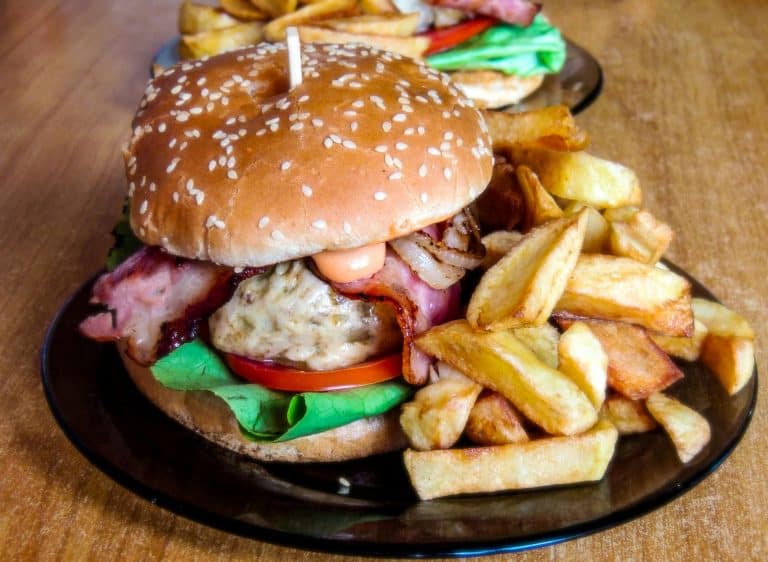
How Clean Eating Affects Your Energy, Mood, and Sleep


The Connection You Might Not Know About
Picture this: You’ve slept a full eight hours. You wake up and still feel like you’re dragging. By two in the afternoon, you’re reaching for your third cup of coffee. Your patience is thin, your mood is flat, and the moment your head hits the pillow that night, your mind won’t turn off.
Sound familiar? I hear this all the time — from patients, from women in my community, from friends. And for years, the standard advice was to sleep more, stress less, and maybe try melatonin. But what almost nobody was asking was: what are you eating?
Because here’s what I’ve learned in 37 years of nursing — and what the science is now very clearly confirming: what you eat doesn’t just affect your weight. It directly shapes how much energy you have, how stable your mood is, and how well you sleep at night. And clean eating — choosing whole, real, minimally processed foods — is one of the most powerful things you can do to improve all three.
Let me show you exactly how.
Heads up — some links in this post are affiliate links, meaning I may earn a small commission if you shop through them, at no additional cost to you. I only recommend products I truly love and use myself.
| ⭐ FEATURED SNIPPET ANSWER Clean eating improves energy by stabilizing blood sugar and reducing the blood sugar crashes that cause fatigue. It supports mood by feeding the gut bacteria that produce serotonin — your feel-good neurotransmitter. And it improves sleep by providing nutrients like magnesium and tryptophan that your body needs to produce melatonin naturally. |

Part 1: Clean Eating and Your Energy Levels
If you feel tired all the time, there’s a good chance your food is working against you. And the culprit is almost always the same thing: blood sugar instability caused by ultra-processed foods.

Why Processed Foods Drain Your Energy
When you eat refined carbohydrates and sugary foods — think white bread, packaged snacks, sweetened drinks — your blood sugar spikes fast and then crashes hard. That crash is what causes the mid-morning slump, the 2 p.m. wall, the “I need a nap right now” feeling that hits even when you’ve slept.
Your brain is the most energy-demanding organ in your body, and it runs on glucose. But it needs that glucose delivered steadily — not in a flood followed by a drought. When blood sugar rollercoasters, your brain and body feel it immediately.
How Whole Foods Create Steady, Lasting Energy
Clean eating works differently. Whole foods — especially those with fiber, protein, and healthy fats — digest slowly and release energy gradually. That means:
- No energy spikes and crashes throughout the day
- Sustained focus and mental clarity for hours after eating
- Less reliance on caffeine to get through the afternoon
- More consistent physical energy for movement and daily life
I noticed this shift in myself within the first two weeks of cleaning up my eating. I stopped needing that afternoon coffee. I wasn’t hitting a wall at 3 p.m. My energy felt more even — not necessarily higher all the time, but so much more consistent.
The Best Clean Eating Foods for Energy
Here are the foods that became my go-to energy anchors:
- Complex carbohydrates: oats, sweet potatoes, brown rice, quinoa — slow-burning fuel
- Lean proteins: eggs, chicken, Greek yogurt, lentils — stabilize blood sugar and build muscle
- Healthy fats: avocado, walnuts, olive oil — long-lasting fuel for your brain
- Iron-rich foods: spinach, lentils, pumpkin seeds — critical for oxygen transport and fighting fatigue
- B-vitamin foods: leafy greens, whole grains, eggs — essential for cellular energy production
Notice something? These aren’t exotic superfoods. They’re real, whole, affordable foods that your grandmother probably cooked with. Clean eating doesn’t have to be complicated.

Part 2: How What You Eat Shapes How You Feel
I want you to think about your gut for a moment — not as just a digestive organ, but as a communication center. Because that’s exactly what it is.
Your gut and your brain are in constant conversation through what’s called the gut-brain axis — a network of nerves, hormones, and immune signals that run between your digestive system and your central nervous system. And here’s the part that surprises most people: about 90% of your body’s serotonin is produced in your gut. Not your brain. Your gut.
Serotonin is your main mood-regulating neurotransmitter. It’s the chemical that makes you feel calm, content, and emotionally balanced. And its production depends almost entirely on what you feed your gut microbiome — the trillions of bacteria that live in your digestive tract.
When you eat a diet full of ultra-processed foods, you feed the harmful bacteria. They crowd out the beneficial ones. The result? Lower serotonin production, more inflammation, and a mood that feels flat, anxious, or irritable — often for no obvious reason.
For a deeper dive into this topic, check out my full article on the gut-brain connection.
| 💡 NURSE’S NOTE In my years working in healthcare, I watched countless patients treated for depression and anxiety with medication alone — while their diets were never discussed. The research on diet and mental health has come a long way. I’m not saying food replaces professional mental health care, but I am saying it’s a piece of the puzzle that too many people are missing. |
Clean Eating and Mood Stability
When you switch to a clean diet, you’re essentially remodeling your gut environment. You’re feeding the bacteria that produce serotonin, dopamine, and GABA — your brain’s natural calm-and-happy chemicals. And you’re removing the foods that drive inflammation, which is increasingly linked to depression and anxiety.
Women I’ve spoken with who make this shift often say the same thing: “I didn’t expect to feel so much less anxious.” The mood benefits often surprise them more than the weight loss.
Foods That Support a Positive Mood
Here’s what I make sure to include when I’m eating for my mental health:
- Fermented foods: yogurt, kefir, kimchi, sauerkraut — probiotics that feed beneficial gut bacteria
- Fatty fish: salmon, sardines, mackerel — rich in omega-3s, which reduce brain inflammation
- Dark leafy greens: spinach, kale, Swiss chard — folate supports serotonin and dopamine production
- Berries: blueberries, strawberries — antioxidants that reduce oxidative stress in the brain
- Dark chocolate (70%+): flavanols that boost mood and cognitive function (yes, really!)
- Nuts and seeds: walnuts and flaxseed, especially — plant-based omega-3s for brain health
And what to move away from? Refined sugar, artificial sweeteners, and ultra-processed foods — all of which drive gut inflammation and disrupt the gut microbiome that keeps your mood steady.

Part 3: Clean Eating for Better Sleep
This is the part that honestly surprised me the most when I started paying attention to it. I had always thought of sleep as a separate issue from food — something you fixed with better bedtime habits or a supplement. But the connection is direct and significant.
Your body makes melatonin — the hormone that signals your brain it’s time to sleep — from serotonin. And serotonin, as we just talked about, is heavily influenced by your gut health and what you eat. So if your diet is disrupting your gut microbiome and lowering serotonin, it’s also disrupting your body’s ability to make melatonin. That’s why so many people with poor diets also struggle to fall asleep or stay asleep.
Nutrients That Support Deep, Restful Sleep
Clean eating naturally provides several nutrients that are critical for healthy sleep:
- Magnesium: found in leafy greens, pumpkin seeds, and black beans — relaxes the nervous system and supports deep sleep. Most Americans are deficient in this mineral.
- Tryptophan: found in turkey, eggs, oats, and bananas — the amino acid your body converts to serotonin and then melatonin
- Calcium: found in dairy, almonds, and leafy greens — helps the brain use tryptophan to manufacture melatonin
- B6: found in salmon, potatoes, and chickpeas — essential cofactor in melatonin production
- Omega-3 fatty acids: found in fatty fish, walnuts, flaxseed — linked to longer, higher-quality sleep in multiple studies
Ultra-processed foods are largely stripped of these nutrients. Clean eating restores them naturally — without supplements.
The Blood Sugar and Sleep Connection
There’s another piece to this: blood sugar. When you eat a high-sugar meal close to bedtime — or throughout the day in a way that leaves your blood sugar unstable — it can cause cortisol to spike during the night as your body tries to correct the drop. Cortisol is your stress hormone. It’s meant to wake you up in the morning. When it spikes at 2 or 3 a.m., you wake up — often anxious and unable to fall back asleep.
Stabilizing blood sugar with clean eating helps prevent those nighttime cortisol spikes. Many of my readers report sleeping through the night for the first time in years after cleaning up their diet.
What to Eat (and Avoid) for Better Sleep
| EAT MORE OF THIS | LIMIT OR AVOID |
| Tryptophan-rich foods (turkey, eggs, oats, bananas) | Refined sugar and high-sugar desserts at night |
| Magnesium-rich foods (pumpkin seeds, spinach, black beans) | Alcohol (disrupts REM sleep cycles) |
| Complex carbs at dinner (sweet potato, brown rice) | Caffeine after 2 p.m. |
| Fatty fish 2–3 times a week | Ultra-processed snack foods in the evening |
| Herbal tea before bed (chamomile, passionflower) | Heavy, greasy processed meals at dinner |
| Whole fruit (especially tart cherries — a natural melatonin source) | Sugary drinks or juice with dinner |
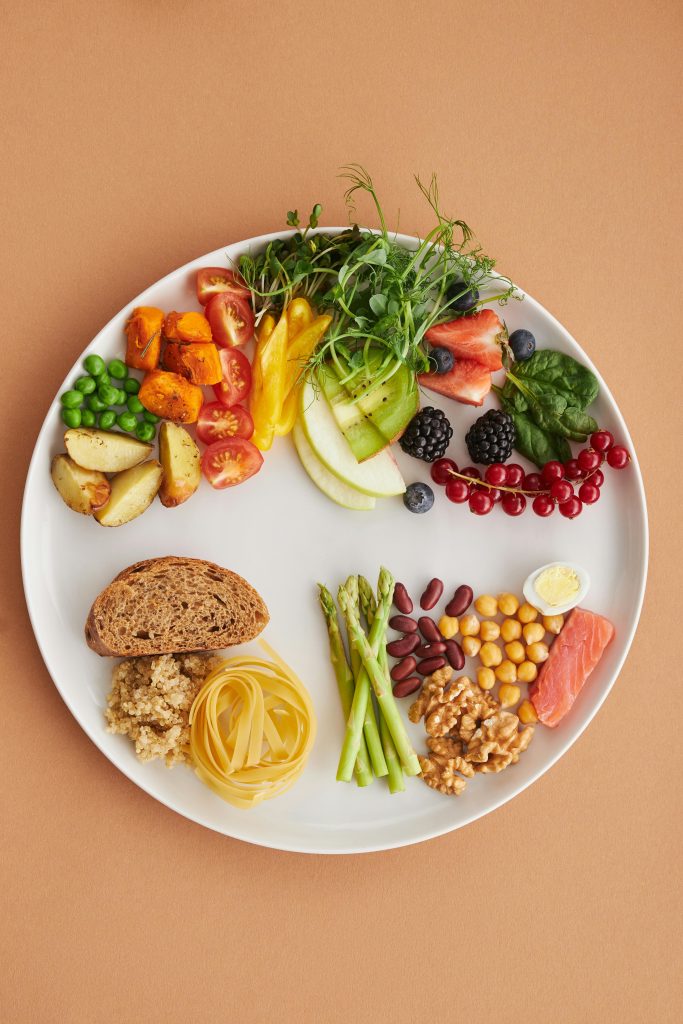
Your Quick-Reference: Eat This for Energy, Mood & Sleep
| FOR ENERGY ⚡ | FOR MOOD 😊 | FOR SLEEP 🌙 |
| Oats & sweet potato | Fatty fish (salmon) | Turkey & eggs |
| Eggs & lean protein | Fermented foods | Pumpkin seeds |
| Avocado & olive oil | Dark leafy greens | Bananas |
| Lentils & legumes | Berries | Chamomile tea |
| Leafy greens (iron) | Dark chocolate (70%+) | Tart cherries |
| Whole grains | Walnuts & flaxseed | Sweet potato |
Screenshot this. Pin it. Put it on your fridge. These are the real, whole foods that work with your body’s natural chemistry — not against it.
How to Start Eating for Energy, Mood, and Sleep Today
You don’t have to change everything at once. Here’s how I’d suggest easing in:
- Start with breakfast. Swap your sugary cereal or toast for oats with nut butter and berries — or eggs with spinach. A protein-rich, fiber-rich breakfast sets your blood sugar up for the entire day.
- Add one fermented food daily. A serving of plain Greek yogurt, a spoonful of kimchi, or a small glass of kefir starts rebuilding your gut microbiome.
- Cut back on sugar gradually. You don’t have to go cold turkey. Start by replacing one sugary food per day with a whole food alternative.
- Move your last caffeine up. Try having your last coffee by 1 or 2 p.m. and notice what it does for your sleep quality within a week.
- Add a magnesium-rich food at dinner. A handful of pumpkin seeds on your salad, a side of black beans, or some spinach in your stir-fry — these small additions make a real difference over time.
Remember my 80/20 rule here — you don’t have to be perfect. These are shifts, not rules. Progress is what matters.
For a complete meal plan built around these principles, check out my 7-Day Clean Eating Meal Plan.
What to Expect — and When
The timeline varies for everyone, but here’s a general picture of what many women experience:
| Timeframe | What You May Notice |
| Days 3–5 | Reduced afternoon energy crashes; feel more alert in the morning |
| Week 1–2 | Better mood stability; less irritability; falling asleep more easily |
| Weeks 3–4 | Noticeably improved sleep quality; waking up more rested |
| Month 2+ | Sustained energy all day; calmer baseline mood; deeper, more consistent sleep |
Everyone’s body is different — your timeline will depend on where you’re starting and how consistently you implement these changes. Be patient with yourself. And pay attention: most women notice something positive within the first week.

FAQs — Clean Eating, Energy, Mood & Sleep
Can changing my diet really improve my mood?
Yes — and the research backs this up. Multiple studies have found that diets high in ultra-processed foods are associated with higher rates of depression and anxiety, while diets rich in whole foods are associated with better mental health outcomes. Your gut produces the majority of your body’s serotonin, and what you eat directly affects the gut bacteria responsible for that production.
How long before clean eating improves my sleep?
Many people notice improvements in sleep quality within 1–2 weeks of reducing processed food and sugar intake. Full restoration of sleep patterns — especially if gut health has been compromised — can take 4–8 weeks of consistent clean eating. Prioritizing magnesium and tryptophan-rich foods in the evening can speed this up.
I eat healthy, but still feel tired. What else could be going on?
Good question — and an important one. Fatigue has many causes beyond diet, including thyroid disorders, anemia, sleep apnea, vitamin D deficiency, and more. If you’ve been eating clean consistently and still struggle with fatigue, I’d encourage you to see your healthcare provider for bloodwork. As a nurse, I always say: food is foundational, but it’s not the only answer.
Does caffeine affect all of this?
Yes — especially sleep. Caffeine has a half-life of about 5–7 hours, which means if you drink coffee at 3 p.m., half of that caffeine is still in your system at 8–10 p.m. This disrupts your ability to fall asleep and reduces the quality of deep sleep. Clean eating paired with mindful caffeine use (last cup by 1–2 p.m.) creates a powerful combination for better sleep.
| Ready to Feel the Difference? My 7-Day Clean Eating Meal Plan is built around the exact foods that support your energy, mood, and sleep — with simple recipes and a full shopping list to make it easy. → Get the Plan at kelliannscheibe.com. Save this post · Follow @kelliannscheibe on Instagram |
To your energy, your mood, and your best night’s sleep yet,