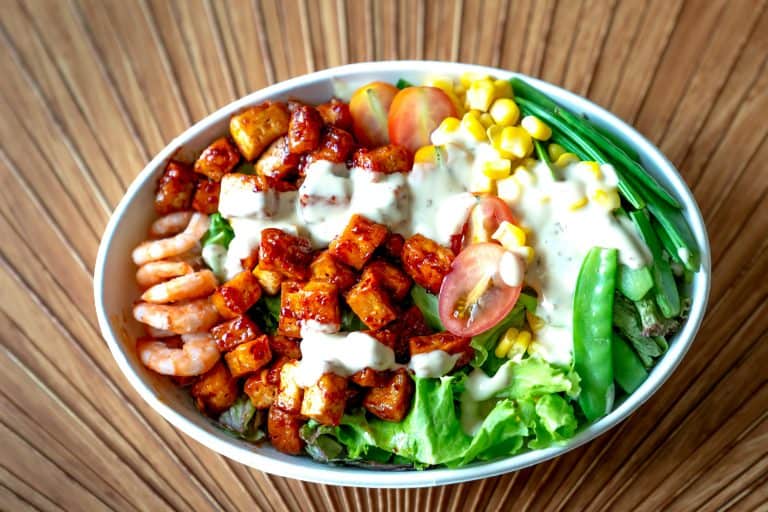
Clean Eating for Beginners Over 40: What Women Need to Know


You’re Not Imagining It — Your Body Has Changed
If you’ve hit your 40s and suddenly feel like your body is playing by a completely different set of rules, I want you to know: you are not imagining it. And you are not doing anything wrong.
Women tell me the same story, almost word for word: “I’m eating the same way I always have. I’m not eating more. But I’m gaining weight, especially around my middle. I’m exhausted. And nothing I try seems to work the way it used to.”
Here’s what was actually happening: their bodies had changed. And their approach to food hadn’t caught up yet.
The good news? Clean eating is one of the most effective — and sustainable — ways to work with your body after 40, not against it. But there are a few things that are specific to women at this life stage that I really want you to understand before you dive in. Clean eating for women over 40 looks a little different than starting at 25, and knowing that makes all the difference.
I’m Kelli. I’m a nurse who grew up eating whole, real food in Vermont long before it had a name. I’m also a woman who has lived through these same changes. So let me walk you through this woman-to-woman.
Heads up — some links in this post are affiliate links, meaning I may earn a small commission if you shop through them, at no additional cost to you. I only recommend products I truly love and use myself.
| ⭐ FEATURED SNIPPET ANSWER Women over 40 need to know that hormonal shifts — especially the decline in estrogen during perimenopause — change how the body stores fat, builds muscle, and processes food. Clean eating works with these changes by reducing inflammation, stabilizing blood sugar, supporting bone health, and providing the protein and nutrients your body now needs more of. |
What Actually Changes in Your Body After 40
Before we talk about what to eat, I want to take a moment to validate what you’re experiencing — because understanding the why makes the how so much easier to commit to.
Several significant shifts happen in a woman’s body in her 40s, and most of them are directly connected to food and nutrition:
Estrogen Begins to Decline
This is the big one. As you move into perimenopause — the transitional phase before menopause that can begin as early as the mid-to-late 30s — estrogen levels start to fluctuate and gradually decline. Estrogen has been quietly doing a lot of work for you: helping regulate metabolism, protecting bone density, supporting mood, promoting heart health, and even influencing where your body stores fat.
When estrogen drops, fat tends to redistribute — moving from hips and thighs toward the abdomen. This is why so many women in their 40s notice that middle-belly weight gain even when nothing else has changed.
Muscle Mass Begins to Decrease
Starting around age 30, and accelerating after 40, women begin to lose muscle mass in a process called sarcopenia. This matters for weight because muscle tissue burns more calories at rest than fat tissue does. Less muscle means a slower resting metabolism, which is another reason the “eat the same, gain weight” experience is so common and so real.
Bone Density Starts to Decline
Estrogen also plays a critical role in maintaining bone density. As levels fall, the risk of bone loss and eventually osteoporosis increases. This is why what you eat in your 40s directly affects your bone health for decades to come.

Inflammation Tends to Increase
Chronic low-grade inflammation is more common in midlife and is influenced by hormonal changes, stress, shifts in gut microbiome composition, and long-term dietary patterns. Inflammation is connected to weight gain, joint pain, fatigue, mood changes, and increased disease risk.
Insulin Sensitivity May Decrease
Blood sugar regulation can become less efficient as estrogen declines. This means the same amount of refined carbohydrates or sugar that your body handled easily at 28 can cause more dramatic blood sugar spikes and crashes at 45, which drives cravings, energy crashes, and fat storage.
| 💡 NURSE’S NOTE All of these changes are normal — they are not a failure of willpower or discipline. They are biology. And the beautiful thing about clean eating is that it addresses almost every one of these shifts directly: it reduces inflammation, improves insulin sensitivity, supports muscle mass through adequate protein, and provides the calcium, magnesium, and vitamin D your bones need. This is why clean eating is not just one option for women over 40 — it’s one of the most targeted things you can do for your health at this stage of life. |
Why Clean Eating for Beginners Over 40 Works Differently and Better
Clean eating isn’t a diet. It’s a way of choosing food that’s as close to its natural state as possible — whole fruits and vegetables, lean proteins, whole grains, healthy fats, and minimally processed foods with short ingredient lists. I’ve written a full guide to the basics if you want to start there.
But here’s why it’s particularly powerful for women over 40:
It Directly Targets Inflammation
Ultra-processed foods are one of the biggest drivers of systemic inflammation. They contain refined oils, artificial additives, refined sugars, and preservatives that trigger inflammatory responses in the body. Whole foods — especially colorful vegetables, berries, fatty fish, olive oil, and nuts — are naturally anti-inflammatory. When you shift your diet in this direction, you’re addressing one of the root causes of midlife weight gain, joint pain, and fatigue.
This is worth naming directly since October is Breast Cancer Awareness Month: eating this way isn’t a cure or a guarantee of anything, but a diet built around whole, anti-inflammatory foods is one of the genuinely modifiable pieces of long-term health that’s fully within your control — which makes this a fitting month to recommit to it.
It Stabilizes Blood Sugar — Which Is More Important Than Ever
As insulin sensitivity shifts with age, blood sugar management becomes critical. Clean eating is naturally blood sugar-friendly because whole foods — especially those high in fiber and protein — digest slowly and prevent the spikes and crashes that drive cravings and fat storage. This is the single biggest reason many women over 40 lose weight on clean eating without counting a single calorie. For more on this, read my article on clean eating and weight loss.
It Supports Muscle Preservation
Here’s something most women don’t hear enough: after 40, you need more protein than you did in your 20s. Adequate protein intake is essential for preserving the muscle mass you have and supporting the rebuilding of muscle when you exercise. Clean eating — with its emphasis on eggs, fish, poultry, legumes, Greek yogurt, and other whole protein sources — makes it easier to hit these higher protein needs naturally. If you’re weighing which protein sources fit your lifestyle, my Great Protein Showdown compares vegan, vegetarian, and traditional protein sources head-to-head for women after 35.
It Nourishes Bones
Clean eating provides the nutritional trifecta your bones need as estrogen declines: calcium (from dairy, leafy greens, almonds, and canned salmon with bones), vitamin D (from fatty fish, eggs, and fortified foods), and magnesium (from pumpkin seeds, black beans, and dark chocolate). These three nutrients work together, and they’re much more bioavailable from whole food sources than from supplements alone.
It Supports Hormonal Balance
Certain whole foods contain compounds that help support hormonal health during perimenopause. Phytoestrogens — found in soy, flaxseed, and legumes — have a mild estrogen-like effect that some research suggests may ease perimenopausal symptoms. Cruciferous vegetables like broccoli, cauliflower, and Brussels sprouts help the liver process and clear excess hormones. And fiber — abundant in clean eating — supports healthy estrogen metabolism by binding to excess estrogen in the digestive tract.
What to Prioritize on Your Plate for Clean Eating Beginners Over 40
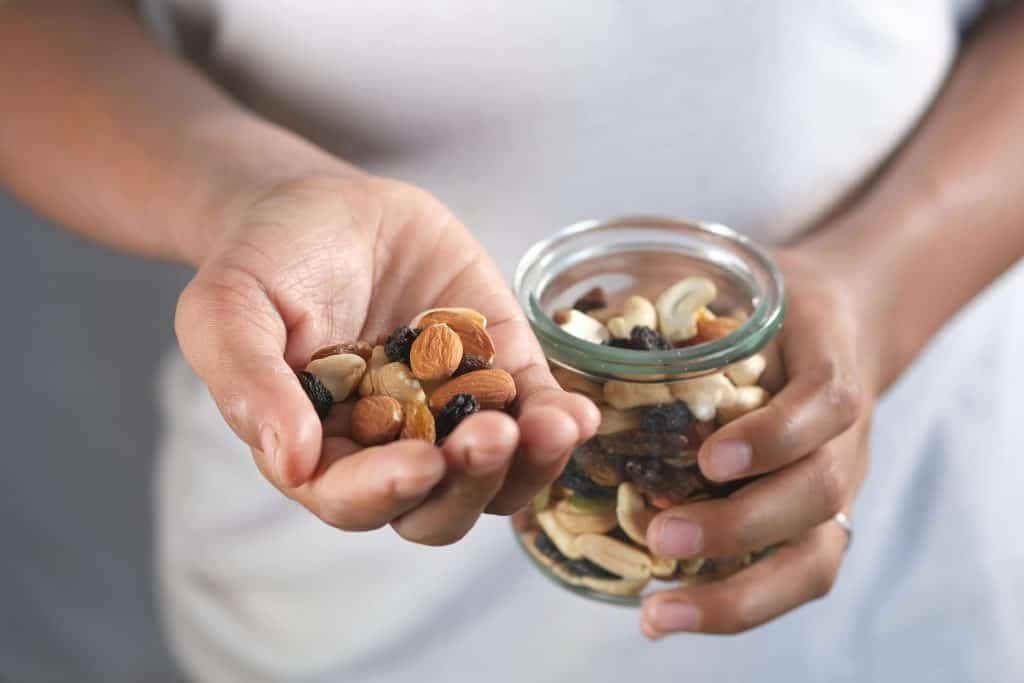
Here’s the practical piece. After 40, these are the foods and nutrients I recommend making non-negotiable:
| NUTRIENT PRIORITY | WHY IT MATTERS AFTER 40 | CLEAN FOOD SOURCES |
| Protein | Preserves muscle mass; supports metabolism | Eggs, fish, poultry, legumes, Greek yogurt, tofu |
| Calcium | Bone density protection as estrogen declines | Dairy, leafy greens, almonds, canned salmon |
| Magnesium | Bone health, sleep quality, nerve function | Pumpkin seeds, black beans, spinach, dark chocolate |
| Vitamin D | Bone health, immune function, and mood regulation | Fatty fish, eggs, fortified dairy, sunlight |
| Omega-3 Fatty Acids | Reduces inflammation; supports brain and heart | Salmon, sardines, walnuts, flaxseed, chia seeds |
| Fiber | Blood sugar stability; estrogen clearance; gut health | Vegetables, legumes, oats, whole grains, berries |
| Phytoestrogens | Mild hormonal support during perimenopause | Edamame, tofu, flaxseed, chickpeas, lentils |
| B Vitamins | Energy production, mood, nerve health | Whole grains, eggs, leafy greens, legumes |
| Iron | Energy, prevents fatigue — especially with heavy periods | Lean red meat, lentils, spinach, pumpkin seeds |
| Antioxidants | Reduces oxidative stress; supports skin and cellular health | Berries, leafy greens, colorful vegetables, green tea |

What to Pull Back On for Clean Eating for Beginners over 40
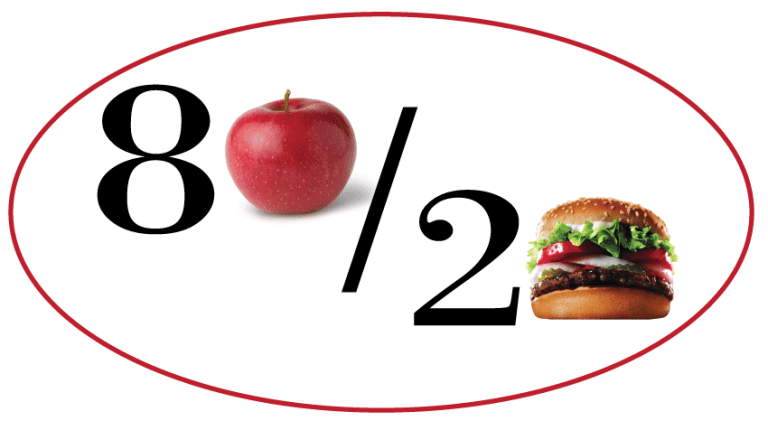
Equally important is knowing what to reduce. I’m not talking about eliminating anything forever — that’s not the 80/20 philosophy I live by. But these are the foods that work against your body most aggressively in midlife:
- Refined sugar and high-fructose corn syrup — the fastest way to spike blood sugar, drive inflammation, and store belly fat
- Ultra-processed snack foods and packaged meals — high in refined oils, artificial additives, and sodium; low in everything your body needs
- Refined carbohydrates — white bread, white rice, regular pasta — these behave like sugar in your body and worsen insulin sensitivity
- Alcohol — metabolized as a sugar, disrupts sleep cycles, increases liver burden, and can worsen perimenopausal symptoms like hot flashes
- Highly processed seed oils — Canola (rapeseed), Soybean, Sunflower, Corn, Safflower, Cottonseed, Grapeseed, and Rice bran, found in many packaged foods, drive systemic inflammation.
- Excess sodium — processed foods are the main source; it contributes to bloating and cardiovascular strain
Reducing these doesn’t mean never. It means less often and less volume. The 80/20 rule still applies — eat clean the majority of the time, and live your life the other 20%. For a full breakdown, read my article on foods to avoid on clean eating.
The Over-40 Clean Eating Starter Plate
If you’re looking for a simple visual to anchor your meals, here’s how I think about building a plate after 40:
| PLATE SECTION | WHAT TO PUT THERE |
| Vegetables: 3 servings per day. Fruits: 2 servings per day. | Leafy greens, broccoli, cauliflower, zucchini, peppers, asparagus — as colorful as possible. Berries, seasonal fruits (melons, apples, peaches) |
| Protein target: 1.2–1.6 grams of protein per kilogram of body weight per day | Salmon, chicken breast, eggs, lentils, Greek yogurt, tofu — aim for 25–35g per meal |
| Whole grains: 2–4 servings per day. Healthy Fats: – 2 to 4 servings per day | Whole Grains – brown rice, quinoa, barley, whole wheat, and oatmeal. Fats – avocado, olive oil, or a small handful of nuts |
| Always: Hydration | Water, herbal tea, or sparkling water — aim for at least 8 cups daily; more if exercising |
| Bonus: Fermented Food | A small serving of plain yogurt, kefir, or kimchi to support gut health and estrogen clearance |
This isn’t a strict formula — it’s a framework. Use it as a starting point, not a rulebook. Some meals will look different, and that’s absolutely fine.

How to Start Clean Eating After 40 — Step by Step
Here’s my recommended approach for women who are just beginning. Slow and sustainable beats fast and overwhelming every single time.
- Audit your current diet first. Before changing anything, pay attention to what you’re actually eating for three days. Notice where the sugar, processed foods, and refined carbs are showing up most. Those are your first targets.
- Start with protein at breakfast. This single change has the biggest ripple effect. A high-protein breakfast stabilizes blood sugar for hours, reduces cravings later in the day, and starts building the habit of fueling your body intentionally.
- Add before you subtract. Don’t lead with restriction. Instead, add a vegetable to every meal, add a serving of protein, add a glass of water. As you add more whole foods, processed foods naturally get crowded out.
- Read ingredient labels. If an ingredient list has more than five items you can’t pronounce, put it back. Your rule of thumb: if you couldn’t make it in your kitchen, reconsider it.
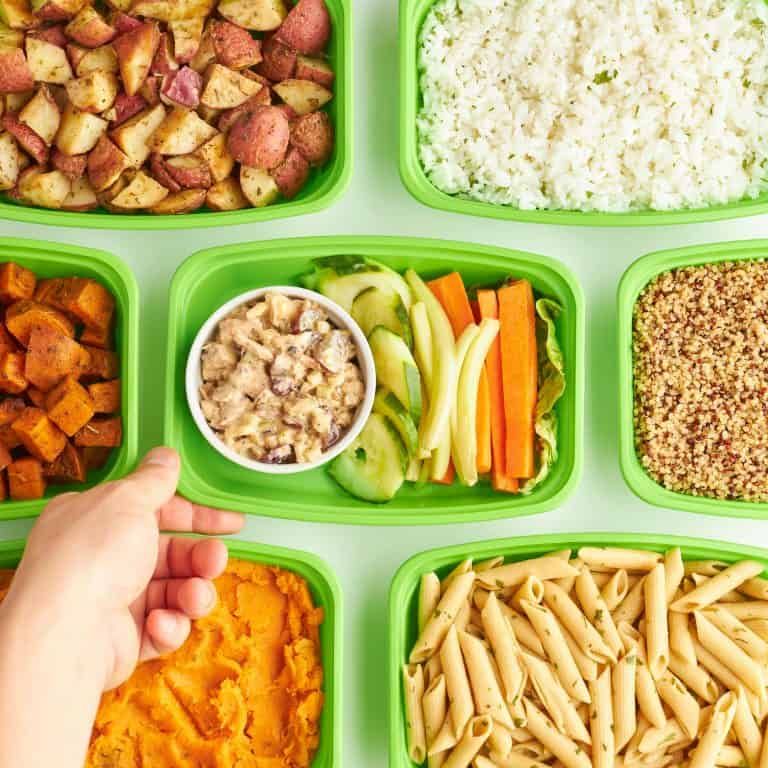
- Meal prep one or two anchor items each week. A batch of hard-boiled eggs, roasted vegetables, or cooked grains gives you clean building blocks for fast meals all week. Start small — even one prep item helps.
- Give your taste buds time. After years of processed food, your palate is trained to expect intense sweetness and salt. Whole foods may taste bland at first. Within two to three weeks, that shifts dramatically — and you’ll start craving real food.
- Track how you feel, not just the scale. After 40, clean eating gives you benefits that show up in your energy, mood, sleep, and joint comfort before they show up on the scale. Pay attention to all of it.
What to Expect — Your Timeline After 40
| Timeframe | What Women Over 40 Often Notice |
| Week 1 | Reduced bloating, better digestion, slightly more energy — especially in the morning |
| Weeks 2–3 | Fewer afternoon energy crashes; less intense cravings for sugar and processed food; mood beginning to stabilize |
| Weeks 4–6 | Noticeable improvement in sleep quality; clothes fitting differently even before scale changes; clearer skin |
| Month 2–3 | Sustained weight loss (often 1–2 lbs per week); significantly improved energy; reduced joint discomfort; stronger sense of wellbeing |
| 3–6 Months | Clean eating feels natural rather than effortful; hormonal symptoms (hot flashes, mood swings) are often less intense; consistent energy all day |
Results vary — everyone’s starting point, hormone levels, and life circumstances are different. Be patient, be consistent, and pay attention to the non-scale victories. They matter just as much. If you want a fuller picture of what to expect week by week, my How Long to See Results from Clean Eating guide breaks the whole timeline down in more depth.
FAQs — Clean Eating for Women Over 40
Is it harder to lose weight with clean eating after 40?
Weight loss can be slower after 40 — that’s real, and it’s not your fault. Hormonal changes, a slight decrease in resting metabolism, and shifts in muscle mass all play a role. But clean eating directly addresses these factors better than most approaches. Many women over 40 find that once they shift to whole foods and improve their gut microbiome, stabilize blood sugar, weight loss becomes more consistent — even if it’s a slower pace than they experienced in their 20s. Slower is also more sustainable.
Do I need to eat differently for perimenopause specifically?
Yes — slightly. During perimenopause, prioritizing protein (to preserve muscle), calcium and vitamin D (for bones), anti-inflammatory foods (to ease symptoms), and phytoestrogens (for mild hormonal support) becomes especially important. Clean eating naturally covers all of these when you build your plate intentionally. I’d also recommend speaking with your healthcare provider about any specific symptom management needs.
How much protein do women over 40 actually need?
Most research now suggests that women over 40 benefit from more protein than the standard 0.8g per kilogram of body weight that’s often recommended. Aim for 1.0–1.2g of protein per kilogram of body weight daily, or roughly 25–35 grams of protein per meal. Whole food sources — eggs, Greek yogurt, fish, poultry, legumes — are ideal because they come packaged with other beneficial nutrients.
What about soy? I’ve heard conflicting things.
This is one of the most common questions I get from women in perimenopause. The short answer: whole soy foods — edamame, tofu, tempeh — are generally considered safe and may be beneficial for perimenopausal women due to their phytoestrogen content. The concern about soy is mostly around highly processed soy protein isolates and supplements, not whole food soy. As with everything, moderation and whole food forms are the guiding principles.
Will clean eating help with hot flashes and other menopause symptoms?
Some women do notice a reduction in hot flash frequency and intensity with dietary changes — particularly when they reduce alcohol, caffeine, spicy foods, and refined sugar, and increase anti-inflammatory and phytoestrogen-rich foods. Clean eating won’t eliminate menopause symptoms, but it can create a foundation that makes them more manageable. Combined with other lifestyle factors — exercise, stress management, and sleep — the difference can be meaningful.
| Ready to Start Thriving After 40? My 7-Day Clean Eating Meal Plan is designed around the exact nutrients women over 40 need most — with simple, whole-food meals and a full shopping list to get you started this week. → Get the Plan at kelliannscheibe.com Save this post · Follow @kelliannscheibe on Instagram |
Here’s to your next chapter — nourished, thriving, and fully yourself,