How Long to see Results from Clean Eating?


The Question I Hear More Than Any Other
You’ve cleaned out the pantry. You swapped the breakfast cereal for oats and eggs. You’ve been reading labels and saying no to the office donuts. And now you’re standing in front of the mirror two weeks later, thinking: Is this even working?
I hear this more than almost anything else. And I want to give you an honest answer about how long to see results from clean eating — not a motivational poster answer, but a real, grounded, nurse-informed answer that actually helps you know what to look for and when.
The short version: clean eating works. But it doesn’t work on a single timeline for everyone, and the most important results often aren’t the ones you can see in a mirror.
The longer version? That’s what this article is about. I’m going to walk you through exactly what happens inside your body when you start eating clean — week by week, system by system — so you know what to expect, what to celebrate, and when to give yourself more time.
Heads up — some links in this post are affiliate links, meaning I may earn a small commission if you shop through them, at no additional cost to you. I only recommend products I truly love and use myself.

| ⭐ FEATURED SNIPPET ANSWER Most people notice the first results from clean eating within 3–5 days — typically less bloating, better digestion, and a slight energy lift. Mood and sleep improvements often follow in weeks 1–2. Visible weight loss typically becomes consistent around weeks 3–4. Deeper changes — skin clarity, hormonal balance, reduced inflammation — develop over 1–3 months of consistent clean eating. |
The Clean Eating Results Timeline: Week by Week
This is the overview. We’ll go deeper into each phase below — but pin this, save it, and come back to it when you need a reminder that you’re right on track.
| Timeframe | What’s Happening Inside | What You May Notice |
| Days 1–3 | Blood sugar begins to stabilize; digestive system adjusting to more fiber | Reduced bloating; cravings for sugar spike then ease; possible headache if sugar-dependent |
| Days 3–7 | Gut bacteria starting to shift; liver clearing processed food toxins; inflammation markers beginning to drop | More consistent energy; lighter feeling; better digestion; first signs of water weight loss |
| Weeks 1–2 | Serotonin production improving with gut health; cortisol levels stabilizing; deeper sleep cycles beginning | Improved mood and patience; falling asleep easier; waking up less groggy; fewer afternoon crashes |
| Weeks 2–4 | Consistent fat metabolism beginning; muscle repair supported by clean protein; gut microbiome actively rebuilding | Clothes fitting differently; scale beginning to move (0.5–2 lbs/week); clearer skin starting |
| Weeks 4–6 | Inflammation measurably reduced; hormone pathways supported; nutrient stores replenishing | Noticeable weight loss; significantly improved sleep; more stable moods; joint discomfort often reduced |
| Months 2–3 | Gut microbiome substantially reformed; metabolic rate supported by muscle preservation; cardiovascular markers improving | Consistent weight loss; natural food preferences shifting; increased physical stamina; skin and hair improvements |
| Months 3–6 | Systemic inflammation at new lower baseline; hormonal rhythms better supported; body composition shifting | Clean eating feeling effortless; significant physical and mental wellbeing improvements; long-term results solidifying |
Now let’s dig into each phase so you really understand what’s going on — and why patience is one of the most powerful tools in your clean eating toolkit.
Phase 1: Days 1–7 — The Adjustment Period
I’m going to be real with you here: the first few days of clean eating are not always comfortable. And that’s actually a sign that it’s working.
What’s Happening in Your Body
When you remove ultra-processed foods, refined sugar, and excess sodium from your diet, your body goes through a genuine adjustment. Blood sugar, which has likely been riding a rollercoaster of spikes and crashes, starts to even out. Your digestive system — suddenly receiving significantly more fiber than it’s used to — is recalibrating. Your gut bacteria are beginning to shift as you remove the food sources that were feeding the less-beneficial strains.
Some people experience what’s sometimes called a “carb flu” in the first one to three days — mild headaches, fatigue, or irritability. This is especially common if your previous diet was high in refined carbohydrates or sugar. It’s temporary, and it passes.
What You’ll Likely Notice
- Bloating may actually increase briefly in days 1–2 as your gut adjusts to more fiber — this is normal and temporary
- Sugar cravings can peak around day 2–3, then begin to ease as blood sugar stabilizes
- A slight energy lift often arrives by day 4 or 5 — the first real signal that something is shifting
- Some people notice reduced water retention quickly, especially after cutting sodium and processed food
| 💡 NURSE’S NOTE In my nursing experience, the people who struggled most in the first week of any dietary change were the ones who expected to feel amazing immediately. Managing that expectation makes all the difference. Your body is doing real biological work in this first phase — clearing, adjusting, rebuilding. Give it grace, drink plenty of water, and remember that discomfort in this window is a sign of change, not failure. |

Phase 2: Weeks 1–2 — Energy, Mood, and Digestion Improve
This is the phase where most people have their first real “I can feel this working” moment. And it usually doesn’t start with the scale — it starts with how they feel.
Energy Becomes More Even
By the end of week one, the blood sugar stabilization that started in days 1–7 is producing a noticeable effect: the afternoon energy crashes start to ease. You’re not dragging through 2 p.m. the same way. You don’t need the third cup of coffee. The energy you have feels more consistent — less like peaks and valleys, and more like a steady current.
This is one of the most motivating early wins, and it’s worth writing down when you notice it. These early non-scale victories are the fuel that carries you through the weeks ahead.
Your Gut Is Rebuilding
Research on gut microbiome changes suggests that meaningful shifts in bacterial composition can begin within just a few days of dietary changes — and become more significant over the first one to two weeks. As beneficial bacteria begin to flourish on a fiber-rich, whole-food diet, digestion improves, bloating reduces, and the gut-brain communication that supports mood and serotonin production starts to get clearer.
You may notice your digestion feels smoother. You may feel less heavy after meals. Some people notice their skin beginning to look a little clearer, though this is early — the bigger skin benefits come later.
For a deeper look at the gut-brain connection and why it matters so much, read my full article on this topic.
Sleep Quality Often Improves
By weeks one and two, many women report falling asleep more easily and waking up feeling more rested. This connects to both blood sugar stabilization (which reduces those cortisol spikes that wake you at 2 a.m.) and the improved serotonin production that supports melatonin. If sleep was a struggle before, this is often one of the first places women notice clean eating’s impact.
Phase 3: Weeks 2–4 — When the Scale Starts to Move
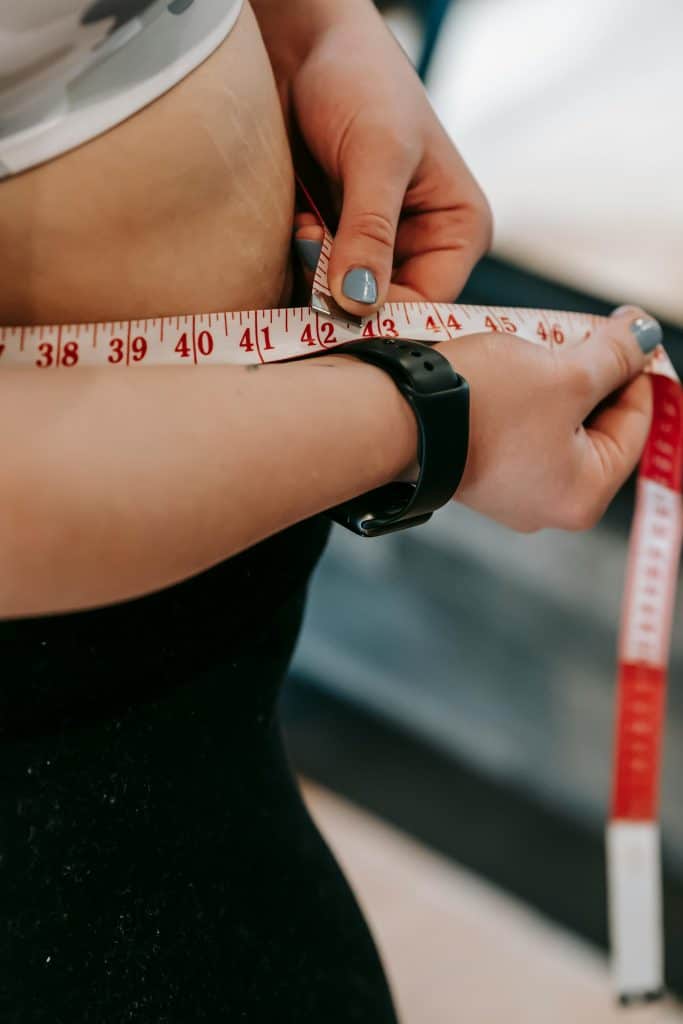
For many women, this is the phase they’ve been waiting for. And while I’ve been saying that non-scale results come first — and they matter enormously — weeks two through four is typically when visible weight loss becomes more consistent.
Why Weight Loss Is Delayed (and Why That’s Okay)
In the first week or two, any weight you lose is largely water weight — excess fluid that your body was holding onto partly because of high sodium intake and partly because of glycogen stores associated with a higher-carbohydrate diet. That’s real weight loss, but it’s not the same as fat loss.
Fat loss — actual reduction in stored body fat — begins as your body consistently receives fewer empty calories and more nutrient-dense whole foods. This takes a bit longer because your body needs to work through its adjustment phase, stabilize blood sugar, and begin tapping into fat stores for energy. That process is well underway by weeks two through four.
Sustainable, healthy fat loss runs at about 0.5 to 1 pound per week for most women. That might sound slow. But 1 pound per week is 52 pounds in a year — and it’s the kind of loss that stays off because you’re not restricting, you’re rebuilding. For more on the weight loss side of clean eating.
Clothes Fit Differently Before the Scale Shows It
Something I hear constantly from women in this phase: “The scale isn’t moving much but my jeans are looser.” This is real, and it matters. As inflammation reduces and gut health improves, bloating and puffiness decrease — sometimes dramatically. Body composition also begins to shift as you replace processed food with protein-rich whole foods that support muscle, which is denser than fat but takes up less space.
Don’t let the scale be your only measure of progress. It’s one data point, not the whole story.
Phase 4: Weeks 4–8 — Deeper Results Start to Show
By the one-month mark, women who have been consistently eating clean typically experience what I’d call the compound effect of clean eating. Each positive change is building on the last — better gut health supports better mood, which supports better sleep, which supports better food choices the next day.
Skin Clarity and Appearance
Skin improvements from dietary changes are real, but they take time because skin cells turn over on a roughly 28-day cycle. By weeks four through six, women often notice clearer, more even-toned skin, reduced puffiness (especially around the face), and sometimes a reduction in breakouts if those were driven by inflammation or blood sugar fluctuations. The omega-3 fatty acids, antioxidants, and hydration in a clean diet are doing the quiet work that shows up in your skin.
Inflammation Visibly Reducing
Joint stiffness, puffiness, and the kind of general physical heaviness that many women don’t even realize isn’t normal — these often noticeably improve in weeks four through eight. Chronic low-grade inflammation, which is driven heavily by processed food, refined oils, and sugar, responds meaningfully to a consistent anti-inflammatory eating pattern. Women who have struggled with joint pain or chronic fatigue often find this to be one of the most life-changing clean eating results.
Weight Loss Becoming Consistent
By this phase, most women are seeing steady, consistent loss if that’s their goal — typically averaging 0.5 to 1.5 pounds per week. More importantly, this loss is happening without obsessing over calories, without counting every bite, and without feeling deprived. That’s the clean eating difference.

Phase 5: Months 2–6 — The Long Game Pays Off
This is where clean eating stops being something you “do” and starts being who you are. The cravings for processed food diminish. Whole foods start to taste better. Your palate has genuinely shifted. And the results compound.
What Women Often Experience at 2–3 Months
- Consistent, sustainable weight loss — often 10–20 pounds over 2–3 months without restriction
- Significantly improved energy — all day, not just in the morning
- Noticeably better sleep quality — falling asleep faster, sleeping through the night more consistently
- Clearer, more radiant skin — often commented on by people who haven’t seen them recently
- Reduced joint discomfort and physical inflammation
- More stable moods — less anxiety, less irritability, more emotional resilience
- Food preferences genuinely shifting — processed food starts tasting too sweet, too salty, too heavy
What Women Often Experience at 3–6 Months
- Clean eating feeling effortless — it’s no longer a conscious effort, it’s a default
- Significant body composition changes — not just weight, but muscle tone and fat distribution
- Improved lab markers — cholesterol, blood sugar, inflammatory markers often improve meaningfully
- Better hormonal rhythm — particularly notable for women in perimenopause.
- A sense of ownership over their health that feels genuinely different from diet culture
10 Signs Clean Eating Is Working (Even When the Scale Isn’t Moving)
This might be the most important section in this article. The scale is one measurement tool. Here are ten more — and these are the ones that tell the truest story of what clean eating is doing for your health.
- You’re waking up before your alarm — and not dreading getting out of bed
- Your afternoon energy crashes have disappeared or significantly reduced
- You’re sleeping more soundly and waking up rested
- Your digestion is smooth, regular, and comfortable — no more post-meal bloating
- You’re not thinking about food between meals — hunger feels natural, not urgent or obsessive
- Your clothes are fitting differently, especially around the midsection
- Your mood is more stable — fewer emotional swings, more patience, less anxiety
- Your skin looks clearer, less puffy, more even-toned
- Joint stiffness or discomfort has reduced — especially in the morning
- You’re reaching for whole foods naturally, without forcing it — your cravings have shifted
If you’re experiencing even three or four of these, clean eating is working. Write them down. Take a photo of the list. Come back to it when the scale feels like the only thing that matters.

What Can Slow Your Results — And What to Do About It
Not everyone sees results on the same timeline. Here are the most common reasons results are slower than expected — and the honest fix for each:
| What’s Slowing Results | What to Do About It |
| Inconsistency — eating clean 5 days, not 3 | Aim for 80/20 consistency, not perfection. But the 20% still matters — check what’s sneaking in on the hard days |
| Hidden processed ingredients | Read every label. Many ‘healthy’ packaged foods contain refined oils, added sugar, or artificial additives that stall progress |
| Not enough protein | Protein is the key to satiety and muscle preservation. Aim for 25–35g per meal from whole food sources |
| Too much fruit or natural sugar | Whole fruit is healthy, but excess fructose — even from natural sources — can slow weight loss. Watch portions |
| Chronic stress and high cortisol | Cortisol drives fat storage, especially belly fat. Clean eating helps, but stress management matters too |
| Poor sleep | Sleep deprivation increases hunger hormones and reduces willpower. Clean eating and sleep work together |
| Underlying health conditions | Thyroid disorders, insulin resistance, PCOS, and other conditions can affect results. See your healthcare provider if progress stalls after 6–8 weeks of consistency |
FAQs — Clean Eating Results Timeline
I’ve been eating clean for two weeks and I don’t see any difference. Should I quit?
Please don’t. Two weeks is right in the middle of the adjustment phase — your body is doing internal work that isn’t showing on the outside yet. Go back to the non-scale victories list and check honestly: is your energy better? Digestion smoother? Sleep improving at all? If yes, it’s working. If you genuinely notice none of these after three weeks, review what’s on your plate — hidden processed ingredients, insufficient protein, or too much natural sugar are the most common culprits.
How long until I see weight loss specifically?
Visible, consistent fat loss typically begins in weeks two through four for most people. The first week often shows water weight loss, which can be significant (2–5 pounds) but isn’t the same as fat loss. After that, aim for 0.5–1 pound per week as a sustainable, healthy rate. If you’re over 40 or have hormonal factors at play, the timeline may be slightly longer — and the non-scale results will often be more dramatic than the number on the scale.
Will I see results faster if I’m also exercising?
Yes — but not in the way most people expect. Exercise doesn’t dramatically accelerate weight loss on its own (you can’t out-exercise a poor diet), but combined with clean eating, it supports muscle preservation, improves insulin sensitivity, speeds up metabolism, and enhances mood and sleep quality. All of those factors create an environment where clean eating results come more fully and more quickly. The combination is much more powerful than either alone.
Is it normal for results to stall after the first month?
It’s common. After an initial phase of faster results — often driven by water weight loss and digestive improvement — progress can plateau briefly as your body adapts. This is normal, and not a sign that clean eating has stopped working. It’s usually a signal to check protein intake, ensure you’re drinking enough water, review sleep quality, and consider whether stress levels are high. Most plateaus break within one to two weeks when these factors are addressed.
When will clean eating start to feel easy?
Most people report that clean eating becomes truly effortless somewhere between months two and three. The cravings decrease. The habits become automatic. Whole food starts to taste genuinely good — sometimes better than processed food ever did. Before that point, it takes intention. After it, it takes very little effort at all. That shift is worth every day of the first eight weeks.
| Ready to Start Your Timeline? Your Day 1 matters more than your Day 14. The best time to start is now — and my 7-Day Clean Eating Meal Plan will take all the guesswork out of your first week. → Grab the Meal Plan at kelliannscheibe.com Save this timeline · Follow @kelliannscheibe on Instagram |