Clean Eating vs Keto: How to Eat Clean on a Keto Diet

Can You Eat Clean on a Keto Diet?
Keto is everywhere right now — and I totally understand the appeal! The idea of training your body to burn fat for fuel, reducing cravings, and experiencing that mental clarity people rave about? It sounds amazing. And honestly, for many people, the results are real.
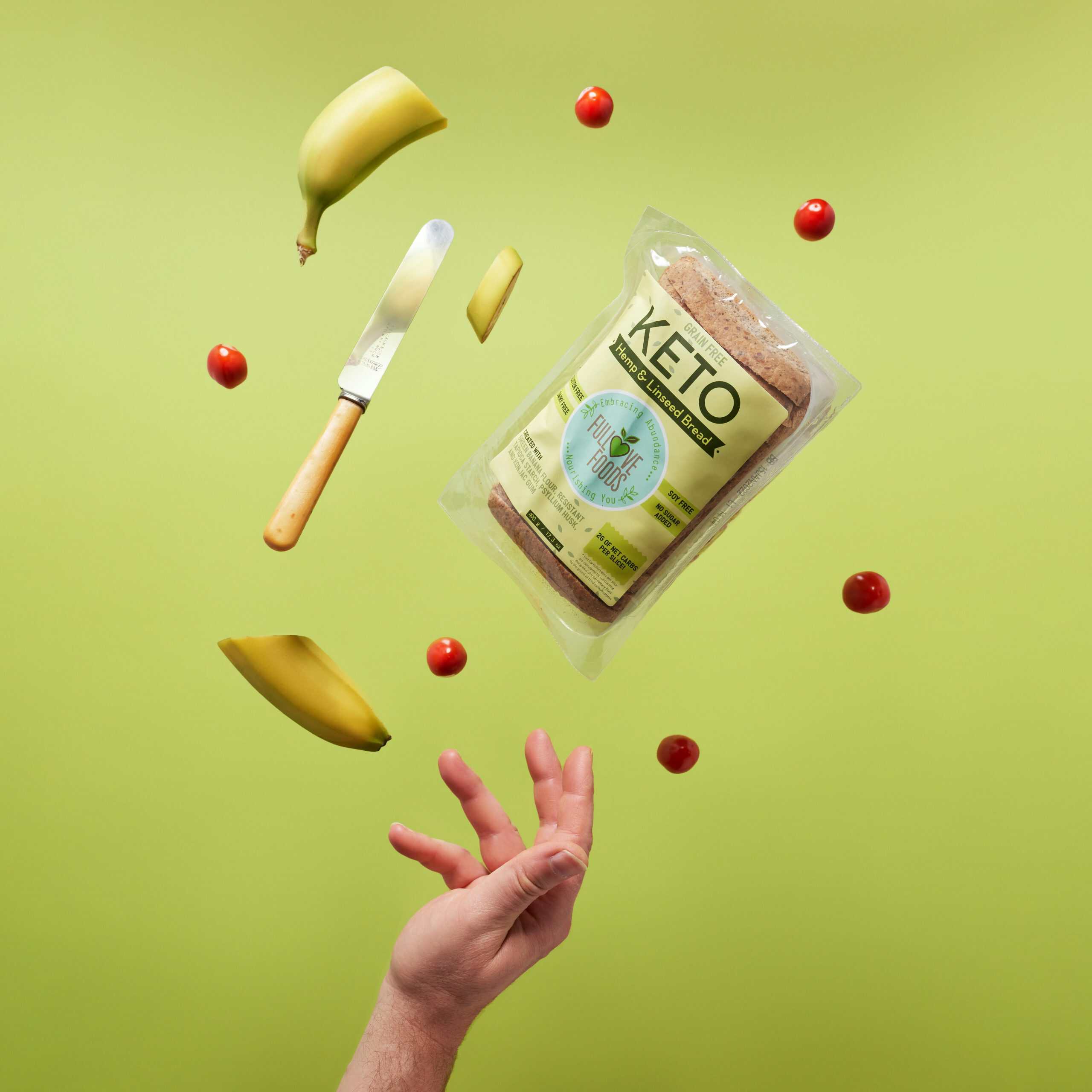
But here’s what I see happen time and time again: someone goes keto, and suddenly their grocery cart is full of keto-labeled chips, protein bars with 15 ingredients, and cheese-flavored snack packs. They’re technically hitting their macros — but they’re not eating clean. And friend, a bag of keto chips is still junk food.
As a nurse with 37 years of clinical experience, I want to show you something better. You can absolutely do keto AND eat clean at the same time. In fact, I’d argue that clean keto is the only version of keto worth doing for long-term health. Let me explain.
Heads up — some links in this post are affiliate links, meaning I may earn a small commission if you shop through them, at no additional cost to you. I only recommend products I truly love and use myself.
First, What Is Clean Eating?
Before we compare, let me give you a quick refresher on clean eating — because it’s the foundation everything else gets built on.
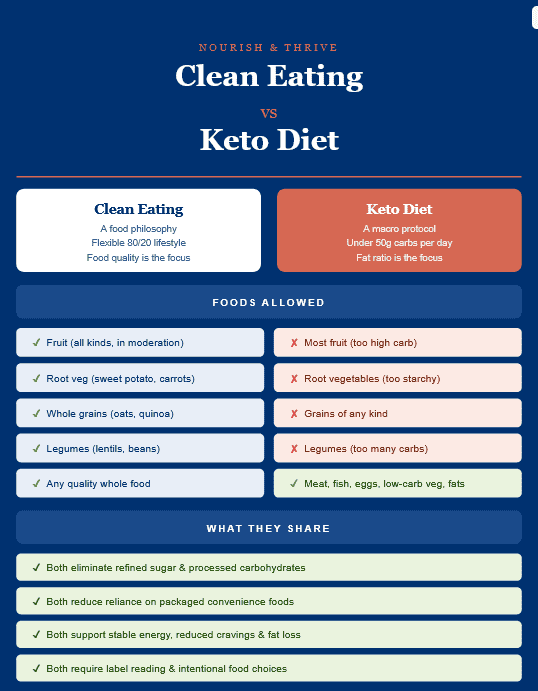
Clean eating is the commitment to choosing whole, real, minimally processed foods as the basis of your daily diet. It’s not a diet with rules and forbidden foods. It’s a philosophy. A way of thinking about food quality. And it works beautifully alongside any other eating approach — including keto.
At Nourish & Thrive, I teach the 80/20 version of clean eating. That means 80% of the time, you’re making the cleanest choice available. The other 20% is real life — and that’s perfectly fine. This approach is sustainable because it’s not all-or-nothing. It’s progress over perfection, every single day.
What Is the Keto Diet, Really?
The ketogenic diet is a very low-carbohydrate, high-fat, moderate-protein eating plan. When you drastically cut carbs — typically to under 50 grams per day — your body runs out of glucose to use as fuel and switches to burning fat instead. This metabolic state is called ketosis.
Standard keto macros look something like this: 70–75% of calories from fat, 20–25% from protein, and only about 5% from carbohydrates. That’s a significant shift from the standard American diet!
People use keto for a variety of reasons: weight loss, blood sugar management, improved mental focus, and reduced inflammation. And the research does support real benefits — especially for blood sugar regulation and metabolic health.
💡 Not all keto is created equal. ‘Dirty keto’ hits the macros but uses processed, low-quality foods. ‘Clean keto’ hits the macros AND uses real, whole foods. The difference in how you feel is significant.
Clean Eating vs Keto: Where They’re the Same
Here’s the good news — clean eating and keto share some really important common ground:
- Both eliminate refined sugar and processed carbohydrates
- Both reduce dependence on packaged, ultra-processed convenience foods
- Both encourage cooking at home with real, recognizable ingredients
- Both support stable energy levels and reduced cravings
- Both require you to read labels and think intentionally about your food choices
See the overlap? When you’re doing keto with a clean eating mindset, the two approaches work together beautifully.
Where They Differ: Food Quality vs. Macro Ratios
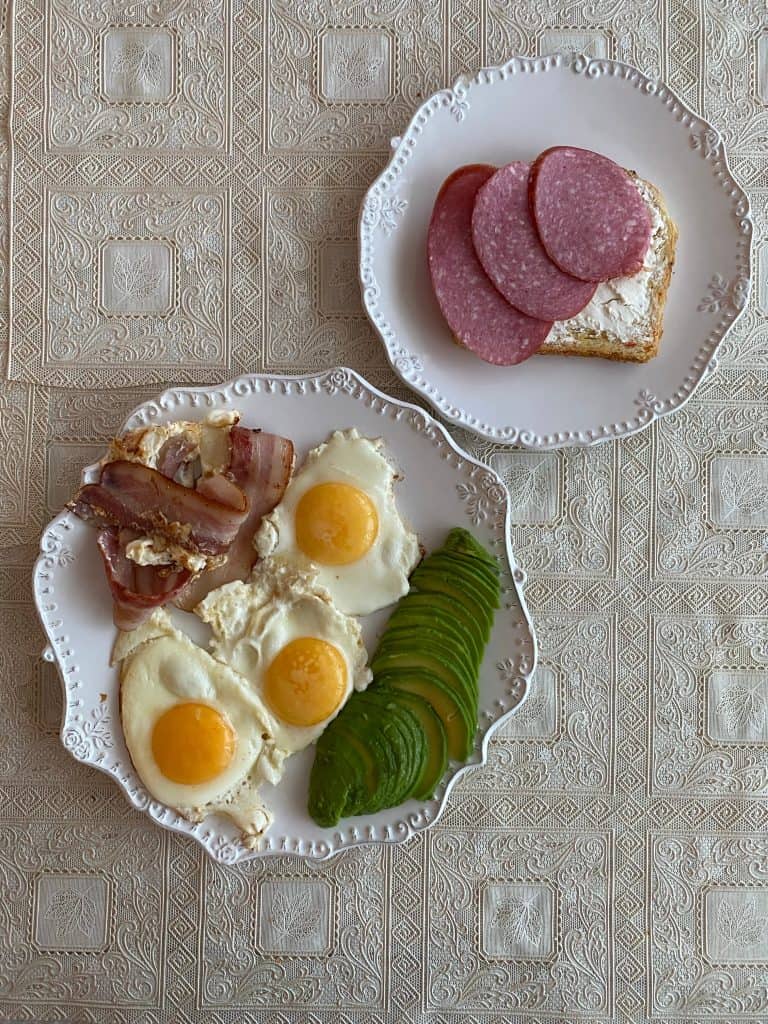
Here’s the key difference. Keto is a macro-focused approach — it’s primarily concerned with keeping carbohydrates low enough to maintain ketosis. Clean eating is a food-quality-focused approach — it’s primarily concerned with the ingredients and processing level of your food.
This means you can be in ketosis eating processed junk (dirty keto) or you can be in ketosis eating entirely whole, real foods (clean keto). Clean eating doesn’t care about your carb count. Keto doesn’t automatically care about your ingredient quality. Only when you combine both do you get the full picture.
Another difference: clean eating allows foods that keto restricts. Fruit, sweet potatoes, legumes, and whole grains are all clean foods — but they’d kick many people out of ketosis. So if you’re doing strict keto, you’ll skip these even though they’re completely clean.
What Is Clean Keto? The Best of Both Worlds
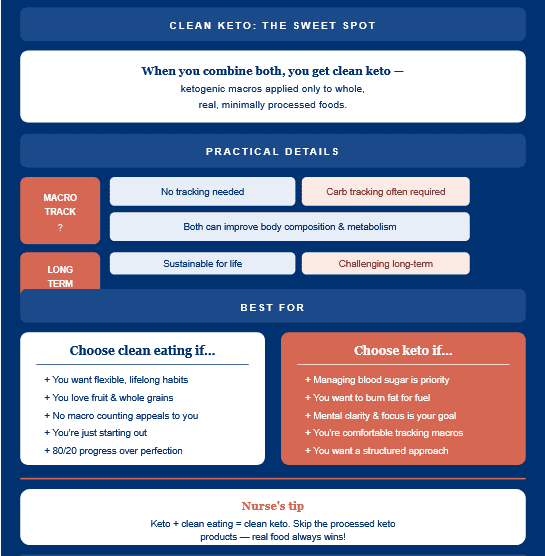
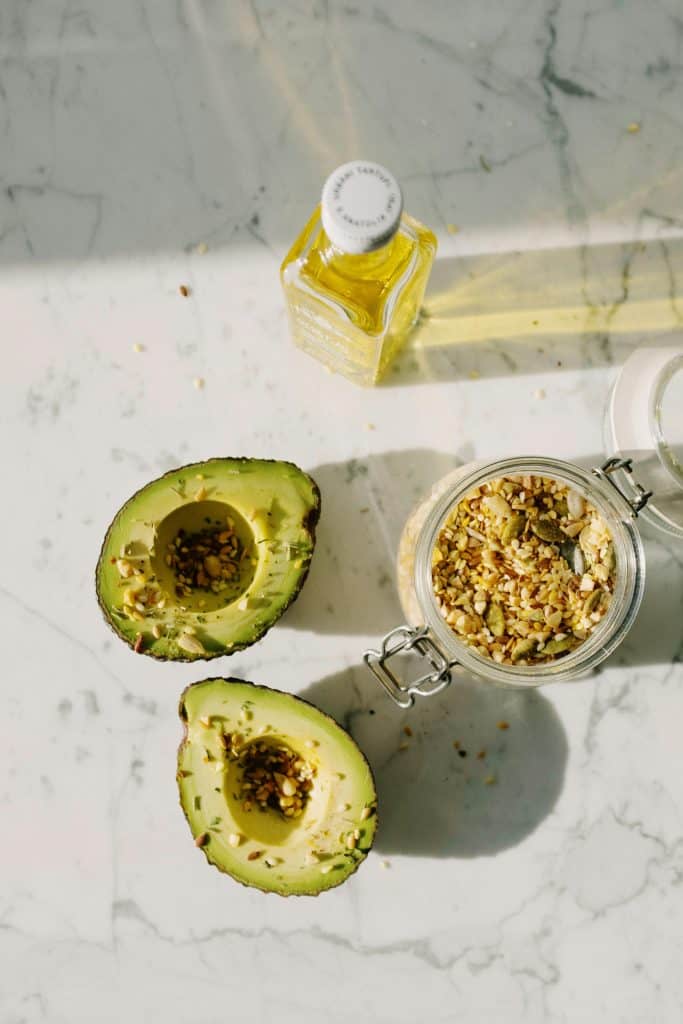
Clean keto is exactly what it sounds like: following ketogenic macros while choosing only whole, real, minimally processed foods. It’s what happens when clean eating principles become the filter for every keto food choice you make.
Here’s what clean keto looks like in practice:
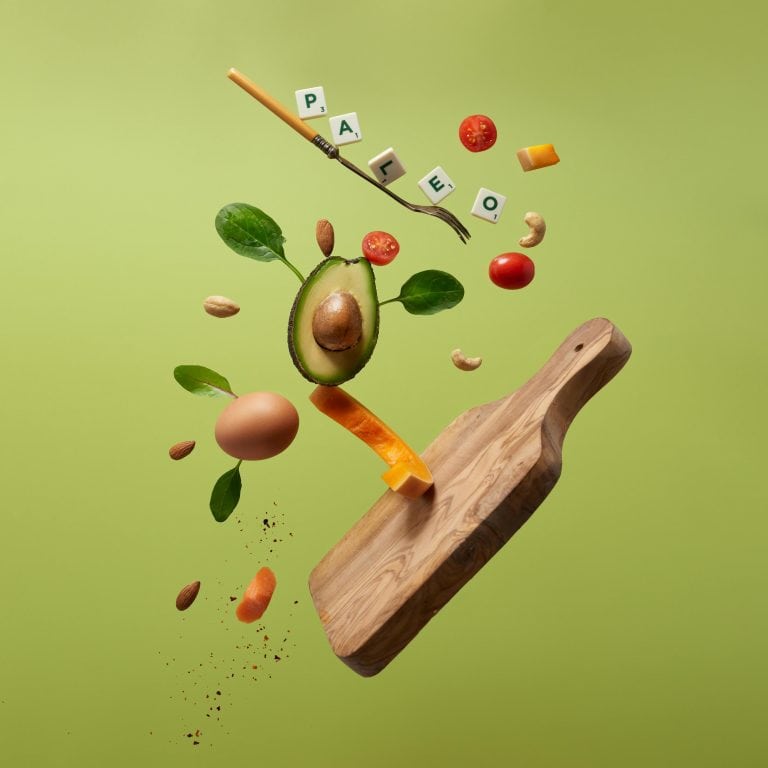
- Quality fat sources: avocado, olive oil, coconut oil, grass-fed butter, raw nuts, and seeds
- Clean protein: grass-fed beef, wild-caught fish, pastured eggs, organic chicken, and turkey
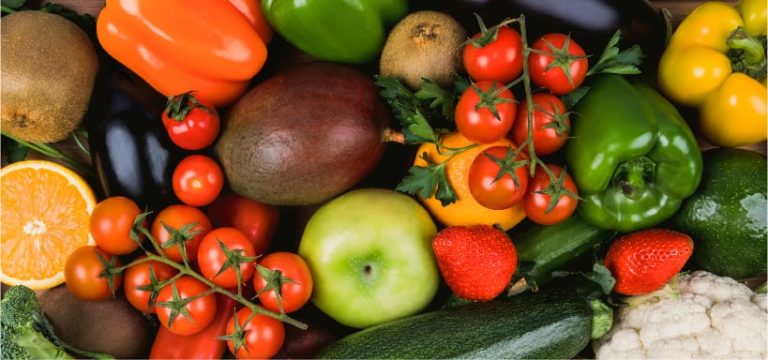
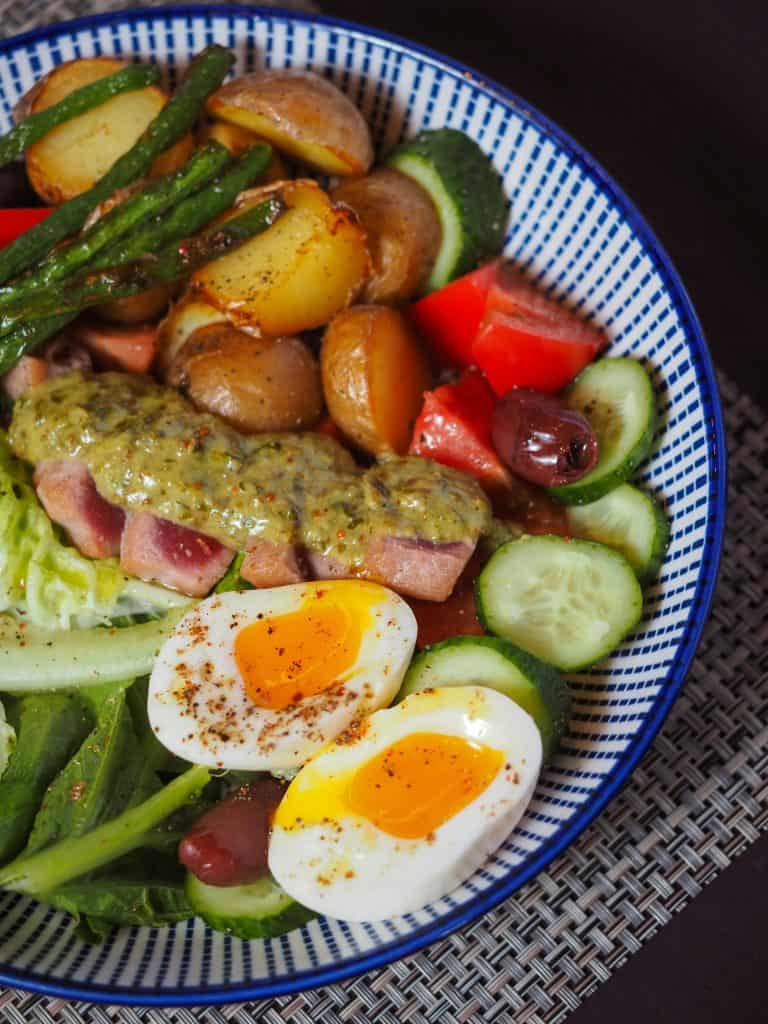
- Low-carb vegetables: leafy greens, broccoli, cauliflower, zucchini, peppers, and asparagus
- No processed keto products: skip the keto bars, keto chips, and keto ‘bread’ made with franken-ingredients
If your grandmother could walk into your kitchen and recognize every single item, you’re doing clean keto right.
A Sample Day of Clean Keto Eating
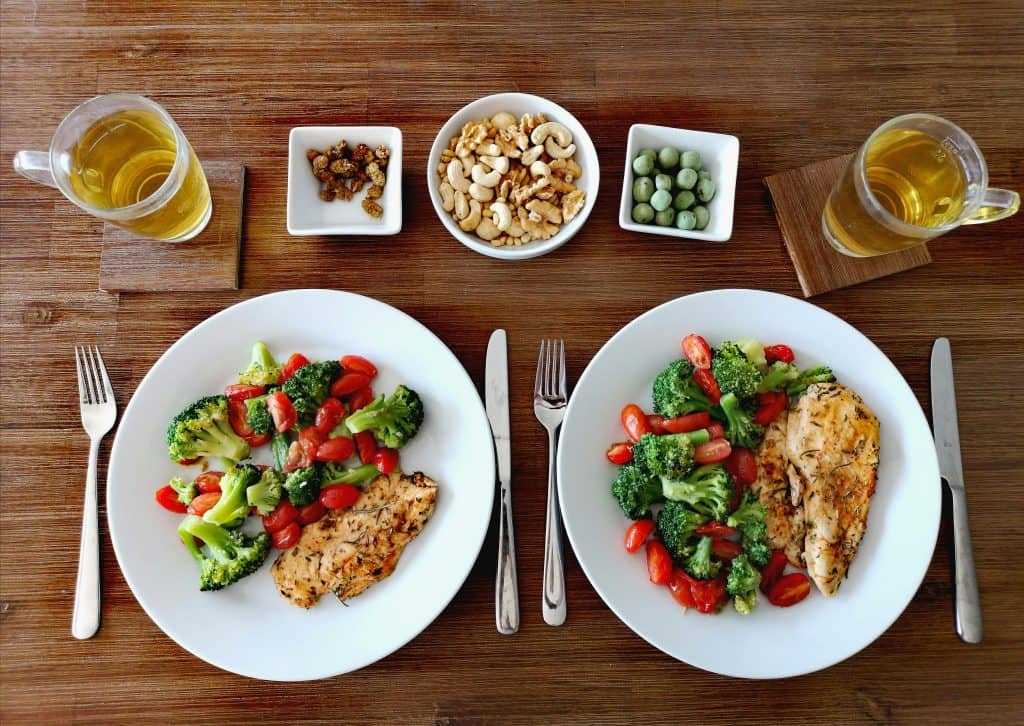
Here’s what a clean keto day of eating looks like:
- Breakfast: avocado and pastured egg scramble with sautéed spinach and a drizzle of olive oil
- Lunch: grilled wild-caught salmon over mixed greens with lemon, capers, and olive oil dressing
- Dinner: grass-fed beef burger (no bun) wrapped in butter lettuce with avocado, tomato, and mustard
- Snacks: macadamia nuts, celery with almond butter, hard-boiled pastured eggs
Every single item on that list is whole, real, and recognizable. You’re in ketosis AND you’re eating clean. That’s the sweet spot!
💡 Head to kelliannscheibe.com for my Clean Eating Grocery List — it’s easy to adapt for a clean keto approach!
Is Clean Keto Right for You?
Clean keto can be a genuinely powerful approach for certain health goals. It’s particularly well-suited for people managing blood sugar issues, experiencing inflammation, dealing with weight plateaus, or looking to improve mental clarity and focus.
As your nurse friend, I do want to say this: if you’re managing a health condition or taking medications, please talk to your healthcare provider before making significant changes to your carbohydrate intake. Keto can affect blood sugar and medication needs, and that deserves professional guidance.
Also — and this matters — you don’t have to go fully ketogenic to benefit from lower-carb, higher-protein clean eating. Many of my readers thrive on a clean eating approach that simply reduces refined carbs and increases quality protein, without ever hitting ketosis. Start with clean eating basics, then adjust from there based on how your body feels.
The Bottom Line on Clean Eating vs Keto
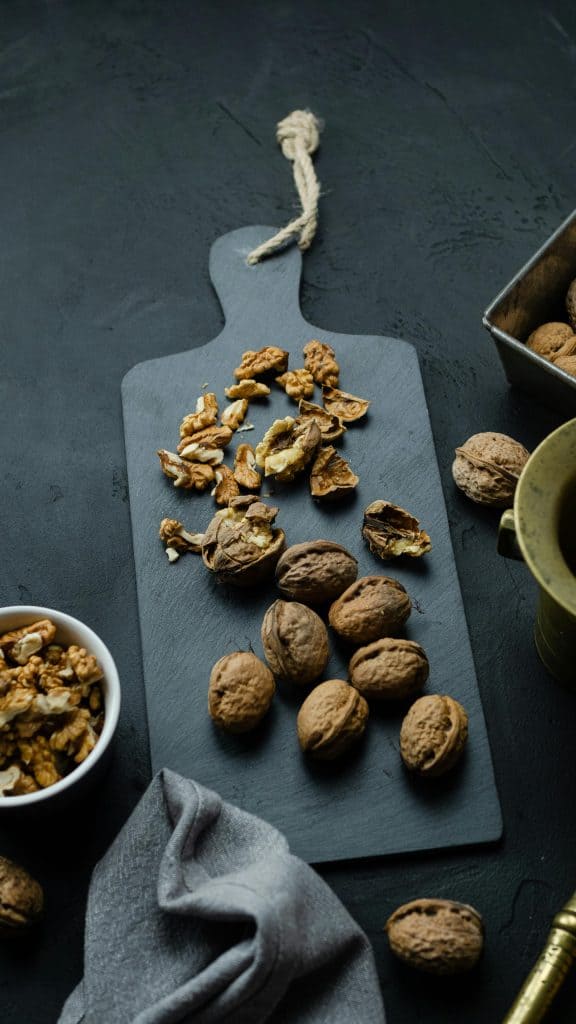
Here’s my honest take: keto and clean eating aren’t rivals — they’re partners. When you bring clean eating’s food-quality focus into your keto lifestyle, you get something so much more powerful than either approach alone. You get nutrient-dense, anti-inflammatory, whole food eating that also happens to keep your carbs low.
Skip the keto junk food. Embrace real ingredients. Give yourself grace for the 20% moments. That’s the Nourish & Thrive way — and it works whether you’re keto, clean eating, or both.
Ready to build your clean keto kitchen? Grab my free Clean Eating Grocery List at kelliannscheibe.com and let’s fill your pantry with the good stuff!