How to Reduce Food Waste While Eating Clean (Save Money Too)

Here’s something that might surprise you: the average American household throws away nearly a third of the food it buys. As a nurse who’s spent years counseling people on healthier habits, that number stops me every time. We’re not just wasting food — we’re wasting money, effort, and all the good intentions that went into buying those vegetables in the first place.
Clean eating and food waste reduction are a natural pair. When you’re intentional about what goes into your cart, you should be just as intentional about making sure it actually gets eaten. But I know how easily it happens — the bag of spinach that got pushed to the back of the fridge, the sweet potatoes you bought with good intentions that sat there for two weeks, the cooked chicken you meant to use for lunch and forgot about.
I grew up in Vermont in a household where wasting food just wasn’t something we did. Not for environmental reasons — though those matter too — but because every dollar spent on food was a dollar that mattered. That mindset stuck with me, and today it’s a core part of how I teach clean eating.
In this article, I’m going to walk you through practical, real-life strategies to reduce food waste while eating clean. We’re talking better planning, smarter storage, ingredient rescues, and a whole new way of thinking about leftovers. Let’s make sure every dollar you spend on whole foods actually ends up on your plate.
Why Food Waste Is a Clean Eating Problem
When you’re eating clean, you’re buying more whole foods — fresh produce, proteins, grains, and ingredients that need to be used within a certain window. Unlike packaged processed foods with long shelf lives, whole foods are perishable. That’s actually a sign of their quality. But it also means that without a plan, waste is almost inevitable.
According to research from ReFED, a U.S. food waste nonprofit, the average American household wastes roughly $1,500 worth of food every year. That’s a significant chunk of money walking straight from your grocery cart into your trash can. If you’re working with a tight clean eating budget — say, $75 a week — even small amounts of waste can derail your efforts.
The good news is that the same habits that make you a better clean eater — planning, batch cooking, using your freezer wisely — are also the most powerful tools for cutting food waste. You don’t have to do anything dramatically different. You just have to be a little more intentional.
Reducing food waste isn’t about being perfect. It’s about developing a rhythm: shop with a plan, cook with flexibility, store things right, and always have a rescue strategy for ingredients that are about to turn.
Strategy #1: Plan Before You Shop
I say this in almost every clean eating article I write because it’s that important: meal planning is the single most effective way to reduce food waste. When you know exactly what you’re making each week, you buy only what you need, and you build every ingredient into at least one meal.
Here’s my weekly planning rhythm:
- Sunday afternoon: Check what’s already in the fridge and pantry before I write my grocery list. I build that week’s meals around what needs to be used up first.
- Shop with a list: I only buy what’s on the list. Impulse buys are the number one source of forgotten, wasted food.
- Plan for leftovers intentionally: Every dinner I cook Sunday gets built into at least two other meals during the week. Roasted chicken becomes a grain bowl. Lentil soup becomes lunch Tuesday and Wednesday.
- Write it down: A simple list on the fridge of what needs to be eaten first saves more food than any fancy app or system.
Check out my 5-Day Clean Eating Meal Plan for a done-for-you example of how this planning system works in practice.
Strategy #2: Shop Your Fridge First
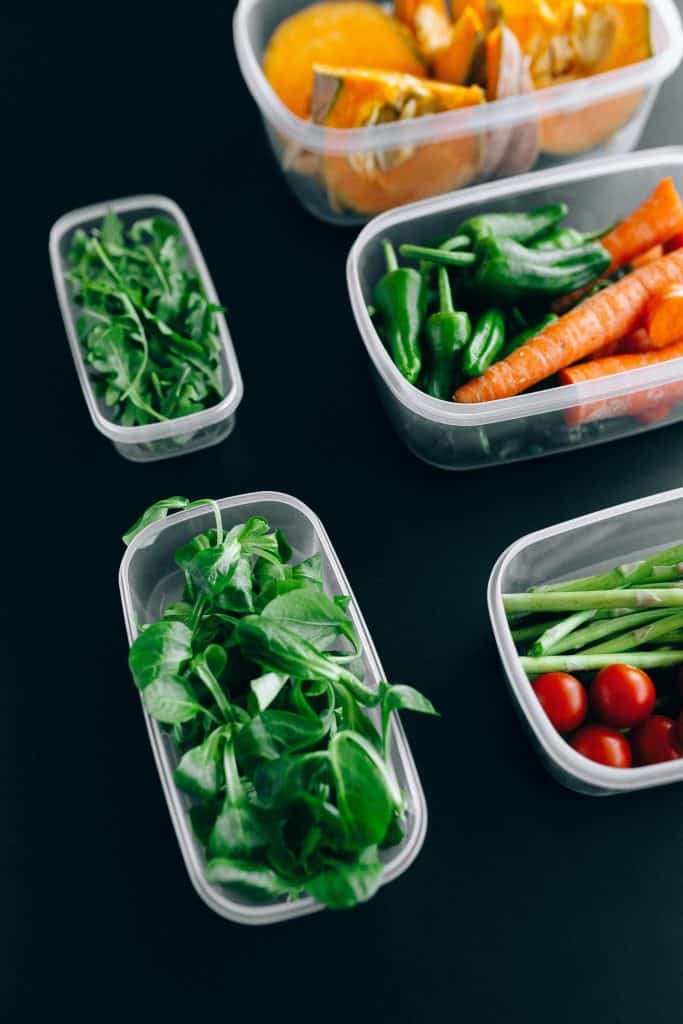
Before you write your grocery list each week, open the fridge and take honest stock of what’s in there. What produce is starting to wilt? What protein needs to be cooked or frozen today? What leftovers are sitting in containers that need to become tomorrow’s lunch?
I call this the “fridge audit,” and it takes about five minutes. The rule is simple: whatever needs to be used up this week gets built into this week’s meals before I add anything new to the list. This one habit alone can cut your food waste significantly.
A Quick Fridge Audit Checklist
- Check the crisper drawers — what produce is close to the edge?
- Scan leftovers — what can become a meal tomorrow?
- Check open packages — what needs to be used before a new one gets opened?
- Look at proteins — anything that needs to be cooked or frozen today?
- Note what’s plentiful — if you have a lot of spinach, build it into three meals this week.
Strategy #3: Master Batch Cooking to Minimize Waste
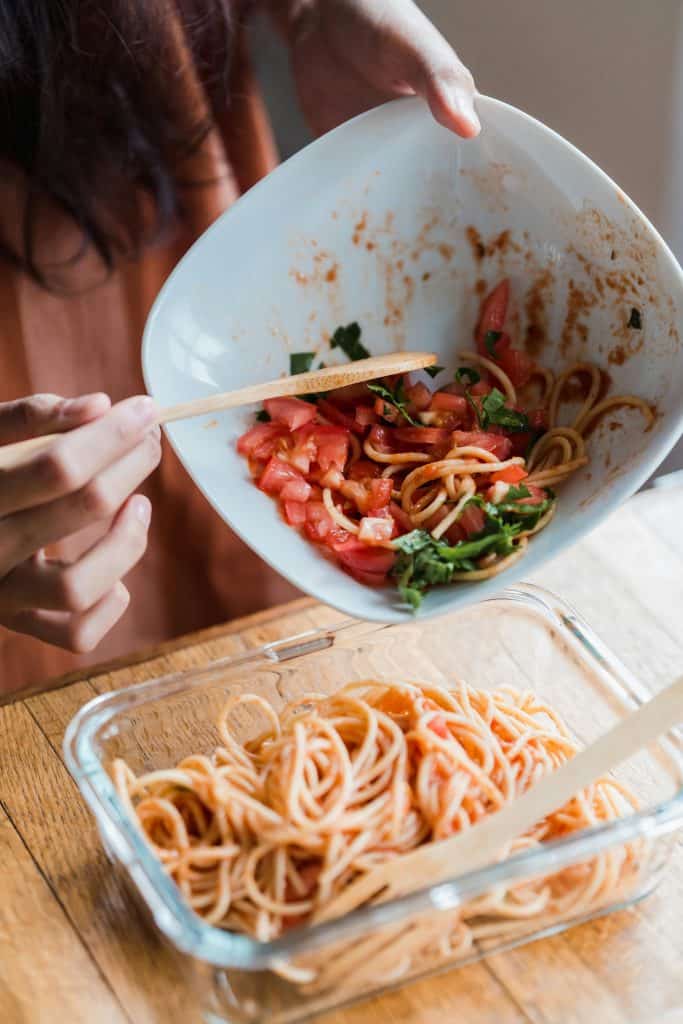
Batch cooking — cooking larger quantities of foundational ingredients on one day and using them throughout the week — is one of the most powerful waste-reduction tools in a clean eater’s kitchen. When cooked food is ready in the fridge, it gets eaten. When raw ingredients sit uncooked, they go bad.
My Sunday batch cooking lineup typically includes:
- A big pot of grains: Brown rice, quinoa, or farro — cooked in bulk, stored in the fridge, ready to become bowls, sides, or stir-fry bases all week.
- A batch of legumes: A pot of lentils or a drained and seasoned batch of canned beans — ready to add to salads, soups, or wraps.
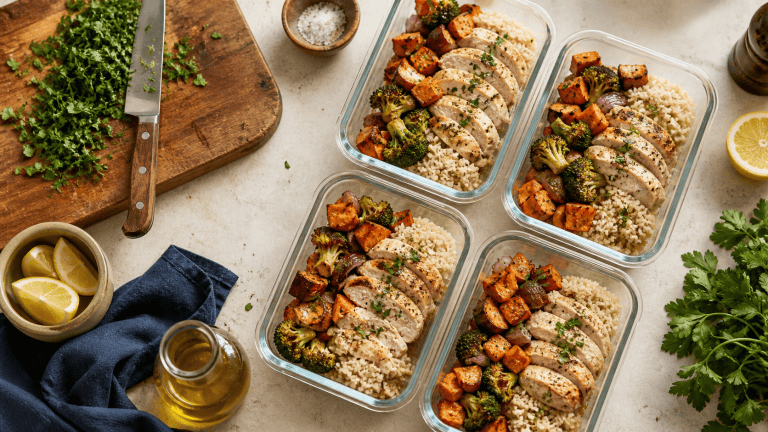
- Roasted vegetables: One or two sheet pans of whatever produce needs to be used first. Roasted veggies keep beautifully in the fridge for 4–5 days and go into everything.
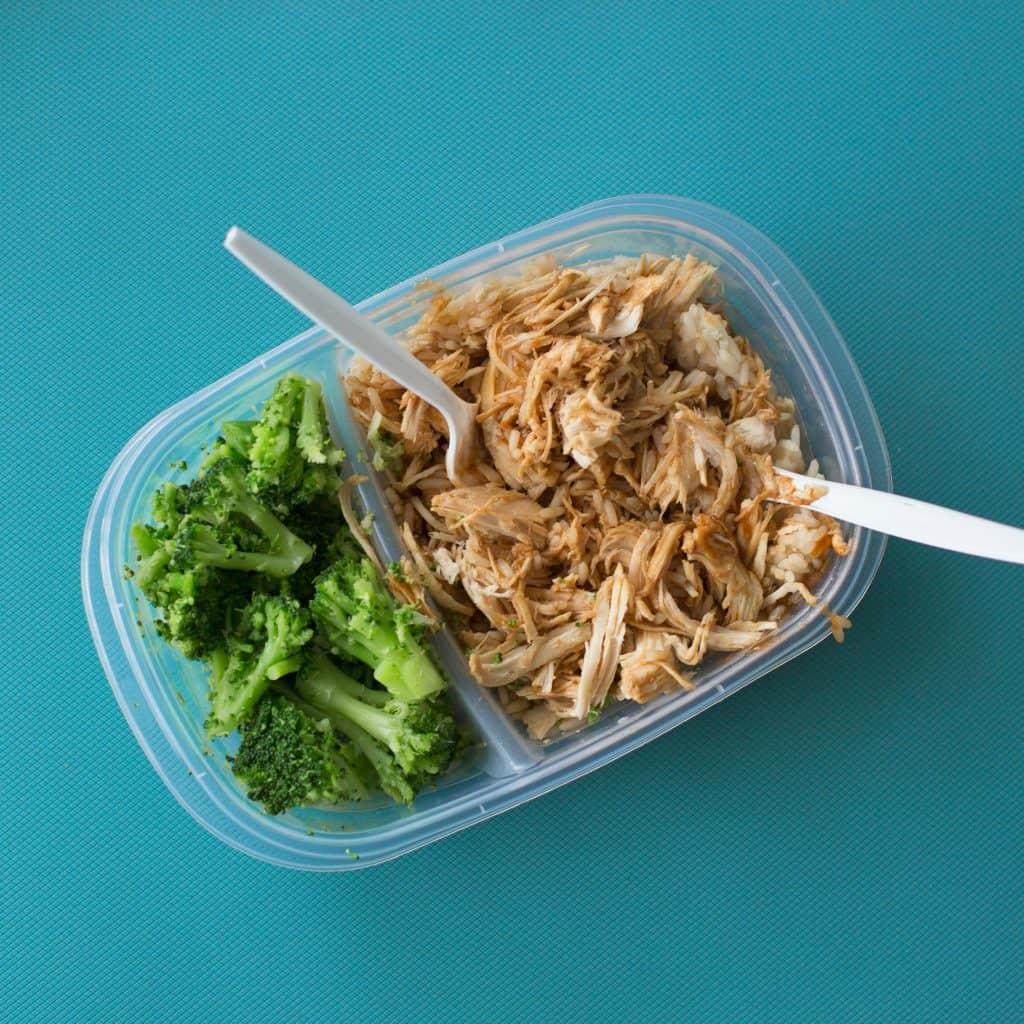
- A cooked protein: Baked chicken thighs or a pot of hard-boiled eggs — ready to slice, shred, or grab for a quick clean meal.
With these four components prepped, I can assemble clean meals all week without letting anything go to waste. The roasted vegetables that started as a side dish on Monday become the base of a grain bowl on Wednesday and go into a frittata on Thursday.
Strategy #4: Store Everything Right
Proper food storage is one of the easiest wins for reducing food waste. Most produce spoils faster than necessary simply because it’s stored incorrectly. Here’s a quick reference guide for the clean eating staples most likely to end up in your fridge:
| Food | Fridge | Freezer | Storage Notes |
| Cooked grains | 4–5 days | 3 months | Store in airtight container. Freeze in meal-sized portions. |
| Cooked legumes | 4–5 days | 3 months | Add a little water before freezing to prevent drying out. |
| Cooked chicken | 3–4 days | 3–4 months | Store shredded or sliced for easy grab-and-go use. |
| Raw chicken | 1–2 days | 9 months | Freeze immediately if not cooking within 2 days of purchase. |
| Hard-boiled eggs | 1 week | Not ideal | Keep in shell until ready to eat. Do not freeze. |
| Leafy greens | 3–5 days | Not ideal | Line the container with a paper towel to absorb moisture. |
| Roasted vegetables | 4–5 days | 2–3 months | Cool completely before refrigerating. Freeze in flat bags. |
| Fresh berries | 3–5 days | 6–12 months | Don’t wash until ready to eat. Freeze ripe ones before they turn. |
| Bananas | 2–3 days (ripe) | 3 months (peeled) | Freeze overripe bananas for smoothies — peel first. |
| Sweet potatoes (raw) | 3–5 weeks (pantry) | 6 months (cooked) | Store raw in a cool, dark, dry place — not the fridge. |
| Avocados (cut) | 1–2 days | 3–6 months | Store with pit, squeeze lemon on cut surface. Or freeze mashed. |
| Fresh herbs | 1–2 weeks | 3–6 months | Store upright in a glass of water like flowers, covered loosely. |
One of the most important storage investments you can make is a good set of airtight meal prep containers. Glass containers with locking lids keep food fresher longer, are safe for reheating, and let you see exactly what’s in the fridge so nothing gets forgotten. I have a full guide to choosing the best meal prep containers on the blog if you want my recommendations.
Strategy #5: The Ingredient Rescue Plan
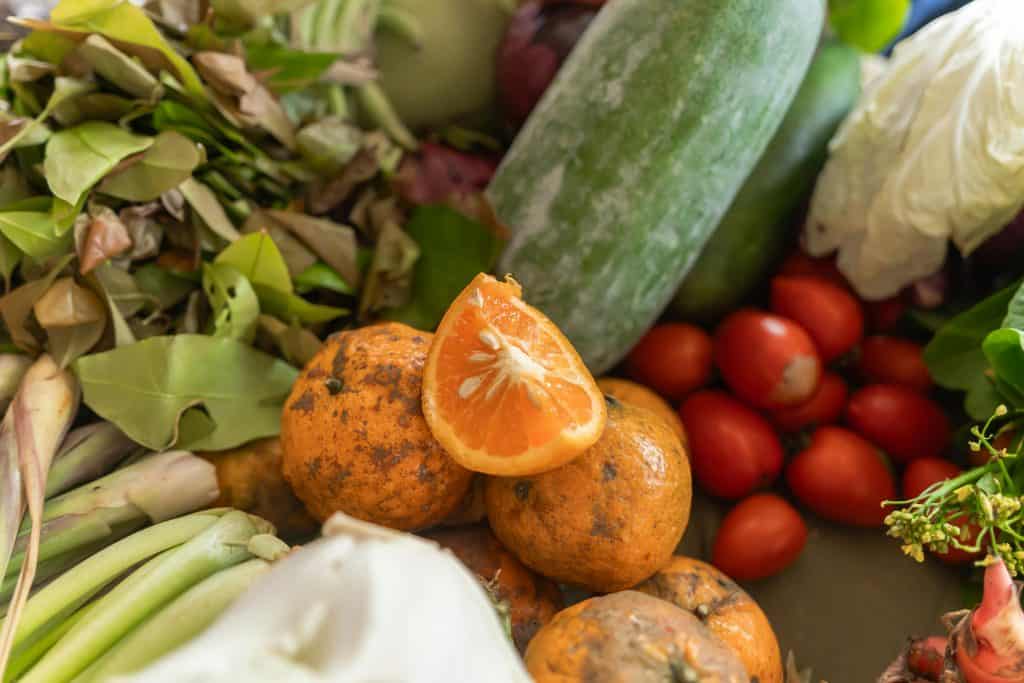
Even with the best planning and storage habits, you’ll sometimes end up with ingredients that are about to turn. That’s when the ingredient rescue plan kicks in. Instead of tossing wilting spinach or a lonely half-can of chickpeas, you transform them into something intentional.
Here are my go-to rescue moves for the most common clean eating ingredients:
| Leftover Ingredient | Rescue Ideas | Storage Tip |
| Wilting spinach / greens | Blend into a smoothie, sauté with garlic as a side, wilt into pasta sauce, add to scrambled eggs or frittata | Use within 1 day — or blanch and freeze immediately |
| Overripe bananas | Freeze for smoothies, mash into overnight oats, make banana oat pancakes or muffins | Peel and freeze in zip bags for up to 3 months |
| Cooked grains (extra) | Grain bowl base, add to soup to thicken, make fried “rice,” use as breakfast porridge with fruit | Refrigerate up to 5 days or freeze in portions |
| Leftover roasted veggies | Add to frittata or egg scramble, toss into pasta, blend into soup, add to a grain bowl | Refrigerate up to 5 days; freeze for up to 2 months |
| Half a can of chickpeas | Roast for a crunchy snack, add to a salad, toss into soup, mash with lemon for a quick spread | Store in water in a covered container for 3–4 days |
| Leftover cooked chicken | Shred for tacos or wraps, slice for a grain bowl, add to soup, mix into a pasta dish | Refrigerate 3–4 days; freeze shredded for up to 4 months |
| Carrot tops & broccoli stems | Sauté stems like any vegetable, blend tops into pesto or smoothies, add to stir-fry | Use stems within 3–4 days of cutting; tops wilt fast |
| Fresh herbs about to turn | Blend into herb oil or pesto, chop and freeze in ice cube trays with olive oil | Frozen herb cubes last 3–6 months |
| Tomatoes getting soft | Roast them whole with olive oil and garlic, blend into a quick pasta sauce, add to a shakshuka | Roasted tomatoes keep 5 days in fridge or freeze well |
| Extra cooked lentils | Add to soup, stuff into a wrap, make a lentil patty, toss into a salad for protein | Refrigerate 4–5 days or freeze in portions up to 3 months |
Strategy #6: Use Your Freezer as a Safety Net
Your freezer is the most underused food waste prevention tool in your kitchen. Think of it not as a place where food goes to be forgotten, but as a pause button. Almost anything can be frozen — cooked grains, beans, soups, proteins, sauces, and most vegetables — and pulled out exactly when you need it.
What to Freeze (and When)
- Proteins: If you bought more chicken, fish, or meat than you’ll use in the next two days, freeze it the same day you get home from the store.
- Cooked meals and soups: A big batch of lentil soup or clean chili freezes beautifully in individual portions. Future-you will thank present-you enormously.
- Produce on the edge: Spinach, kale, berries, bananas, and most vegetables can be frozen before they go bad. You don’t need to blanch most of them first if you’re planning to cook or blend them anyway.
- Herbs: Chop fresh herbs and freeze them in olive oil in an ice cube tray. Pop one into a pan for instant flavor with zero waste.
Freezer tip: Label everything with the date and contents. A piece of frozen soup in an unlabeled container becomes a mystery meal — and mystery meals often stay frozen until they eventually get thrown out anyway. Label it before it goes in.
Strategy #7: Rethink “Scraps”
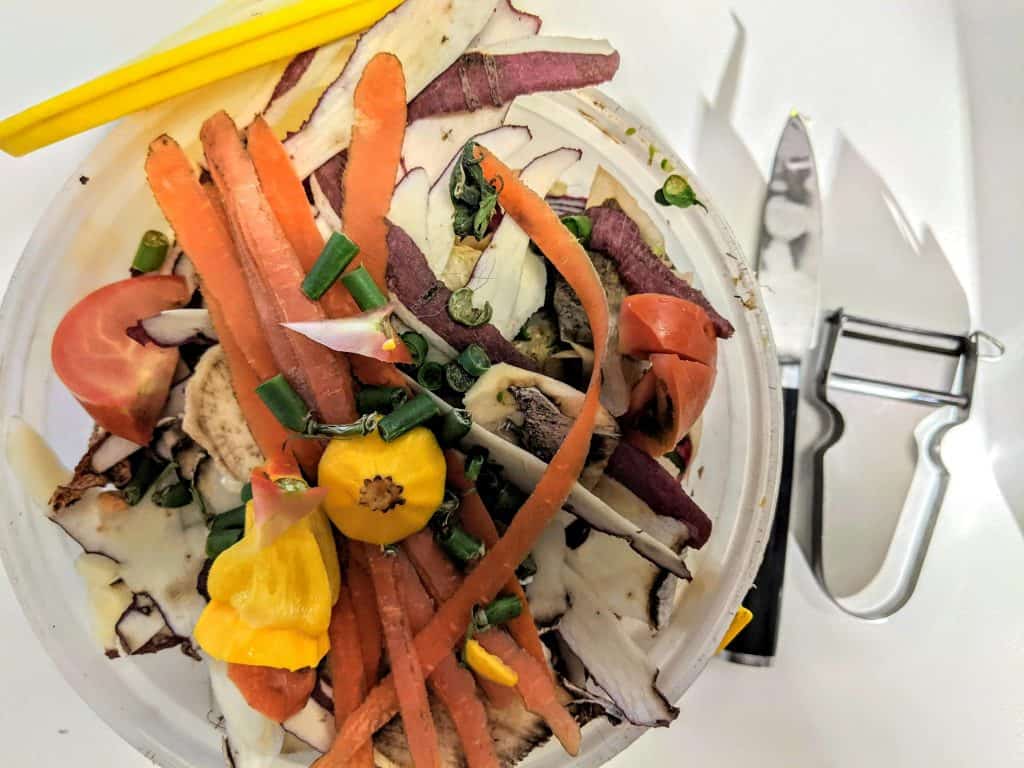
This one takes a little shift in mindset, but once it clicks it becomes second nature. Many parts of whole foods that most people throw away are actually nutritious and perfectly usable.
- Broccoli stems — peel the tough outer layer and slice or dice. They taste just like the florets, last longer in the fridge, and cost you nothing extra.
- Carrot tops — slightly bitter but perfectly edible. Use them in pesto or finely chop into a chimichurri-style sauce.
- Parmesan rinds — if you use parmesan, save the rinds and simmer them in soups and stews for incredible depth of flavor.
- Onion and garlic skins — freeze them in a bag and use them to make a clean vegetable broth. Free, flavorful, zero waste.
- Citrus peels — zest before you juice. Freeze the zest and use it to brighten sauces, dressings, and baked dishes for weeks.
- Wilted herbs — blend with olive oil, garlic, and lemon for a quick clean sauce or salad dressing.
None of this is complicated. It’s just about looking at what you have with fresh eyes before you reach for the trash can.
Building a Zero-Waste Clean Eating Week
Here’s what a low-waste clean eating week looks like when all these strategies work together:
SUNDAY — SHOP & PREP
- Do a fridge audit before writing your grocery list.
- Shop with a list built around what you already have.
- Batch cook: a pot of grains, a tray of roasted vegetables, a protein, a pot of legumes.
- Freeze anything you won’t use this week.
MONDAY THROUGH FRIDAY — EAT WITH A PLAN
- Use the “most perishable first” rule: eat fresh produce earlier in the week, frozen and pantry staples later.
- Build every lunch around Sunday’s dinner leftovers.
- Check the fridge Wednesday night — anything about to turn gets cooked Thursday.
- Friday is “use it up” day: build a meal from whatever is left before the weekend shop.
Nurse Kelli’s Bottom Line: Reducing food waste and eating clean are two sides of the same coin. Both require a little planning, a little intention, and a willingness to see your food — and your budget — as something worth protecting. After 37 years in healthcare, I’ve learned that sustainable healthy habits are built on small, consistent actions, not perfect systems. Start with one strategy from this list. Build from there. Every time you rescue a bag of spinach or turn Sunday’s chicken into Thursday’s soup, you’re winning.
Frequently Asked Questions
How do I reduce food waste when meal prepping?
The most effective strategy is planning your meals before you shop — only buying what you have a specific plan to use. Then batch cook foundational ingredients on one day (grains, proteins, roasted vegetables) so that cooked food is always ready to eat. Cooked food gets eaten; raw ingredients left in the fridge often get forgotten. Also, use your freezer aggressively — freeze anything you won’t use within the next 2–3 days.
How long do clean eating leftovers last in the fridge?
Most cooked clean eating meals last 3–5 days in the refrigerator when stored in airtight containers. Cooked grains and legumes keep for 4–5 days. Cooked chicken and fish should be eaten within 3–4 days. For anything you won’t eat within that window, freeze it.
What vegetables can I freeze before they go bad?
Most vegetables freeze well, especially ones you plan to cook or blend later. Spinach, kale, broccoli, cauliflower, zucchini, carrots, and sweet potatoes all freeze beautifully. Berries and bananas freeze perfectly for smoothies. Leafy salad greens, cucumbers, and radishes don’t freeze well and should be used fresh. When in doubt, blanch and freeze.
Is it safe to meal prep for the whole week?
Yes, with a few guidelines. Most cooked foods stay safe in the refrigerator for 3–5 days. For a full week of prep, cook some items midweek or freeze the meals you plan to eat Thursday through Sunday. The FDA’s food safety guidelines recommend not storing cooked proteins for more than 3–4 days in the fridge, so plan accordingly.
How do I use up vegetables before they go bad?
My best rescue moves: roast them (almost any vegetable becomes delicious when roasted with olive oil and salt), add them to soups or stews, blend them into a smoothie (spinach and kale especially), or fold them into an egg scramble or frittata. The ingredient rescue table in this article covers the most common clean eating vegetables with specific ideas for each one.
Want my free Food Waste Rescue Cheat Sheet?
Subscribe to Nourish & Thrive and get the printable cheat sheet — plus weekly clean eating tips, budget meal ideas, and real talk about eating well every day.
kelliannscheibe.com | @kelliannscheibe