Clean Eating Portion Control: Yes, You Can Have Too Much of A Good Thing

Introduction
I used to think that once I switched to clean eating, I could eat as much as I wanted. After all, if it’s healthy food, it can’t hurt me, right? Wrong. I learned the hard way that even the healthiest foods can become a problem when I eat too much of them.
Let me share what I’ve discovered about finding the right balance between eating clean and eating the right amounts.
Can You Really Overeat Healthy Foods?
Here’s the honest truth: yes, you absolutely can overeat healthy foods. I know it sounds counterintuitive, but your body doesn’t care if those extra calories come from almonds or candy bars. Too much is still too much.
When I first started my clean eating journey, I went overboard with things like almond butter, avocados, and trail mix. These foods are incredibly nutritious, but they’re also calorie-dense. I wasn’t gaining the energy I expected because I was simply eating too much, even though everything was “clean.”
The problem isn’t the food itself. The problem is that we’ve been told for so long that healthy food is unlimited food. That’s just not how our bodies work.
Understanding Portion Control in Clean Eating
Portion control doesn’t mean you need to weigh every carrot stick or measure every tablespoon of quinoa. That’s exhausting and takes all the joy out of eating. Instead, I’ve learned to think about portions as a guide, not a strict rulebook.
Here’s what portion control really means in the clean eating world: eating enough to fuel your body without overdoing it. It’s about respecting your hunger and fullness signals while still enjoying the foods you love.
I’ve found that when I pay attention to portions, I actually enjoy my food more. I’m not stuffed and uncomfortable. I have steady energy throughout the day. And I don’t feel guilty about what I’m eating because I know I’m treating my body right.
Where Intuitive Eating Meets Clean Eating
This is where things get really interesting. Intuitive eating teaches us to listen to our bodies and eat when we’re hungry, stop when we’re full. Clean eating focuses on choosing whole, unprocessed foods. When you combine these two approaches, magic happens.
I’ve learned that my body is actually pretty smart. When I eat clean foods and pay attention to how I feel, my body tells me exactly how much I need. The trick is learning to hear those signals.
Before I understood intuitive eating, I would finish everything on my plate no matter what. Now I check in with myself halfway through a meal. Am I still hungry? Do I need more? Sometimes the answer is yes, sometimes it’s no.
The beauty of combining intuitive eating with clean eating is that whole foods naturally help you feel satisfied. When I eat a piece of grilled chicken with roasted vegetables, I feel full in a way that processed foods never made me feel. My body recognizes the nutrition and sends clear signals about when I’ve had enough.
How Much Is Too Much? The Honest Portion Control Answer
I wish I could give you an exact number, but the truth is that how much is too much depends on your individual body. What works for me might not work for you, and that’s completely normal.
However, there are some signs that you might be eating too much, even of healthy foods:
You feel sluggish or tired after meals instead of energized. When I overeat, even clean foods, I want to take a nap instead of going for a walk.
Your clothes are fitting tighter despite eating clean. This was my wake-up call. I thought I was doing everything right, but I wasn’t seeing the results I expected.
You’re eating past the point of fullness regularly. If you find yourself unbuttoning your pants after every meal, that’s a sign you might be overdoing it.
You experience digestive discomfort. Too much fiber from healthy vegetables and whole grains can actually cause bloating and other issues.
You’re eating out of habit rather than hunger. Just because it’s dinnertime doesn’t mean you need a huge meal if you had a late, filling lunch.
Your Personal Portion Size Guide
I’ve created a simple guide that helps me think about portions without obsessing over them. This isn’t about being perfect. It’s about having a general framework that keeps you on track.
Protein portions: Think about the size of your palm (4-6oz). That’s roughly how much protein you need at each meal. For me, that’s about four to six ounces of chicken, fish, or tofu.
Vegetable portions: This is where you can be more generous. I aim for at least half my plate to be vegetables. The more colorful, the better.
Healthy fat portions: This is where I got into trouble at first. A portion of nuts is about a small handful, not half the jar. For avocado, I stick to a quarter or half of a medium avocado. For oils and nut butters, one to two tablespoons is plenty.
Whole grain portions: A portion is about the size of your fist when cooked. That’s roughly one cup of brown rice, quinoa, or whole grain pasta.
Fruit portions: One medium piece of fruit or about a cup of berries is a good serving. While fruit is healthy, it still contains natural sugars, so I don’t go overboard.
Dr Mark Hyman’s Pegan Food Pyramid Approach
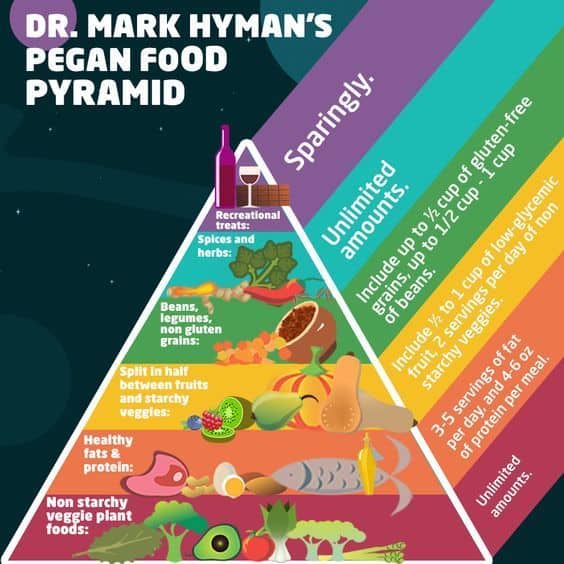
When I was searching for a framework that made sense for clean eating portions, I discovered Dr. Mark Hyman’s approach to healthy eating. He’s a functional medicine doctor who created what he calls the Pegan diet, which combines the best parts of paleo and vegan eating styles.
What I love about Dr. Hyman’s food pyramid is that it flips the traditional food pyramid on its head. Instead of grains forming the base, vegetables take center stage. This approach has really helped me understand not just how much to eat, but what to prioritize on my plate.
Here’s how Dr. Hyman’s pyramid breaks down, and how I’ve used it to guide my portions:
The foundation is vegetables. Dr. Hyman recommends that seventy-five percent of your diet should be plants, with an emphasis on non-starchy vegetables. This was a game-changer for me. Instead of thinking about what to limit, I started thinking about what to load up on. When vegetables are the star of your plate, portions of everything else naturally fall into place.
Quality protein comes next. Dr. Hyman emphasizes that protein should be clean and sustainably sourced. Think grass-fed beef, wild-caught fish, and organic poultry. The portions are moderate, not excessive. I found that when I focused on quality over quantity, I needed less protein to feel satisfied.
Healthy fats are essential, not optional. This was revolutionary for me because I grew up in the low-fat diet era. Dr. Hyman’s approach includes generous amounts of nuts, seeds, avocados, and olive oil. But here’s the key: even though these fats are healthy and necessary, portions still matter. A handful of nuts, not a mixing bowl full.
Whole grains and legumes are limited. If you tolerate them well, Dr. Hyman suggests small portions of gluten-free whole grains and legumes. For me, this means about half a cup of cooked quinoa or black beans, not the huge serving I used to eat.
Fruit is treated like nature’s candy. Dr. Hyman recommends eating fruit in moderation, focusing on low-glycemic options like berries. I’ve learned to think of fruit as a complement to my meals, not the main event.
Sugar and refined carbs are at the tiny top. These are occasional treats, not everyday foods. When I do indulge, I keep the portions small and really savor them.
What makes Dr. Hyman’s pyramid so practical for portion control is that it’s not about counting calories or measuring everything. It’s about understanding which foods should take up the most space on your plate and in your diet. When I build my meals using this framework, I naturally eat appropriate portions without feeling restricted.
I also appreciate that Dr. Hyman’s approach is flexible. Some days I eat more protein if I’ve been really active. Other days I focus more heavily on vegetables. The pyramid gives me a foundation, but I adjust based on what my body needs.
https://www.ecowatch.com/dr-mark-hyman-heres-how-the-food-pyramid-should-look-1882187795.html
Finding Your Natural Portion Size
This is the part that takes practice, but it’s so worth it. Finding your natural portion size means discovering how much food your body actually needs to feel satisfied and energized.
Start by slowing down when you eat. I used to rush through meals, and I’d finish everything before my brain even realized I was eating. Now I put my fork down between bites. I chew thoroughly. I actually taste my food.
Rate your hunger before you eat. I use a scale from one to ten. One is starving, ten is uncomfortably full. I try to start eating when I’m at about a three or four, and stop when I’m at about a seven. That sweet spot means I’m satisfied but not stuffed.
Pay attention to how different portions make you feel. I started keeping mental notes about my energy levels after meals. When I ate too much, even healthy food, I felt tired. When I ate the right amount, I felt energized and ready to take on the world.
Use smaller plates and bowls. This sounds silly, but it actually works. When I switched from dinner plates to salad plates, my portions naturally got smaller without feeling deprived.
Serve yourself less than you think you want, then wait fifteen minutes. You can always get more if you’re truly still hungry. Most of the time, I find that I’m actually satisfied with less than I thought I needed.
Common Mistakes I Made (So You Don’t Have To)
Let me share some of the mistakes I made when I was figuring this out. Maybe you’ll recognize yourself in some of these.
I treated healthy foods like they had zero calories. Almond butter is nutritious, but eating half a jar in one sitting was sabotaging my goals.
I ignored my fullness signals because I didn’t want to waste food. Now I save leftovers without guilt. My body is not a garbage disposal.
I ate the same portions as my husband. We have different bodies with different needs. What fills them up might be too much or too little for me.
I confused thirst with hunger. Sometimes when I thought I needed a snack, I actually just needed a glass of water.
I ate too quickly to notice when I was full. Slowing down was a game-changer for me.

Practical Tips for Portion Control Success
Here are the strategies that have worked best for me:
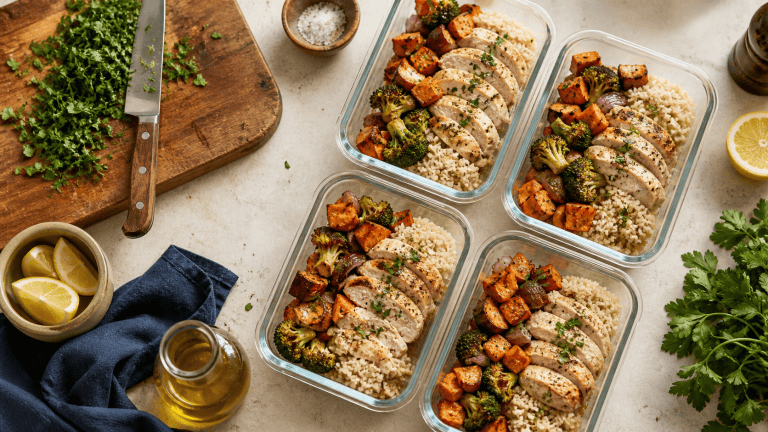
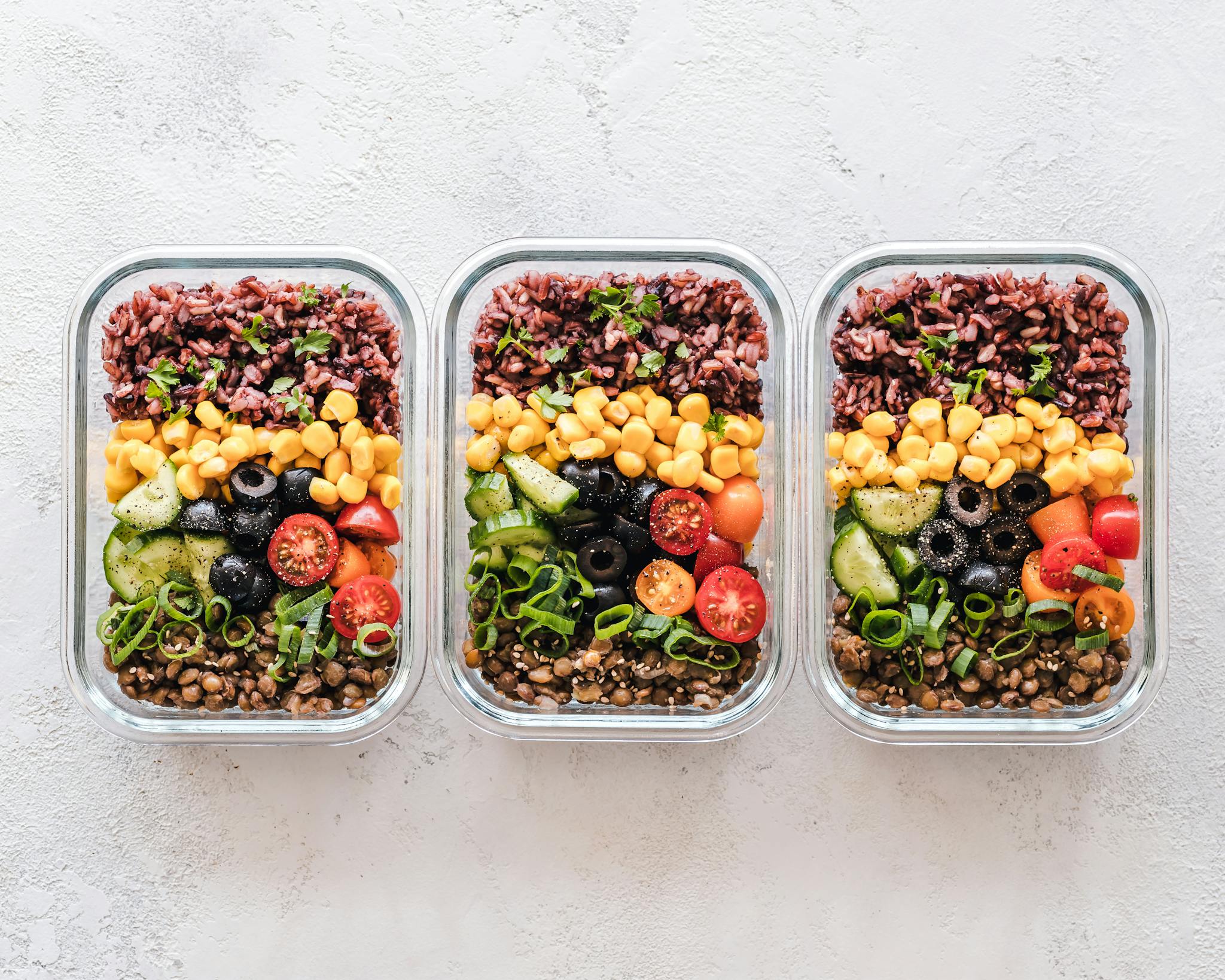
Meal prep with portions in mind. When I cook a big batch of chicken or quinoa, I divide it into individual portions right away. That way, I’m not eyeballing it and accidentally eating too much.
Fill up on vegetables first. I always start my meal with a big salad or a serving of veggies. This helps me feel fuller, so I naturally eat less of the higher-calorie foods.
Stay hydrated throughout the day. I keep a water bottle with me always. Sometimes what feels like hunger is actually thirst.
Don’t eat straight from the container. Whether it’s nuts, berries, or popcorn, I portion out a serving into a bowl. It’s too easy to mindlessly eat when you’re reaching into a bag.
Check in with yourself during meals. I set my fork down halfway through and ask myself if I’m still hungry. This simple pause has prevented so many instances of overeating.
Building a sustainable Approach
The key to making this work long-term is finding a balance that feels natural, not restrictive. I don’t want to spend my life measuring and counting. I want to eat intuitively while making clean choices.
Some days I’m hungrier than others, and that’s okay. If I had an intense workout, I need more food. If I spent the day sitting at a desk, I need less. My portions flex with my life, and that’s exactly how it should be.
I also give myself grace. If I overeat at a holiday meal or go back for seconds at a family gathering, I don’t beat myself up about it. One meal doesn’t define my journey. What matters is what I do most of the time.
The Bottom Line – Clean Eating Portion Control
Clean eating portion control isn’t about deprivation or strict rules. It’s about honoring your body by giving it the right amount of nutritious food it needs to thrive.
You can absolutely eat too much of healthy foods, but you can also find a natural balance that works for your unique body. Listen to your hunger and fullness signals. Use portion guidelines as a starting point, not a strict rulebook. And remember that this is a practice, not a perfect science.
The goal isn’t to eat as little as possible. The goal is to eat the right amount for you. When you find that sweet spot, everything else falls into place. You have energy. You feel satisfied. And you can enjoy your clean eating journey without stress or guilt.
Start paying attention today. Your body is already trying to tell you what it needs. All you have to do is listen.
/Blog