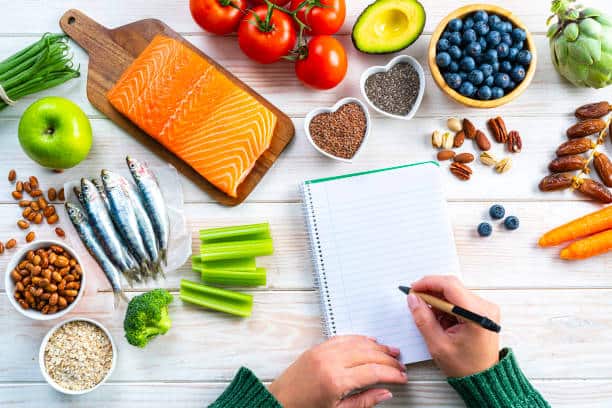
The Satiety Formula: How Much Protein, Fat, and Fiber You Actually Need to Stay Full

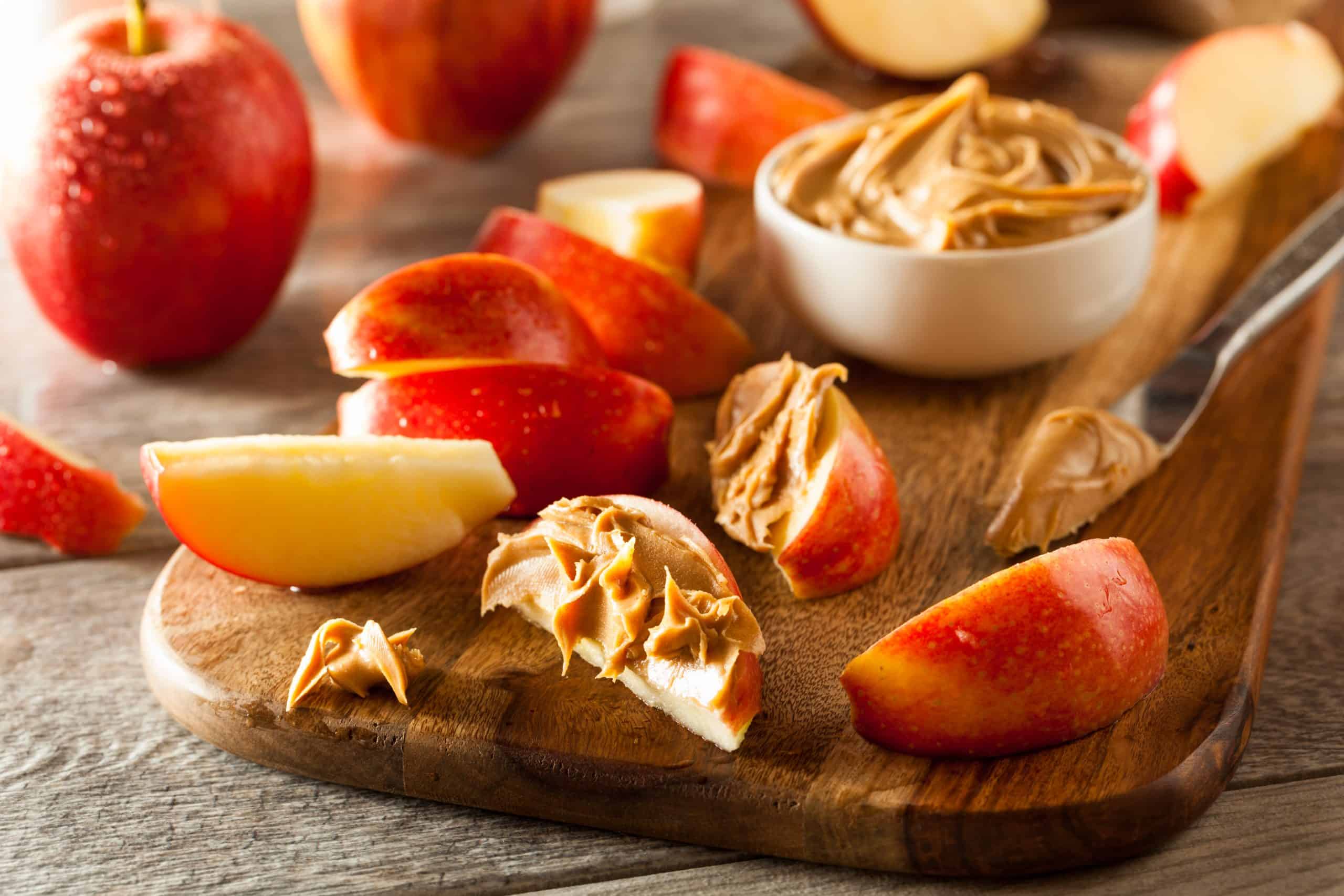
You eat a snack. Ninety minutes later, you’re rummaging through the pantry again. Sound familiar? It’s not a willpower problem — it’s a satiety formula problem. Most snacks that leave us hungry again fast are missing one or more of three things: enough protein, enough fiber, and a little fat for staying power.
With 37 years of nursing experience and a focus on health education, I’ve spent a lot of time digging into why some snacks keep you full for hours, while others leave you hungry right away. Here’s the formula, the exact numbers to aim for, and a few strategies that make a real difference for blood sugar too.
Heads up — some links in this post are affiliate links, meaning I may earn a small commission if you shop through them, at no additional cost to you. I only recommend products I truly love and use myself.
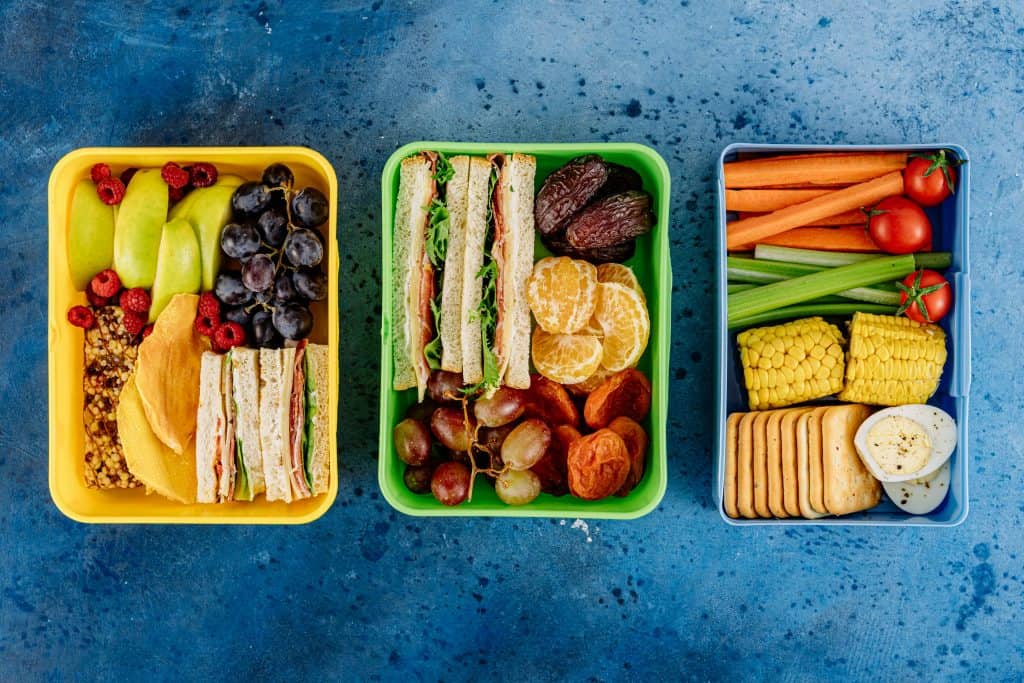
Why Some Snacks or Meals Fill You Up, and Others Don’t
Here’s the mechanism: your body needs roughly 15 to 30 grams of protein in one sitting to trigger a real release of two key satiety hormones — GLP-1 (glucagon-like peptide-1) and PYY (peptide YY). These are gut hormones that travel to your brain and signal that you’re satisfied. Below that threshold, the signal is usually too weak to register.
Fiber adds to the effect by increasing the physical volume of what you’re eating, which stretches your stomach and layers on additional fullness signaling, while also slowing how quickly glucose enters your bloodstream. Pair protein with a little fat, and digestion slows even further — which is why the right combination can hold you for a full 3 to 4 hours instead of 45 minutes.
A snack built on simple carbs alone — crackers, pretzels, a granola bar — spikes your blood sugar quickly, and what goes up fast comes down fast. That crash is exactly what sends you back to the pantry looking for something else, usually something sweet.
The Protein Piece: How Much You Actually Need
Protein is the anchor of real satiety, but the amount matters. Here’s the threshold I recommend:
- 15 grams — the minimum amount needed to trigger a real satiety signal
- 20-25 grams — the optimal range for a snack that actually holds you for 3-4 hours
- 30 grams — the target when a snack is really standing in for a meal (a “mini-meal”)
Below 15 grams, you’re more likely to feel hungry again within an hour, no matter how much you ate.
Don’t Forget Leucine
Total protein grams matter, but so does one specific amino acid: leucine. Leucine is the key trigger for muscle protein synthesis, and it plays a direct role in satiety signaling too. You need roughly 2.5 to 3 grams of leucine in a meal or substantial snack to get the full effect.
Animal proteins — meat, eggs, dairy, whey — are naturally leucine-rich, so hitting that threshold usually happens automatically. Plant proteins carry less leucine gram for gram, so if you’re eating vegan or vegetarian, you may need a slightly larger total protein portion, or a mix of sources, to reach the same trigger. For the full breakdown of protein quality across vegan, vegetarian, and traditional eating, see my companion article, The Great Protein Showdown.
Add Fat for Staying Power
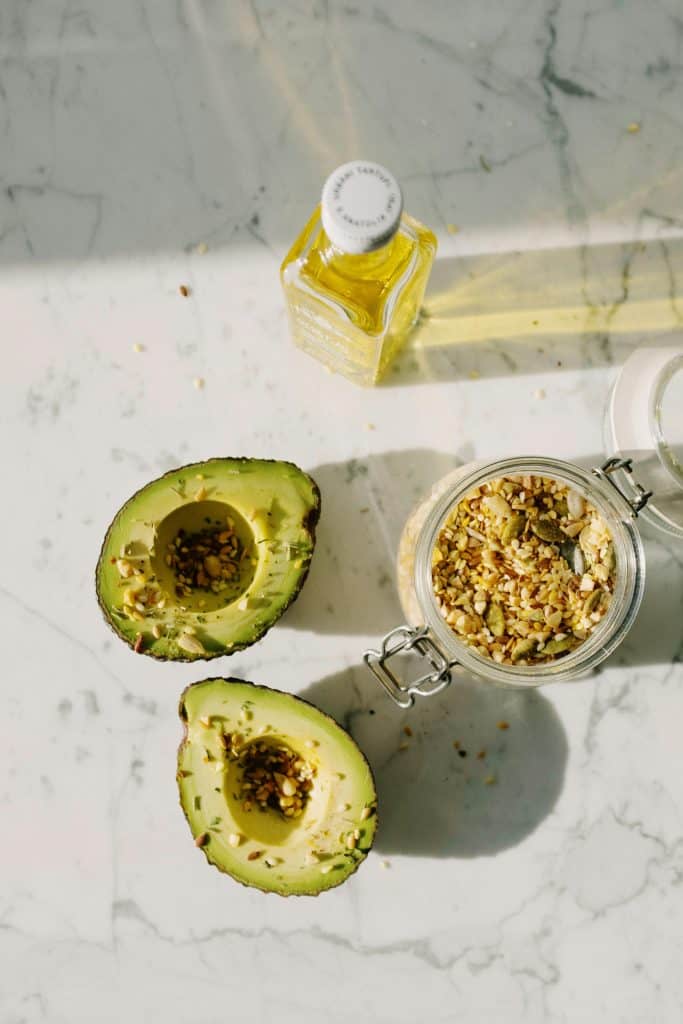
Fat doesn’t get the spotlight the way protein does, but it’s what turns a snack from “fine for now” into “actually holds me.” Aim for 5-15 grams of fat, depending on the size of what you’re eating — closer to 5 grams for a light snack, up toward 15 grams for a mini-meal.
Good sources: nuts, seeds, nut butter, avocado, olive oil, cheese, and full-fat dairy. Fat slows how fast your stomach empties, which extends fullness well past what protein does on its own.
Fiber‘s Triple Job
Fiber is doing three things at once every time you eat it:
- Fills you up — it adds bulk and stretches your stomach, which triggers physical fullness signals
- Slows glucose absorption — it acts like a buffer, softening how fast sugar hits your bloodstream
- Feeds your gut bacteria — beneficial bacteria ferment fiber into short-chain fatty acids that support gut and metabolic health
Aim for 3-5 grams of fiber per snack and 10 grams per meal, which adds up to the 25-35 grams most women need across the full day.
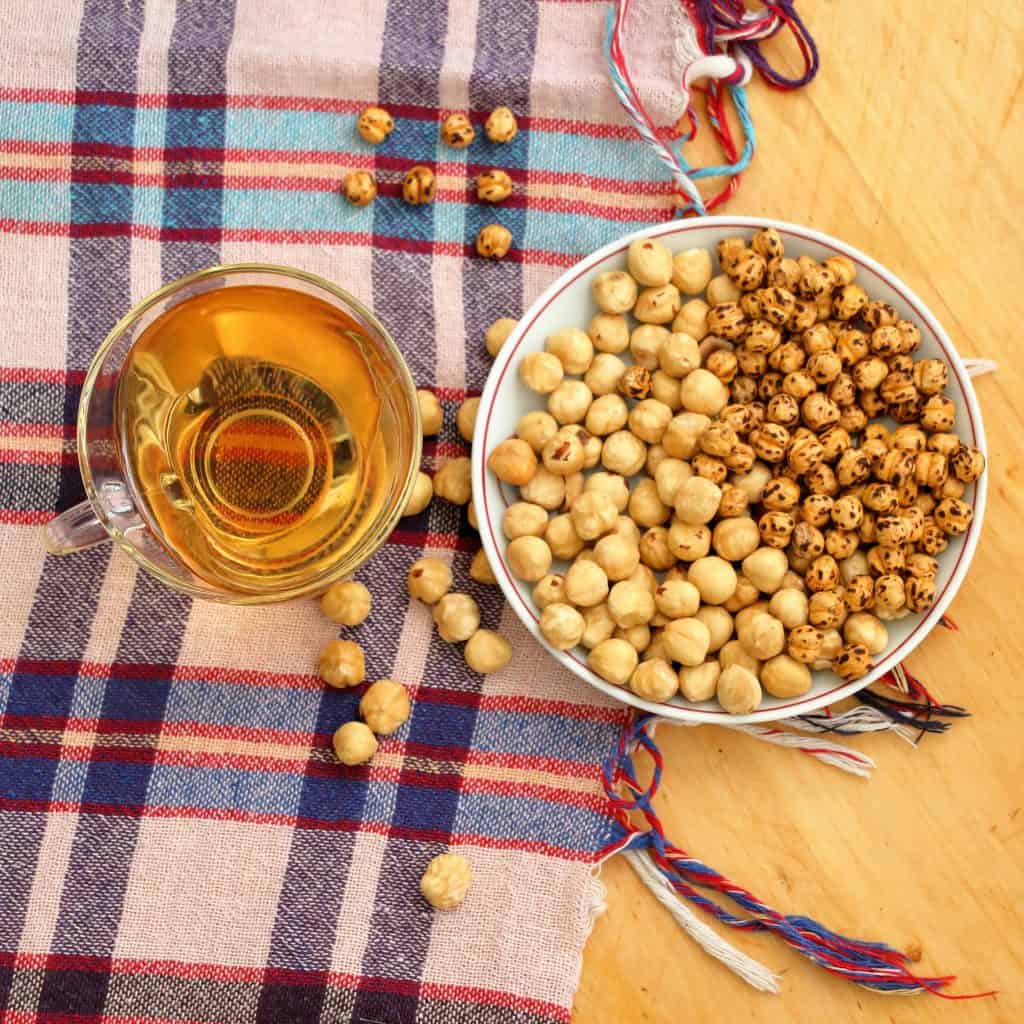
The Satiety Formula Cheat Sheet
| Category | Protein | Fat | Fiber |
| Light snack (bare minimum) | 15g | 5-8g | 3-5g |
| Standard snack (optimal) | 20-25g | 8-12g | 3-5g |
| Mini-meal (meal replacement) | 30g | 10-15g | 8-10g |
The Blood Sugar Food-Order Strategy
The order you eat your food in changes how your blood sugar responds, even when the meal is identical. This approach has been widely popularized by biochemist Jessie Inchauspé — known as the “Glucose Goddess” — whose glucose-curve research points to the same sequence backed by clinical food-sequencing studies:
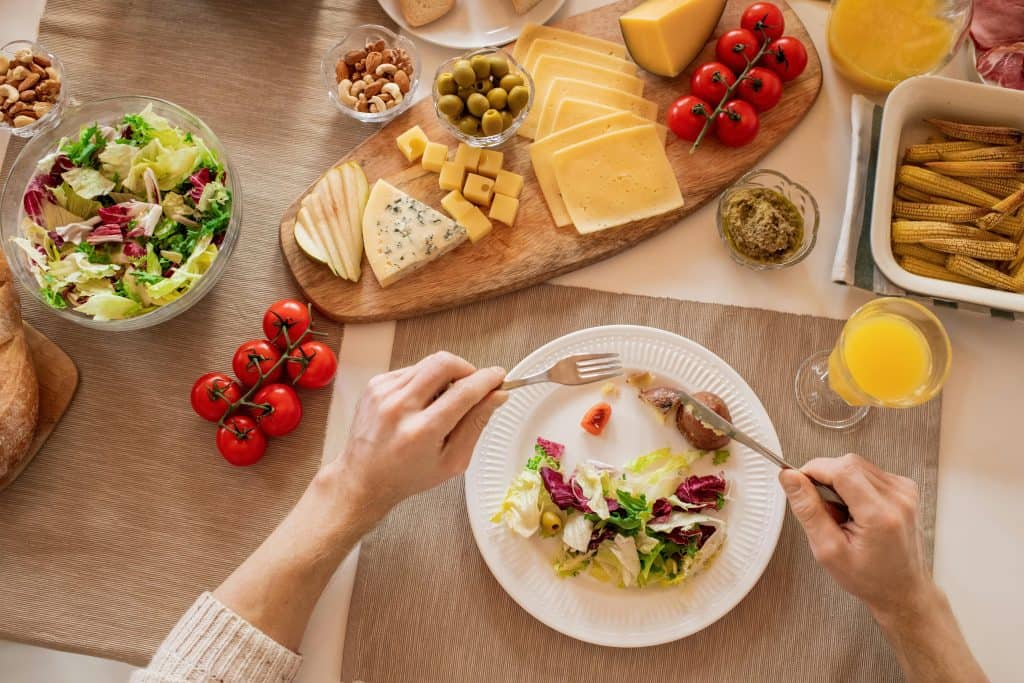
- Complex carbs and vegetables first — broccoli, salad greens, roasted veggies
- Protein second — chicken, fish, eggs, tofu, beans
- Fat third — avocado, olive oil, cheese, nuts
- Sweet food or simple carbs last — fruit, dessert, bread, crackers
Eating your vegetables first creates a fiber buffer before the sugar and starch hit your system, which softens the spike that follows.
Never Eat “Naked” Carbs
A naked carb is any simple or starchy carbohydrate eaten completely on its own, with no protein, fat, or fiber alongside it — a piece of fruit by itself, a handful of crackers, a bowl of granola with nothing else. Eaten alone, these spike blood sugar fast, and the crash that follows brings fatigue, brain fog, and a fresh wave of cravings within an hour or two.
The fix is simple: never let a carb travel alone. Pair that apple with a string cheese. Pair those crackers with hummus. Pair the granola with Greek yogurt. The carb doesn’t change — but how your body responds to it does.
The ACV Trick for Carb-Heavy Snacks
The vinegar-before-carbs strategy is another concept popularized by Glucose Goddess research, alongside supporting clinical studies on acetic acid and postprandial glucose response. A small shot of ACV — about 1-2 tablespoons diluted in a large glass of water — taken shortly before a carb-heavy snack or meal can meaningfully reduce the glucose spike that follows. The acetic acid appears to slow how quickly starches break down into sugar in your gut.
A clinical note: always dilute it. Undiluted vinegar can irritate your throat and erode tooth enamel over time. If you have acid reflux, ulcers, or take medications that affect blood sugar or potassium, check with your provider before making this a habit.
Choosing Sweets Wisely: Why Berries Win
When you want something sweet, reach for berries first. Strawberries, blueberries, raspberries, and blackberries have the lowest glycemic impact of any commonly eaten fruit, thanks to a high fiber-to-sugar ratio. Tropical fruits like mango and pineapple, and especially dried fruit, carry a much bigger sugar load in a smaller amount of food.
Berries still count as a simple carb, so the same rules apply — pair them with protein and fat, and eat them after your vegetables and protein, not on an empty stomach.
Three Meals, No Snacks: What Changes As You Get Older
Everything above will make any snack more satisfying. But as you move through your 40s, 50s, and beyond, it’s worth asking whether you need the snack at all.
Frequent eating — even on well-built snacks — keeps insulin circulating more often throughout the day, and insulin sensitivity naturally declines with age. Many women do better shifting toward three well-formulated meals, each hitting this same protein-fat-fiber formula, with no snacking in between.
The other piece is overnight digestive rest. Aim for a minimum 12 to 14 hour window between your last bite at night and your first bite in the morning. That overnight gap gives your digestive system, and your blood sugar, a real rest period — something that becomes more valuable, not less, as we age.
If you build each meal around 25-30 grams of protein, adequate fat, and 8-10 grams of fiber, most women find they naturally stop needing anything between meals. The formula and recipes below are here for the times you genuinely need something — not as an invitation to snack all day.
Satiety Formula Recipes
If you do need something between meals, each of these hits the formula — real protein, a little fat, and enough fiber to actually hold you.
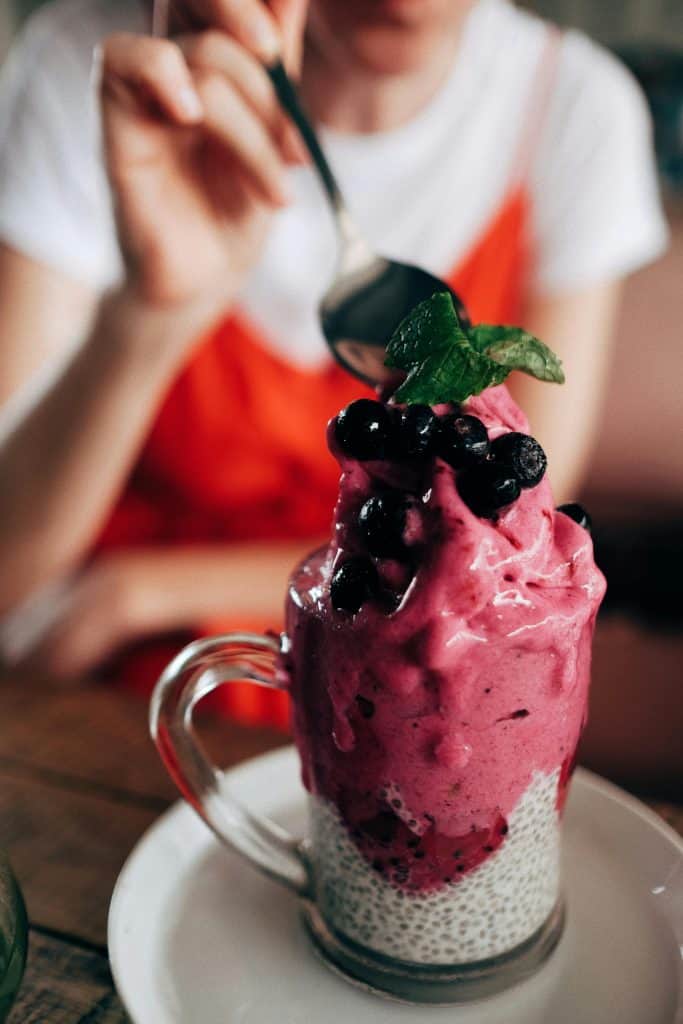
Yogurt Bowl with Chia, Protein Powder, and Berries
Serves: 1
Nutrition (per serving)
| Calories | Protein | Carbs | Fat | Fiber |
| 330 | 50g | 24g | 5g | 6g |
A true mini-meal — this one comfortably clears the 30g protein mark.
Ingredients
- 1 cup plain nonfat Greek yogurt
- 1 scoop protein powder
- 1 tbsp chia seeds
- 1/2 cup mixed berries
Steps
- Spoon the yogurt into a bowl and stir in the protein powder until smooth.
- Top with chia seeds and mixed berries.
- Let sit 5 minutes if you’d like the chia to soften slightly before eating.
Cottage Cheese Bowl with Tomato, Cucumber, and Hemp Hearts
Serves: 1
Nutrition (per serving)
| Calories | Protein | Carbs | Fat | Fiber |
| 320 | 31g | 16g | 13g | 3g |
Fiber runs a bit light here — add extra cucumber or a side of berries if you want to push it toward 8-10g.
Ingredients
- 1 cup cottage cheese
- 1/2 cup cherry tomatoes, halved
- 1/2 cup diced cucumber
- 2 tbsp hemp hearts
- Salt and pepper to taste
Steps
- Spoon the cottage cheese into a bowl.
- Top with tomatoes and cucumber.
- Sprinkle hemp hearts over the top and season with salt and pepper.
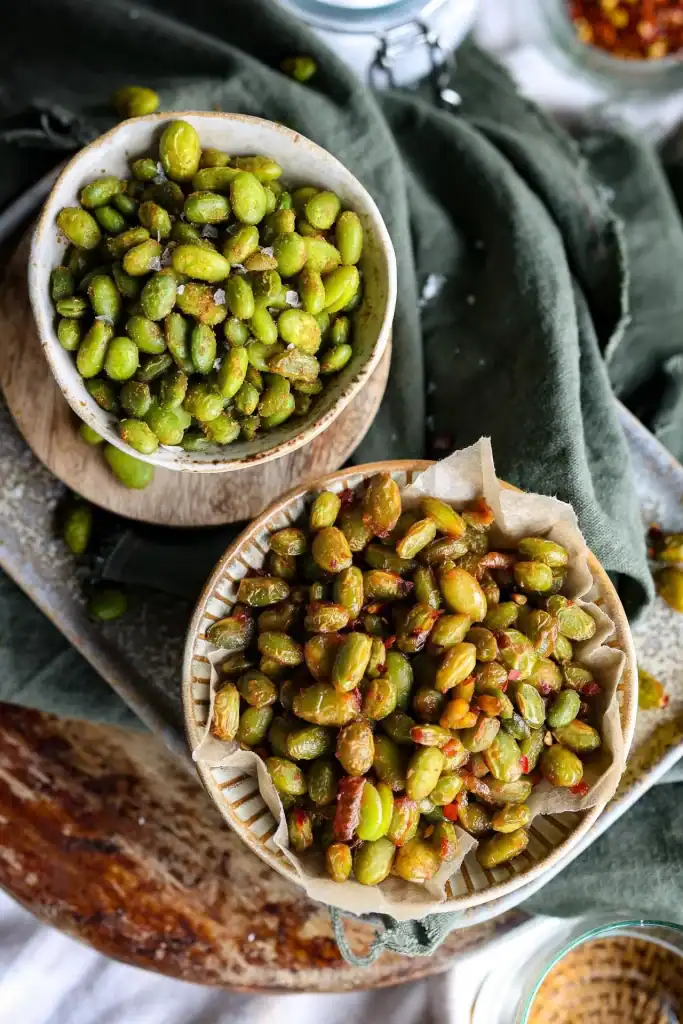
Roasted Chickpeas & Edamame with Cheese Stick and Apple
Serves: 1
Nutrition (per serving)
| Calories | Protein | Carbs | Fat | Fiber |
| 375 | 23g | 49g | 13g | 12g |
One of the highest-fiber combos here — 12g in a single snack, close to half the daily goal.
Ingredients
- 1/4 cup roasted chickpeas
- 1/4 cup roasted edamame
- 1 mozzarella cheese stick
- 1 medium apple, sliced
Steps
- If roasting your own, toss chickpeas and edamame with a little olive oil and salt and roast at 400°F for 20-25 minutes until crisp.
- Portion roasted chickpeas and edamame into a small container.
- Pack with the cheese stick and sliced apple.
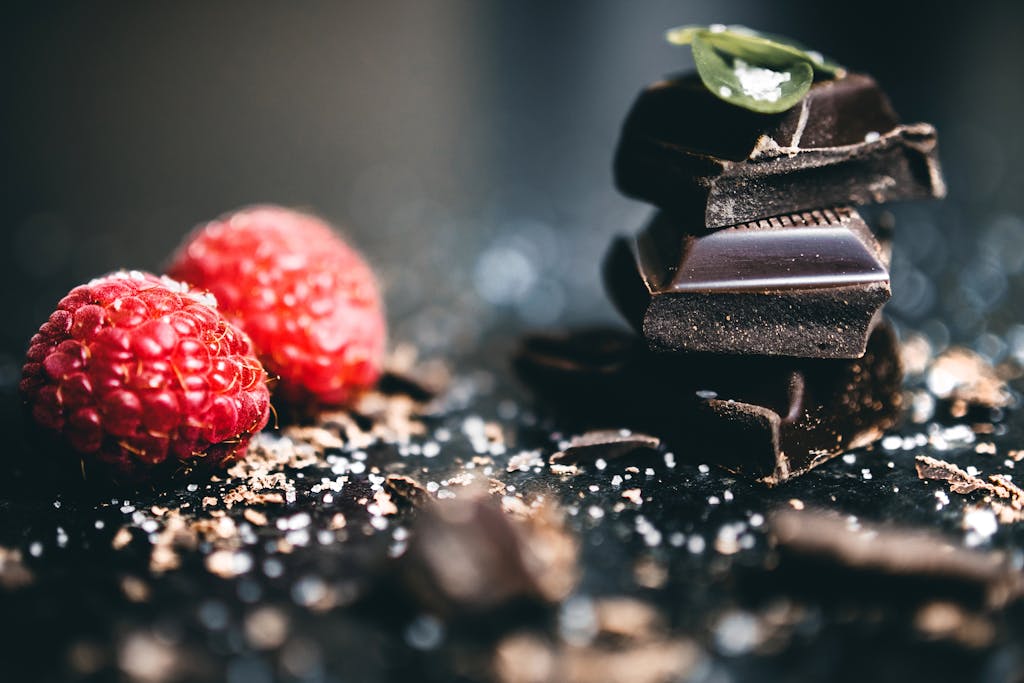
Chocolate Protein Mug Cake
Serves: 1
Nutrition (per serving)
| Calories | Protein | Carbs | Fat | Fiber |
| 210 | 31g | 7g | 7g | 2g |
Fiber-light by design — stir a spoonful of chia into the batter or top with a few berries if you want more.
Ingredients
- 1 scoop chocolate protein powder
- 1 large egg
- 1 tbsp unsweetened cocoa powder
- 1/2 tsp baking powder
- Sweetener of choice, to taste
- 2-3 tbsp water or milk
Steps
- Whisk the egg in a microwave-safe mug.
- Add protein powder, cocoa powder, baking powder, and sweetener; stir well.
- Add water or milk a little at a time until the batter is smooth and pourable.
- Microwave on high 60-90 seconds, until set but still moist.
- Let cool 1-2 minutes before eating.
Ricotta Berry Bowl
Serves: 1
Nutrition (per serving)
| Calories | Protein | Carbs | Fat | Fiber |
| 270 | 15g | 21g | 16g | 3g |
Hits the 15g protein floor right on the mark — a satisfying light snack rather than a mini-meal.
Ingredients
- 1/2 cup whole milk ricotta
- 1/2 cup mixed berries
- 1/2 tsp vanilla extract
- Pinch of cinnamon
- 1 tsp honey, drizzled
Steps
- Stir the vanilla and cinnamon into the ricotta.
- Spoon into a bowl and top with mixed berries.
- Finish with a drizzle of honey.
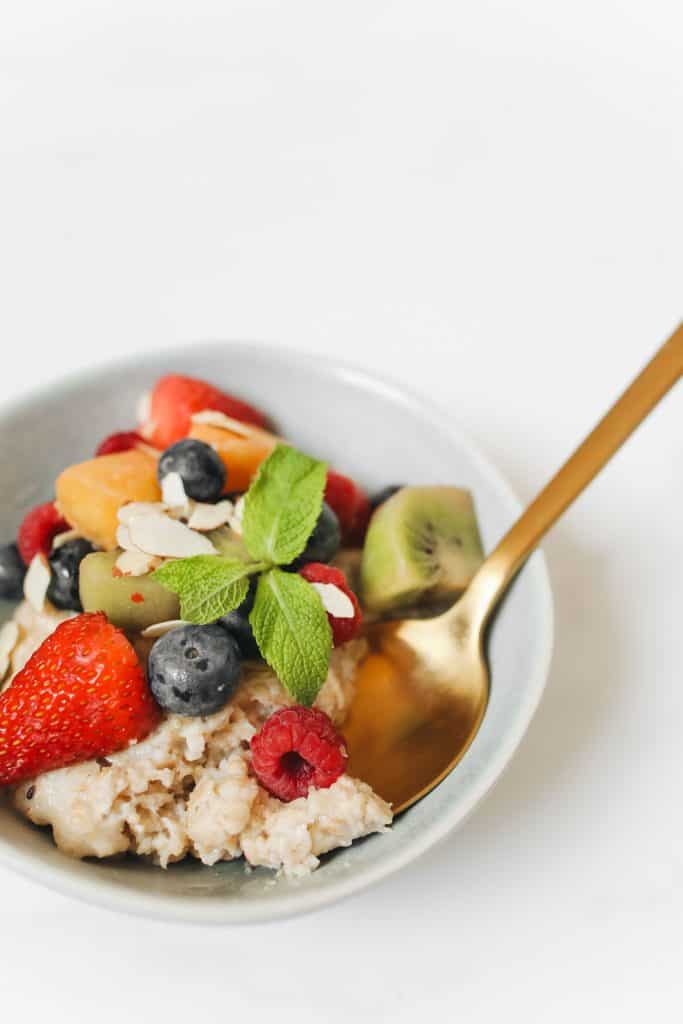
Protein Oatmeal Bowl
Serves: 1
Nutrition (per serving)
| Calories | Protein | Carbs | Fat | Fiber |
| 400 | 37g | 45g | 9g | 10g |
Checks every box — protein, fat, and a full 10g of fiber. A genuine mini-meal in a bowl.
Ingredients
- 1/2 cup rolled oats
- 1 cup water
- 1 scoop protein powder
- 1/4 cup Greek yogurt
- 1 tbsp chia seeds
- 1/2 cup mixed berries
Steps
- Cook oats in water on the stovetop or microwave until thickened, about 3-5 minutes.
- Let cool slightly, then stir in the protein powder and Greek yogurt until smooth.
- Top with chia seeds and mixed berries.
Frequently Asked Questions
How much protein do I need for a snack to feel full?
Aim for at least 15 grams as a floor, with 20-25 grams being the sweet spot for most snacks. If the snack is standing in for a full meal, aim closer to 30 grams.
Does apple cider vinegar really lower blood sugar spikes?
Research supports a modest but real effect. 1- 2 tablespoons diluted before a carb-heavy meal can blunt the glucose spike by slowing starch breakdown.
Are all fruits equally healthy for blood sugar?
No. Berries have the lowest glycemic impact of common fruits because of their high fiber-to-sugar ratio, while tropical and dried fruits carry a much bigger sugar load per serving.
Should I stop snacking as I get older?
Snacking itself isn’t harmful, but many women do better with three well-formulated meals and a 12-14 hour overnight fasting window as insulin sensitivity naturally shifts with age. If your meals hit the protein-fat-fiber formula, you may find you don’t need snacks at all.