
The Clean Eating Revolution – Transform Your Life in 2026

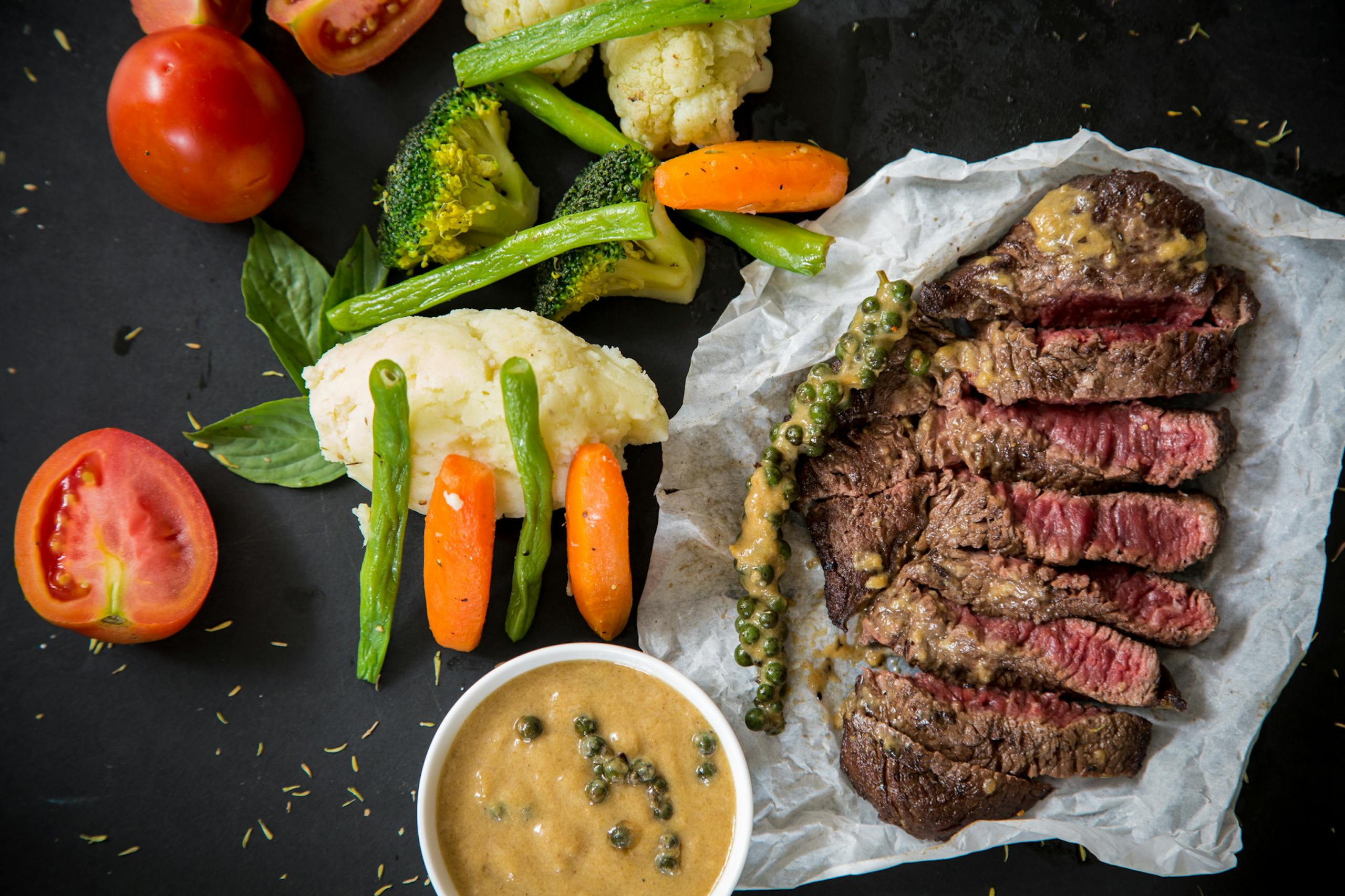
Discover the ultimate guide to clean eating! Learn science-backed strategies, meal planning tips, and simple swaps to boost energy, lose weight, and improve your overall health naturally.
Introduction
Did you know that 80% of chronic diseases could be prevented through proper nutrition and clean eating habits? That’s not just another health statistic – it’s a life-changing reality! I’ve spent years researching nutrition science, and I’m here to tell you that clean eating isn’t about perfection or deprivation. It’s about making informed choices that fuel your body with the nutrients it desperately craves.
In our processed-food world, clean eating has become both a necessity and a revolution. Whether you’re battling afternoon energy crashes, struggling with stubborn weight, or simply want to feel amazing in your own skin, this comprehensive guide will transform how you think about food. We’re going to dive deep into practical strategies that actually work – no fad diets, no impossible restrictions, just real nutrition science that you can implement starting today!
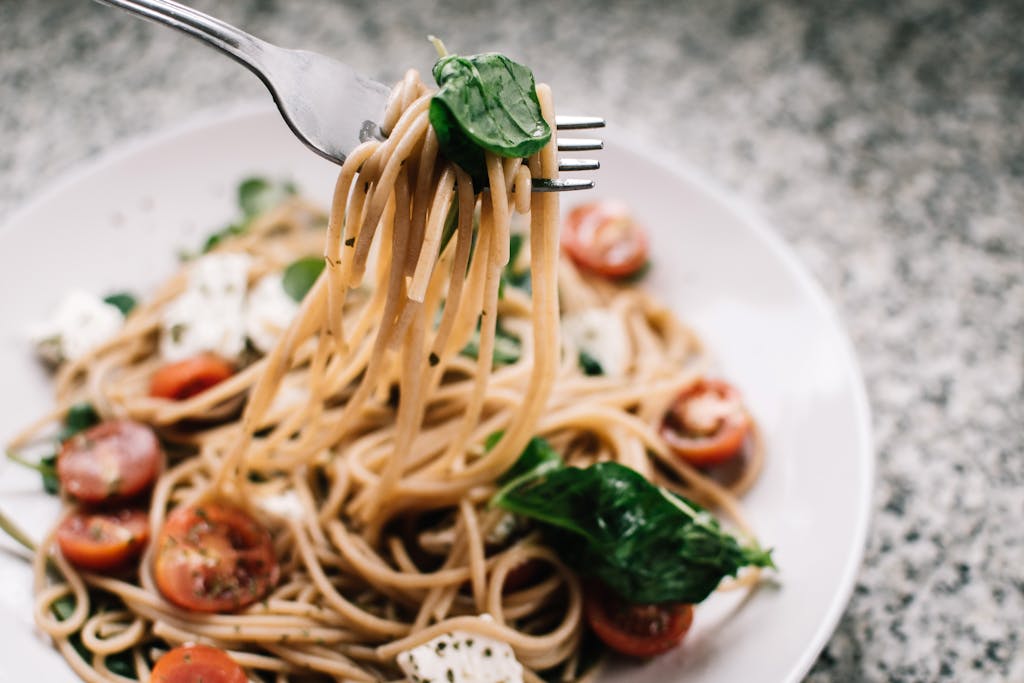
Clean Eating for Beginners: Your Complete Guide to Healthier Living
Clean eating has become one of the most talked-about approaches to nutrition, promising better health, increased energy, and improved well-being. But with so much conflicting information out there, it’s easy to feel overwhelmed when you’re just starting out. This comprehensive guide will walk you through everything you need to know about clean eating, from the basic principles to practical strategies that will set you up for long-term success.
What Is Clean Eating? A Clear Definition
Clean eating is a lifestyle approach that prioritizes whole, minimally processed foods in their most natural state while limiting or avoiding heavily processed foods laden with artificial ingredients, excessive sugars, and chemical additives. Unlike restrictive diets that focus on calorie counting or eliminating entire food groups, clean eating emphasizes food quality, nutrient density, and mindful consumption.
The core philosophy revolves around choosing foods that nourish your body rather than simply filling it. Clean eating means selecting an apple over apple-flavored snacks, choosing grilled chicken over processed chicken nuggets, and reaching for water instead of sugary beverages. It’s about understanding that food is medicine and that what you put into your body directly impacts how you feel, think, and function.
This approach isn’t about achieving perfection or following rigid rules. Instead, it’s about developing a sustainable relationship with food that honors your body’s needs while still allowing for enjoyment and flexibility. Clean eating recognizes that food is not just fuel—it’s also pleasure, culture, and connection.
The movement gained traction as research revealed the profound connection between highly processed foods and chronic diseases. People began recognizing that returning to simpler, whole food eating patterns could dramatically improve their health outcomes, energy levels, and overall quality of life.
Clean Eating vs. Restrictive Dieting: Understanding the Difference
One of the most important distinctions to understand is the difference between clean eating and restrictive dieting. This difference can mean the success or failure of your long-term health journey.
Clean Eating Characteristics:
- Focuses on food quality rather than quantity
- Emphasizes addition of nutritious foods rather than elimination
- Allows flexibility and occasional indulgences
- Promotes a positive relationship with food
- Sustainable for long-term lifestyle change
- Considers individual needs and preferences
- Supports both physical and mental well-being
Restrictive Dieting Characteristics:
- Focuses primarily on calorie restriction or food elimination
- Creates “forbidden” foods and guilt around eating
- Often unsustainable and leads to yo-yo patterns
- May trigger disordered eating behaviors
- Ignores individual nutritional needs
- Can damage metabolism and mental health
- Typically short-term focused
Clean eating recognizes that food is meant to be enjoyed and that a healthy relationship with eating includes flexibility, pleasure, and cultural connections. It’s not about achieving perfection but rather about making informed choices that support your overall well-being most of the time.
The Science Behind Processed Foods and Your Health
Understanding why processed foods can harm your body helps reinforce the importance of choosing whole foods whenever possible. The scientific evidence is compelling and continues to grow.
How Processing Depletes Nutrition
Food processing often strips away essential nutrients while adding harmful substances. When whole grains are refined into white flour, for example, up to 75% of vitamins and minerals are removed, along with most of the fiber. This leaves you with empty calories that provide energy without the co-factors your body needs to properly utilize that energy.
The Addictive Nature of Ultra-Processed Foods
Research shows that ultra-processed foods are engineered to trigger reward pathways in the brain similar to addictive substances. The combination of sugar, salt, and fat in these foods creates a “bliss point” that makes you crave more, disrupting your natural hunger and satiety signals.
Inflammation and Chronic Disease
Studies have linked regular consumption of processed foods to chronic low-grade inflammation, which underlies many serious health conditions including heart disease, diabetes, arthritis, and even depression. Artificial additives, trans fats, and excessive omega-6 fatty acids found in processed foods all contribute to inflammatory processes in the body.
Gut Health Disruption
Processed foods lack the fiber and diverse nutrients that beneficial gut bacteria need to thrive. Additionally, many food additives act as anti-microbial, disrupting the delicate balance of your gut microbiome. Since approximately 70% of your immune system is located in your gut, this disruption can have far-reaching health consequences.
Blood Sugar and Metabolic Dysfunction
The refined sugars and simple carbohydrates in processed foods cause rapid spikes in blood sugar followed by crashes. Over time, this pattern can lead to insulin resistance, metabolic syndrome, and type 2 diabetes. The lack of fiber in processed foods means these blood sugar spikes happen more quickly and severely.
Chemical Load and Detoxification Burden
Processed foods contain numerous chemical additives, preservatives, artificial colors, and flavors that your body must process and eliminate. This constant chemical load places stress on your liver and other detoxification organs, potentially interfering with their ability to handle natural toxins and metabolic waste products.
Core Principles of Clean Eating
The foundation of clean eating rests on several key principles that guide your food choices and eating patterns. These principles work together to create a sustainable approach to nutrition that supports long-term health and vitality.
Principle 1: Prioritize Whole Foods
Choose foods in their most natural state whenever possible. This means fresh fruits and vegetables, whole grains, lean proteins, nuts, seeds, and legumes. Whole foods contain their complete nutritional profile, including fiber, vitamins, minerals, and phytonutrients that work synergistically to support optimal health.
Principle 2: Minimize Processing
The less a food has been altered from its natural state, the more nutritious it typically is. When you do choose processed foods, opt for those with minimal processing and recognizable ingredients. For example, choose steel-cut oats over instant flavored oatmeal packets.
Principle 3: Read and Understand Labels
Become fluent in reading ingredient lists and nutrition labels. If an ingredient list reads like a chemistry experiment, it’s probably best to avoid that product. Look for foods with short ingredient lists containing items you could find in your own kitchen.
Principle 4: Reduce Added Sugars and Artificial Ingredients
Limit foods with added sugars, artificial sweeteners, colors, flavors, and preservatives. These additives provide no nutritional benefit and may contribute to inflammation and other health issues. When you want sweetness, rely on natural sources like fresh fruits or small amounts of natural sweeteners.
Principle 5: Choose Quality When Possible
When your budget allows, prioritize high-quality options like organic produce, grass-fed meats, wild-caught fish, and pasture-raised eggs. These foods often contain higher levels of beneficial nutrients and fewer harmful chemicals.
Principle 6: Stay Hydrated with Clean Beverages
Make water your primary beverage choice, supplemented with herbal teas and fresh vegetable or fruit juices without added sugars. Your body needs proper hydration to function optimally, and clean beverages support this without adding unnecessary calories or chemicals.
Principle 7: Practice Mindful Eating
Pay attention to hunger and fullness cues, eat without distractions, and savor your food. Mindful eating helps you develop a healthier relationship with food and can improve digestion and satisfaction with meals.

Foods to Embrace
Building your clean eating foundation starts with knowing which foods to fill your kitchen and plate with. These nutrient-dense options should form the majority of your daily intake.
Fresh Fruits and Vegetables
Aim to fill half your plate with colorful fruits and vegetables at each meal. These provide essential vitamins, minerals, fiber, and antioxidants. Choose a variety of colors to ensure you’re getting diverse nutrients. Seasonal, local produce often offers peak flavor and nutrition while supporting your local economy.
Whole Grains
Replace refined grains with whole grain alternatives like quinoa, brown rice, oats, buckwheat, and whole wheat pasta. Whole grains provide sustained energy, fiber, and important B vitamins that are stripped away during processing.
Lean Proteins
Include high-quality protein sources such as wild-caught fish, organic poultry, grass-fed meats, eggs, legumes, nuts, and seeds. Protein is essential for muscle maintenance, hormone production, and feeling satisfied after meals.
Healthy Fats
Incorporate beneficial fats from sources like avocados, olive oil, nuts, seeds, and fatty fish. These fats support brain function, hormone production, and the absorption of fat-soluble vitamins.
Use fresh and dried herbs and spices liberally to add flavor without relying on processed sauces or seasonings. Many herbs and spices also provide powerful antioxidants and anti-inflammatory compounds.
Foods to Limit or Avoid
While clean eating isn’t about complete restriction, certain foods can undermine your health goals and should be limited or avoided when possible.
Heavily Processed Foods
Packaged snacks, frozen dinners, and fast food often contain artificial preservatives, excessive sodium, unhealthy fats, and added sugars. These foods are typically high in calories but low in nutrients.
Refined Sugars and Sweeteners
Limit white sugar, high fructose corn syrup, and artificial sweeteners. These can cause blood sugar spikes, contribute to inflammation, and may interfere with your body’s natural hunger and satiety signals.
Trans Fats and Highly Processed Oils
Avoid foods containing trans fats and limit highly processed vegetable oils like corn, soy, and canola oil. These can promote inflammation and have been linked to various health issues.
Excessive Sodium
Many processed foods contain far more sodium than necessary, which can contribute to high blood pressure and other cardiovascular issues. Focus on seasoning your food with herbs and spices instead.
Artificial Additives
Minimize consumption of foods containing artificial colors, flavors, preservatives, and other chemical additives. While these may make foods more shelf-stable or appealing, they offer no nutritional benefit and may cause adverse reactions in some people.
The 80/20 Rule: Your Key to Sustainable Clean Eating
The 80/20 rule is perhaps the most important concept for long-term clean eating success. This principle suggests that if you make clean, healthy choices 80% of the time, you can be more flexible with the remaining 20% without derailing your progress.
Why the 80/20 Rule Works
This approach acknowledges that perfection is neither realistic nor necessary for good health. It removes the all-or-nothing mentality that causes many people to abandon their healthy eating goals after a single “slip-up.” By building flexibility into your eating pattern, you’re more likely to maintain these habits long-term.
Implementing the 80/20 Rule Practically
If you eat three meals and two snacks daily (35 eating occasions per week), following the 80/20 rule means about 28 of those occasions should be clean eating choices, while 7 can be more flexible. This might mean enjoying pizza with friends on Friday night or having dessert at a birthday celebration without guilt or stress.
The Psychology of Flexibility
When you know you have built-in flexibility, you’re less likely to feel deprived or rebel against your eating plan. This psychological freedom actually makes it easier to stick to clean eating most of the time because you don’t feel trapped by rigid rules.
Quality Still Matters in Your 20%
Even during your more flexible 20%, try to make the best choices available. If you’re having pizza, choose one with whole grain crust and plenty of vegetables. If you’re having dessert, savor a small portion of something you truly enjoy rather than mindlessly eating whatever is available.
Sustainable Approaches to Clean Eating
Sustainability is the cornerstone of successful clean eating. These strategies help you maintain healthy habits for life rather than following another short-term diet.
Gradual Implementation
Rather than overhauling your entire diet overnight, implement changes gradually. Replace one processed food with a whole food alternative each week. This approach allows your taste buds to adjust and prevents the overwhelm that leads to giving up.
Focus on Addition, Not Subtraction
Instead of focusing on what you can’t eat, emphasize adding nutritious foods to your meals. When you fill up on nutrient-dense whole foods, you naturally crowd out less healthy options without feeling restricted.
Prepare for Real Life
Plan for challenges like social events, travel, busy schedules, and stress. Having strategies for these situations prevents them from derailing your progress. This might mean packing healthy snacks for travel or researching restaurant menus in advance.
Build a Support System
Surround yourself with people who support your healthy choices. This might include family members, friends, online communities, or working with a nutritionist. Having support makes the journey easier and more enjoyable.
Track Progress Beyond the Scale
Monitor improvements in energy levels, sleep quality, mood, skin health, and how your clothes fit rather than focusing solely on weight. These non-scale victories often appear first and provide motivation to continue.
Common Misconceptions and Myths About Clean Eating
Misinformation about clean eating can create confusion and unrealistic expectations. Let’s address the most common myths and set the record straight.
Myth 1: Clean Eating Is Expensive
While some organic and specialty foods cost more, clean eating can actually save money when you focus on affordable whole foods like beans, lentils, oats, seasonal produce, and cooking at home instead of buying processed convenience foods or eating out frequently. The key is prioritizing your purchases and focusing on the most important upgrades first.
Myth 2: You Must Eat Organic Everything
While organic is beneficial, it’s not essential for every food. Focus organic purchases on the “Dirty Dozen” foods highest in pesticide residues, and save money by buying conventional versions of the “Clean Fifteen” foods lowest in pesticides. Washing all produce thoroughly also reduces pesticide exposure.
Myth 3: Clean Eating Means No Carbs
Clean eating includes plenty of healthy carbohydrates from sources like fruits, vegetables, whole grains, and legumes. These foods provide essential energy, fiber, and nutrients. The goal is avoiding refined and processed carbohydrates, not eliminating carbohydrates entirely.
Myth 4: All Processed Foods Are Bad
Not all processing is harmful. Minimally processed foods like frozen vegetables, canned beans, Greek yogurt, and whole grain pasta can be part of a clean eating plan. The concern is with ultra-processed foods containing numerous artificial additives.
Myth 5: Clean Eating Requires Perfect Adherence
Clean eating is about progress, not perfection. The 80/20 rule allows for flexibility while still supporting your health goals. Expecting perfection often leads to an all-or-nothing mentality that’s unsustainable.
Myth 6: You’ll Lose Weight Immediately
While many people do lose weight with clean eating, it’s not guaranteed or immediate for everyone. Clean eating focuses on health first, and weight loss may be a beneficial side effect. Individual results vary based on many factors including genetics, starting point, and overall lifestyle.
Myth 7: Clean Eating Is Time-Consuming
While meal prep helps, clean eating doesn’t require hours in the kitchen. Simple meals like salads, smoothies, grilled proteins with steamed vegetables, or one-pot meals can be prepared quickly. Batch cooking and smart shortcuts make clean eating manageable for busy lifestyles.
Myth 8: You Can Never Eat Out
Many restaurants offer clean eating options, and you can make special requests like dressing on the side, grilled instead of fried preparations, or extra vegetables instead of refined starches. Planning ahead and choosing restaurants wisely makes dining out compatible with clean eating.
How Clean Eating Heals Your Body
Understanding the healing mechanisms of clean eating can motivate you during challenging times and help you appreciate the profound changes happening in your body.
Reducing Inflammation
Whole foods are rich in anti-inflammatory compounds like antioxidants, omega-3 fatty acids, and phytonutrients. As you reduce processed foods and increase these beneficial compounds, chronic inflammation decreases throughout your body. This reduction can lead to less joint pain, improved skin health, better mood, and reduced risk of chronic diseases.
Restoring Gut Health
The diverse fiber and nutrients in whole foods feed beneficial gut bacteria while reducing harmful microbes. As your gut microbiome re-balances, you may notice improvements in digestion, immune function, mood stability, and even skin clarity. This healing process can take several weeks to months but creates lasting benefits.
Stabilizing Blood Sugar
Whole foods provide sustained energy without the dramatic blood sugar spikes and crashes caused by processed foods. As your blood sugar stabilizes, you’ll experience more consistent energy levels, better mood stability, improved sleep, and reduced cravings for sugary foods.
Supporting Detoxification
Your liver and other detoxification organs work more efficiently when not overwhelmed by artificial chemicals and additives. Clean eating provides the nutrients these organs need to function optimally while reducing their toxic load. You may notice clearer skin, better energy, and improved mental clarity as your body’s natural detoxification processes improve.
Optimizing Nutrient Status
Whole foods provide nutrients in forms your body can easily absorb and utilize, along with the cofactors needed for proper absorption. As nutrient deficiencies resolve, you may experience stronger hair and nails, better skin, improved energy, enhanced immunity, and better mood regulation.
Healing the Brain-Gut Connection
The gut-brain axis is a two-way communication system between your digestive system and brain. Clean eating supports both gut health and brain function, potentially improving mood, reducing anxiety, enhancing cognitive function, and promoting better sleep patterns.
Supporting Cellular Repair
Antioxidants and other beneficial compounds in whole foods protect your cells from damage and support repair processes. This cellular-level healing can manifest as improved skin health, better recovery from exercise, enhanced immune function, and potentially slower aging processes.
Timeline of Healing
While individual experiences vary, many people notice initial improvements in energy and digestion within days to weeks. Deeper healing processes like gut microbiome restoration and cellular repair may take months to fully manifest. Consistency with clean eating principles allows these healing processes to continue long-term.

Your Clean Eating Journey Starts Now
Clean eating is not about perfection or rigid rules—it’s about making conscious choices that nourish your body and support your health goals. By focusing on whole, minimally processed foods and gradually implementing the strategies outlined in this guide, you’re taking important steps toward better health and increased vitality.
Remember that this is a journey, not a destination. Be patient with yourself as you develop new habits and preferences. Some days will be easier than others, and that’s perfectly normal. What matters most is your overall pattern of choices over time.
Start with small changes that feel manageable and build from there. Whether that means adding an extra serving of vegetables to your dinner, swapping refined grains for whole grains, or simply drinking more water, every positive change moves you closer to your goals.
The investment you make in clean eating today will pay dividends in how you feel, your energy levels, and your long-term health. You have everything you need to begin this journey—start with your very next meal and embrace the process of nourishing your body with the high-quality fuel it deserves.
Your future self will thank you for taking this important step toward a healthier, more vibrant life through the power of clean eating.