Clean Eating Meal Prep Made Simple: The 2-Hour Sunday System that Actually Works

Introduction
Okay, so let me tell you about the Sunday afternoon that changed everything for me. I was standing in my kitchen at 2 PM, staring at a pile of wilted spinach and some chicken that was probably a day past its prime, trying to figure out what the heck I was gonna eat for the week. This was back when I thought “meal planning” meant having good intentions on Monday morning. Spoiler alert: Good intentions don’t pack your lunch.
Here’s the thing about meal planning that nobody tells you at first—it’s not actually about being some super organized person who has their life together. It’s about being lazy in the smartest way possible. I’m serious! Once I figured out that spending two hours on Sunday meant I didn’t have to think about food decisions for the next five days, my whole world opened up.
Creating a Weekly Meal Plan That Fits Your Lifestyle and Schedule
The biggest mistake I made early on was trying to plan seven different dinners for seven different nights. That’s just too much, and you’re setting yourself up for failure. What actually works is choosing maybe three dinner recipes and rotating them throughout the week. Monday and Thursday can be the same meal. Nobody’s gonna judge you, and honestly, your taste buds won’t even care that much.
I learned to look at my calendar first before I even think about food. If I’ve got late meetings on Tuesday and Thursday, those become crockpot nights or leftover nights. Wednesdays I usually have more time, so that’s when I’ll try a new recipe or make something that requires more attention. Your meal plan should work around your life, not the other way around.
One thing that really helped me was creating a master list of like 15 meals I know how to make and enjoy eating. I keep this list on my phone, and when it’s time to meal plan, I just pick from that list instead of scrolling through Pinterest for an hour looking at recipes I’m never actually gonna make. My list includes simple stuff like turkey chili, chicken stir-fry with brown rice, taco bowls with ground turkey, salmon with roasted asparagus—nothing fancy, just solid clean eating meals that I’ve made a hundred times.
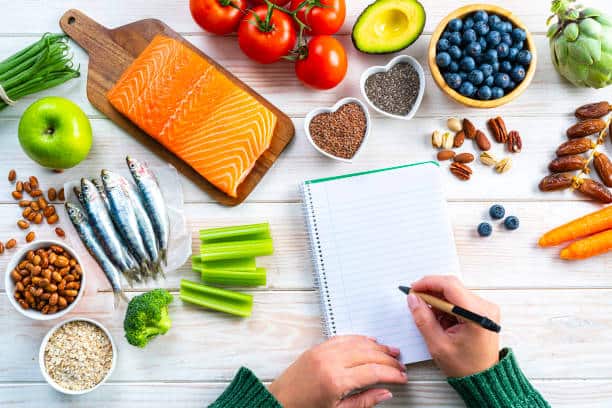
Here’s my planning process now: Every Friday afternoon, I sit down for literally 15 minutes with my calendar and my recipe list. I pick 3-4 dinners for the week, figure out what breakfasts and lunches I want, make my grocery list, and I’m done. That’s it. The whole planning part takes less time than it takes to order delivery.
Pro tip: Use your phone’s notes app or a simple meal planning template to track your favorite recipes. This makes weekly planning go from overwhelming to automatic. You don’t need fancy meal planning apps—just a list of what works for you and your family. Or check out The Harvard Medical School 6-week plan for healthy eating at https://www.health.harvard.edu/nutrition/the-harvard-medical-school-6-week-plan-for-healthy-eating#excerpt
Batch Cooking and Meal Prep Techniques to Save Time
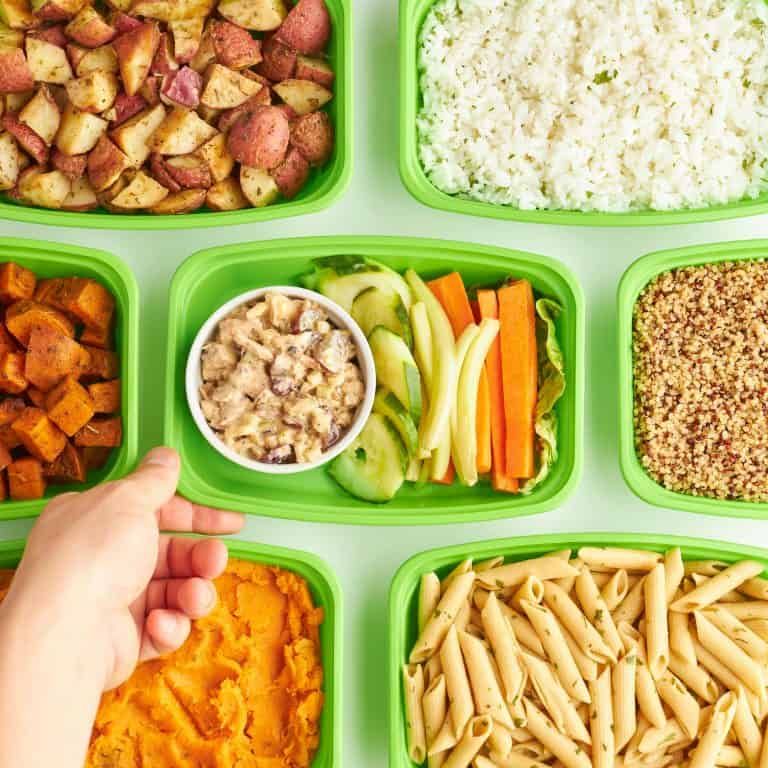
I started with what I call the “base method” for meal prep, and it completely changed my relationship with cooking. You cook up a big batch of a grain (I usually do quinoa or rice), roast a bunch of vegetables on sheet pans, and prep two different proteins. Then throughout the week, you just mix and match. One night it’s chicken with roasted broccoli and quinoa. Next night, same quinoa but with black beans and roasted sweet potatoes.
Here’s my actual Sunday routine now, and it takes me about 90 minutes start to finish. First, I get my oven preheated to 425 degrees because I’m gonna be roasting vegetables. While that’s heating up, I get my grains going—usually two cups of dry quinoa or rice in my rice cooker. If you don’t have a rice cooker, get one. They’re like $20 and you’ll use it constantly for clean eating meal prep.
Then I chop up whatever vegetables are on sale that week. Could be Brussels sprouts, broccoli, bell peppers, zucchini, carrots—doesn’t really matter. I toss them with a little olive oil, salt, pepper, and maybe some garlic powder, spread them on two sheet pans, and throw them in the oven. They take about 25-30 minutes, and I set a timer because I’ve definitely burned my share of vegetables by forgetting about them.
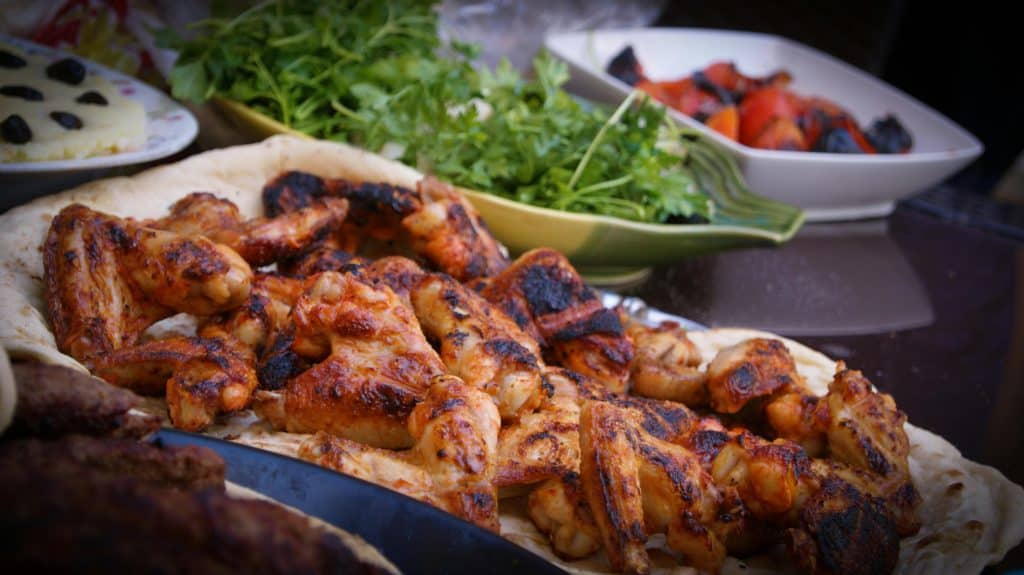
While the veggies are roasting, I prep my proteins. This is where batch cooking really shines. I’ll grill or bake about 2 pounds of chicken breast (seasoned simply with salt, pepper, and Italian herbs), and I’ll also cook up a pound of ground turkey with taco seasoning or make a big pot of vegetarian chili with beans and lentils. Having two protein options means I don’t get bored.
The mistake I see people make all the time is trying to prep actual plated meals for every single day. That gets monotonous fast, and then you’re staring at the same exact lunch for five days straight and by Wednesday you’re ordering takeout. Instead, I store everything separately in containers—grains in some, proteins in others, vegetables in others. Then each morning or night before, I build my meals based on what I’m craving.
The tools that saved me were honestly pretty basic. I invested in about ten glass meal prep containers (the ones with the snap-on lids, https://kelliannscheibe.com/portion-control-meal-prep-containers-guide), and that was a game changer. I tried the cheaper plastic ones first, and they were getting stained and gross within a month. Glass containers can go from fridge to microwave to dishwasher, and they don’t hold onto smells or stains. Worth every penny.
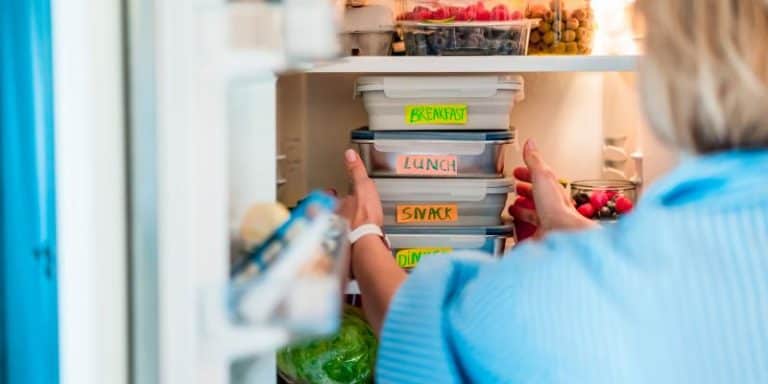
Batch cooking basics: Cook proteins to 165°F internal temperature, store grains within 2 hours of cooking, and label everything with dates. Most prepped meals last 4-5 days in the fridge, so plan accordingly.
Building Balanced Meals Using the Plate Method
Now, I’m not a nutritionist or anything, but the plate method is probably the simplest way to make sure you’re eating balanced meals without obsessing over macros or counting every single calorie. It’s basically common sense made visual, and it works.
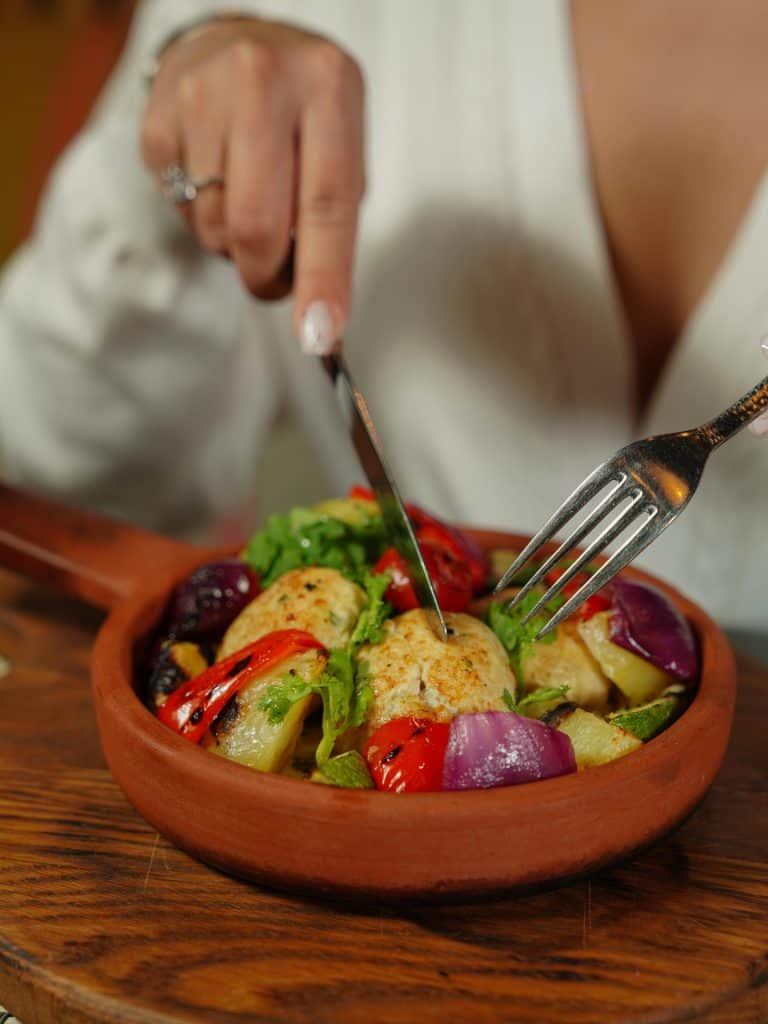
Here’s how I do it: Half my plate is vegetables. A quarter of my plate is lean protein. The last quarter is fruit, whole grains, or starchy vegetables. Then I add a little bit of healthy fat, like a drizzle of olive oil, some avocado slices, or a handful of nuts.
So a typical lunch for me looks like this—a big base of mixed greens and roasted vegetables (that’s my half plate), grilled chicken breast sliced up (quarter plate), quinoa or sweet potato (last quarter), and then I’ll top it with some pumpkin seeds and a homemade vinaigrette. Boom. Balanced meal that keeps me full for hours.
Breakfast using the plate method might be a veggie-packed omelet with spinach and tomatoes (half plate veggies), two eggs (protein quarter), a piece of whole grain toast or some oatmeal (grain quarter), and half an avocado (healthy fat). It’s not rocket science, but it works.
The plate method takes all the guesswork out of portion sizes too. I used to either eat way too little and be starving an hour later, or eat way too much and feel sluggish all afternoon. Following this simple visual guide helped me figure out what my body actually needs.
Visual guide for the plate method:
- 50% non-starchy vegetables (broccoli, leafy greens, peppers, cauliflower) – unlimited amounts per day
- 25% lean protein (chicken, fish, tofu, beans, eggs), 4-6oz per meal, and 3-5 servings per day of healthy fats (olive oil, nuts, seeds, avocado)
- 15% fruit and starchy vegetables (quinoa, brown rice, sweet potato) – 1c per day
- 10% beans, legumes, and grains – 1/2c per day
This approach gives you proper nutrient balance without tracking calories or weighing food. It’s sustainable and flexible enough to work at home or when eating out. Check out Functional Medicine, Dr Mark Hyman’s Food Pyramid
Pantry Staples Every Clean Eater Should Have on Hand
Having a well-stocked pantry means you can always throw together a healthy meal even when you didn’t prep or plan. These are the things I make sure I always have available, and honestly, with just these ingredients you could make probably 50 different meals.
Grains and starches: Quinoa, brown rice, rolled oats, whole wheat pasta, sweet potatoes (I store these in my pantry in a cool dark spot).
Proteins: Canned beans (black beans, chickpeas, kidney beans), lentils (red and green), canned wild-caught tuna or salmon, natural peanut butter or almond butter.
Canned goods: Diced tomatoes, tomato paste, coconut milk (the full-fat kind for curries), low-sodium vegetable broth or chicken broth.
Oils and vinegars: Extra virgin olive oil, coconut oil, apple cider vinegar, balsamic vinegar. These are the base for so many dressings and cooking methods.
Seasonings and spices: This is where flavor comes from. I keep garlic powder, onion powder, cumin, paprika, chili powder, Italian seasoning, cinnamon, sea salt, and black pepper always stocked. Fresh garlic and ginger in the fridge too.
Other essentials: Raw honey or pure maple syrup for sweetening, Dijon mustard, tamari or coconut aminos (instead of soy sauce), nutritional yeast (adds a cheesy flavor to vegan dishes), chia seeds and flaxseeds.
With just these pantry staples, you can make things like vegetarian chili, stir-fries, grain bowls, overnight oats, energy balls, soups, pasta dishes—the list goes on. I can’t tell you how many times having these ingredients on hand saved me from ordering takeout.
Complete pantry checklist:
- 3 whole grains (quinoa, brown rice, oats)
- 3 types of beans (black, chickpea, kidney)
- 2 nut butters (almond and peanut)
- Canned tomatoes and tomato paste
- Low-sodium broth (chicken and vegetable)
- 2 healthy oils (olive and coconut)
- 2 vinegars (apple cider and balsamic)
- 10 essential spices and seasonings
- Natural sweeteners (honey or maple syrup)
- Seeds (chia, flax, pumpkin)
Store everything properly—grains and beans in airtight containers, oils away from heat and light, spices in a cool dark place. Proper storage makes everything last longer and saves you money.
Preparing Meals for the Work Week in Under 2 Hours
Alright, here’s the actual step-by-step process I use every Sunday to prep everything I need for the week. This takes me about 90 minutes to 2 hours max, and it sets me up for success all week long.
12:00 PM – Get organized (5 minutes): I pull out all my containers, make sure they’re clean, and I lay out my meal plan for the week. I also pull out all the ingredients I’m gonna need so I’m not running back and forth to the pantry.
12:05 PM – Start grains and proteins (10 minutes): Rice cooker goes on with 2 cups of quinoa or brown rice. Oven gets preheated to 425°F. I season my proteins—usually 2 pounds of chicken breast with Italian seasoning, salt, and pepper, and then I’ll get a pot going on the stove with ground turkey or a big pot of chili.
12:15 PM – Prep vegetables (15 minutes): While everything’s starting to cook, I chop up all my vegetables. This is usually the most time-consuming part. I’m chopping broccoli, bell peppers, zucchini, onions, whatever I bought that week. Everything gets tossed with olive oil, salt, and pepper.
12:30 PM – Veggies in the oven, proteins cooking (5 minutes): Spread vegetables on two sheet pans and get them in the oven. Set timer for 25 minutes. Chicken goes in the oven too on a separate pan. Ground turkey is browning on the stove.
12:35 PM – Breakfast prep (15 minutes): While everything’s cooking, I make my overnight oats in mason jars. Five jars with oats, chia seeds, almond milk, and a touch of maple syrup. These go in the fridge. I might also hard-boil eggs in a pot on the stove—bring water to a boil, add eggs, boil for 10 minutes, then ice bath.
12:50 PM – Snack prep (10 minutes): Portion out almonds into small containers. Make energy balls if I’m doing those this week (just throw dates, almond butter, oats, and cocoa powder in the food processor, roll into balls). Cut up veggies for snacking like carrots and bell peppers, portion out hummus.
1:00 PM – Check on everything, flip/stir (5 minutes): Veggies probably need stirring or flipping. Check on chicken. Stir the ground turkey or chili. Rice cooker should be beeping around now.
1:05 PM – Make sauces/dressings (10 minutes): This is the secret weapon. I’ll whip up a quick vinaigrette (olive oil, balsamic vinegar, Dijon mustard, garlic), maybe a tahini sauce, or a pesto if I have fresh basil. Store these in small jars or containers. They completely transform your meals throughout the week.
1:15 PM – Everything comes out (10 minutes): Vegetables are done, chicken is done, proteins are done. Let everything cool for a few minutes while I get my containers ready.
1:25 PM – Pack everything up (20 minutes): This is when I divide everything into containers. Grains go in some containers, proteins in others, vegetables in others. I don’t pack complete meals—I pack components so I can mix and match all week. Label containers with what they are and the date if you’re organized (I usually skip this step honestly).
1:45 PM – Clean up (15 minutes): Wash the cutting board, knives, sheet pans, and pots. Load the dishwasher. Wipe down counters. Put away anything I didn’t use.
2:00 PM – Done! Fridge is stocked, meals are prepped, and I don’t have to think about cooking for the next five days.
Complete 2-hour meal prep timeline:
- 0:00-0:05 – Organization and setup
- 0:05-0:15 – Start cooking proteins and grains
- 0:15-0:30 – Chop vegetables
- 0:30-0:35 – Get everything in oven/on stove
- 0:35-0:50 – Breakfast prep
- 0:50-1:00 – Snack prep
- 1:00-1:05 – Check and adjust cooking
- 1:05-1:15 – Make sauces and dressings
- 1:15-1:25 – Cool down period
- 1:25-1:45 – Pack into containers
- 1:45-2:00 – Clean up kitchen
The first few times you do this it might take longer, but once you get a system down, it becomes almost automatic. The key is doing multiple things at once. While the oven’s working, you’re doing stovetop stuff. While things are cooking, you’re prepping other things. You’re not standing around waiting—you’re maximizing every minute.
If two hours still seems like too much, start smaller. Just prep lunches. Or just prep proteins and grains, and chop vegetables fresh each night. Something is better than nothing, and you can always build up to more comprehensive meal prep as you get comfortable with the process.
Here’s something nobody talks about—meal prep gets way easier after the first month. That first month feels like work because you’re learning what works for your schedule and your taste preferences. But once you get into a rhythm and have your go-to recipes down, it becomes almost automatic. I can meal prep now while watching a show or listening to a podcast. It doesn’t require my full attention anymore.
The real secret is flexibility within structure. I have my prepped ingredients ready, but I’m not locked into eating specific meals on specific days. If I wake up Tuesday and really want that turkey chili instead of the chicken stir-fry, I just swap them. The components are all there, so I’m still eating clean and still saving time, but I’m not forcing myself to eat something I’m not in the mood for. That’s what makes this sustainable long-term instead of just another thing you try for two weeks and give up on.
Conclusion: Your Clean Eating Meal Prep Journey Starts Now
Look, I’m not gonna lie to you—that first Sunday you try meal prepping might feel a little overwhelming. You’ll probably forget to set a timer and burn some vegetables (I did). You might cook way too much rice or not enough protein. And that’s completely okay. Nobody becomes a meal prep expert on their first try.
But here’s what I want you to remember: Every single person who’s now crushing their meal prep routine felt exactly like you do right now. Uncertain. Maybe a little intimidated. Wondering if they could really pull this off.
The truth is, meal prepping for clean eating isn’t about being perfect. It’s not about having Instagram-worthy containers or color-coordinated meals. It’s about taking control of your food choices so that on Tuesday night when you’re exhausted and starving, you don’t have to choose between your health goals and convenience. Because with meal prep, healthy food IS the convenient option.
Think about what 2 hours on Sunday could give you back during the week. No more stressful “what’s for dinner?” conversations at 6 PM. No more guilt about ordering takeout for the third time this week. No more throwing away groceries that went bad before you had time to cook them. That’s freedom right there.
And let’s talk about the money for a second. If you’re spending $12-15 on lunch every day, that’s $60-75 per week, or roughly $3,000 per year just on weekday lunches. Meal prep can cut that down to maybe $30-40 per week. That’s literally thousands of dollars back in your pocket every year. What would you do with an extra $2,000? That’s a vacation. That’s paying off debt. That’s actually having savings.
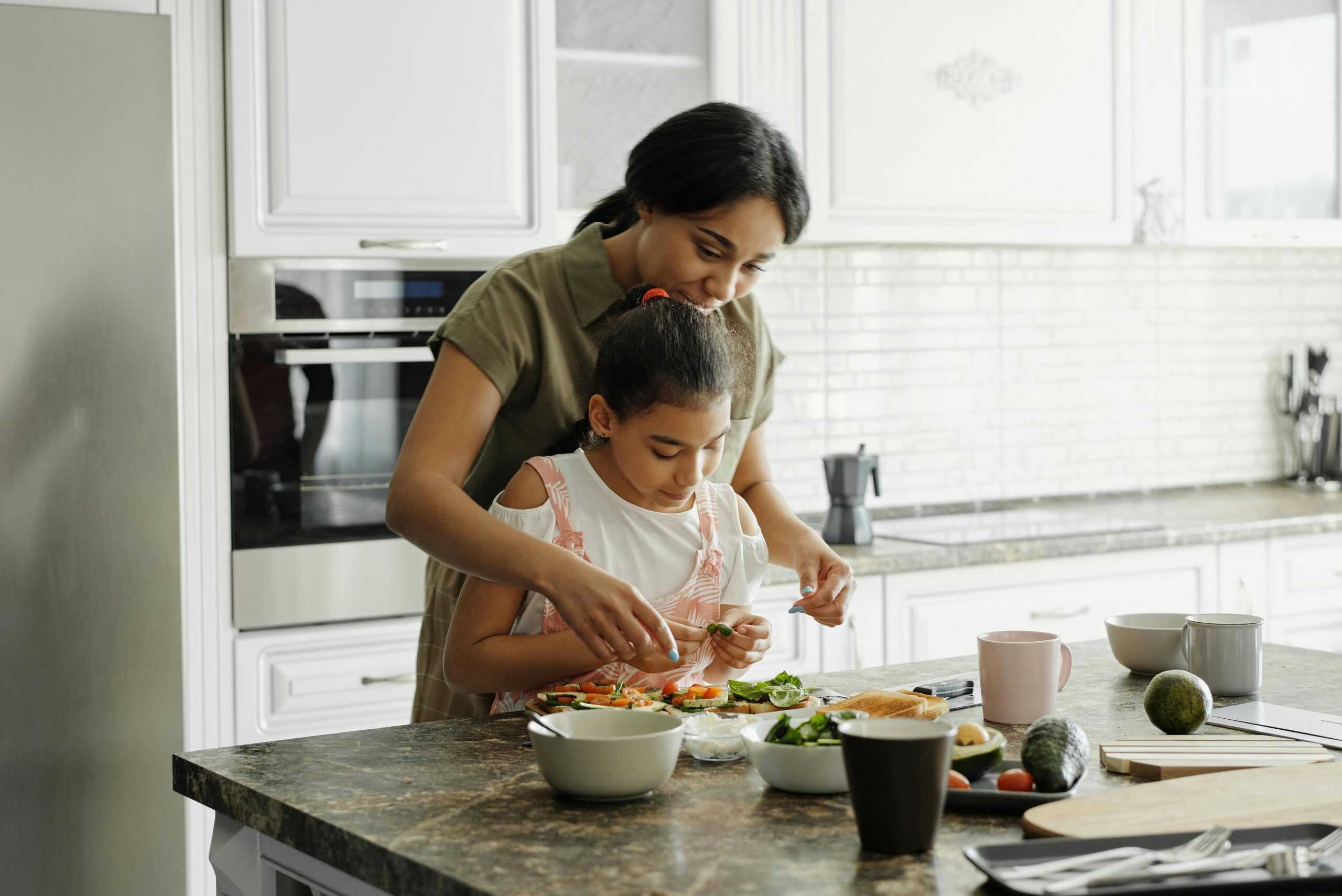
Start small this week. Don’t try to prep every single meal for seven days. Just pick one thing—maybe it’s prepping your lunches for the work week, or making overnight oats for breakfast, or portioning out some healthy snacks. Get comfortable with that. Then next week, add something else. Build your system gradually and it’ll actually stick instead of burning you out.
Remember the base method I talked about? That’s your friend when you’re starting out. Cook some grains, prep some proteins, roast some vegetables. Keep it simple. You can get fancy later once you’ve got the rhythm down. The goal right now is just to build the habit and prove to yourself that you can do this.
And please, give yourself some grace. If you skip a week, that’s not failure—that’s life. Just get back to it the next Sunday. If your meal prep doesn’t look like the pictures on Pinterest, who cares? Is it food you’ll eat? Is it healthier than what you would’ve grabbed otherwise? Then it’s a success.
One more thing—keep track of how you feel after your first month of consistent meal prepping. I bet you’ll notice you have more energy during the week. You’re probably sleeping better because you’re not eating heavy takeout late at night. Your clothes might fit a little differently. Your grocery bills are definitely lower. These little wins add up fast.
The system I’ve shared with you in this guide is exactly what I use every single Sunday, and it’s the same system I’ve taught to dozens of friends and family members who thought they “just weren’t meal prep people.” Spoiler alert: there’s no such thing as a meal prep person. There’s just people who’ve found a system that works for them and people who haven’t yet.
So here’s your action step for this week: Put 2 hours on your calendar this Sunday (or whatever day works for you). Go to the grocery store on Saturday with a list. And on Sunday, follow the timeline I laid out. Just try it once. See how it feels. See how much easier your Monday morning is when breakfast is already waiting for you in the fridge.
You’ve got all the information you need right here. The meal planning strategies, the batch cooking techniques, the budget tips, the equipment list, the complete timeline—it’s all here. Now you just need to take that first step.
Your future self—the one eating a healthy, delicious lunch on Wednesday without spending $15 or standing in line—is gonna thank you for starting today.
/https://kelliannscheibe.com/portion-control-meal-prep-containers-guide
/Blog