Clean Eating vs. Dieting — What’s Actually the Difference?

Introduction
Here’s a number that stopped me cold when I first read it: research suggests that up to 95% of people who lose weight through dieting gain it all back within one to five years. Ninety-five percent. I grew up watching my Dad try every diet fad known (from liquid protein to Nutri System to the grapefruit diet). I’ve watched friends and co-workers cycle through Weight Watchers, low-fat plans, calorie-counting apps, and juice cleanses. They would lose some weight, feel great for a while, then slowly slide back to where they started — or worse, a few pounds heavier than before.
Sound familiar? It tells the story of our relationship with food. Start a diet, white-knuckle it for a few weeks, slip up, feel like a failure, quit, gain the weight back, find a new diet, repeat. It’s exhausting. And what’s wild is that most of us blame ourselves when it doesn’t work — like if we’d just had a little more willpower, a little more discipline, we could have made it stick.
But here’s what I eventually figured out: the problem was never discipline. The problem was the approach itself. Dieting, by its very nature, is designed to be temporary. And temporary approaches don’t produce permanent results. Clean eating is something fundamentally different — not a program you go on and off, not a set of rules you follow until you reach a goal weight, but a genuine lifestyle shift in how you think about and choose food. In this article, I’m going to break down exactly what separates clean eating from dieting, why diets almost always fail long-term, and how clean eating sidesteps the problems that make dieting so frustrating. Let’s get into it.
What Is a Diet, Really? (And Why the Word Matters)
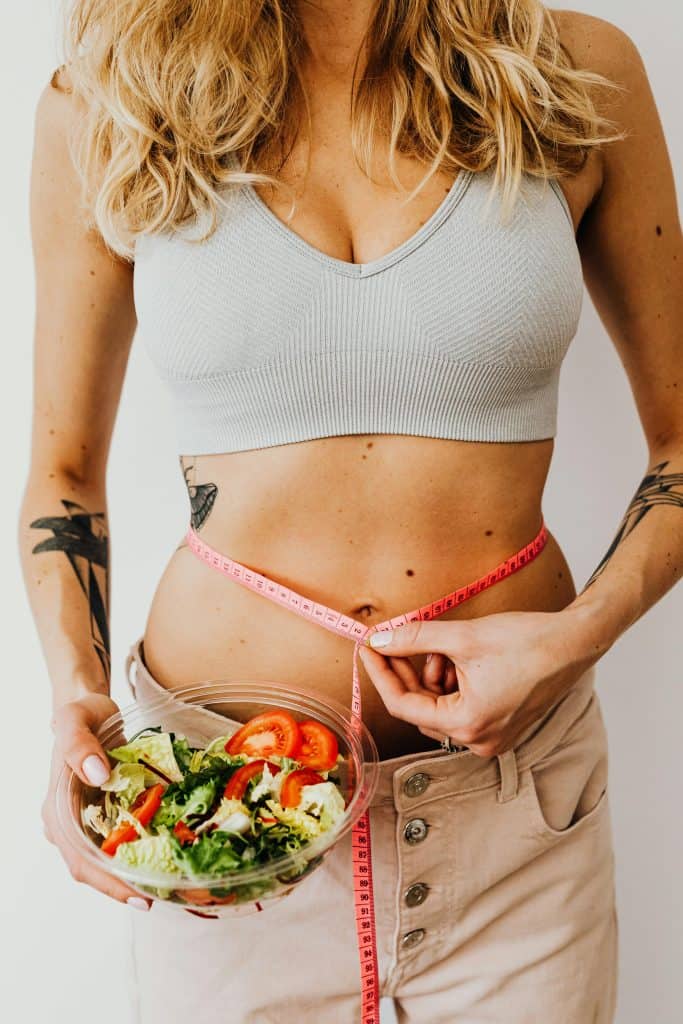
When most people say they’re “going on a diet,” they mean something very specific — a temporary, structured eating plan designed to produce a particular result, usually weight loss, within a defined period of time. Go on Whole30 for 30 days. Do keto until you lose 20 pounds. Count calories until you hit your goal weight. Then… what? That’s where things always get murky.
The word “diet” comes loaded with psychological baggage, and that baggage matters more than most people realize. Traditional dieting creates a framework of allowed versus forbidden foods — and the moment you label something forbidden, human psychology pretty much guarantees you’ll want it more. Studies consistently show that food restriction increases preoccupation with food, intensifies cravings, and sets up the binge-restrict cycle that keeps so many people trapped. The forbidden fruit effect is real, and the diet industry is built entirely on it.
Here’s something I think about a lot: the U.S. weight loss market hit an estimated $135 billion in 2025 — and it’s still growing. If diets actually worked long-term, that industry would shrink, because satisfied customers who’ve solved their problem permanently don’t keep buying new solutions. Instead, more people than ever are cycling through new plans, new programs, and now new prescriptions, looking for the thing that finally sticks. The business model of dieting has always depended on people needing to come back. That’s not a conspiracy theory. It’s just math.
The psychological toll of diet culture goes beyond just the food itself. Chronic dieters often experience higher levels of stress, anxiety, and shame around eating. They develop an adversarial relationship with their own bodies and appetites. They spend enormous mental energy on food rules, calorie math, and guilt management. And when the diet inevitably ends — as all diets do — they’re no better equipped to make sustainable food choices than they were before. That’s the real cost of dieting that nobody puts in the marketing materials.
What Is Clean Eating? (A Quick Refresher)
Before we really dig into the comparison, let me make sure we’re on the same page about what clean eating actually is — because it gets mislabeled as a diet, and undermines everything that makes it work.
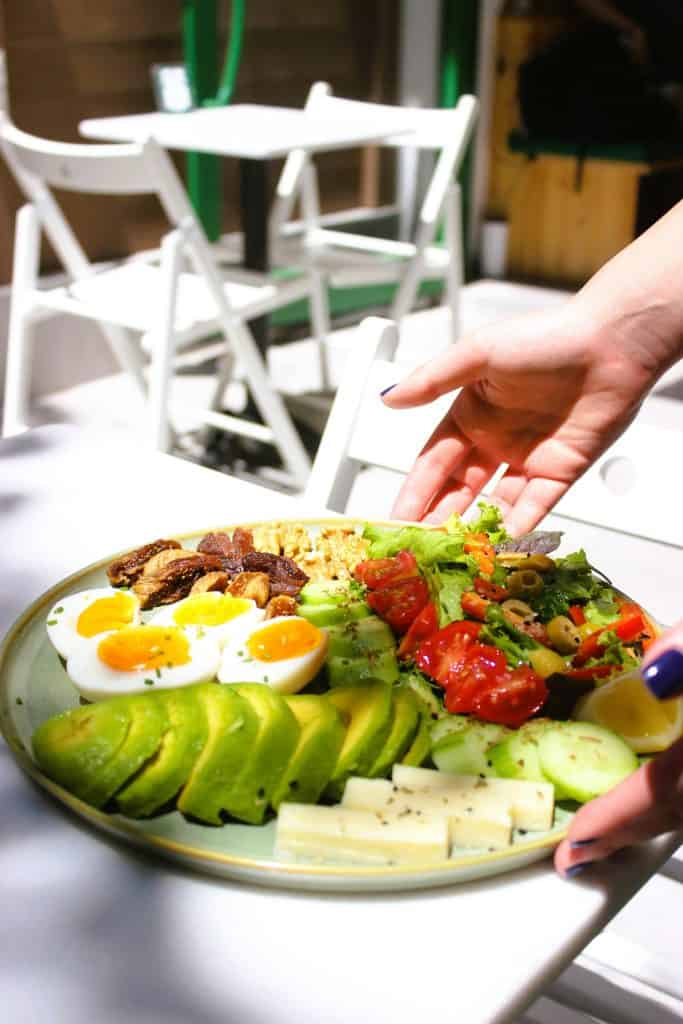
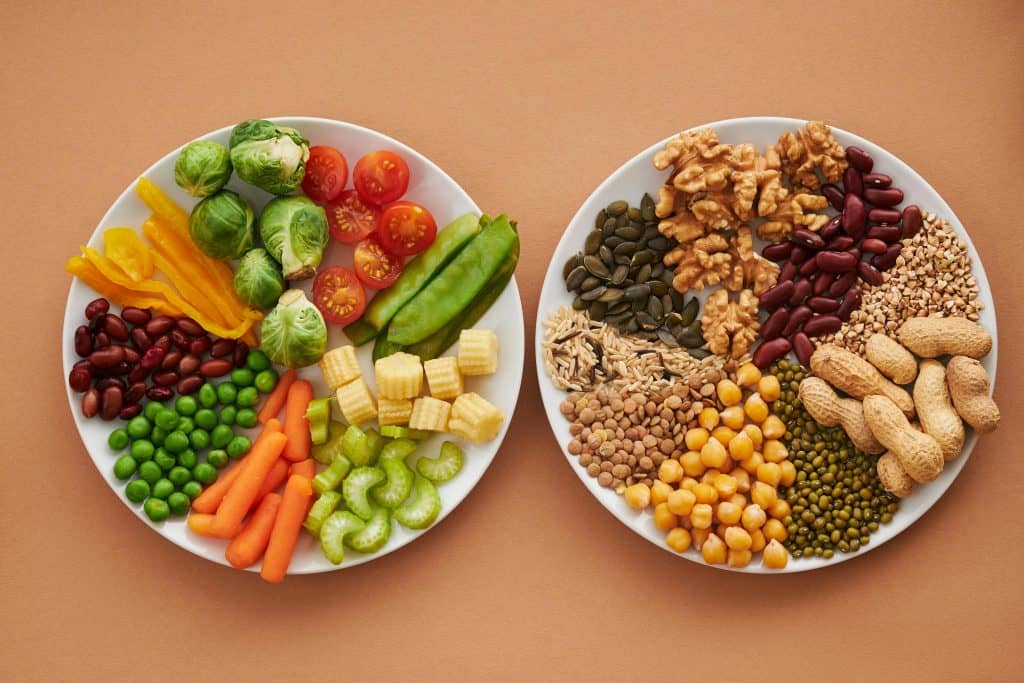
Clean eating, at its core, is the practice of choosing whole, minimally processed foods most of the time. It’s not a named program. It’s not a 30-day challenge. It doesn’t have a list of forbidden foods or a strict set of rules that you either follow perfectly or abandon in failure. It’s a flexible, sustainable approach to food that’s built on a simple underlying philosophy: eat real food, pay attention to what’s in it, and give yourself grace for the rest.
The core principles of clean eating include choosing foods with recognizable, pronounceable ingredients; emphasizing vegetables, fruits, whole grains, lean proteins, and healthy fats; minimizing added sugars, artificial ingredients, and heavily processed products; and following the 80/20 rule — eating clean about 80% of the time while allowing flexibility for the other 20%. There’s no end date. There’s no goal weight at which you stop. There’s no “falling off the wagon” because there’s no wagon to fall off of.
This is also distinct from named diet programs that people sometimes confuse with clean eating. Keto, paleo, Whole30, and other specific frameworks have their own rules and restrictions that go beyond the clean eating philosophy. Clean eating is broader and more flexible than any of those approaches — and that flexibility is precisely what makes it sustainable as a lifetime practice rather than a temporary fix.
The 7 Key Differences Between Clean Eating and Dieting
Let me lay this out clearly, because I think seeing these differences side by side is where it really clicks for people.
1. Temporary vs. Permanent Mindset: Dieting has a start date and an end date. Clean eating has a start date and no end date. This sounds like a small distinction, but it fundamentally changes how you relate to your food choices. When you’re dieting, every decision is made in the context of a finish line. When you’re eating clean, every decision is made in the context of a lifetime.
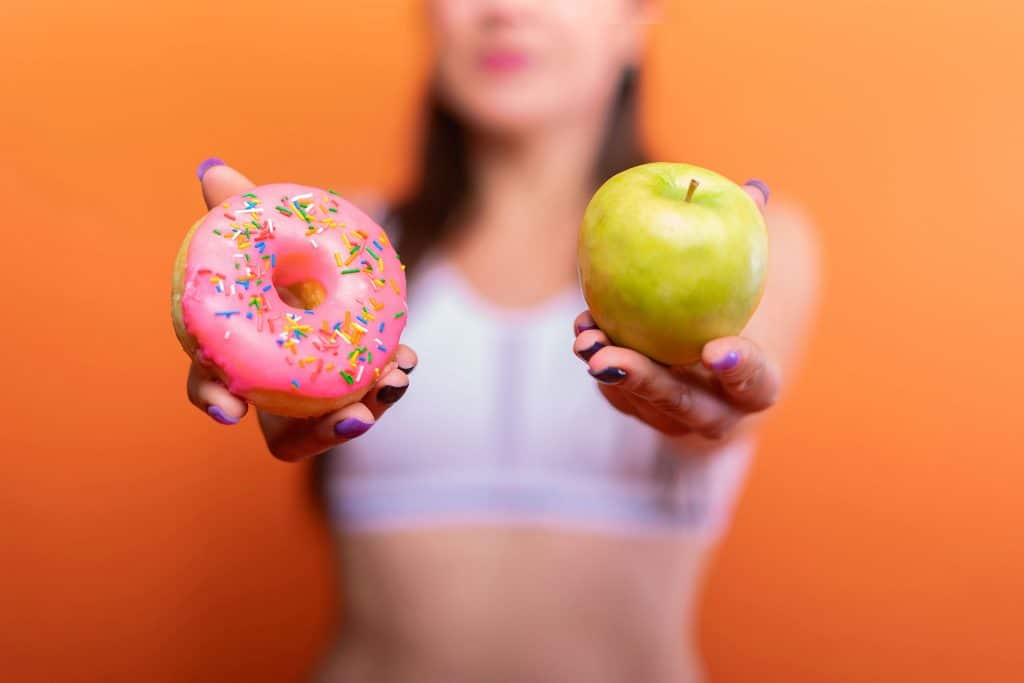
2. Restriction vs. Addition Dieting is almost always defined by what you can’t have. Clean eating is defined by what you add to your diet — more whole vegetables, more quality protein, more fiber-rich foods, more real ingredients. One approach is subtractive and punishing. The other is additive and nourishing. They feel completely different from the inside.
3. Rules vs. Guidelines Diets operate on rigid rules: no carbs after 6 PM, stay under 1,200 calories, no sugar for 30 days. Clean eating operates on flexible guidelines: choose whole foods when possible, read ingredient labels, and follow the 80/20 rule. Rules are external controls that require constant willpower. Guidelines are internal values that become more intuitive over time.
4. Guilt vs. Flexibility In diet culture, eating something “off plan” triggers guilt, shame, and often an all-or-nothing spiral. In clean eating, eating something less clean is just your 20% — normal, expected, and completely built into the approach. One framework makes you feel like a failure for being human. The other accounts for your humanity from the start.
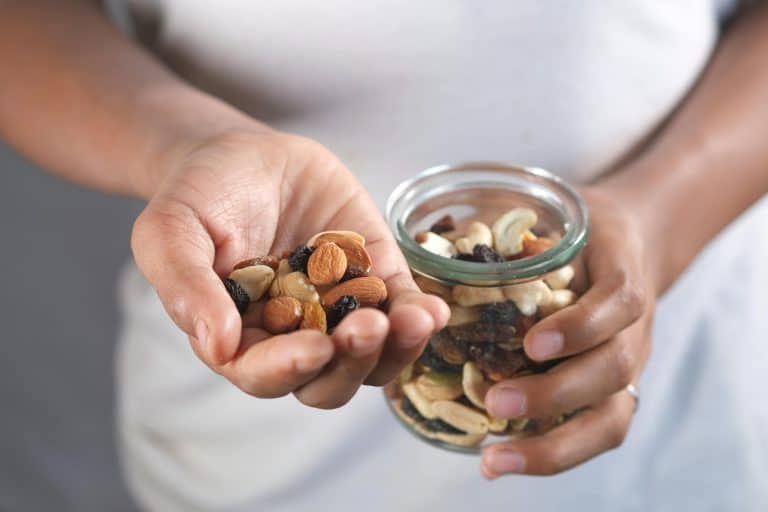
5. Calorie Focus vs. Food Quality Focus Most diets revolve around calorie restriction as the primary mechanism. Clean eating shifts the focus to food quality — what’s actually in the food you’re eating, not just how many calories it contains. A 200-calorie handful of almonds and a 200-calorie bag of pretzels are not nutritionally equivalent, and clean eating recognizes that distinction in a way that calorie counting alone does not.
6. External Control vs. Internal Awareness Dieting trains you to rely on external tools — a points system, an app, a meal plan — to tell you what and how much to eat. Clean eating gradually develops your own internal awareness of hunger, fullness, food quality, and how different foods make you feel. One keeps you dependent. The other builds genuine food literacy.
7. Short-Term Results vs. Long-Term Lifestyle Diets are optimized for short-term results: lose X pounds in X weeks. Clean eating is optimized for long-term well being: feel better, have more energy, support your health for decades. The timelines are completely different, and so are the outcomes.
Why Diets Almost Always Fail Long-Term
This isn’t just anecdotal — the research on long-term diet failure is pretty sobering, and I think people deserve to hear it plainly. Most diets fail not because of personal weakness but because of basic biology and psychology working against the diet’s design.
On the biological side, when you significantly restrict calories, your body interprets it as a threat. Hunger hormones — particularly ghrelin — increase, making you feel hungrier than normal. Leptin, the hormone that signals fullness and satisfaction, decreases. Your metabolism adapts downward to preserve energy. Your body is genuinely fighting the diet, and it’s very good at winning that fight over time. This is why people who’ve dieted repeatedly often find it harder and harder to lose weight each time — the body becomes increasingly efficient at protecting its fat stores in response to repeated restriction.
On the psychological side, the forbidden food effect I mentioned earlier is just the beginning. Dieting also creates a condition psychologists call “cognitive restraint” — the mental effort required to constantly monitor, restrict, and make rule-based decisions about food. This mental load is exhausting and unsustainable. Studies consistently show that high cognitive restraint around eating is associated with increased binge eating, emotional eating, and eventually abandoning the dietary effort entirely.
Then there’s the all-or-nothing trap. When a diet has rigid rules, any deviation from those rules tends to trigger what researchers call the “what the hell” effect — the sense that since you’ve already broken the diet, you might as well eat everything in sight and start over on Monday. This pattern is almost universal among chronic dieters, and it’s directly caused by the rigid, rule-based structure of dieting itself. Clean eating sidesteps this entirely by having flexibility built in from the beginning.
How Clean Eating Sidesteps the Problems Diets Create
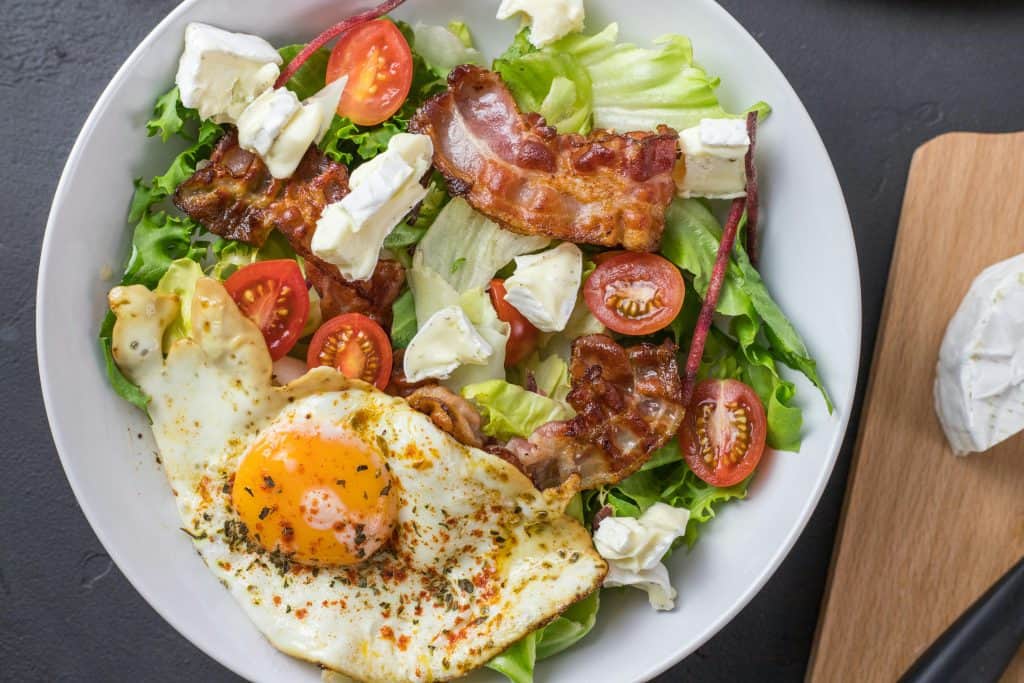
Every major failure point of traditional dieting — the biology, the psychology, the rules, the guilt — clean eating addresses in a fundamentally different way. This isn’t an accident. It’s a reflection of a completely different underlying philosophy about how people actually change their eating habits sustainably.
Because clean eating doesn’t involve severely restricting calories or eliminating entire food groups, it doesn’t trigger the same hormonal and metabolic backlash that dieting does. You’re not starving yourself. You’re nourishing yourself differently. There’s a meaningful biological difference between those two things, and your body responds accordingly. Whole foods — rich in fiber, protein, and healthy fats — naturally promote satiety, which means you feel full and satisfied without having to white-knuckle your way through hunger.
Because there are no forbidden foods in clean eating, the forbidden fruit effect doesn’t apply. When chocolate cake is not on a “never” list but just in your 20%, it loses its power over you. I noticed this shift in myself after about three months of clean eating — foods I used to think about obsessively while dieting just… stopped having that pull. They weren’t forbidden. They just weren’t things I wanted all that often anymore because I felt so much better eating clean. That shift happened gradually and naturally, not through willpower.
The 80/20 rule is specifically designed to eliminate the all-or-nothing spiral. When you eat a less-than-clean meal, you haven’t broken any rules — you’ve simply used some of your 20%. There’s nothing to recover from. There’s no Monday to wait for. You just make a clean choice at the next meal and keep going. That built-in flexibility is what makes clean eating livable for real people with real lives, and it’s why people who adopt it tend to actually stick with it.

Clean Eating vs. Calorie Counting — Do You Need to Track?
This is a question I get a lot, especially from people who’ve spent years counting calories and aren’t sure they can make decisions about food without a number to reference. So let me address it directly.
Calorie counting is not inherently evil, and there are contexts in which calorie awareness is a useful tool. But as a primary eating strategy for most people most of the time, it has some significant limitations that clean eating doesn’t share.
The biggest limitation is that calorie counting treats all calories as equivalent, which they’re simply not. One hundred calories of almonds — with their protein, healthy fat, fiber, and micronutrients — affects your body, your hunger hormones, your blood sugar, and your energy completely differently than 100 calories of a processed snack. Calorie counting has no mechanism for capturing this difference. It reduces the extraordinarily complex process of nutrition to a single number, and that number misses most of what actually matters about food.
Clean eating, by focusing on food quality rather than calorie quantity, naturally guides you toward foods that support healthy weight, sustained energy, and genuine satiety — without the mental burden of calculating and logging every bite. Most people find that when they consistently eat whole, nutrient-dense foods, their appetite naturally regulates itself. They eat when they’re hungry, stop when they’re full, and stop thinking about food obsessively between meals. That’s intuitive eating emerging naturally from a clean eating foundation.
Can you combine clean eating with some calorie awareness? Sure, if that feels helpful rather than obsessive for you personally. But for most people transitioning out of a dieting mindset, I recommend leaving the calorie counting behind for a while and just focusing on food quality. Let your body remember what genuine hunger and fullness feel like without numbers attached.
Clean Eating vs. Popular Diets — A Side-by-Side Comparison
People ask me all the time how clean eating compares to the specific diets they’ve heard about, so let me run through the most common ones quickly.
Clean Eating vs. Keto: Keto and clean eating share an emphasis on whole, quality foods and a desire to reduce processed junk. But keto requires very high fat intake, severely limits carbohydrates (including fruit and whole grains), and has specific macronutrient targets that must be hit to maintain ketosis. Clean eating welcomes whole grains, legumes, and fruit without restriction. Keto is a specific metabolic protocol. Clean eating is a broader lifestyle philosophy.
Clean Eating vs. Whole30: Whole30 and clean eating are probably the most philosophically similar — both emphasize whole foods and elimination of processed ingredients. But Whole30 is a strict 30-day elimination protocol with very specific rules and a defined end date. Clean eating is ongoing and flexible. Whole30 can actually be a useful jump start into a clean eating lifestyle, but it’s not the same thing.
Clean Eating vs. Paleo: Paleo focuses on foods presumed to be available to our Paleolithic ancestors — meats, fish, vegetables, fruits, nuts — while eliminating grains, legumes, and dairy. Clean eating includes whole grains and legumes as nutritious, whole food options. Paleo is more restrictive and more specific in its food rules than clean eating.
Clean Eating vs. Mediterranean Diet: Of all the named dietary approaches, the Mediterranean diet is probably the closest to clean eating in spirit. Both emphasize whole foods, vegetables, lean proteins, healthy fats like olive oil, and minimal processing. The Mediterranean diet also has strong research support for heart health and longevity. If you’re looking for a named framework that aligns with clean eating principles, this one is the best fit.
Clean Eating vs. Intermittent Fasting: Intermittent fasting is about when you eat, not what you eat. It’s a timing protocol, not a food quality framework. These two approaches can absolutely coexist — you can eat clean during your eating window and fast during your fasting window. But they’re addressing different things and can be used independently or together.
Clean Eating vs. GLP-1 Medications: This is a newer question I’m hearing a lot lately, and it deserves a straight answer. GLP-1 medications like semaglutide and tirzepatide work on appetite and blood sugar regulation at a biological level — they’re a medical tool, not a food philosophy, and for many people managing obesity or metabolic conditions, they’re a genuinely appropriate one under a doctor’s care. Clean eating isn’t a substitute for medical treatment, and it isn’t in competition with it either.
In fact, the two work well together: people using GLP-1 medications still need to eat, and what they eat still matters enormously for muscle preservation, nutrient adequacy, and long-term health once appetite is suppressed. Clean eating principles — whole foods, adequate protein, nutrient density — are exactly what someone on these medications needs to focus on, arguably more than ever, since a suppressed appetite leaves less room for empty calories. If you’re on or considering a GLP-1 medication, that’s a conversation for you and your Health Care Provider — but clean eating remains a smart framework for what you actually eat once you’re on one.
The Psychological Difference — Diet Mentality vs. Clean Eating Mindset
I want to spend some real time here because I think this is the difference that matters most — and the one that’s hardest to see when you’re deep in diet culture.
Diet mentality has a very specific texture from the inside. It feels like constant vigilance. It sounds like “I was so bad today,” and “I’ll start over on Monday,” and “I can’t have that, I’m on a diet.” It involves checking in with an external authority — a point value, a calorie budget, a list of allowed foods — before making every food decision. It creates a sense of being at war with your own body and appetite, fighting urges that are treated as character flaws rather than normal human experiences.
A clean eating mindset feels genuinely different. It’s less about what you can’t have and more about what you value. It sounds like “I want to feel good today,” and “that’s my 20%, no big deal,” and “what does my body actually need right now?” It involves developing your own internal compass for food decisions rather than relying on an external rulebook. It treats hunger and cravings as information rather than enemies.
Making the shift from diet mentality to a clean eating mindset doesn’t happen overnight, especially if you’ve been dieting for years or decades. The thought patterns of diet culture run deep. But the shift starts with one simple reframe: instead of asking “is this allowed?” start asking “does this serve how I want to feel?” That question — focused on self-care rather than rule-following — is the foundation of a clean eating mindset.
Self-compassion plays a huge role here. Research by psychologist Kristin Neff and others consistently shows that self-compassion — treating yourself with the same kindness you’d offer a good friend — is actually associated with better long-term health behaviors, not worse. Letting go of food guilt isn’t giving up. It’s the thing that actually makes sustainable change possible.
Can You Lose Weight With Clean Eating Without Dieting?
Yes — and for many people, more effectively and more sustainably than traditional dieting. But I want to be honest with you about how this works, because clean eating isn’t a weight loss program and shouldn’t be positioned as one.
When you shift from a diet of processed foods, added sugars, and refined carbohydrates to a diet rich in whole vegetables, quality proteins, healthy fats, and fiber, several things happen naturally. Your calorie intake often decreases without any deliberate restriction, because whole foods are more satisfying per calorie than processed ones. Your hunger hormones stabilize, so you’re not fighting constant cravings. Your blood sugar becomes more stable, eliminating the energy crashes that drive snack attacks. Your gut microbiome improves, which emerging research links to better weight regulation.
For many people, this natural recalibration leads to gradual, steady weight loss over months — the kind that actually stays off because it’s not produced by unsustainable restriction. It’s produced by genuinely changing the quality of what you eat. Your body finds its comfortable, healthy weight when you stop fighting it with restriction and start working with it through nourishment.
That said, I want to be clear: weight loss is not the only measure of clean eating success, and for some people it’s not the primary goal at all. Improved energy, better sleep, clearer skin, more stable mood, reduced inflammation, stronger digestion — these are all real, meaningful results of clean eating that have nothing to do with the scale. Some of my most significant clean eating wins have been things I never could have measured in pounds. Don’t let the scale be your only scoreboard.
How to Make the Shift From Diet Thinking to Clean Eating
If you’ve spent years or decades in diet culture, making this shift is genuinely one of the most liberating things you can do — but it takes some intentional work. Here’s how to start.
First, notice the diet mentality language in your own head. Words like “cheat,” “bad,” “guilty,” “allowed,” “forbidden,” and “deserve” are all diet culture vocabulary. When you catch yourself using them, pause and try a reframe. “I cheated today” becomes “I used my 20%.” “I was so bad” becomes “I made a less clean choice and I’ll make a better one at the next meal.” These rewrites feel awkward at first but become more natural quickly.
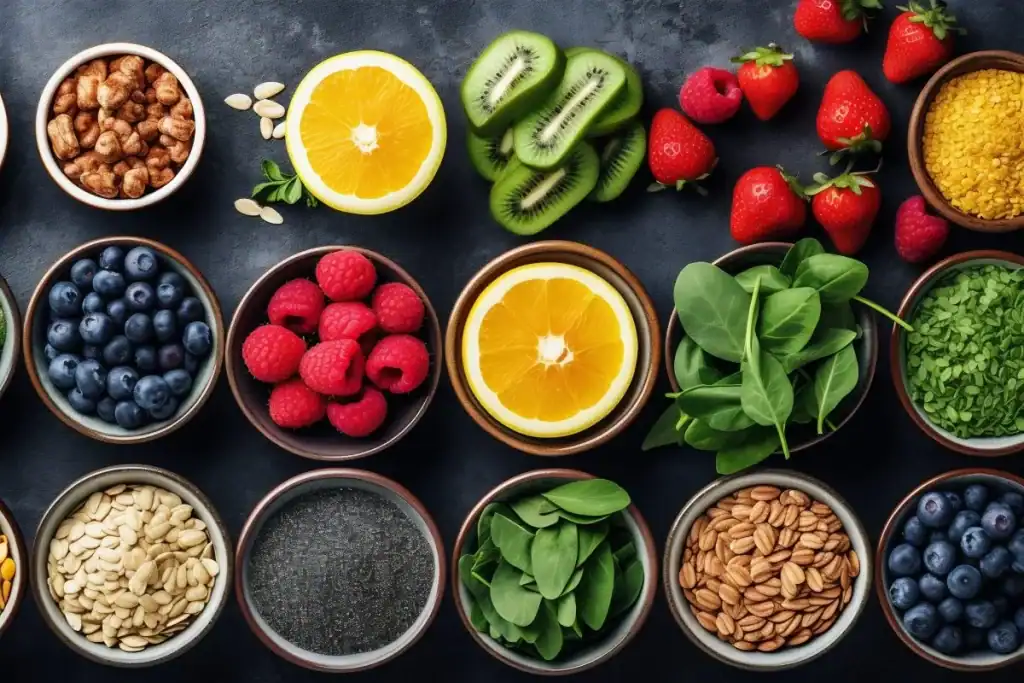
Second, start shifting your focus from what you’re taking away to what you’re gratefully adding. Instead of thinking “I’m cutting out sugar,” try “I’m adding more whole fruit and naturally sweet foods.” Instead of “I can’t eat white bread,” try “I’m choosing whole grain bread most of the time.” Addition feels abundant. Restriction feels punishing. Your brain responds to these framings very differently.
Third, practice the 80/20 rule without guilt — really practice it. The next time you eat something less clean, consciously tell yourself that this is your 20% and it’s completely fine and planned for. Notice how it feels to eat something enjoyable without the guilt spiral. That experience — of genuine food freedom — is what you’re building toward.
And finally, give yourself an enormous amount of patience and grace. You didn’t develop your current relationship with food overnight, and you won’t rebuild it overnight either. But every single day that you choose to approach food with curiosity and self-compassion instead of rules and guilt, you’re moving in the right direction. That matters, even when progress feels slow.
Clean Eating vs. Dieting FAQs
Is clean eating considered a diet?
Technically, “diet” just means the foods a person habitually eats — in that broad sense, clean eating is a diet. But in the colloquial sense of “going on a diet,” no. Clean eating is not a temporary, structured program with an end date and forbidden foods. It’s a flexible, ongoing lifestyle approach that has no finish line and no failure state.
Can clean eating replace my current diet plan?
For most people, yes — and I’d argue it’s a significant upgrade. Instead of following someone else’s rules for a defined period, you’re building your own intuitive food framework based on quality and flexibility. The transition might feel unfamiliar at first if you’re used to having specific rules to follow, but most people find it genuinely more sustainable within a few weeks.
Will I lose weight faster on a diet or with clean eating?
You might lose weight faster initially with a restrictive diet, because severe calorie restriction produces rapid short-term results. But the research on long-term outcomes strongly favors the gradual, sustainable approach. Weight lost through clean eating tends to stay off because it’s produced by real habit change, not temporary restriction. Slow and steady genuinely does win this race.
Is clean eating safe if I have a history of disordered eating?
This is an important question, and I want to answer it carefully. Clean eating’s flexibility, its 80/20 rule, and its emphasis on adding quality rather than restricting quantity make it generally more compatible with eating disorder recovery than rigid diets. However, any changes to your eating patterns should be discussed with a qualified healthcare provider or dietitian if you have a history of disordered eating. Your mental health around food matters as much as the physical nutrition.
How do I explain clean eating to someone who thinks it’s just another diet?
Keep it simple: “It’s not a diet — there’s no end date and nothing is forbidden. I’m just choosing to eat more whole, real foods most of the time and giving myself flexibility for everything else.” Most people get that framing without much pushback. And honestly, you don’t owe anyone a detailed explanation of your eating choices. Living it is more persuasive than explaining it anyway.
Conclusion
Let’s bring this home. The difference between clean eating and dieting isn’t just semantic — it’s fundamental. Dieting is temporary, restrictive, rule-based, guilt-producing, and designed around external control. Clean eating is permanent, additive, guideline-based, flexible, and designed around developing your own internal food awareness. One is a cycle you go around and around. The other is a direction you actually travel in.
The diet industry wants you to keep trying the next program, the next plan, the next 30-day challenge. Clean eating asks you to stop looking for a finish line and start building a way of eating that serves you for life. That’s a fundamentally different ask — and for most people, a genuinely liberating one.
If you’ve been burned by dieting before — if you’ve lost and regained the same weight, if you’ve followed a plan perfectly and still felt like a failure when life got in the way — I want you to know that the problem was never you. The approach was wrong. You were trying to sustain something that wasn’t designed to be sustainable. Clean eating is designed differently, from the ground up, and it is absolutely something you can do.
Start where you are. Make one cleaner choice today. Read one ingredient label. Swap one processed food for a whole food alternative. Let that be enough for right now. And then do it again tomorrow.
Ready to take the next step? Check out [How to Transition to Clean Eating Without Feeling Overwhelmed] for your step-by-step starting plan, and explore the [Clean Eating Rules Every Beginner Needs to Know] to build your flexible framework. You’ve got this — and you don’t need a diet to prove it.