Clean Eating Grocery List: What to Buy Each Week


Let me tell you something I’ve learned after nearly four decades in healthcare: healthy eating starts at the grocery store, not in the kitchen. You cannot out-cook a bad shopping cart. If the right food isn’t in your house, you’ll reach for what is — and usually, that’s whatever is processed, packaged, and fast.
That’s why I’ve built this clean eating grocery list. It’s not a meal-specific list tied to a single week of recipes. It’s a master reference — a complete guide to the whole foods, pantry staples, and real-food ingredients I keep stocked every single week so that clean eating is always the easy choice.
Whether you’re brand new to clean eating or just looking to tighten up your shopping habits, this list will help you fill your cart with intention.
This post contains affiliate links, meaning I may receive a commission if you click on a link and make a purchase.
| What is a clean eating grocery list? A clean eating grocery list focuses on whole, minimally processed foods — lean proteins, whole grains, fresh produce, healthy fats, and real pantry staples. The goal is to skip anything made in a lab and fill your cart with food that comes from the earth as close to its natural form as possible. |
How to Use This Grocery List
Think of this as your master shopping template — not a must-buy-everything-at-once list. Each week, choose from these categories based on what’s in season, what’s on sale, and what your meal plan calls for.
A few guidelines I follow every single time I shop:
- Shop the perimeter of the store first. That’s where the fresh food lives. The inner aisles are where most processed items hide.
- Read every ingredient label on packaged goods. If you can’t pronounce it, think twice. Aim for five ingredients or fewer.
- Buy in bulk when it makes sense. Grains, nuts, seeds, and canned goods are cheaper in larger quantities and have long shelf lives.
- Choose organic strategically. Prioritize organic for the EWG Dirty Dozen (highest pesticide load) and go conventional for the Clean Fifteen.
- Don’t shop hungry. I know it’s a cliché, but it’s true. Eat something before you go, and you’ll make far better choices.
Your Complete Clean Eating Grocery List
Here is my full weekly reference list, organized by category. I’ve included a note on why each item earns a permanent spot in my cart.
| Category | Item | Why It’s a Clean Eating Staple |
| Lean Proteins | Boneless, skinless chicken breasts, thighs, or drumsticks | High protein, versatile — grill, bake, or stir-fry |
| Wild-caught salmon fillets | Omega-3 rich; buy fresh or frozen | |
| Canned tuna or sardines | Quick protein with no cooking required | |
| Whole eggs (2 dozen) | Clean protein + healthy fat; meal prep staple | |
| Extra-lean ground turkey | Great for chili, taco bowls, and casseroles | |
| Dry or canned lentils | Plant-based protein; buy dry for best value | |
| Canned chickpeas | Add to salads, soups, and grain bowls | |
| Quick side dish: steam or roast | Protein-rich snack or breakfast base | |
| Whole Grains | Read the label — look for whole grain as the first ingredient | Slow-digesting carbs; cook a big batch Sunday |
| Quinoa (2 cups dry) | Complete protein grain — great base for bowls | |
| Rolled oats (large container) | Overnight oats, energy balls, and baked goods | |
| Farro or barley (1 cup dry) | Nutty, chewy grain that adds variety | |
| Whole grain or sprouted bread (optional) | Read the label — look for whole grain as first ingredient | |
| Produce — Vegetables | Broccoli (2 heads or a large bag) | Roasts beautifully; rich in fiber and vitamin C |
| Baby spinach (large bag) | Use raw in salads or wilt into eggs and soups | |
| Zucchini (3–4 medium) | Low-carb, roasts well, great in stir-fries | |
| Bell peppers (4–5 assorted) | High in vitamin C; roast or eat raw | |
| Sweet potatoes (4 medium) | Complex carb with beta-carotene; very filling | |
| Asparagus (1 bunch) | Quick to roast; pairs with fish and chicken | |
| Kale (1 bunch) | Nutrient-dense; massage for salads, wilt for soups | |
| Cherry tomatoes (1 pint) | Add raw to salads or roast until caramelized | |
| Cucumber (2 medium) | Snacking veggie; goes well with hummus | |
| Celery (1 bunch) | Snacking staple; also great in soups and chili | |
| Cauliflower (1 head) | Roast whole or use as a rice substitute | |
| Green beans (1 bag fresh or frozen) | Quick side dish; steam or roast | |
| Produce — Fruits | Bananas (1 bunch) | Natural sweetener in smoothies; great pre-workout snack |
| Apples (4–5) | High-fiber snack; pairs with almond butter | |
| Blueberries (fresh or frozen) | Antioxidant powerhouse; add to oats and smoothies | |
| Lemons (4–5) | Brighten any dish; use in dressings, marinades, water | |
| Avocados (2–3) | Healthy fat; buy at different ripeness stages | |
| Frozen fruit mix (berries/mango) | Cost-effective; perfect for smoothies | |
| Healthy Fats & Oils | Extra virgin olive oil | Use for low-heat cooking and dressings |
| Avocado oil | High smoke point; best for roasting and sauteing | |
| Raw almonds or mixed nuts | Pre-portion into snack bags; keep at desk or in bag | |
| Walnuts | Rich in omega-3s; add to oats and salads | |
| Chia seeds | Add to overnight oats; high in fiber and omega-3s | |
| Ground flaxseed | Stir into oats or smoothies; anti-inflammatory | |
| Natural almond or peanut butter | Check label: oil and salt only — no added sugar | |
| Pantry Staples | Canned diced tomatoes (2 cans) | Base for chili, soups, and sauces |
| Canned black beans | Quick protein add-on for any meal | |
| Chicken, bone, or vegetable broth | Use for cooking grains and soups | |
| Coconut aminos | Clean soy sauce alternative; great in stir-fries | |
| Apple cider vinegar | Use in dressings and marinades | |
| Tahini | Sesame paste; blend into dressings and grain bowls | |
| Collagen peptides | Dissolves in hot or cold — stir into oats, coffee, smoothies | |
| Clean protein powder | Check for minimal ingredients; no artificial sweeteners | |
| Unsweetened almond or coconut milk | Use for smoothies, overnight oats, and cooking | |
| Raw honey or pure maple syrup | Clean sweetener for occasional use | |
| Herbs, Spices & Condiments | Garlic powder + fresh garlic | Core seasoning for almost everything |
| Onion powder | Depth of flavor without chopping | |
| Cumin | Essential for chili, taco bowls, roasted veggies | |
| Smoked paprika | Rich, smoky flavor without added sodium | |
| Turmeric | Anti-inflammatory powerhouse; add to eggs, soups, grains | |
| Italian seasoning blend | All-purpose for chicken, fish, and vegetables | |
| Red pepper flakes | Heat without sugar or artificial additives | |
| Cinnamon | Add to oats, smoothies, and sweet potato dishes | |
| Sea salt + black pepper | The foundation of every clean dish | |
| Dijon mustard | Clean condiment; great in dressings and marinades | |
| Hummus (store-bought or homemade) | Read labels: look for chickpeas, olive oil, tahini, lemon |
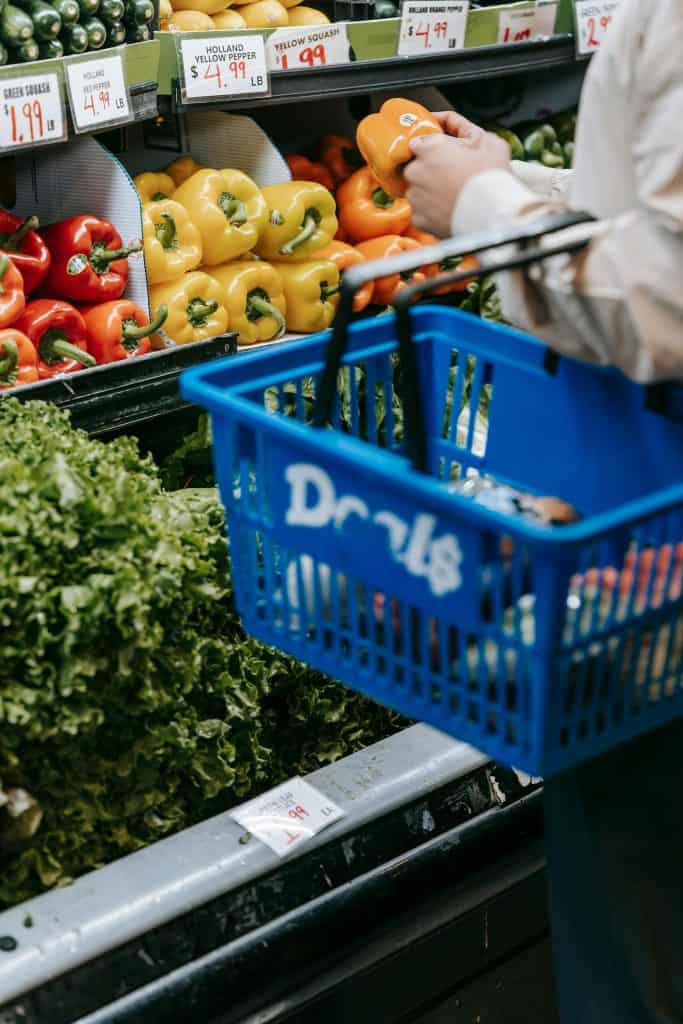
What to Prioritize Organic
I get it — organic can be expensive. You don’t have to buy everything organic to eat clean. Here’s how I think about it:
Always prioritize organic for:
- Spinach, kale/collard, strawberries, grapes, nectarines, peaches, cherries, apples, blackberries, pears, potatoes, blueberries (EWG Dirty Dozen) — these carry the highest pesticide residue
- Thin-skinned produce you eat whole — like grapes, berries, and leafy greens
- Dairy products, if you consume them, hormones and antibiotics concentrate in conventional dairy fat
It’s okay to go conventional for:
- Avocados, sweet corn, pineapple, onions, papaya, sweet peas, asparagus, cabbage, watermelon, cauliflower, bananas, mangoes, carrots, mushrooms, and kiwi. (Clean Fifteen)
- Produce with thick skins you remove before eating — like bananas, oranges, and melons
Label Reading: The Clean Eating Quick Guide
Grocery shopping for clean eating isn’t just about what you pick up — it’s about knowing what you’re looking at. Here’s a quick cheat sheet I use in the store:
What to look for on a label:
- Five ingredients or fewer
- Ingredients you recognize — if it reads like a chemistry textbook, put it back
- Whole food ingredients listed first (e.g., “whole oats” not “enriched flour”)
- Little to no added sugar — watch for hidden sugars like cane syrup, dextrose, maltose, and fruit juice concentrate
- No artificial colors, flavors, or preservatives
Red flags to walk away from:
- Partially hydrogenated oils (trans fats)
- High fructose corn syrup
- Artificial sweeteners (aspartame, sucralose, acesulfame potassium)
- Artificial dyes (Red 40, Yellow 5, Blue 1)
- MSG or “natural flavors” as a catchall
If you want help scanning labels on the go, apps like Yuka and Bobby Approved do a great job of flagging problematic ingredients instantly.

How to Build Your Cart on a Budget
One of the biggest myths about clean eating is that it has to be expensive. It doesn’t — if you shop smart. Here’s what I do to keep costs down without cutting corners:
- Buy frozen vegetables and fruits. They’re picked at peak ripeness and flash-frozen, so their nutritional value is preserved. Frozen broccoli, spinach, and berries are every bit as good as fresh — and often cheaper.
- Shop store-brand staples. The store-brand brown rice, olive oil, and canned beans are typically just as clean as the name-brand. Read the label and compare.
- Lean on legumes. Lentils and chickpeas are some of the most budget-friendly proteins on the planet. A bag of dried lentils costs under two dollars and makes multiple meals.
- Buy whole chickens or chicken thighs instead of breasts: more flavor, less cost. Roast a whole chicken on Sunday and use the meat all week.
- Use the same ingredients in multiple ways. One batch of roasted vegetables can go into a grain bowl, a wrap, an omelet, and a soup. Plan around versatile staples.
For even more budget strategies, check out my article on Budget-Friendly Clean Eating Meal Prep Ideas.
How to Stock Your Pantry for Clean Eating
A clean eating pantry is your insurance policy. When your fridge is bare, your pantry saves you. Here are the non-negotiables I keep stocked at all times:
Dry goods to always have on hand:
- Brown rice, quinoa, rolled oats, faro
- Dried lentils and chickpeas
- A variety of nuts and seeds
- Collagen peptides and clean protein powder
Canned goods to keep stocked:
- Beans (black, white, chickpeas)
- Diced tomatoes and tomato paste
- Coconut milk
- Broth (chicken, bone, and vegetable)
Condiments and flavor boosters:
- Extra virgin olive oil and avocado oil
- Coconut aminos, apple cider vinegar, Dijon mustard
- Tahini, almond butter, and natural nut butters
- Raw honey and pure maple syrup for occasional sweetening

Clean Eating Weekly Shopping Strategy
Here’s how I approach the weekly shop to keep things efficient and on budget:
- Sunday morning or Saturday afternoon — do a quick fridge and pantry audit. What do you have? What needs to be used up?
- Build your meal plan for the week around what you already have, then fill in the gaps.
- Write your grocery list organized by store section (produce, meat, dairy, dry goods) — this saves at least 10 minutes of wandering.
- Do one main shop per week. Minimize mid-week trips — they lead to impulse buys.
- When you get home, do a quick 15-minute pantry stock: wash berries, prep snack jars, transfer bulk items to clear containers so you can see what you have.
That 15-minute reset when you get home from the store makes a bigger difference than you might think. When healthy food is visible and ready, you reach for it.
Frequently Asked Questions
How much does a clean-eating grocery haul cost per week?
For a family of four, a clean eating grocery haul typically runs between $150 and $250 per week, depending on your region, store choice, and whether you buy organic. Single adults can often shop clean for $60 to $90 per week by leaning on legumes, frozen produce, and bulk grains.
Can I shop for clean eating at a regular grocery store?
Absolutely. You don’t need a specialty health food store. Most conventional grocery stores carry everything on this list. Focus on the produce section, the meat counter, and the natural foods aisle. Skip most of the center aisles.
What if I can’t find a certain item?
Every item on this list has a substitute. Can’t find faro? Use brown rice or barley. No tahini? Almond butter works in most dressings. No wild-caught salmon? Try tilapia, cod, or canned tuna. The principle is more important than the specific ingredient.
Is this grocery list gluten-free?
The majority of this list is naturally gluten-free. The main exception is grains — farro and barley contain gluten. Stick to rice, quinoa, oats (certified gluten-free), and sweet potato as your starch base, and you’re covered.
Fill Your Cart, Nourish Your Life
The grocery store is where your clean eating week begins. When you walk in with this list and a plan, you leave with a cart full of real food that will fuel your entire week. No guesswork, no last-minute drive-through, no standing in front of the refrigerator at 6 pm wondering what to eat.
I’ve been helping people build healthier eating habits for nearly four decades, and I promise you — the right grocery cart changes everything. Start here.
And when you’re ready to turn these groceries into a full week of clean meals, head over to my beginner’s guide to meal prep for clean eating. I’ll walk you through exactly what to do with everything in your cart.