Clean Eating at Walmart: A Beginner’s Shopping Guide

Let me guess: you’ve decided to start eating cleaner, but the thought of navigating a massive Walmart without knowing what to put in your cart feels a little overwhelming. I hear this all the time. The good news? Walmart is actually one of the best stores in the country for budget clean eating — if you know where to look.
I know what you might be thinking. Walmart? Isn’t that the place for processed food and cheap snacks? Yes, there’s plenty of that there. But tucked in between the chip aisles and the cookie displays is a genuinely solid selection of whole, minimally processed foods at prices that are hard to beat anywhere else.
I’ve always believed that healthy eating should be accessible to everyone — not just people who live near a Whole Foods or have a premium grocery budget. Walmart serves more American families than almost any retailer in the country, and I think it deserves more credit in the clean eating conversation.
So today I’m walking you through clean eating at Walmart, aisle by aisle, and showing you exactly what to buy, what to skip, and how to read labels so you leave with a cart full of clean eating staples — without spending a fortune.
This post contains affiliate links, meaning I may receive a commission if you click on a link and make a purchase.
Can You Really Eat Clean at Walmart?
Short answer: yes. The longer answer is that Walmart’s inventory varies by location, but the core clean eating staples are available at virtually every store. We’re talking rolled oats, dried beans and lentils, brown rice, pasta, eggs, frozen vegetables, natural peanut butter, olive oil, fresh produce, and canned goods with simple ingredient lists.
You won’t find the full range of specialty health foods you’d see at a dedicated natural grocery store. But for the foundational whole foods that should make up the bulk of a clean-eating diet, Walmart delivers consistently — and usually at the lowest prices around.
Walmart’s Great Value store brand is one of the best-kept secrets in budget clean eating. Great Value oats, canned beans, frozen vegetables, and pantry staples are often indistinguishable from name brands in terms of quality — and they cost noticeably less.
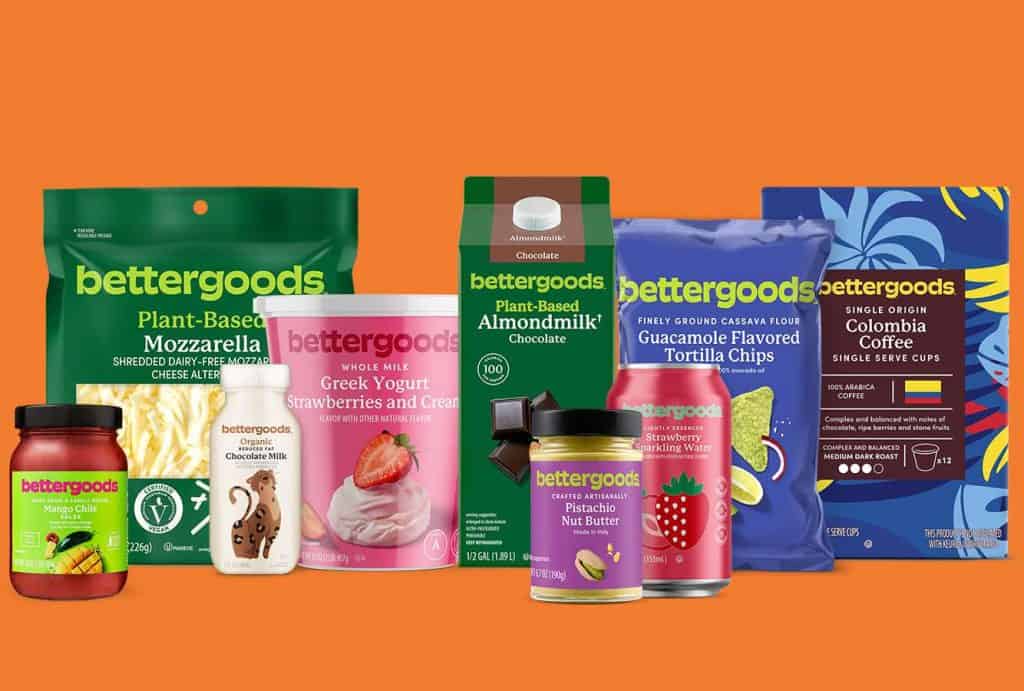
Walmart’s Better Goods store brand, launched in 2024, is a premium, chef-inspired private brand. Focusing on elevated, trend-forward ingredients at affordable prices, typically under $5.00. It offers three main categories: plant-based (green packaging), made without (gluten-free, artificial flavors), and chef-curated delicacies across frozen, dairy, snacks, and coffee.
Before You Walk In: How to Shop Clean Eating at Walmart
A few habits make a huge difference when you’re trying to shop clean, regardless of where you shop:
- Shop with a list. Impulse buys are the enemy of clean eating and budget goals. Plan your meals before you go and write down exactly what you need.
- Eat before you go. Shopping hungry leads to processed food in your cart. Have a snack first.
- Stick to the perimeter first. Fresh produce, proteins, and dairy are almost always on the outer edges of the store. Start there before heading into the center aisles.
- Read ingredient lists, not just nutrition labels. A food can look healthy on the front panel and be loaded with additives on the back. I’ll show you what to look for.
- Use a food scanning app. Apps like Yuka and Bobby Approved let you scan barcodes to instantly see a food’s ingredients and additives. I’ve written a full review of the best food-scanning apps if you want to go deeper on this.
The Clean Eating Shopping List: Aisle by Aisle
Here’s a complete beginner-friendly shopping list organized by section. Prices are approximate and may vary by location.
PRODUCE SECTION
| Item | Walmart Section | Approx. Price | Clean Eating Notes |
| Bananas | Produce — loose | ~$0.20/ea | One of the cheapest clean fruits. Typically $0.50 per pound. No label needed. |
| Bagged Spinach | Produce – bag | ~$2.00-4.00 | Check the bag; the ingredient should be just spinach. |
| Cabbage (green) | Produce — loose | ~$0.90/lb | Incredibly affordable, long shelf life, versatile. |
| Sweet Potatoes | Produce — loose or bagged | ~$1.45/lb | Nutrient-dense complex carb. Buy the loose ones for the best price. |
| Carrots (baby or whole) | Produce — bagged | ~$1.50/lb | Long shelf life, high fiber, great for snacking and cooking. |
| Broccoli crowns | Produce | ~$2.20/lb | Buy fresh or head to the frozen aisle for better value. |
| Roma or vine tomatoes | Produce — loose | ~$1.29/lb | Clean, whole food. Skip the pre-seasoned or stuffed varieties. |
| Garlic bulbs | Produce — loose | ~$0.75 | A clean eating kitchen essential. Skip the jarred minced. |
| Yellow onions | Produce — loose or 3-lb bag | ~$2.50 | Base flavor for dozens of clean meals at almost no cost. |
FROZEN FOODS AISLE

| Item | Walmart Section | Approx. Price | Clean Eating Notes |
| Great Value Frozen Broccoli | Frozen vegetables | ~$2.00 | Ingredient: broccoli. That’s it. Perfect clean eating. |
| Great Value Frozen Spinach | Frozen vegetables | ~$1.50 | 100% spinach, flash-frozen at peak nutrition. |
| Great Value Mixed Vegetables | Frozen vegetables | ~$1.50/12 oz | Look for plain varieties — avoid sauce or seasoning packets. |
| Great Value Frozen Stir-Fry Blend | Frozen vegetables | ~$2.75/20 oz | Good clean option if the ingredient list is just vegetables. |
| Great Value Frozen Mixed Berries | Frozen fruit | ~$4.00/lb | Strawberries, blueberries, raspberries — no sugar added. |
| Birds Eye Steamfresh Vegetables | Frozen vegetables | ~$2.50 | Single-ingredient options are clean. Skip the cheesy sauces. |
| Frozen Edamame (shelled) | Frozen vegetables/protein | ~$3.00 | Great plant protein. The ingredient should be just edamame. |
PANTRY & DRY GOODS AISLE
| Item | Walmart Section | Approx. Price | Clean Eating Notes |
| Great Value Rolled Oats | Cereal/oats aisle | ~$3.50/18oz | Old-fashioned oats. Ingredient: whole grain rolled oats. |
| Great Value Long Grain Brown Rice | Rice/grains aisle | ~$2.50/32oz | Whole grain, affordable, versatile. Skip instant rice. |
| Great Value Pasta | Pasta aisle | ~$1.00 | Look for wheat as the first ingredient. |
| Great Value Dried Lentils | Dried beans aisle | ~$2.00/lb | One of the cheapest proteins per serving available anywhere. |
| Great Value Dried Black Beans | Dried beans aisle | ~$1.75/lb | Cook from dried for best price; canned is fine too. |
| Great Value Canned Black Beans | Canned goods aisle | ~$0.88 | Rinse before using to reduce sodium. Clean pantry staple. |
| Great Value Canned Chickpeas | Canned goods aisle | ~$1.00 | Versatile plant protein. Check for just chickpeas + water + salt. |
| Great Value Diced Tomatoes | Canned goods aisle | ~$0.98 | The ingredient list should be tomatoes, tomato juice, salt — that’s it. |
| Great Value Chicken Broth | Canned goods aisle | ~$1.50/32oz | Low sodium is key. Scan ingredients for MSG or artificial flavors. |
| Crazy Richard’s Natural Peanut Butter | Peanut butter aisle | ~$5.00 | Look for versions with just peanuts (and salt). Avoid added sugar. |
| Great Value Extra Virgin Olive Oil | Cooking oils aisle | ~$6.12/17oz | EVOO is a clean-eating cornerstone. Walmart’s price is very competitive. |
| Great Value Apple Cider Vinegar | Condiments aisle | ~$2.50/32oz | Raw, unfiltered with the “mother.” Great for dressings and cooking. |
PROTEINS & DAIRY
| Item | Walmart Section | Approx. Price | Clean Eating Notes |
| Large Eggs (Great Value) | Dairy/refrigerated | ~$3.50/doz | Cage Free, whole eggs. One of the best clean proteins available. |
| Boneless Skinless Chicken Thighs | Meat department | ~$5.50–6.50/2lb | More affordable than breasts, just as clean and more flavorful. |
| Organic Boneless Skinless Chicken Breasts | Meat department | ~$6.85/lb | Lean clean protein — buy the value pack to save. |
| Canned Tuna in Water | Canned goods aisle | ~$1.00/can | Great Value or Starkist — chunck light, water-packed, minimal ingredients. |
| Great Value Plain Greek Yogurt | Dairy aisle | ~$3.36/32oz | Plain only — flavored varieties often have added sugar. High protein. |
| Whole Milk | Dairy aisle | ~$2.50/gallon | Clean dairy option. Check that it contains just milk + vitamins. |
How to Read Labels at Walmart
One of the most important skills in clean eating is knowing how to read a food label. At a store the size of Walmart, the shelves are full of products that look healthy on the front but tell a different story on the back. Here’s my quick-reference guide:
| What to Look For | What It Means / Why It Matters |
| Ingredient list length | Shorter is almost always better. A food with 3–5 recognizable ingredients is a much safer bet than one with 25. |
| First ingredient | The first ingredient is present in the highest amount. If it’s a whole food (whole wheat, oats, chicken), good sign. If it’s sugar or a refined grain, put it back. |
| Added sugars | Look for this on the Nutrition Facts panel. Aim for 0–5g added sugars per serving for savory foods and under 10g for anything sweet. |
| Partially hydrogenated oils | This means trans fats. Avoid completely. Clean foods don’t contain them. |
| Artificial colors & flavors | Dyes like Red 40, Yellow 5, and “artificial flavors” are signs of a processed food. Skip it. |
| High-fructose corn syrup | A red flag in any food. If HFCS is on the label, it’s not a clean choice. |
| Recognizable ingredients | If you can picture every ingredient in its whole food form, you’re on the right track. |
My shortcut for label reading: flip the package over and scan the ingredient list. If I can pronounce everything and picture it growing or being raised somewhere, it passes the test. If it reads like a chemistry exam, I put it back.
What to Skip at Walmart (Clean Eating Red Flags)
Knowing what NOT to buy is just as important as knowing what to buy. Here are the sections and product types I steer clear of:
The “Health Food” Aisle
Walmart’s dedicated health food or natural food section can be misleading. Many products marketed as “natural,” “organic,” or “gluten-free” are still highly processed and loaded with added sugars and refined ingredients. Always read the label, regardless of the front-of-package claims.
Flavored Instant Oatmeal Packets
Regular rolled oats in the large container are clean. The individual flavored packets — even the “lower sugar” varieties — typically contain added sugars, artificial flavors, and unnecessary additives. Buy the plain oats and add your own toppings.
Most Granola Bars and Protein Bars
The snack bar aisle at Walmart is almost entirely not clean-eating territory. Most bars — even ones with words like “natural” or “wholesome” on the label — are essentially candy bars with a PR problem. If you want a bar, look for ones with 5 or fewer whole food ingredients and under 8g of added sugar. They’re rare, but they exist.
Flavored Yogurts
The dairy aisle at Walmart is full of yogurt products loaded with added sugars — some have as much sugar as a dessert. Stick to plain Greek yogurt and add your own fruit or a drizzle of honey at home.
Bottled Salad Dressings
Most bottled dressings contain soybean or canola oil, added sugars, and artificial ingredients. It takes about two minutes to make a clean dressing at home with olive oil, apple cider vinegar, lemon juice, and a pinch of salt. I promise it tastes better, too.
Processed Deli Meats
Most deli meats — even “natural” or “oven-roasted” varieties — contain nitrates, added sodium, and preservatives. If you want clean protein for sandwiches or wraps, roast a batch of chicken thighs on Sunday and slice them yourself.

A Sample Walmart Clean Eating Cart
Here’s what a typical clean eating Walmart run looks like for me — built around a week of meals for one person:
- Great Value rolled oats (large container)
- Great Value organic rice
- Great Value dried lentils
- Great Value canned black beans (x2)
- Great Value canned diced tomatoes (x2)
- Large eggs (1 dozen)
- Boneless chicken thighs (family pack)
- Great Value frozen broccoli (large bag) or fresh if in season
- Great Value frozen mixed berries
- Great Value frozen spinach
- Sweet potatoes (3 lb bag)
- Cabbage (1 head)
- Bananas (bunch)
- Natural peanut butter
- Great Value extra virgin olive oil
- Great Value plain Greek yogurt (32 oz)
- Better Goods bone broth
That cart covers breakfasts, lunches, dinners, and snacks for a full week — all clean eating, all from Walmart. Check out my guide to eating clean on $75 a week for a full meal plan built around a list just like this one.
Using the Walmart App to Shop Smarter
One tool I love recommending is the Walmart Grocery app. Before your trip, you can build your list, check prices, and even order for pickup if you want to avoid in-store temptation. Shopping for clean eating online actually has a hidden benefit: you’re less likely to make impulse buys when you’re not physically walking past the snack aisles.
I also recommend pairing your Walmart trip with a food-scanning app like Yuka or Bobby Approved. You can scan barcodes in the store to get an instant ingredient rating — it takes the guesswork out of label reading entirely. I have a full breakdown of the best food scanning apps on the blog if you want to check them out.
Bottom Line: You don’t need a specialty grocery store or a big budget to eat clean. Walmart is proof of that. With a smart list, a few label-reading habits, and a plan for the week, you can fill your cart with genuinely nutritious, whole foods — and walk out spending less than you would on a week of processed convenience food. Real food is available everywhere. You just have to know where to look.
Frequently Asked Questions
Is Walmart good for clean eating?
Yes. Walmart carries a solid selection of clean eating staples, including whole grains, dried and canned legumes, eggs, frozen vegetables, fresh produce, and basic pantry ingredients. While it’s not a specialty health food store, the foundational foods for a clean eating lifestyle are available at virtually every Walmart location — often at lower prices than other grocery stores.
What is the healthiest food to buy at Walmart?
Some of the healthiest, cleanest options at Walmart include Private Label or Better Goods rolled oats, dried lentils and beans, whole eggs, frozen spinach and broccoli, sweet potatoes, cabbage, plain Greek yogurt, and natural peanut butter. These whole, minimally processed foods form the foundation of a nutrient-dense, clean-eating diet.
Does Walmart have organic produce?
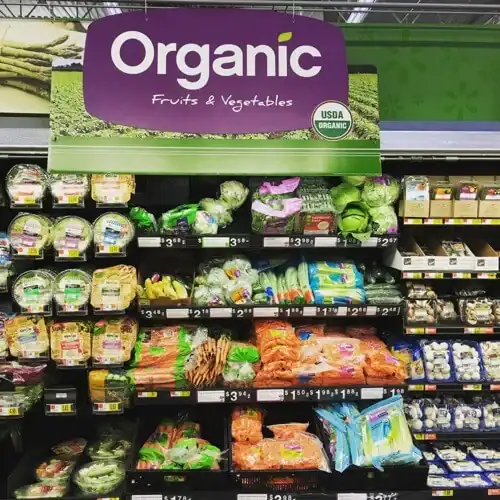
Many Walmart locations carry a selection of organic produce, though availability varies by store. If organic is a priority for you, check the EWG’s Dirty Dozen list to identify which fruits and vegetables are most worth buying organic — and use Walmart’s app to check what’s available at your local store before you go.
What should I avoid buying at Walmart for clean eating?
Steer clear of flavored instant oatmeal packets, most granola and protein bars, flavored yogurts, bottled salad dressings with soybean oil or added sugars, processed deli meats with nitrates, processed crackers & chips, and anything in the “health food” aisle that has a long ingredient list despite its healthy-sounding name. Front-of-package marketing can be misleading — always flip to the ingredient list.
Is Walmart brand clean?
Some Great Value products are excellent clean eating choices — their rolled oats, canned beans and tomatoes, frozen vegetables, and olive oil are all solid options with simple ingredient lists. Others are not.
Check out the Better Goods ‘made without’ label foods. Their milk, pasta, bone broth, pistachios, cream cheese, yogurt, quinoa tortilla chips, and dark chocolate mocha nut bars score excellent on the YUKA app. Remember, to always read the ingredient list and make your decision based on what’s actually in the food.
Want a printable version of this Walmart shopping list?
Subscribe to and get the free Walmart Clean Eating Shopping List PDF delivered straight to your inbox.
kelliannscheibe.com | @kelliannscheibe