Clean Eating and Gut Health: What the Science Really Says


Your Gut Is More Powerful Than You Think
Did you know you have roughly 100 trillion microorganisms living in your digestive tract right now? Bacteria, fungi, viruses, and other microbes — collectively called your gut microbiome — and they outnumber your own human cells by a ratio of about 1.3 to 1.
I’ve been a nurse for 37 years, and I have to tell you: the research that has emerged on the gut microbiome in the past decade is some of the most fascinating and important science I’ve seen in my entire career. What we now know about how the gut connects to weight, mood, immunity, inflammation, energy, and even brain function has completely transformed how I think about food.
The question I want to answer in this article is one I hear all the time: Does clean eating affect gut health? And if so, how? What does the science really say — not the wellness marketing, not the supplement ads, but the actual peer-reviewed research?
Let me break it down for you in plain English. No jargon, no hype. Just the science — and what it means for your plate.
Heads up — some links in this post are affiliate links, meaning I may earn a small commission if you shop through them, at no additional cost to you. I only recommend products I truly love and use myself.

| ⭐ FEATURED SNIPPET ANSWER Yes — clean eating directly improves gut health. Whole foods, particularly those high in fiber, polyphenols, and fermented foods, increase the diversity and abundance of beneficial gut bacteria. Ultra-processed foods do the opposite: they reduce microbial diversity, increase gut inflammation, and damage the intestinal lining. The science on this is clear, consistent, and growing stronger every year. |
What Is the Gut Microbiome — and Why Does It Matter?
Your gut microbiome is the vast community of microorganisms that lives primarily in your large intestine. Think of it as its own ecosystem — one that is constantly interacting with your immune system, your nervous system, your hormones, and every major organ in your body.
Here’s what makes it remarkable: your gut microbiome isn’t just involved in digestion. Research now links it to:
- Immune function — approximately 70% of your immune system is housed in and around your gut
- Mental health — the gut produces around 90% of your body’s serotonin, your primary mood-regulating neurotransmitter
- Weight regulation — gut bacteria influence how many calories you extract from food and how fat is stored
- Inflammation — the microbiome plays a central role in controlling systemic inflammatory responses
- Hormonal balance — gut bacteria help metabolize and clear estrogen and other hormones
- Brain function — the gut-brain axis is a two-way communication highway that influences cognition, mood, and stress response
The most important word in gut microbiome research is diversity. A diverse microbiome — one with many different species of bacteria — is strongly associated with better health outcomes across nearly every system in the body. A less diverse microbiome is associated with obesity, depression, autoimmune conditions, and chronic disease.
And what is the single biggest driver of gut microbiome diversity? Diet. Specifically, the variety and quality of the food you eat.
What the Research Actually Shows About Clean Eating and Gut Health
Let’s talk about the science — because it’s genuinely compelling, and I think once you understand it, clean eating stops feeling like a choice and starts feeling like an obvious answer.
Fiber Is the Most Important Factor
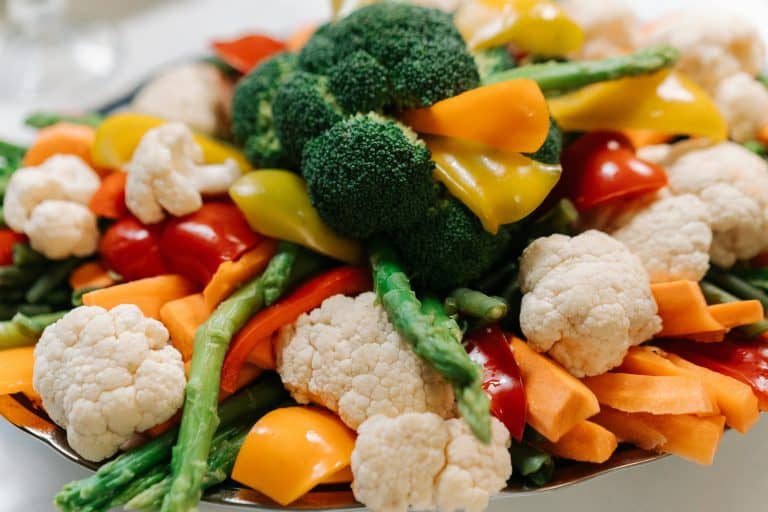
The research is unambiguous on this: dietary fiber is the primary fuel for beneficial gut bacteria. Specifically, prebiotic fiber — found in foods like onions, garlic, leeks, asparagus, oats, bananas, and legumes — feeds the Bifidobacterium and Lactobacillus species that are consistently associated with good health.
A landmark study published in the journal Cell, led by researchers at Stanford University, found that a high-fiber diet significantly increased microbiome-encoded carbohydrate-active enzymes — essentially, it gave gut bacteria more tools to do their work. The researchers also found that the longer and more consistently participants ate a high-fiber diet, the greater the benefit.
The average American eats about 15 grams of fiber per day. The recommended amount is 25–38 grams. Most clean eaters, eating plenty of vegetables, legumes, and whole grains, naturally get to or beyond that range without counting a thing.

Fermented Foods Increase Microbial Diversity
In 2021, researchers at Stanford published a study in the journal Cell comparing a high-fiber diet to a high-fermented-food diet in terms of effects on the gut microbiome. The results were striking: the fermented food group showed significantly greater increases in microbiome diversity and decreases in inflammatory proteins — including 19 different inflammatory markers.
Fermented foods — yogurt, kefir, kimchi, sauerkraut, kombucha, miso, and tempeh — are living foods. They contain active cultures of beneficial bacteria that, when eaten regularly, directly add to your gut’s microbial population and support a healthier immune response.
This is real, peer-reviewed science. Not a wellness trend. Not a supplement company’s claim. Actual controlled research showing that eating fermented whole foods measurably improves gut health markers.
Polyphenols Feed Beneficial Bacteria
Polyphenols are plant compounds found in colorful fruits and vegetables, berries, olive oil, dark chocolate, green tea, and red wine. They’re the reason certain whole foods have such powerful antioxidant and anti-inflammatory properties — and they do something very specific in the gut: they selectively feed beneficial bacteria strains while inhibiting the growth of harmful ones.
Research shows that polyphenol-rich diets are associated with higher populations of Akkermansia muciniphila — a bacteria species linked to reduced gut inflammation, improved metabolic health, and even better weight management. You don’t need to know the scientific name. You need to know that eating more colorful, whole foods directly feeds the bacteria that protect your gut lining and reduce inflammation.
Ultra-Processed Foods Actively Damage the Gut
This is the piece most people don’t fully appreciate: ultra-processed foods don’t just fail to nourish your gut — they actively harm it.
Research has linked ultra-processed food consumption to:
- Reduced gut microbiome diversity — fewer bacterial species, less functional resilience
- Increased gut permeability — sometimes called ‘leaky gut,‘ where the tight junctions between intestinal cells loosen, allowing bacteria and toxins to pass into the bloodstream
- Increased inflammatory markers — including elevated cytokines linked to chronic disease
- Disruption of the gut’s mucus layer, which serves as a protective barrier between gut bacteria and the intestinal wall
The emulsifiers, artificial sweeteners, refined oils, and additives found in ultra-processed foods appear to be particularly problematic. Studies on emulsifiers like carboxymethylcellulose (found in many packaged foods) have shown they directly alter gut bacteria composition and increase gut inflammation in animal models — with human studies supporting similar concerns.
| 💡 NURSE’S NOTE One thing I want to highlight here: the gut microbiome field is still young. Not every claim you’ll read on a wellness blog — or even some supplement labels — is backed by solid human research. What IS solidly supported is this: diversity of whole plant foods, eating fermented food, and removing ultra-processed foods measurably improve gut microbiome health. The rest — specific probiotic strains, ‘gut healing’ supplements, and detox protocols — require much more scrutiny. As a nurse, I always say, food first. Always food first. |
Exactly How Clean Eating Supports Your Gut
Probably not — if you’re consistently eating fermented whole foods and a high-fiber diet. Probiotic supplements can be helpful in specific circumstances (after antibiotic use, for certain digestive conditions). Research suggests that dietary sources of probiotics and prebiotics are more effective at sustainably shifting microbiome composition than supplements alone. The gut environment you create through food determines whether any probiotic — from food or supplement — can survive and thrive. Food first, always. Check with your health care provider for recommendations on supplements.
Now let’s make this practical. Here’s what happens to your gut specifically when you shift to a clean eating approach:
You Dramatically Increase Fiber Intake
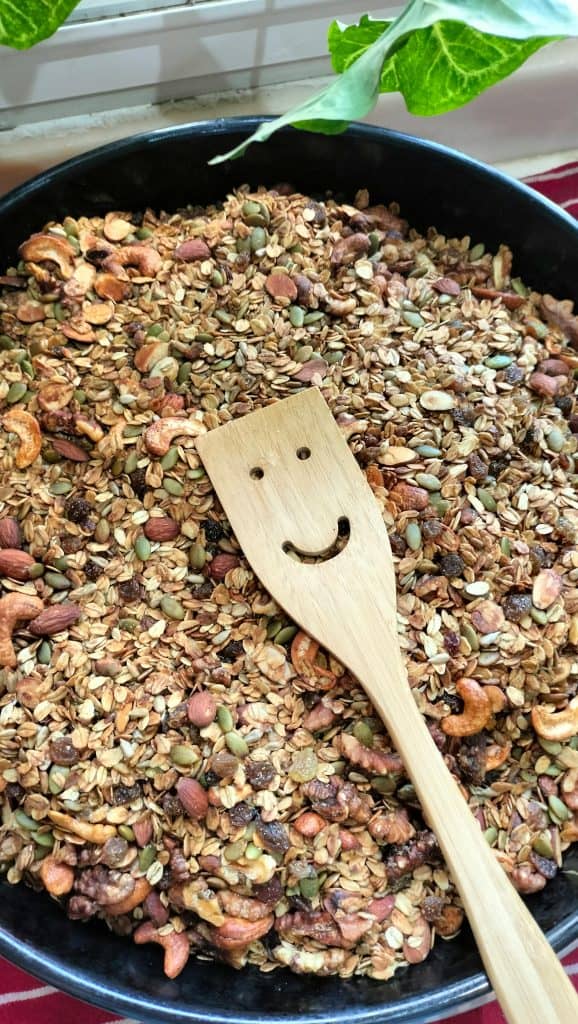
Switching from a processed-food-heavy diet to one built on vegetables, legumes, whole grains, and fruit can easily double or triple your daily fiber intake. This single change — more than almost any other dietary intervention — is what most meaningfully shifts gut microbiome composition. More fiber means more food for beneficial bacteria, more short-chain fatty acids (which protect the gut lining and reduce inflammation), and a more diverse, resilient microbiome. Measure your current fiber intake, aim for 25g-35g per day for women (more for men), and increase slowly.
You Remove the Foods That Cause Gut Dysbiosis
Gut dysbiosis means an imbalance in your gut microbiome — too many harmful bacteria, not enough beneficial ones. Ultra-processed foods are a primary driver of dysbiosis. When you remove them and replace them with whole foods, you’re not just adding good things — you’re removing active disruptors. That combination is far more powerful than either change alone.
You Add Naturally Probiotic and Prebiotic Foods
Clean eating naturally incorporates both probiotics (live beneficial bacteria, from fermented foods) and prebiotics (the fiber that feeds beneficial bacteria). Together, these work synergistically — the prebiotics feed the probiotics and help them survive and thrive in your gut environment. This is far more effective than taking a probiotic supplement without changing your diet, because a supplement drops bacteria into an environment that may not support their survival.
You Reduce Gut Inflammation
The anti-inflammatory foods at the core of clean eating — fatty fish, olive oil, berries, leafy greens, turmeric, ginger — directly lower inflammatory markers in the gut. Chronic gut inflammation is at the root of irritable bowel syndrome, inflammatory bowel disease, and leaky gut and is increasingly linked to mental health conditions. Reducing gut inflammation through diet is one of the most evidence-backed interventions we have.
You Support the Gut-Brain Axis
Your gut and brain communicate constantly through the vagus nerve, the enteric nervous system, and various hormonal and immune signals. When your gut microbiome is diverse and well-fed, this communication runs clearly. When it’s disrupted, the signals get noisy — contributing to mood instability, anxiety, brain fog, and poor sleep. Clean eating, by improving gut health, improves your neurological and emotional well-being. I’ve written a full article on the gut-brain connection if you want to go deeper.

The Best Foods for Your Gut — Backed by Science
Here’s your practical reference. These are the whole foods with the strongest research support for gut microbiome health:
| Category | Best Food Sources | What They Do for Your Gut |
| Prebiotic Fiber | Garlic, onions, leeks, asparagus, oats, bananas, Jerusalem artichokes, chicory root | Feed and multiply beneficial Bifidobacterium and Lactobacillus species |
| Fermented Foods | Plain yogurt, kefir, kimchi, sauerkraut, tempeh, miso, kombucha, natto | Directly add live beneficial bacteria; shown to increase microbiome diversity and reduce inflammation |
| Polyphenol-Rich Foods | Blueberries, raspberries, dark chocolate, olive oil, green tea, red grapes, pomegranate | Selectively feed beneficial bacteria; inhibit harmful strains; feed Akkermansia muciniphila |
| High-Fiber Vegetables | Broccoli, Brussels sprouts, artichokes, sweet potato, carrots, leafy greens, peas | Provide diverse fiber types that feed a wider range of bacterial species |
| Legumes | Lentils, black beans, chickpeas, kidney beans, edamame | Among the highest prebiotic fiber foods; strongly linked to microbiome diversity |
| Whole Grains | Oats, quinoa, brown rice, barley, whole wheat, buckwheat | Provide both soluble and insoluble fiber; beta-glucan in oats particularly beneficial |
| Omega-3 Rich Foods | Salmon, sardines, mackerel, walnuts, flaxseed, chia seeds | Reduce gut inflammation; support the gut mucosal lining; linked to greater microbial diversity |
| Colorful Fruits | Apples, pears, berries, citrus, kiwi, mango | Pectin and other fibers feed beneficial bacteria; antioxidants reduce gut oxidative stress |

The Worst Foods for Your Gut — And Why
Equally important is understanding what to pull back on. These foods have the most consistent evidence for harming gut microbiome health:
| Food / Ingredient | How It Harms Your Gut |
| Artificial sweeteners (sucralose, saccharin, aspartame) | Research shows they alter gut bacteria composition and reduce microbiome diversity — even without calories |
| Emulsifiers (carboxymethylcellulose, polysorbate-80) | Found in many packaged foods; shown in studies to disrupt mucus layer and increase gut inflammation |
| Refined sugar and high-fructose corn syrup | Feeds harmful bacteria and yeast; drives gut dysbiosis; promotes leaky gut over time |
| Ultra-processed seed oils (refined soybean, canola, corn oil) | Pro-inflammatory; alter gut bacteria composition; associated with increased gut permeability |
| Excess alcohol | Directly toxic to gut bacteria; increases intestinal permeability; shown to alter microbiome composition |
| Refined grains (white bread, white rice, regular pasta) | Rapidly fermented in the gut with limited fiber benefit; lacks the prebiotic activity of whole grain counterparts |
| Processed meats | High intake associated with reduced gut microbiome diversity; processed meats contain additives that further impact gut bacteria |
Signs Your Gut Health May Need Support
Your gut communicates with you in ways that go well beyond digestion. Here are the signs that gut health may be a factor:
- Chronic bloating, gas, or discomfort after eating — especially after meals containing certain carbohydrates
- Irregular bowel habits — constipation, loose stools, or alternating between both
- Frequent fatigue that isn’t explained by sleep or activity level
- Mood instability, anxiety, or low mood — especially if it doesn’t have a clear external cause
- Brain fog, difficulty concentrating, or poor memory
- Frequent colds or infections — a signal that the immune system may be compromised
- Skin issues, including eczema, acne, rosacea, or chronic dryness
- Food sensitivities that seem to be increasing over time
- Cravings for sugar and processed foods that feel compulsive and difficult to control
- Autoimmune symptoms or unexplained inflammation
If several of these resonate, it doesn’t mean something is seriously wrong — but it does mean your gut microbiome is worth paying close attention to. And the most powerful first step is always diet.
For a practical timeline of what to expect as gut health improves with clean eating, see my article: How Long Before You See Results From Clean Eating?

How to Start Supporting Your Gut Through Clean Eating
You don’t need a gut health protocol or an expensive supplement routine. Here’s the evidence-based starting point:
- Add one fermented food daily. Plain Greek yogurt at breakfast, a spoonful of kimchi with dinner, or a small glass of kefir. Consistency matters more than quantity here.
- Eat 30 different plant foods per week. This sounds like a lot, but it’s easier than you think — every different vegetable, fruit, legume, grain, nut, seed, and herb counts. Research suggests 30 plant food varieties per week is associated with significantly greater microbiome diversity.
- Prioritize prebiotic foods. Make garlic, onions, oats, and legumes staples in your kitchen. These are the most powerful fuels for your beneficial bacteria.
- Remove the biggest gut disruptors first. Artificial sweeteners, emulsifier-heavy packaged foods, and excess refined sugar are your highest-priority targets. Read labels with this lens.
- Eat the rainbow. The wider the variety of colors on your plate, the wider the variety of polyphenols feeding your gut bacteria. Aim for at least three different colors at every meal.
- Stay hydrated. Water supports the gut’s mucus layer and helps fiber do its job. Many people are chronically mildly dehydrated, which slows the entire digestive process.
- Be patient with the timeline. Meaningful gut microbiome changes take weeks to months of consistent eating.

FAQs — Clean Eating and Gut Health
Do I need to take probiotic supplements if I’m eating clean?
What is leaky gut, and can clean eating help?
Leaky gut, or increased intestinal permeability, refers to a condition in which the tight junctions between intestinal cells loosen, allowing bacteria, toxins, and partially digested food particles to pass into the bloodstream. This triggers systemic immune responses and is linked to autoimmune conditions, chronic inflammation, and other health issues. Clean eating helps by removing the dietary drivers of gut permeability (emulsifiers, refined sugars, excess alcohol) and adding foods that support the gut mucosal lining — particularly omega-3 fatty acids, glutamine-rich foods, and the short-chain fatty acids produced by fiber fermentation.
How long does it take to improve gut health with diet?
Research shows that the composition of gut bacteria can begin to shift within a few days of dietary changes. Meaningful, measurable improvements in microbiome diversity and inflammatory markers have been demonstrated in studies conducted within 2 to 8 weeks of sustained dietary change. Full restoration of a significantly disrupted microbiome can take several months. The key is consistency — every day of clean eating is contributing to the ecosystem shift, even when you can’t feel it yet.
Can gut health affect my weight?
Yes — and significantly. Certain gut bacteria are more efficient at extracting energy from food, meaning people with specific microbiome profiles may absorb more calories from the same meal than people with different profiles. Gut bacteria also influence hunger hormones like leptin and ghrelin, inflammatory markers that affect fat storage, and insulin sensitivity. This is an active area of research, but what’s already clear is that a diverse, healthy gut microbiome supports better metabolic health and weight management. For more on the weight loss side, see my article: Can Clean Eating Help You Lose Weight Without Counting Calories?
Is the gut microbiome the same for everyone?
No — your gut microbiome is as unique as your fingerprint, shaped by your birth method, infant feeding, antibiotic history, geographic location, stress history, and of course, your lifelong diet. This is actually why the research in this space is so complex — there’s no single ‘ideal’ microbiome. What is consistent across the research is that diversity is protective, and that whole-food, plant-rich diets produce more diverse, healthier microbiomes than ultra-processed diets, regardless of the specific individual.
| Feed Your Gut. Transform Your Health. My How to Start Clean Eating: Complete Beginner’s Guide 2026 is built around the exact foods science shows support a thriving gut microbiome — with variety, fiber, fermented foods, and plenty of color built right in. → Get the Meal Plan at kelliannscheibe.com Save this article · Follow @kelliannscheibe on Instagram |