Clean Eating vs Paleo: Why You Can (and Should) Do Both

Is Paleo the Same as Clean Eating?
I get this question all the time — and I love it! ‘KelliAnn, I want to start eating cleaner, but my friend swears by paleo. Are they the same thing? Do I have to pick one?’ Here’s my honest answer as a nurse with 37 years of clinical experience: clean eating and paleo are not the same thing, but they have SO much beautiful overlap that you absolutely can do both at the same time. In fact, when you combine the two, you might just create the healthiest version of your eating life yet.
Let’s dig in!
Heads up — some links in this post are affiliate links, meaning I may earn a small commission if you shop through them, at no additional cost to you. I only recommend products I truly love and use myself.
What Is Clean Eating, Exactly?
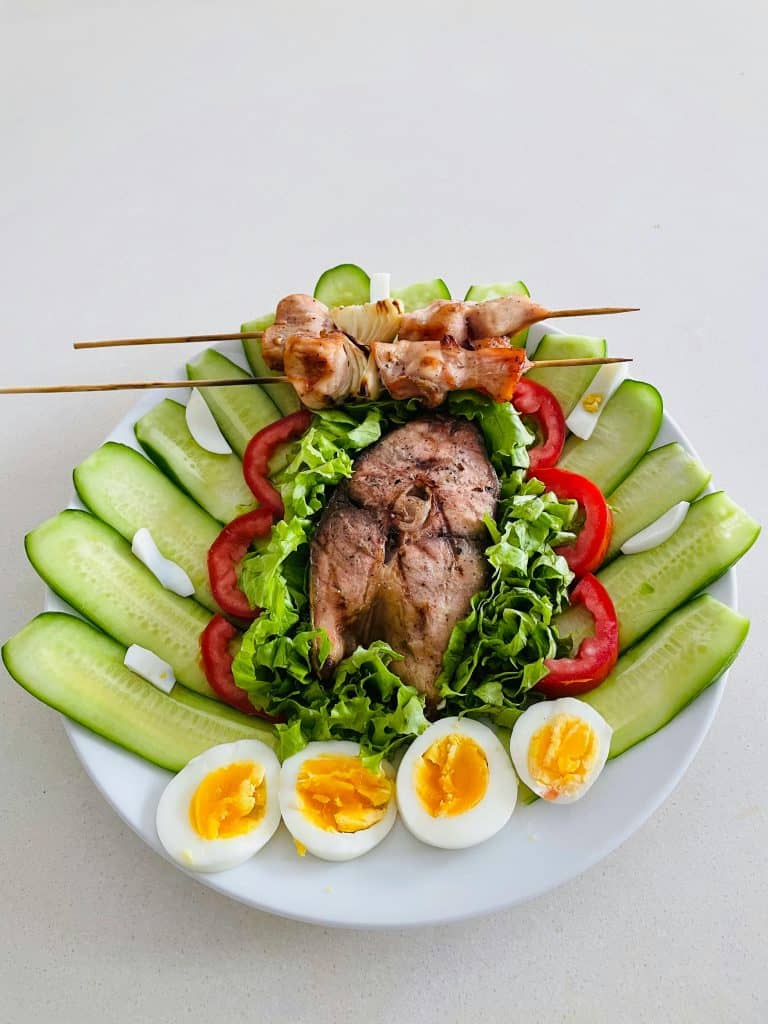
Clean eating isn’t a diet. I want to say that again because it matters: clean eating is NOT a diet. It’s a food philosophy. It’s the decision to choose whole, real, minimally processed foods as the foundation of your daily eating — as often as you can, without guilt, and without perfection.
I teach clean eating through the lens of the 80/20 rule. That means 80% of the time, you’re choosing the cleanest, most nourishing options available. And the other 20%? You live your life. You enjoy the birthday cake. You don’t stress about the dinner you didn’t prep.
One of my favorite clean eating shortcuts is what I call the grandmother ingredient test. If your grandmother wouldn’t recognize an ingredient on that label, it probably doesn’t belong in your cart. Simple as that.
💡 Clean eating is flexible, budget-friendly, and sustainable for life.
What Is the Paleo Diet?
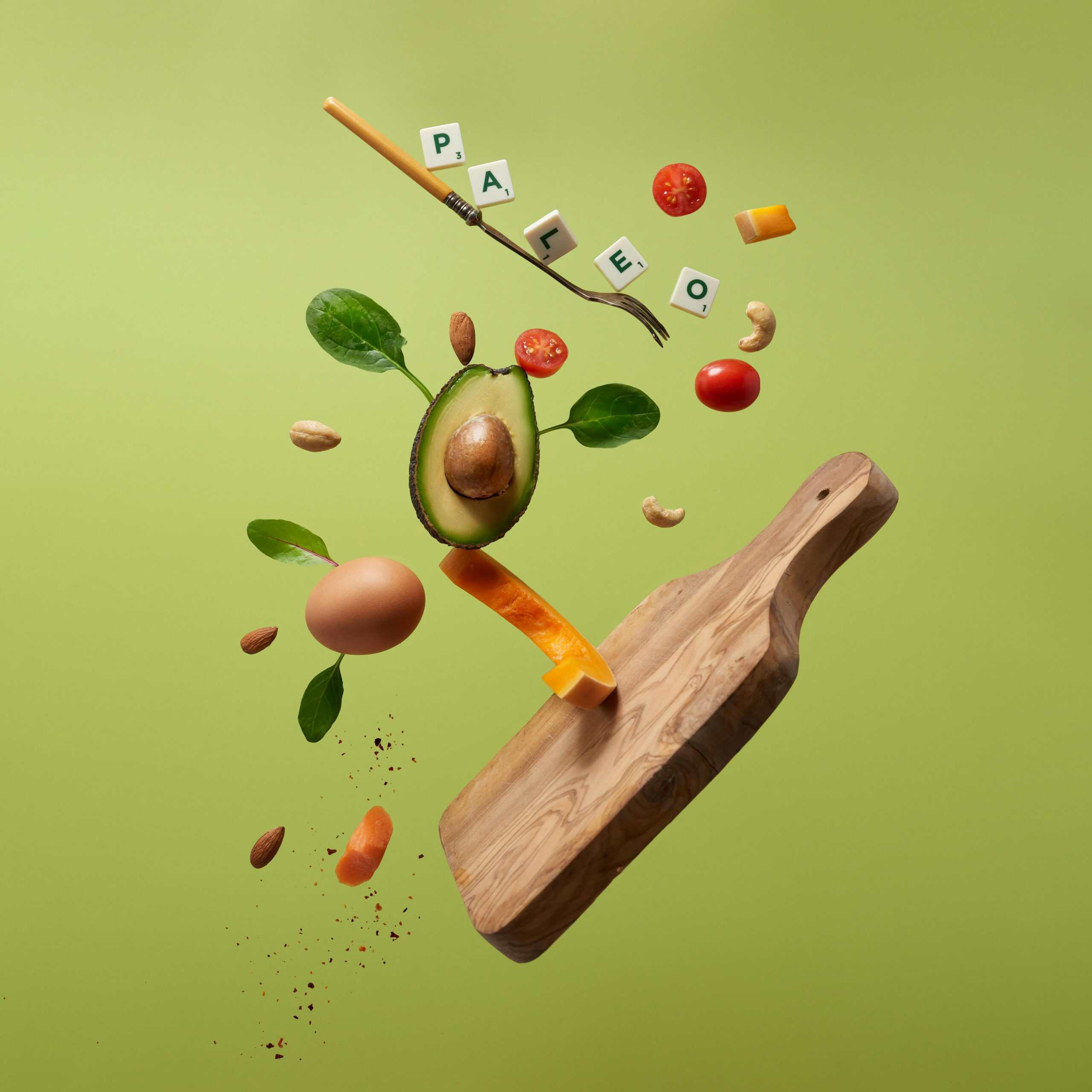
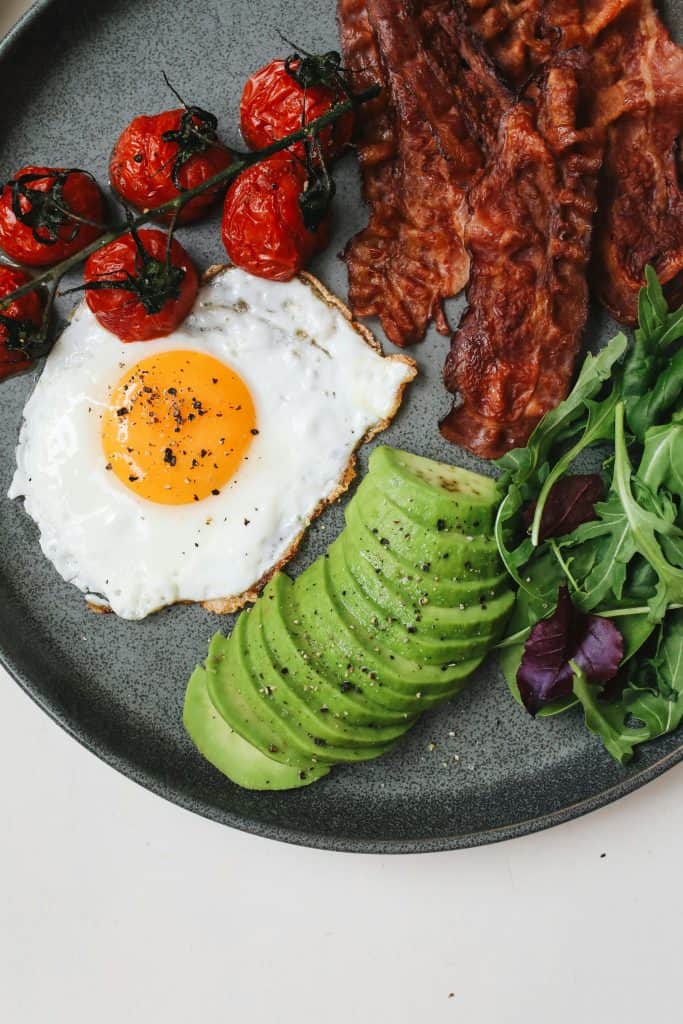
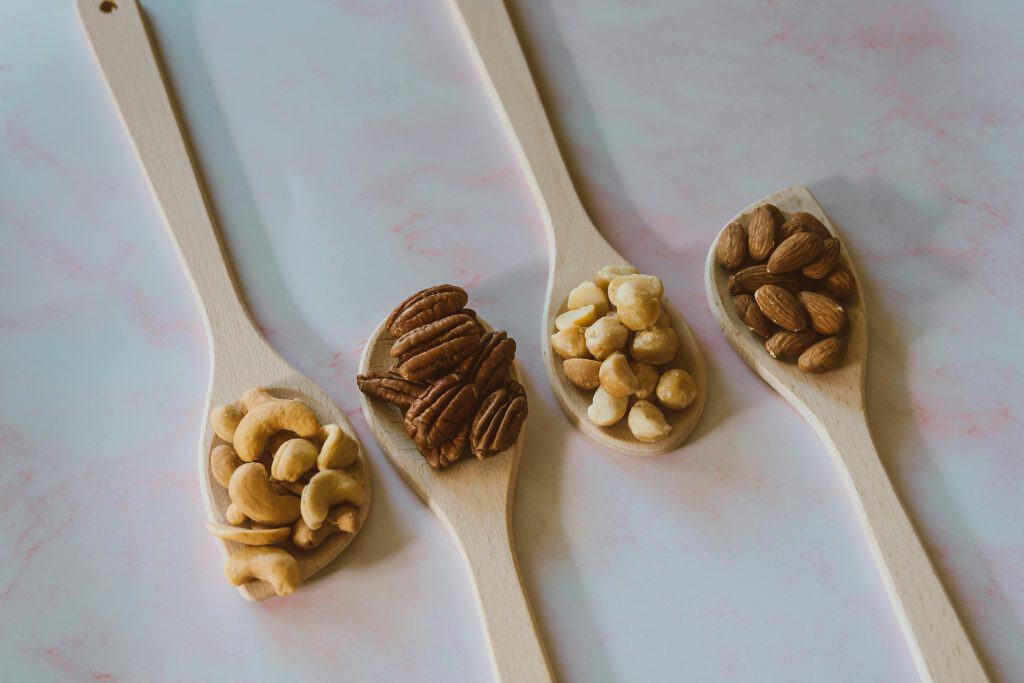
The paleo diet — short for Paleolithic — is based on the idea of eating the way our ancestors did before agriculture changed everything. Think hunter-gatherer eating: meat, fish, eggs, vegetables, fruits, nuts, and seeds. That’s essentially the paleo food list.
What paleo eliminates matters as much as what it includes. On a paleo diet, you remove all grains (yes, even whole grains), all legumes (including beans and peanuts), all dairy products, refined sugar, and processed foods of any kind. The idea is that these foods are either newer to the human diet or inflammatory for many people.
Dr. Loren Cordain and his research team largely popularized the paleo diet, and it has a strong following because people genuinely feel amazing when they eat this way. More energy, less bloating, clearer skin — these are the kinds of results that keep people paleo for life.
Clean Eating vs Paleo: What They Have in Common
Here’s where it gets exciting — because the overlaps between clean eating and paleo are significant. Both approaches:
- Prioritize whole, real, unprocessed foods above everything else
- Eliminate refined sugar, artificial additives, and chemical preservatives
- Encourage cooking at home with recognizable ingredients
- Support reduced inflammation and improved energy levels
- Push you to read ingredient labels and think critically about what’s in your food
When you look at this list, it’s easy to see why so many people who follow paleo also identify as clean eaters. The foundations are virtually identical.
Where Clean Eating and Paleo Actually Differ
Okay, so they’re not the same thing — here’s where they part ways.
Clean eating allows clean whole grains like quinoa, oats, and brown rice. Paleo says no grains, period. Clean eating allows high-quality dairy like plain Greek yogurt and real cheese. Paleo says no dairy at all. Clean eating embraces legumes — think lentils, black beans, chickpeas — as clean, affordable plant proteins. Paleo eliminates them.
The other big difference? Flexibility. Clean eating is built on the 80/20 principle, which means there’s room for grace. Paleo has clearer-cut rules about food groups. One approach is a lifestyle philosophy; the other is a specific dietary protocol.
Neither is wrong! They just serve different purposes and suit different people.
So Can You Do Clean Eating AND Paleo at the Same Time?
Absolutely, yes — and here’s exactly how.
The key is to follow the paleo food list AND apply clean eating principles to every choice within that list. What does that mean in practice?
- Choose grass-fed, pasture-raised meats whenever possible
- Opt for wild-caught fish over farmed for better nutrient profiles
- Buy organic produce when you can, especially the Dirty Dozen
- Skip the paleo-labeled packaged snacks — many are just junk food in disguise
- Read every label, even on ‘paleo-approved’ products
This is what I call clean paleo. You’re honoring the paleo food framework while keeping your clean eating standards front and center. Food quality matters just as much as the food category.
| Clean Eating | Paleo | |
| Core Approach | A flexible food philosophy built on the 80/20 rule — whole, minimally processed foods most of the time. Progress over perfection – Grace is built in. | A strict ancestral protocol – specific food groups removed. Food category is the primary filter; all-or-nothing rules during practice. |
| Foods Allowed | Whole grains, legumes, high-quality dairy, lean proteins, fruits & vegetables, healthy fats | Meat, fish, eggs, vegetables, fruits, nuts & seeds. NO grains, legumes, or dairy |
| What They Share | Both prioritize whole, real food and eliminate refined sugar, artificial additives, and processed ingredients. Both encourage cooking at home & reading ingredient labels. Both support reduced inflammation & stable energy. | |
| Practical Details | Very budget-friendly, beginner-friendly, and a lifelong sustainable lifestyle. Grandmother ingredient test; room for grace within the 20% | Can be costly – relying on quality meats. Requires eliminating familiar staples. Sustainable for motivated individuals. Clearer-cut rules about entire food groups; less built-in flexibility |
| Best when you want to | Build lasting real-food habits, eat flexibly without strict rules, keep the budget manageable, include whole grains & legumes, start your healthy eating journey. Anyone wanting a sustainable, lifelong way of eating without rigid rules. | Eliminate grains & dairy. Reduce inflammation aggressively, identify grain/legume sensitivities, follow a structured whole-food protocol, and prioritize ancestral eating patterns. |
A Sample Day of Clean Paleo Eating
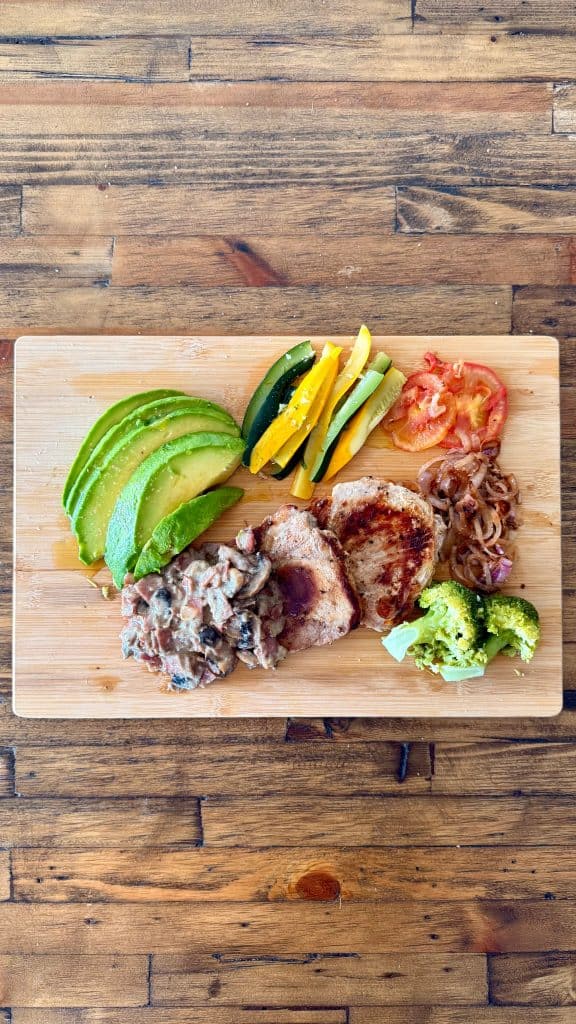
Want to see what a day of clean paleo eating looks like? Here’s a simple example:
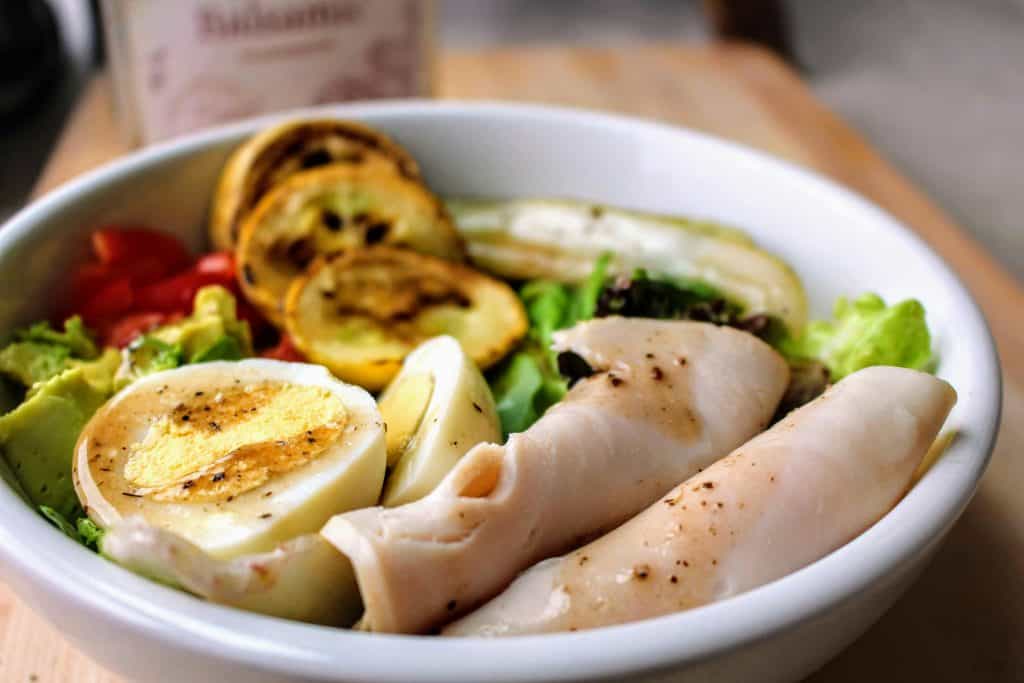
- Breakfast: 3 pasture-raised eggs scrambled with sautéed spinach, mushrooms, and half an avocado
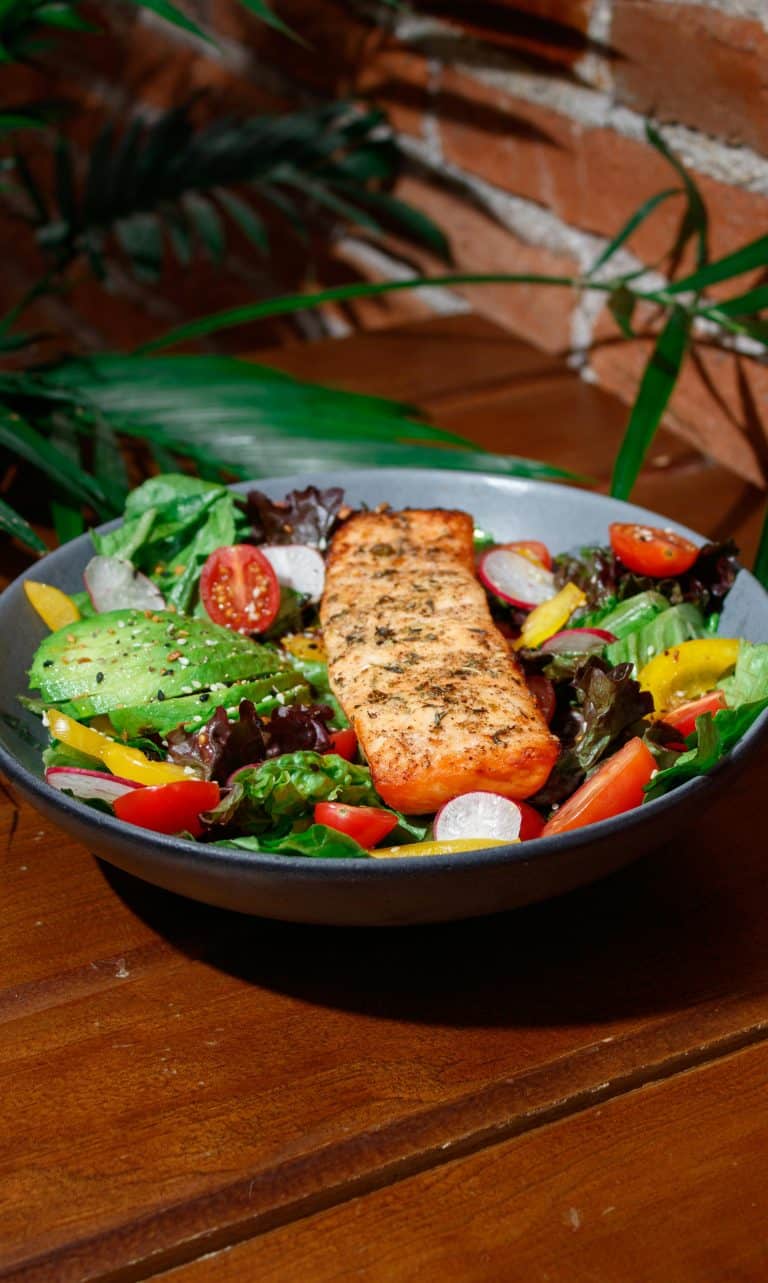
- Lunch: big salad with grilled wild-caught salmon, cucumber, cherry tomatoes, olive oil, and lemon
- Dinner: grass-fed beef stir-fry with zucchini noodles, broccoli, and coconut aminos
- Snacks: apple slices with almond butter, raw veggies with guacamole, or a small handful of mixed nuts
Notice anything? Every single ingredient is whole, real, and recognizable. Grandma would absolutely approve. This is clean eating AND paleo living in perfect harmony.
💡 Grab my free Clean Eating Grocery List at kelliannscheibe.com to stock your kitchen with the best clean paleo staples!
Is a Clean Paleo Diet Right for You?
A clean paleo approach is a wonderful option if you’re sensitive to grains or dairy, dealing with chronic inflammation, or want to eat a very nutrient-dense, whole-food diet. It’s also a great fit if you’ve been frustrated with more restrictive diets and want something that’s genuinely based on real food.
That said — and I mean this as your nurse friend — you don’t have to go fully paleo to eat clean. Some of my healthiest eating clients include high-quality whole grains and legumes in their diets. The goal is always real food, not rigid rules.
Start where you are. Add one more real food to your plate today. That’s how the Nourish & Thrive approach works — progress over perfection, every single time.
Final Thoughts: Clean Eating and Paleo Are Partners, Not Rivals
Here’s the bottom line: clean eating and paleo are two paths heading toward the same beautiful destination — a healthier, more energized, more nourished version of you. They don’t compete with each other. They complement each other.
Whether you go full paleo, paleo-ish, or simply use paleo principles as a guide within your broader clean eating lifestyle, you’re making powerful choices for your health. And that’s something to celebrate!
Ready to get started? Head over to kelliannscheibe.com for my free Clean Eating Grocery List, meal prep tips, and everything else you need to build your best clean eating life. You’ve got this!