Clean Eating vs Processed Food: The Powerful Science Behind What You Eat

Introduction
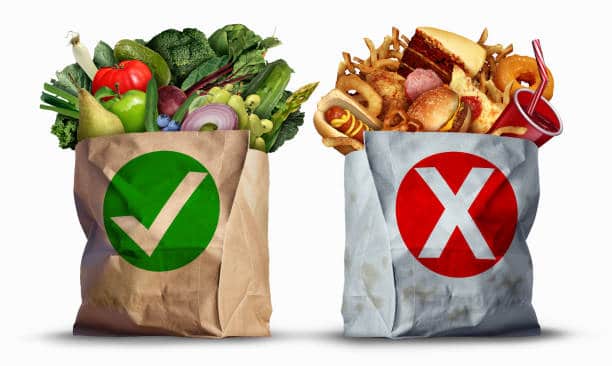
In today’s convenience-driven world, it’s easy to reach for foods that come in boxes, bottles, or bags. But while processed foods can save time, they often come with a cost — to our health, energy, and long-term well-being. Clean eating, on the other hand, emphasizes foods close to their natural state. The goal isn’t perfection, but balance — fueling your body with nutrient-rich whole foods that support how you feel, think, and live.
Let’s explore the science behind clean eating, how to spot hidden ingredients in processed foods, what your macronutrients and micronutrients do for you, and how gut health can influence your mood and brain function.
The Science Behind Clean Eating
Clean eating is not about restriction — it’s about nourishment. It focuses on whole, minimally processed foods like fruits, vegetables, whole grains, lean proteins, legumes, nuts, and healthy fats.
Scientific studies have consistently shown that diets high in ultra-processed foods (UPFs) are linked to obesity, heart disease, type 2 diabetes, and even depression. A 2024 umbrella review in The BMJ pooled 45 meta-analyses covering nearly 10 million people and found that higher UPF consumption was linked to 32 adverse health outcomes, including a significantly higher risk of cardiovascular disease and all-cause mortality. A follow-up study published in The Lancet in January 2025 tracked over 428,000 people across nine European countries and found the same pattern—higher UPF intake was associated with a greater risk of death from cardiovascular and digestive disease.
Processing often:
- Strips away natural fiber, vitamins, and minerals
- Adds excess sugar, sodium, and unhealthy fats
- Alters the way your body metabolizes and stores nutrients
Whole foods, on the other hand:
- Stabilize blood sugar and energy levels
- Support gut health through natural fiber and prebiotics
- Provide antioxidants that fight inflammation
Macronutrients: The Foundation of Clean Eating
Macronutrients — protein, carbohydrates, and fats — are the building blocks of your diet. In clean eating, the goal is to choose the highest-quality sources of each.
🥩 Protein: The Builder
Protein provides the amino acids your body needs to build and repair tissues, produce enzymes, and maintain muscle mass.
Clean sources:
- Lean meats (chicken, turkey, fish)
- Eggs
- Legumes (lentils, chickpeas, beans)
- Tofu, tempeh, and edamame
- Greek yogurt and cottage cheese
Protein also increases satiety, helping you feel full longer and stabilize blood sugar. A balanced clean-eating diet typically includes 20–30% of calories from protein, depending on activity level.
🌾 Carbohydrates: The Energy Source
Carbs are the body’s preferred energy source, especially for the brain and muscles. The key is choosing complex carbohydrates that digest slowly and contain fiber, vitamins, and minerals.
Clean sources:
- Whole grains (quinoa, oats, brown rice)
- Starchy vegetables (sweet potatoes, squash)
- Fruits and legumes
Refined carbs — like white bread, pastries, and sugary cereals — spike blood sugar and contribute to inflammation. Clean carbohydrates should make up 40–50% of total calories, focusing on fiber-rich, nutrient-dense options.
🥑 Fats: The Hormone and Brain Fuel
Healthy fats are essential for hormone regulation, nutrient absorption, and brain function.
Clean sources:
- Avocados and olives
- Nuts and seeds
- Fatty fish (salmon, sardines)
- Cold-pressed oils (olive, avocado, flaxseed)
Avoid trans fats and limit refined vegetable oils often used in processed snacks. Ideally, 25–35% of your calories should come from healthy fats.
Micronutrients: The Unsung Heroes Of Optimal Health
While macronutrients provide energy, micronutrients — vitamins and minerals — are what keep your cells functioning properly. They don’t provide calories but are essential for nearly every process in your body.
Key roles of micronutrients:
- Immune support: Vitamin C, zinc, and selenium protect against illness.
- Bone health: Calcium, magnesium, and vitamin D strengthen bones and teeth.
- Energy metabolism: B vitamins help convert food into usable energy.
- Antioxidant defense: Vitamins A, C, and E combat oxidative stress that accelerates aging and disease.
- Nervous system health: Iron, folate, and vitamin B12 are crucial for red blood cell and brain function.
Clean, whole foods — especially colorful fruits and vegetables — are naturally rich in these micronutrients. In contrast, many processed foods are fortified artificially, but lack the synergy that comes from nutrients working together as they do in real food.
The Gut-Brain Connection: Why Clean Eating Affects More than Your Stomach
Emerging research shows that the gut and brain are deeply connected through the gut-brain axis, a two-way communication network between the digestive system and the central nervous system.
Your gut contains trillions of microorganisms — collectively called the microbiome — that influence mood, memory, and cognition. When your gut bacteria are in balance, they produce neurotransmitters like serotonin, dopamine, and GABA, which directly affect how you feel.
How processed foods disrupt the gut-brain connection:
- High sugar intake feeds harmful bacteria and yeasts.
- Artificial additives can damage the intestinal lining.
- Low fiber intake starves beneficial microbes.
How clean foods support it:
- High-fiber foods (beans, oats, leafy greens) nourish beneficial bacteria.
- Fermented foods (yogurt, kimchi, sauerkraut) introduce healthy probiotics.
- Polyphenols in fruits, vegetables, and olive oil act as prebiotics — “food” for good bacteria.
This is especially worth keeping in mind as October rolls in — between Halloween candy bowls, game-day snacking, and the first stretch of the holiday season, processed food temptations start showing up everywhere at once. You don’t have to avoid any of it. Just remember that your gut bacteria are listening to what you feed them most of the time, not what you eat at one Halloween party.
A healthy gut supports a calm mind, better focus, and even improved sleep. This is why eating clean isn’t just about looking good — it’s about feeling good from the inside out.
Spotting Hidden Ingredients in ‘Healthy’ Processed Foods
Even foods marketed as “natural” or “fit” can hide harmful ingredients. Labels can be tricky, but once you know what to look for, you can make smarter choices.
Red Flags to Watch Out For:
- Added sugars: Watch for words like cane syrup, dextrose, agave nectar, and maltose.
- Refined oils: Often listed as soybean, corn, or canola oil — these can increase inflammation.
- Artificial or “natural” flavors: These are lab-derived and can disrupt taste perception.
- Preservatives and stabilizers: Sodium nitrite, BHT, and carrageenan can irritate the gut.
- Long ingredient lists: More than 5–7 ingredients usually means heavy processing.
A good rule of thumb: if it wouldn’t exist in your grandmother’s kitchen, it probably isn’t clean food. And when it comes to produce specifically, my Clean 15 and Dirty Dozen: 2026 Guide breaks down exactly which fruits and vegetables are worth buying organic.
5 Practical Tips to Make Clean Eating Easier
Shop the perimeter of the store.
Stick to produce, lean proteins, and fresh items — most processed foods live in the center aisles.
Prep once, eat all week.
Cook grains, proteins, and veggies in batches so healthy meals are ready when life gets busy.
Start small.
Replace one processed meal or snack at a time. Gradual change builds lasting habits. Not sure how long it takes to actually feel the difference? I break that down in How Long to See Results from Clean Eating.
Hydrate smartly.
Many “healthy” drinks are loaded with sugar. Choose water, herbal tea, or fruit-infused water.
Practice mindful balance.
Clean eating isn’t about deprivation. It’s okay to enjoy your favorite processed treat occasionally — just make it the exception, not the rule.
The Bottom Line – Conclusion
Clean eating is not a trend — it’s a sustainable way to support your body’s natural systems. By focusing on whole foods, understanding what your body truly needs, and maintaining a healthy gut, you can boost your energy, improve your mood, and reduce your risk of chronic disease.
When you feed your body real food, you’re also feeding your brain, your microbiome, and your long-term health. If cost is holding you back, my Cheap Clean Eating: 25 Best Affordable Whole Foods to Buy guide proves clean eating doesn’t have to cost more.
Eat close to nature. Read your labels. And let every meal be an act of self-care. Let’s nourish and thrive together!