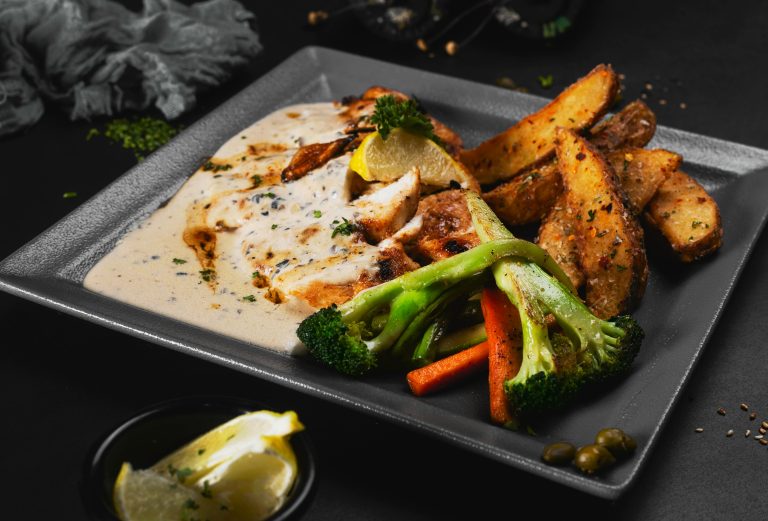
Shake It Up: The Complete Clean Eating Spice Guide (Plus the Storage Secrets That Actually Work)

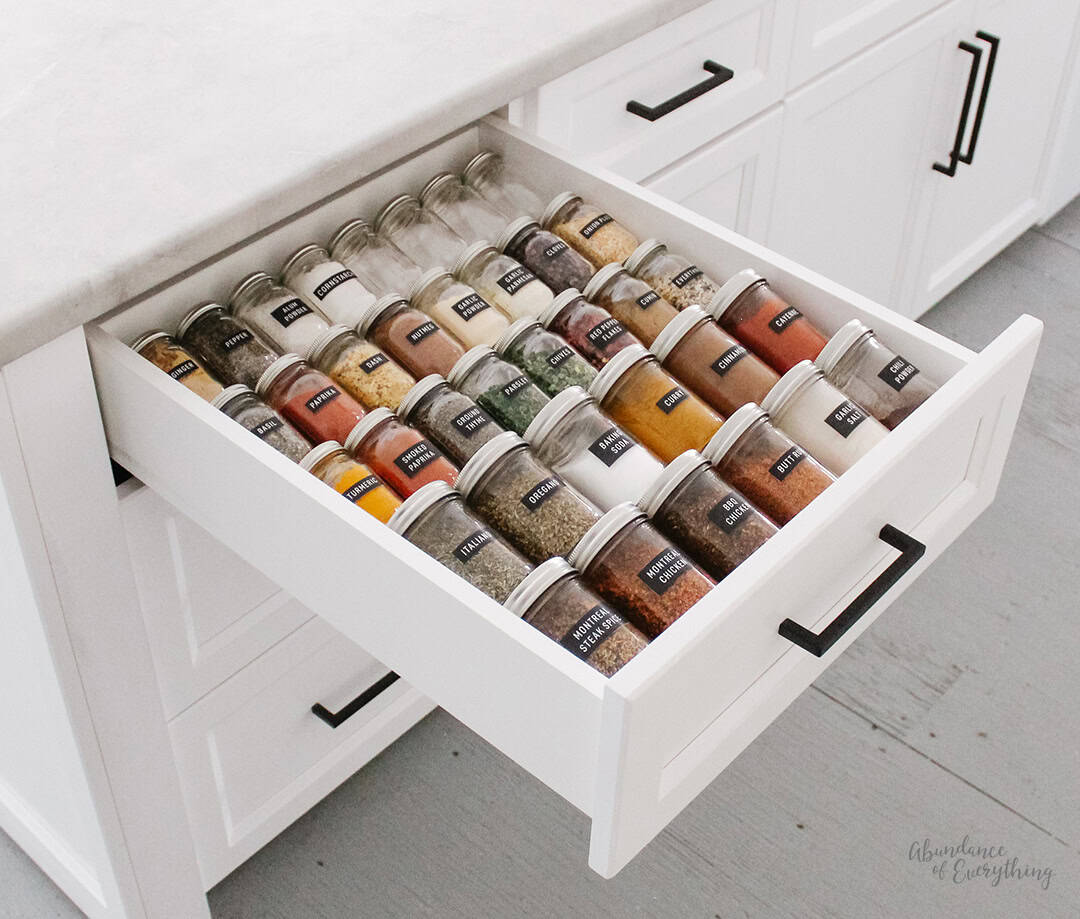
Open most spice cabinets, and you’ll find the same thing: a dozen half-used jars, most of them years past their prime, a few with mystery blends full of anti-caking agents and added sugar you never meant to buy. Spices are one of the easiest places to sneak clean eating principles into your kitchen — and one of the most overlooked.
With 37 years of nursing experience and a focus on health education, I think about spices two ways: what they’re actually made of, and whether they’re still potent enough to be worth using. Here’s how to build the best spices for a clean-eating spice cabinet, store it so it lasts, and put it to work across four different cuisines.
If you caught my earlier post on spices for clean eating, think of this as the deep-dive companion — the best spices for clean eating full spice lineup, the storage science, and four regional recipes built from scratch blends.
Heads up — some links in this post are affiliate links, meaning I may earn a small commission if you shop through them, at no additional cost to you. I only recommend products I truly love and use myself.
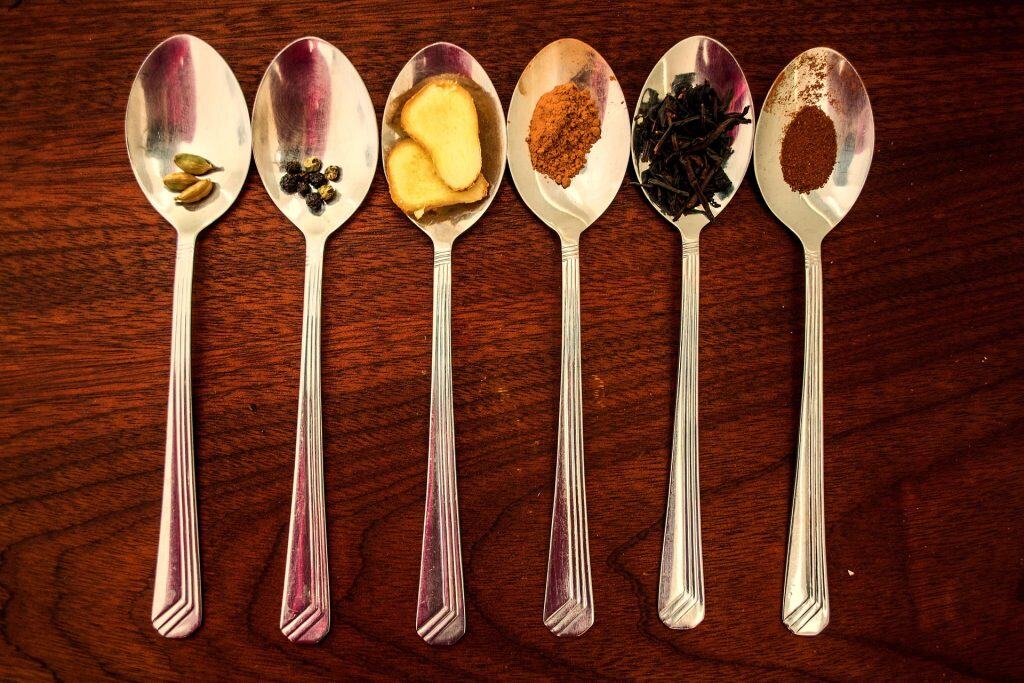
Why Spices Matter for Clean Eating
Spices are one of the few ingredients where more flavor doesn’t have to mean more sugar, more sodium, or more of anything you’re trying to avoid. A well-stocked spice cabinet lets you build real flavor into a dish without reaching for a bottled sauce or a pre-made seasoning packet, most of which carry added sugar, anti-caking agents, or MSG you didn’t ask for.
Some spices go further than flavor. Turmeric, ginger, and cinnamon in particular have research behind their anti-inflammatory and blood-sugar-supporting properties — a genuine bonus layered on top of what they already do for taste.
The Grandmother Test, Applied to Spice Blends
Single-ingredient spices — cinnamon, cumin, paprika — are naturally clean. Blends are where labels start sneaking in fillers. Before buying a pre-made curry powder, chili seasoning, or all-purpose blend, flip it over and run the grandmother test: if she wouldn’t recognize an ingredient (silicon dioxide, maltodextrin, “natural flavor” as a catch-all, added sugar), skip it. Better yet, make your own blends — each recipe below shows you how.
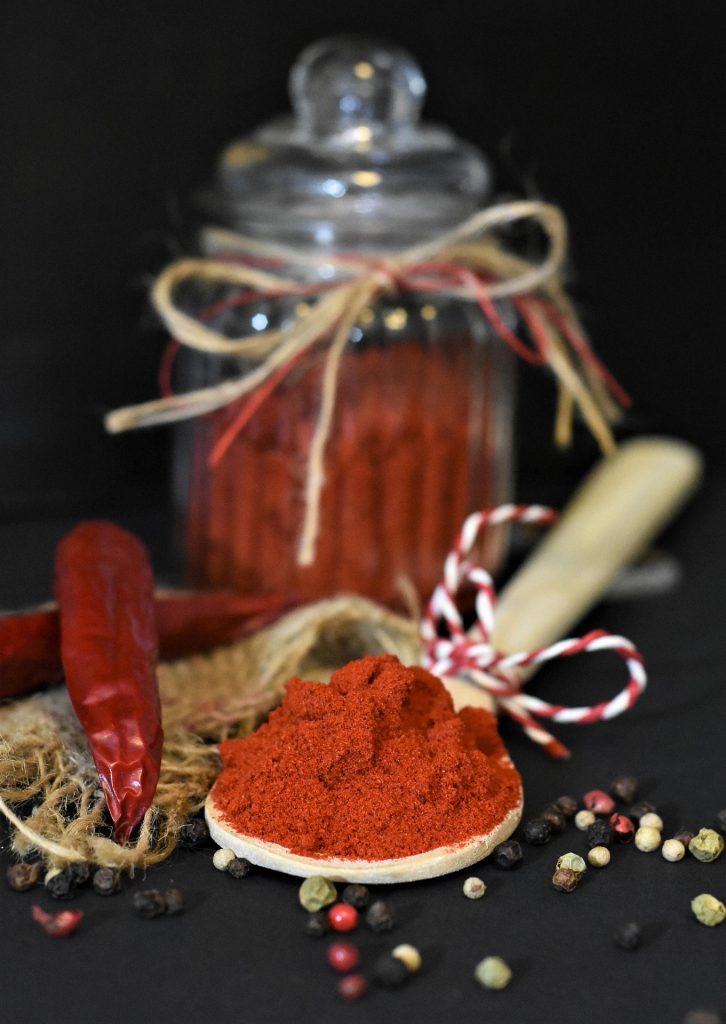
The Best Spices for Clean Eating
You don’t need forty jars. A well-chosen core collection covers nearly everything you’ll cook.
| Category | Spices | Why It Earns a Spot |
| Anti-inflammatory | Turmeric, ginger, cinnamon | Research-backed anti-inflammatory and blood-sugar support; pair turmeric with black pepper for better absorption |
| Digestive support | Cumin, coriander, fennel | Traditionally used to ease digestion and bloating; foundational to Indian cooking |
| Everyday staples | Garlic powder, onion powder, black pepper, smoked paprika | Build savory depth without added sodium-heavy sauces |
| Warming/metabolic | Cayenne, ginger, black pepper | Some evidence for a modest thermogenic effect; adds warmth to any dish |
| Herb staples | Oregano, basil, thyme, rosemary | Antioxidant-rich and versatile across American, Italian, and Mediterranean cooking |
Fresh vs. Dried
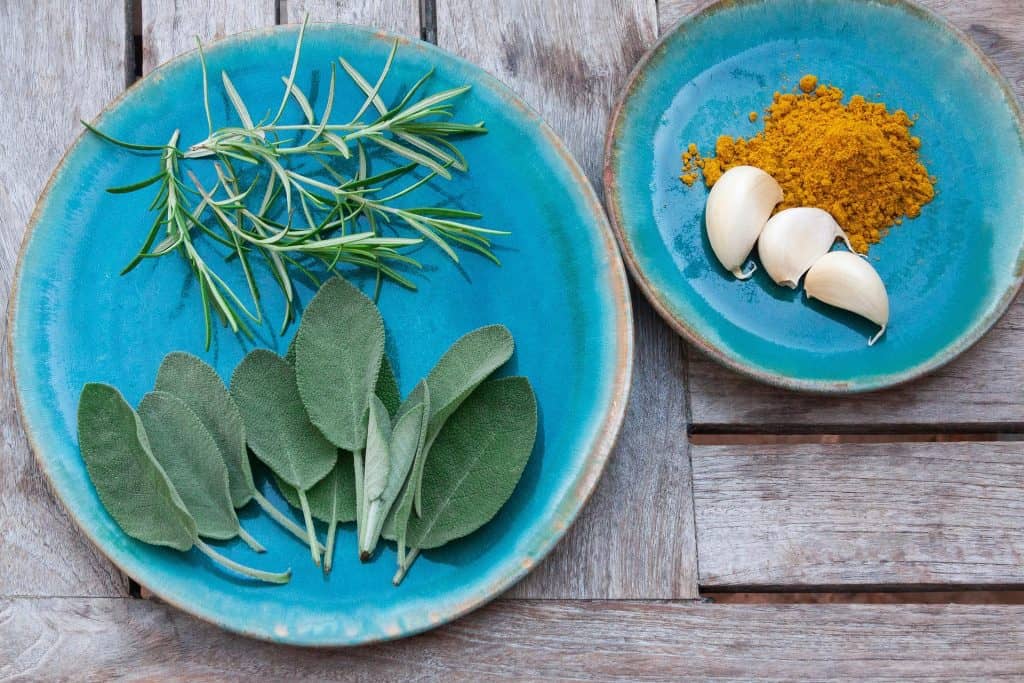
Fresh and dried aren’t competitors — they’re suited to different jobs. Fresh herbs (basil, cilantro, parsley, mint) bring a bright, delicate flavor that’s best added at the end of cooking or as a garnish. Dried spices and herbs are more concentrated and hold up through long cooking times, which is why they’re the backbone of a spice cabinet rather than a produce drawer.
- A simple conversion: 1 tablespoon fresh herbs is roughly equal to 1 teaspoon dried
- Store fresh herbs like basil on the counter in a glass of water; store cilantro, parsley, and mint wrapped loosely in a damp paper towel in the fridge
- Fresh ginger, garlic, and turmeric root keep for weeks in the fridge, and ginger freezes well whole — grate it straight from frozen
- For everyday cooking and clean spice blends, dried is the more practical, shelf-stable choice; save fresh herbs for finishing a dish
Spice Storage 101: How to Make Them Last
A spice doesn’t go “bad” the way food spoils — it loses potency. Heat, light, and moisture are the three things working against you every time you store a jar near the stove or on an open shelf by a window.
- Store away from heat — never above the stove or oven, where daily temperature swings degrade essential oils fastest
- Keep out of direct sunlight — a closed cabinet or opaque tin protects flavor far better than a pretty open shelf
- Seal tightly after every use — moisture causes clumping and, over time, mold risk
- Buy whole spices when you can, and grind just before using — whole spices hold their potency far longer than pre-ground
- Label jars with a purchase date — it’s the easiest way to know when to rotate
How Long Do Spices Actually Last?
| Spice Type | Best-Flavor Window | Storage Tip |
| Whole spices (peppercorns, cumin seed, cinnamon sticks) | 3-4 years | Grind fresh as needed for maximum potency |
| Ground spices | 2-3 years | Store in airtight, opaque containers away from heat |
| Dried leafy herbs (oregano, basil, thyme) | 1-3 years | Crush between your fingers before using to release the oils |
| Spice blends (curry powder, chili seasoning) | 1-2 years | Shorter shelf life since multiple spices degrade at different rates |
Spices past their prime aren’t unsafe to eat — they’re just weak. The quickest test: open the jar and smell it. If the aroma is faint or the color has faded, it’s time to replace it.
Choosing the Right Storage System
The spices themselves matter, but so does what you’re keeping them in and where you’re keeping them. Here’s how to think through each decision.
Glass vs. Plastic vs. Metal Containers
| Material | Why It Works | Watch For |
| Glass | Non-porous — doesn’t absorb odors, oils, or stains, and never leaches anything into your spices | Breakable, and clear glass lets light in; choose tinted glass or store in a closed cabinet |
| Plastic | Lightweight, inexpensive, shatterproof — fine for backup or bulk overflow storage | Porous over time; absorbs oils and odors (turmeric and paprika will stain it) and isn’t ideal for long-term clean-eating storage |
| Metal tins | Blocks light completely and is very durable; great for magnetic storage in small kitchens | Contents aren’t visible without labels; make sure tins are lined so acidic spices don’t react with bare metal over time |
My take: glass with an airtight, opaque lid is the best all-around choice for everyday spices. Metal tins are a close second, especially if you want to block light entirely or need something magnetic for a small kitchen. Save plastic for backup storage rather than your primary jars.
Bulk vs. Smaller Quantities
Buying in bulk saves money and reduces packaging, but only for spices you go through quickly — garlic powder, cumin, black pepper, smoked paprika. A specialty spice you use twice a year, like saffron or whole cardamom pods, will go stale before you finish a bulk bag.
- For high-use spices: buy in bulk, but split the bulk bag into a small “working jar” for your everyday storage and keep the rest sealed in a cooler, darker spot
- For low-use or delicate spices: buy small quantities only — freshness matters more than the per-ounce savings
- Extend bulk purchases by freezing: ground spices like chili powder, cayenne, and paprika hold their potency noticeably longer in the freezer, and whole spices freeze even better
Drawer vs. Cabinet vs. Over-the-Door Storage
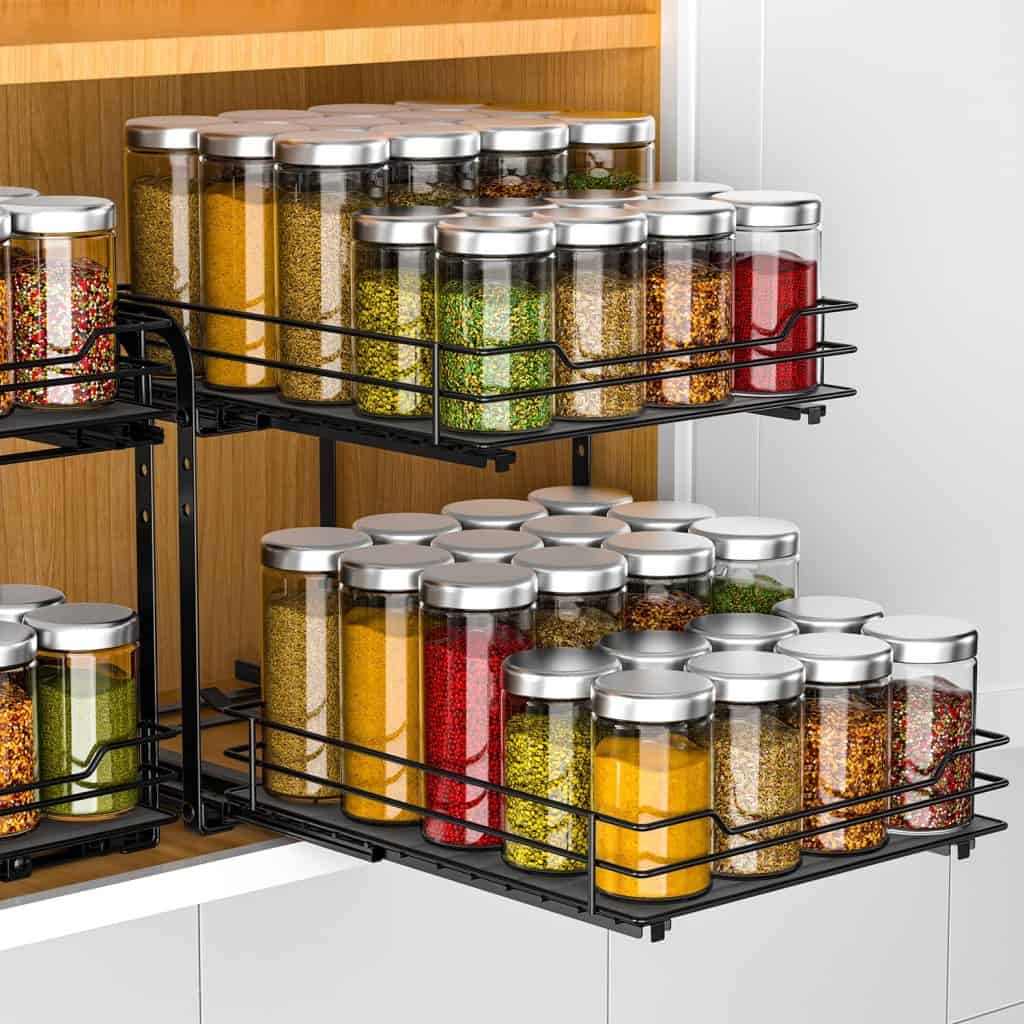
| Storage Type | Best For | Watch For |
| Drawer insert | Small kitchens and keeping counters clear; top-down view makes every jar easy to find | Needs a dedicated drawer, and tall bottles may not fit |
| Cabinet shelf or tiered rack | The most flexible option for any jar size or collection | Jars in the back get forgotten without a tiered riser or lazy susan to keep everything visible |
| Over-the-door rack | A great space-saver that keeps spices within reach | Never mount it on the oven door itself — the heat swings every time it opens will shorten shelf life fast |
My take: a cabinet shelf or drawer insert away from the stove is the best combination of potency and convenience. An over-the-door rack works well too, as long as the door isn’t the oven’s — pick a pantry door or a cabinet away from any heat source.
Quick-Start Product Checklist
Putting the above into practice, here’s what to actually shop for:
- Airtight glass spice jars with shaker lids — glass doesn’t absorb odors the way plastic can
- A tiered spice rack or drawer organizer insert — keeps every jar visible so nothing gets forgotten in the back
- Magnetic spice tins — a smart space-saver for small kitchens, sticking right to the inside of a cabinet door
- An over-the-door rack — mounted on a pantry door, never the oven door
- Chalkboard or printable labels — pair with a purchase date so rotation is effortless
- A small freezer-safe container — for stretching the life of bulk-bought ground spices
Frequently Asked Questions
Is it better to store spices in glass or plastic?
Glass, for anything you’re keeping long-term. It won’t absorb oils or odors the way plastic can, and it won’t stain from spices like turmeric. Just keep it out of direct light, or choose a tinted jar.
Should I buy spices in bulk?
Only for the ones you use often. Split a bulk purchase into a small jar for daily use and store the rest sealed in a cool, dark spot — or the freezer — to preserve potency.
How long do ground spices last?
Ground spices hold peak flavor for about 2-3 years. They’re still technically safe to use after that, but the flavor and any functional benefits fade significantly.
Do spices need to be refrigerated?
No. Refrigeration actually introduces moisture, which can cause clumping. A cool, dark cabinet away from the stove is the best storage spot for almost every spice.
What are the healthiest spices for inflammation?
Turmeric, ginger, and cinnamon have the most research supporting their anti-inflammatory and blood-sugar-supporting properties. Pairing turmeric with black pepper improves your body’s absorption of its active compound, curcumin.
Clean Spice Recipes, Four Ways
Each of these builds its own spice blend from scratch — no fillers, no added sugar, no mystery ingredients.
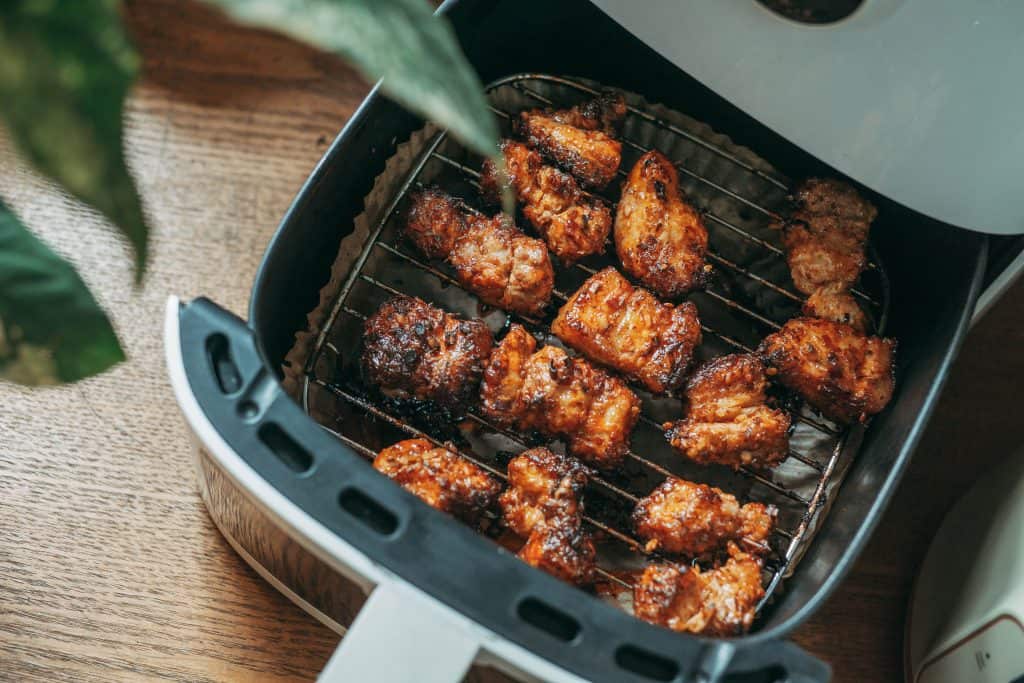
American: Herb & Paprika Roasted Chicken Thighs
Serves: 4
Nutrition (per serving)
| Calories | Protein | Carbs | Fat | Fiber |
| 320 | 34g | 2g | 19g | 1g |
A clean, additive-free take on a weeknight staple — no bottled seasoning packet required.
Spice Blend
- 2 tsp smoked paprika
- 1 tsp garlic powder
- 1 tsp onion powder
- 1 tsp dried thyme
- 1/2 tsp dried rosemary, crushed
- 1/2 tsp black pepper
- 3/4 tsp salt
Other Ingredients
- 8 boneless, skinless chicken thighs
- 2 tbsp olive oil
- 1 lemon, sliced
Steps
- Preheat oven to 425°F.
- Mix all spice blend ingredients in a small bowl.
- Pat chicken thighs dry, toss with olive oil, then coat evenly with the spice blend.
- Arrange on a baking sheet with lemon slices tucked between pieces.
- Roast 22-25 minutes until internal temperature reaches 165°F.
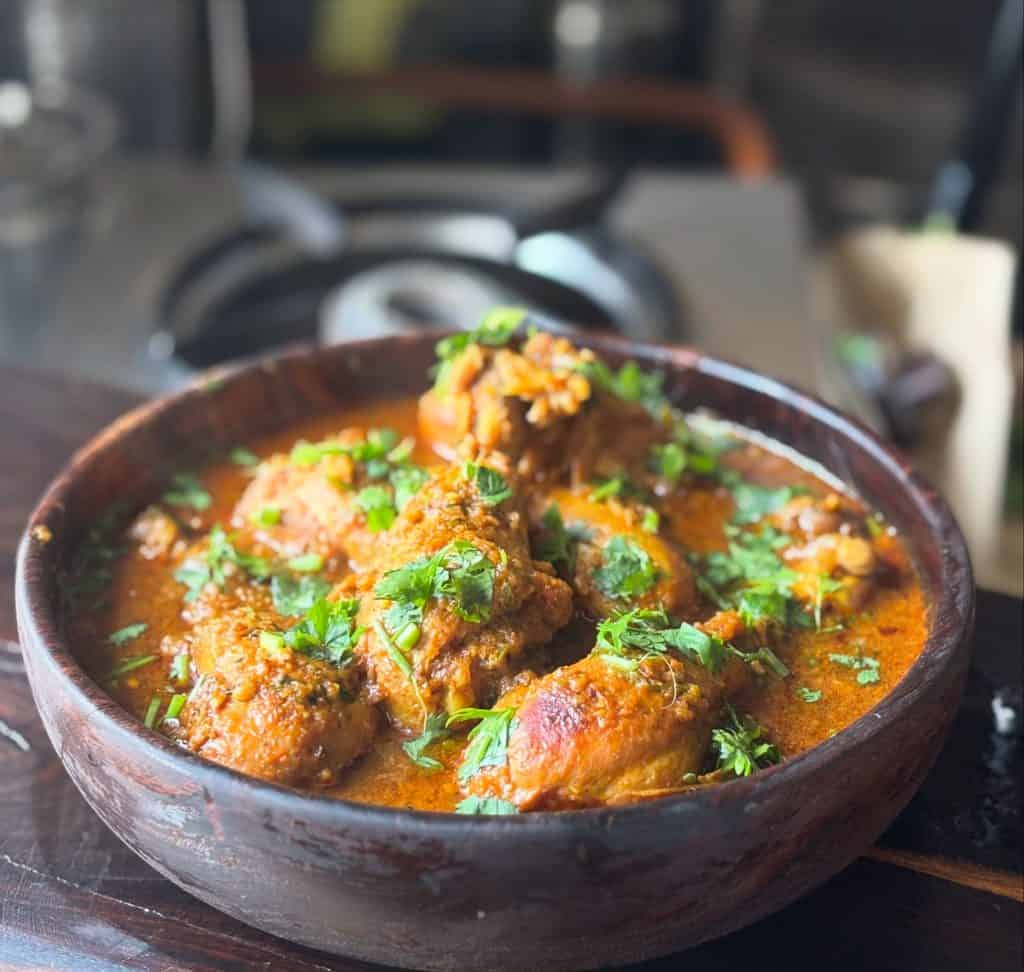
Indian / Curry: Weeknight Chicken Curry
Serves: 4
Nutrition (per serving)
| Calories | Protein | Carbs | Fat | Fiber |
| 340 | 30g | 10g | 19g | 3g |
Built entirely from whole spices — no pre-made curry powder needed.
Spice Blend
- 1 tbsp ground turmeric
- 1 tbsp ground cumin
- 1 tbsp ground coriander
- 1 tsp garam masala
- 1/2 tsp cayenne (optional, for heat)
- 1/2 tsp black pepper
Other Ingredients
- 1.5 lbs boneless chicken thighs, cubed
- 1 tbsp olive oil or ghee
- 1 onion, diced
- 3 cloves garlic, minced
- 1 tbsp fresh ginger, grated
- 1 can (14 oz) crushed tomatoes
- 1/2 cup light coconut milk
- Salt to taste
Steps
- Heat oil in a large skillet over medium heat. Add onion and cook 5 minutes until softened.
- Add garlic and ginger; cook 1 minute until fragrant.
- Stir in the spice blend and toast 30 seconds.
- Add chicken and cook 5 minutes, stirring to coat in the spices.
- Add crushed tomatoes and coconut milk; simmer 15-18 minutes until chicken is cooked through and sauce has thickened.
- Season with salt to taste before serving.
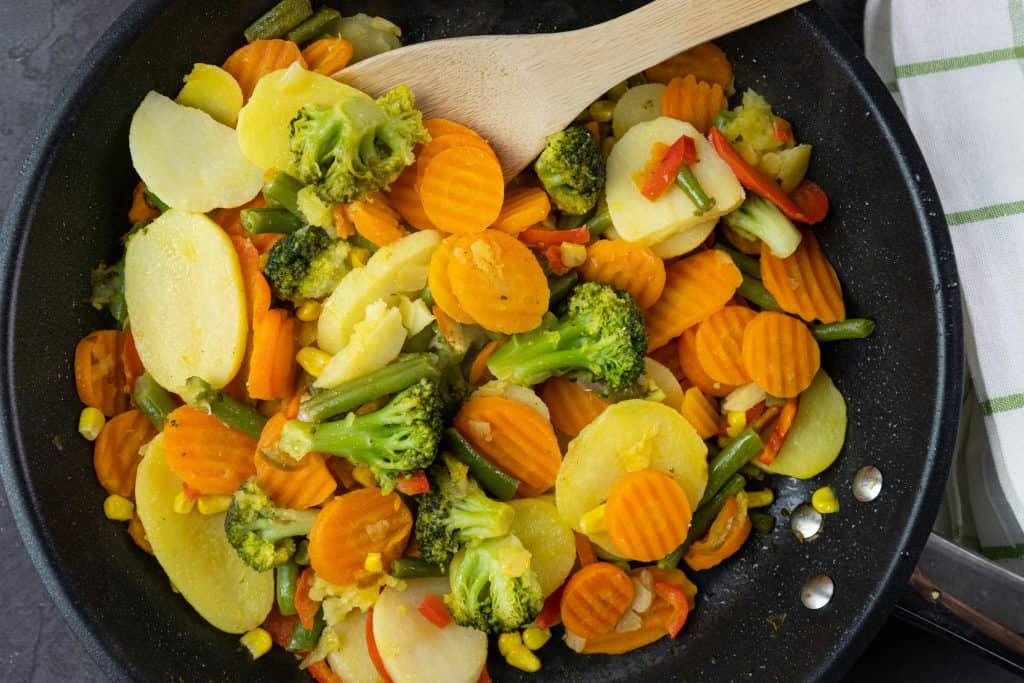
Asian / Stir-Fry: Ginger-Garlic Chicken & Veggie Stir-Fry
Serves: 4
Nutrition (per serving)
| Calories | Protein | Carbs | Fat | Fiber |
| 290 | 28g | 14g | 13g | 4g |
A five-spice-forward blend swaps in for bottled stir-fry sauce.
Spice Blend
- 1 tsp Chinese five-spice powder
- 1 tsp ground ginger (or 1 tbsp fresh, grated)
- 1/2 tsp garlic powder
- 1/4 tsp red pepper flakes
- 1/2 tsp black pepper
Other Ingredients
- 1 lb chicken breast, thinly sliced
- 1 tbsp sesame oil
- 3 cloves garlic, minced
- 2 cups broccoli florets
- 1 red bell pepper, sliced
- 1 cup shredded carrots
- 2 tbsp low-sodium tamari or soy sauce
- 2 green onions, sliced
Steps
- Toss sliced chicken with the spice blend.
- Heat sesame oil in a large skillet or wok over medium-high heat.
- Add chicken and cook 4-5 minutes until browned; remove and set aside.
- Add garlic, broccoli, bell pepper, and carrots to the same pan; stir-fry 4-5 minutes until crisp-tender.
- Return chicken to the pan, add tamari, and toss to combine.
- Top with green onions before serving.
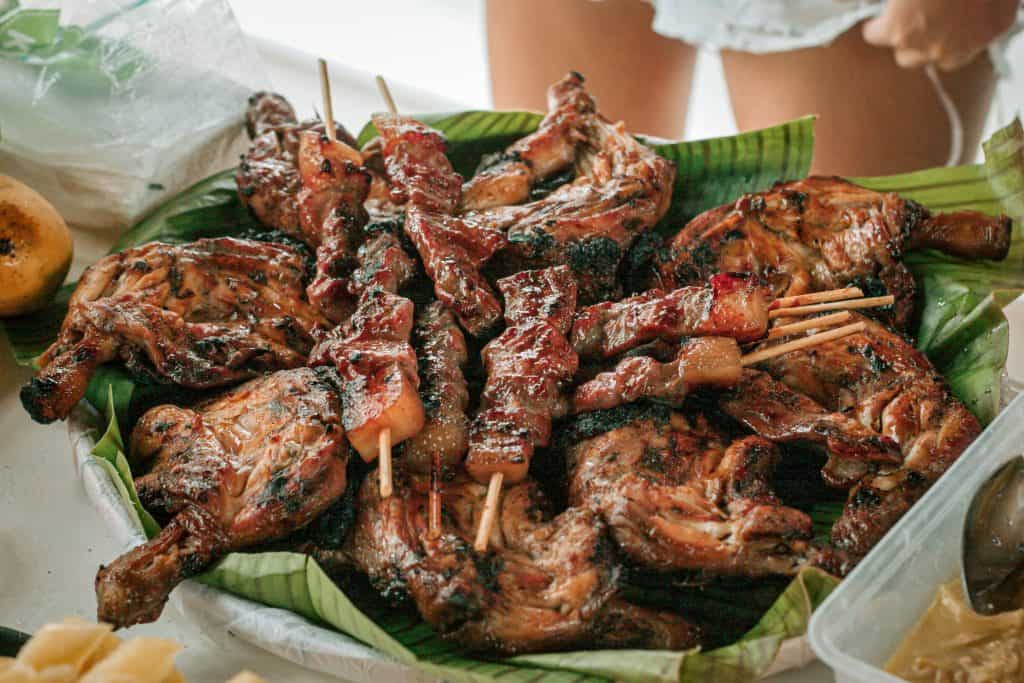
BBQ: Clean BBQ Spice-Rubbed Chicken Thighs
Serves: 4
Nutrition (per serving)
| Calories | Protein | Carbs | Fat | Fiber |
| 310 | 33g | 3g | 17g | 1g |
A homemade rub replaces bottled BBQ seasoning — and skips the added sugar that usually comes with it.
Spice Blend
- 1 tbsp smoked paprika
- 1 tsp chili powder
- 1 tsp ground cumin
- 1 tsp garlic powder
- 1 tsp onion powder
- 1/2 tsp coconut sugar (optional, for a hint of sweetness)
- 3/4 tsp salt
- 1/2 tsp black pepper
Other Ingredients
- 8 boneless, skinless chicken thighs
- 1 tbsp olive oil
Steps
- Mix all spice blend ingredients in a small bowl.
- Pat chicken dry, toss with olive oil, then coat thoroughly with the rub.
- Let sit 15 minutes (or up to overnight in the fridge) for the flavor to penetrate.
- Grill over medium-high heat 6-7 minutes per side, until internal temperature reaches 165°F.
- Let rest 5 minutes before serving.
Your Turn
Which cuisine are you cooking first — American, Indian, Asian, or BBQ? If you want a done-for-you framework for building clean, satisfying meals every night of the week, my How to Start Clean Eating: CompleteBeginner’s Guide walks you through it step by step.