How to Start Clean Eating: Complete Beginner’s Guide 2026

Learn how to start clean eating with this beginner-friendly guide. Get meal plans, grocery lists, and simple tips to transform your health naturally in 30 days.
Introduction
Here’s a stat that’ll blow your mind: the average American eats over 60 pounds of added sugar every year! That’s like eating a 5-pound bag of sugar every month. Crazy, right?
Starting clean eating was the best decision I ever made, but man, was I confused at first! I thought I had to give up everything I loved and live on kale smoothies forever. Spoiler alert: that’s not what clean eating is about at all.
In this beginner’s guide, I’m going to walk you through exactly how to start clean eating without losing your sanity or your social life. You’ll learn what clean eating actually means, get a foolproof week-by-week transition plan, and discover how to make this lifestyle stick for good. By the end, you’ll have everything you need to transform your health naturally – no extreme diets or expensive supplements required.
What is Clean Eating? (Simple Definition for Beginners)
Let me clear this up once and for all because there’s so much confusing information out there. Clean eating is simply choosing foods that are as close to their natural state as possible. Think of it like this: if your great-grandmother wouldn’t recognize it as food, you probably shouldn’t eat it regularly.
But here’s what clean eating is NOT – it’s not about perfection, it’s not about cutting entire food groups, and it definitely doesn’t mean you can never enjoy a slice of birthday cake again. I learned this the hard way during my first month when I made myself miserable trying to be “perfect.”
The core principle is straightforward: eat more whole foods and fewer processed ones. A whole food is something that hasn’t been heavily manufactured or altered. An apple is a whole food. Apple-flavored gummy snacks? Not so much.
I like to think of it as the 80/20 rule that saved my sanity. About 80% of what I eat comes from whole, minimally processed sources, and 20% can be whatever I’m craving. This isn’t a diet – it’s a sustainable way of living that actually makes food taste better once your taste buds adjust.
The best part? You don’t need to count calories, weigh portions, or carry around complicated charts. Your body is pretty smart at telling you what it needs when you feed it real food.
The Life-Changing Benefits of Clean Eating
Okay, I’m going to get real with you about what actually happens when you start eating clean, because some of the benefits surprised the heck out of me.
Within the first week, I noticed my energy didn’t crash at 3 PM anymore. Instead of that familiar afternoon fog where I could barely keep my eyes open, I actually felt alert and focused. My husband even asked if I’d started drinking more coffee – nope, just stopped eating processed junk for lunch!
The mental clarity thing is no joke either. I used to have what I called “brain fog” where I’d walk into rooms and forget why I was there, or struggle to concentrate during meetings. After about three weeks of clean eating, that fog lifted. It felt like someone had cleaned the windshield of my brain.
The physical changes took a bit longer, but they were worth the wait. Better sleep, less joint pain, clearer skin, and yes, I did lose some weight without even trying. But honestly, the energy and mental clarity were what kept me going in those early weeks when I was still figuring everything out.
Long-term, eating clean reduces your risk of chronic diseases like diabetes and heart disease. But I’m not going to lie – it’s the daily benefits that make this lifestyle so addictive in the best possible way.
Clean Eating Rules: 7 Simple Guidelines to Follow
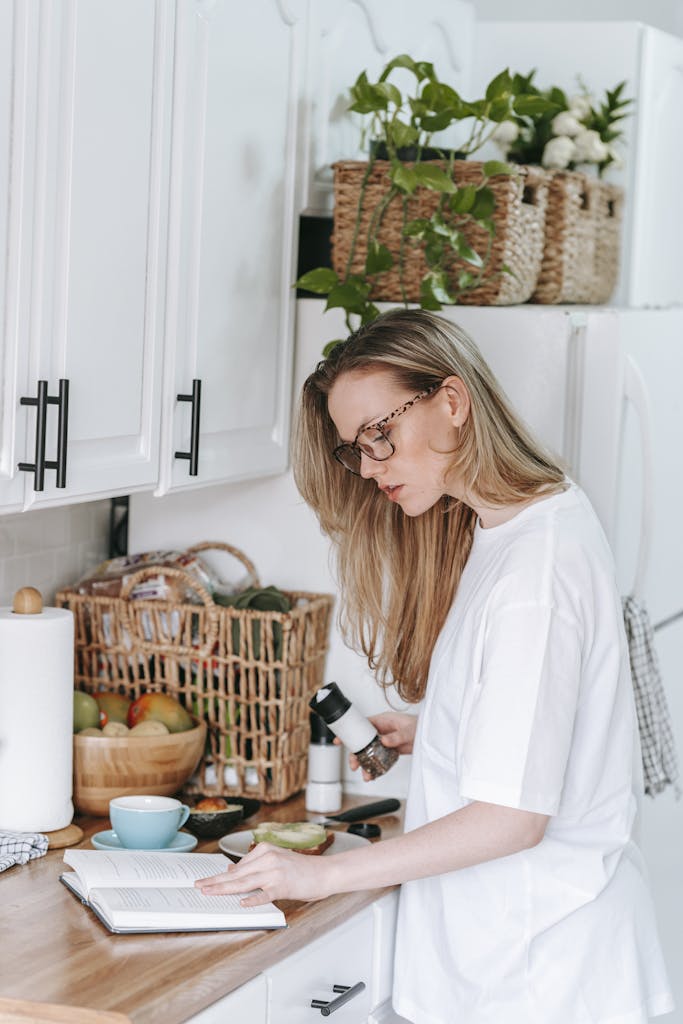
After years of trial and error, I’ve boiled clean eating down to seven simple rules that actually work in real life. No complicated charts or impossible standards – just practical guidelines that make sense.
Rule #1: Eat whole, unprocessed foods most of the time. This means choosing an orange over orange juice, oatmeal over sugary cereal, or grilled chicken over chicken nuggets. I aim for foods with one ingredient – like an apple is just an apple, you know?
Rule #2: Read ingredient labels like your health depends on it. Because it does! My rule is if I can’t pronounce an ingredient or if there are more than five ingredients total, I usually put it back. This rule alone eliminated so much junk from my cart.
Rule #3: Choose organic when it matters most. Look, I get it – organic can be expensive. I prioritize organic for the “Dirty Dozen” (strawberries, spinach, etc.) and buy conventional for the “Clean Fifteen.” Your wallet and your health can both be happy.
Rule #4: Drink clean beverages. Water should be your best friend, but herbal teas, kombucha, and fresh vegetable juices count too. I had to break up with my daily soda habit, and honestly, it was harder than I expected, but so worth it.
Rule #5: Practice portion awareness, not portion obsession. I don’t weigh my food, but I do pay attention to hunger and fullness cues. Eating slowly and without distractions helped me figure this out naturally.
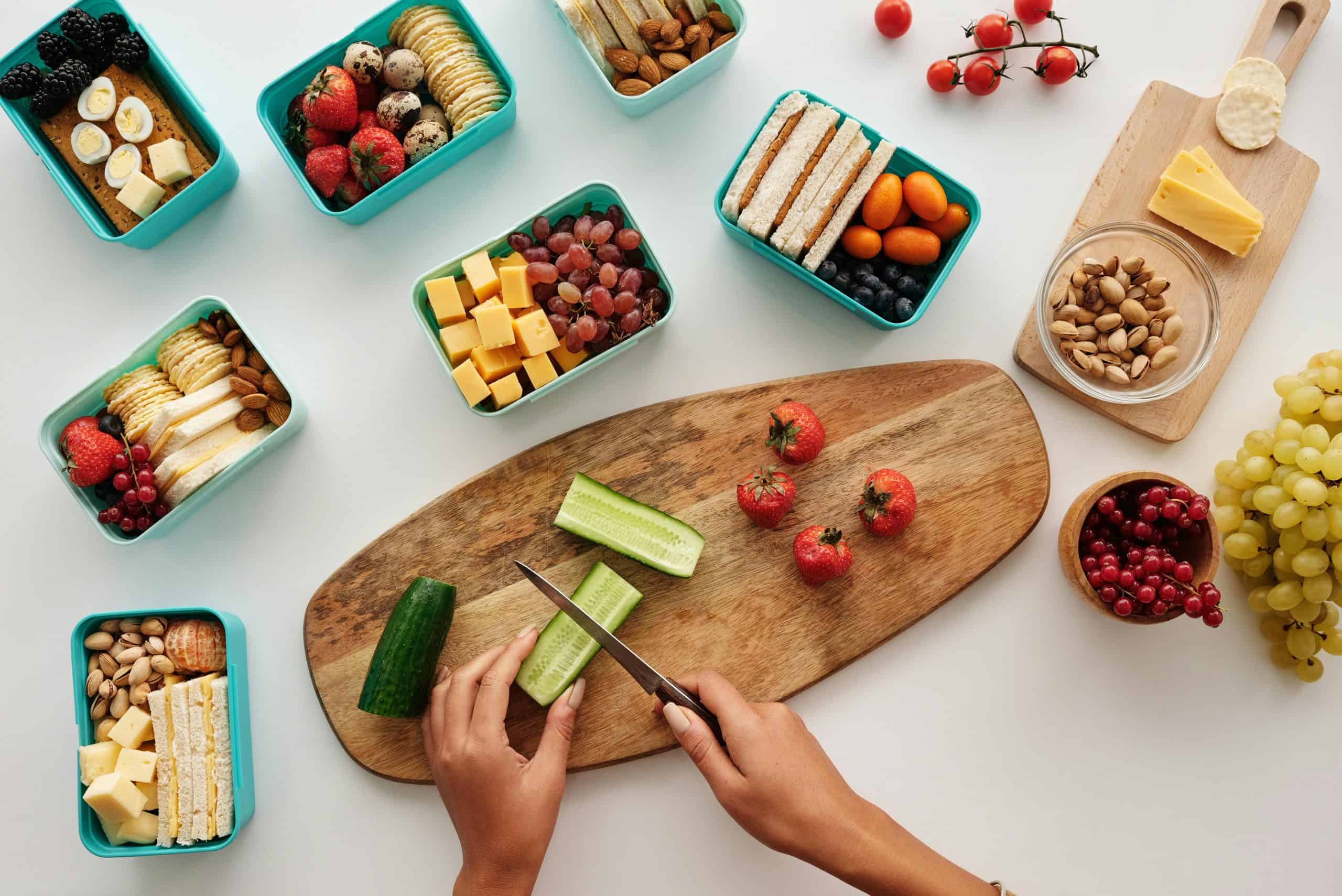
Rule #6: Plan and prepare meals when possible. Sunday meal prep became my secret weapon. Even just washing and chopping vegetables saves so much time during the week.
Rule #7: Remember the 80/20 rule. Life happens, and that’s okay! Birthday parties, date nights, and pizza with friends are part of living. The goal is progress, not perfection.
Your Clean Eating Food Lists: What to Eat and Avoid
Let me make this super simple for you. I used to get overwhelmed by endless food lists, so I’m going to break this down into what actually matters when you’re grocery shopping.
Foods to eat more of: Think of these as your new best friends. Fresh fruits and vegetables should take up half your plate most of the time. I love apples, berries, leafy greens, sweet potatoes, and whatever’s in season. For proteins, go for wild-caught fish, grass-fed meat when your budget allows, free-range eggs, and legumes like beans and lentils. Whole grains like quinoa, brown rice, and oats keep you full and satisfied. Don’t forget healthy fats – avocados, nuts, seeds, and olive oil are game-changers.
Foods to eat less of: This is where I had to get honest with myself. Processed foods with long ingredient lists, anything with high-fructose corn syrup, artificial colors and flavors, and trans fats needed to go. I also cut way back on refined sugars and white flour products. The hardest part for me was reducing my beloved processed snacks – those grab-and-go items that seemed so convenient.
Gray area foods: Some foods aren’t totally clean but aren’t terrible either. Dark chocolate (70% cacao or higher), natural sweeteners like honey and maple syrup, and minimally processed items like canned tomatoes or frozen vegetables without added sauces fall into this category. I include these in my 20% flexibility zone.
Here’s a reality check – you don’t have to throw out your entire pantry overnight. I started by just not buying the processed stuff anymore and using up what I had. As things ran out, I replaced them with cleaner alternatives. This approach saved my budget and my sanity.
How to Transition to Clean Eating (Week-by-Week Plan)
Starting clean eating doesn’t have to feel like jumping off a cliff. I learned this after my first failed attempt where I tried to change everything at once and burned out within two weeks. Here’s the gradual approach that actually worked for me.
Week 1: The Foundation Week. Start with a gentle pantry assessment. I’m not saying throw everything away, but take inventory of what you have. Read some labels and start noticing ingredients. This week, focus on adding one clean meal per day – I started with breakfast because it felt manageable. Simple swaps like oatmeal with berries instead of sugary cereal made a huge difference. Also, start drinking more water. I got a water bottle I actually liked and kept it with me everywhere.
Week 2: Shopping Like a Pro. This is when you become a grocery store detective. Spend most of your time in the perimeter of the store where the fresh foods live. I started reading every label and put back anything with ingredients I couldn’t pronounce. The first few shopping trips took forever, but now it’s second nature. Try to add one new whole food each week – maybe it’s a vegetable you’ve never cooked or a whole grain you’ve been curious about.
Week 3: Meal Prep Basics. Don’t go crazy here – I’m talking about washing lettuce ahead of time or cooking a big batch of quinoa for the week. Even just having cut vegetables ready to go makes clean eating so much easier when you’re hungry and tired. I started with Sunday prep sessions that took about an hour and saved me tons of time during busy weekdays.
Week 4: Building Your New Normal. By now, some of these changes should feel more natural. This is when you troubleshoot what’s not working. Maybe meal prep isn’t your thing but having healthy snacks ready is. Or perhaps you need to find clean options for your work lunches. Adjust the plan to fit your actual life, not some perfect version of it.
The key is being patient with yourself. Some weeks will be easier than others, and that’s totally normal.
Clean Eating Meal Planning for Beginners
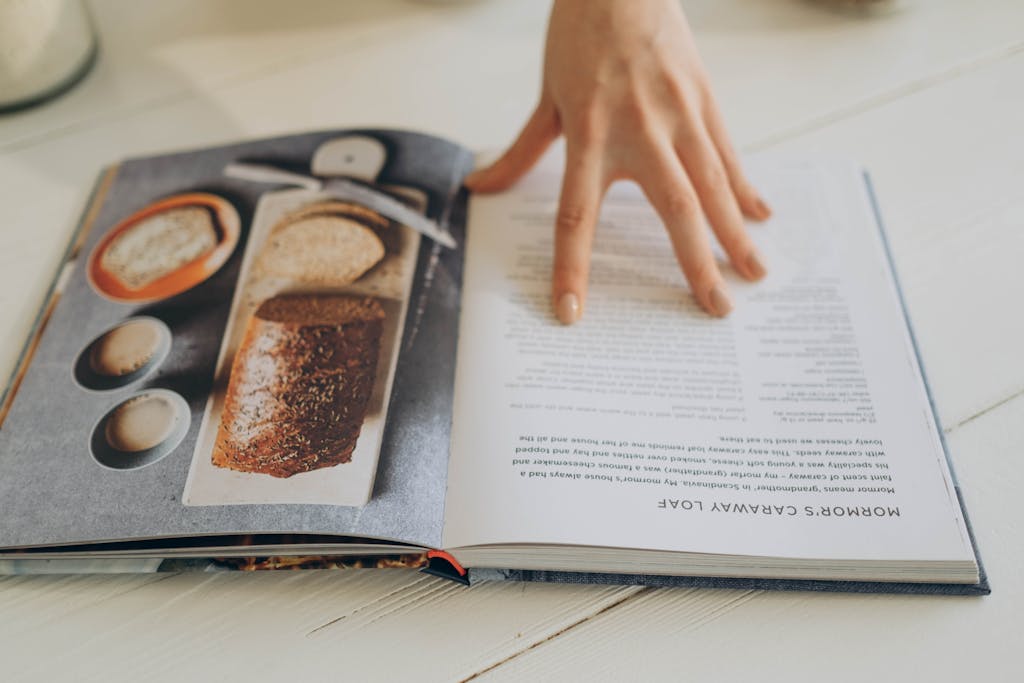
Meal planning used to intimidate the heck out of me. I thought it meant spending hours every Sunday cooking elaborate meals and portioning them into perfect containers. Turns out, effective meal planning is way simpler than I thought.
I start with what I call “anchor meals” – simple, flexible dishes that use similar ingredients. For example, if I buy a whole chicken, I might roast it Sunday, use leftovers for salads Monday and Tuesday, then make soup with the bones Wednesday. This approach reduces waste and saves money while keeping meals interesting.
My basic template is stupidly simple: pick a protein, a vegetable, and a healthy carb for each meal. Grilled salmon, roasted broccoli, and sweet potato. Scrambled eggs, sautéed spinach, and avocado toast. Once you have this framework, meal planning becomes like filling in blanks rather than creating from scratch.
Batch cooking is your friend, but start small. I cook big batches of three things every Sunday: a grain like brown rice or quinoa, roasted vegetables, and some kind of protein. These become building blocks for different meals throughout the week. Add different seasonings and sauces, and suddenly you have variety without the work.
For emergency backup meals, I always keep frozen vegetables, canned beans, eggs, and some kind of whole grain pasta on hand. When life gets crazy, I can throw together a decent meal in 15 minutes. This prevents the “there’s nothing to eat” panic that used to send me straight to the drive-through.
The biggest game-changer was accepting that meal planning is a skill that improves with practice. My first attempts were disasters – I’d plan elaborate meals I never had time to make. Now I plan based on my actual schedule, not my fantasy schedule where I have unlimited time and energy.
Budget-Friendly Clean Eating Tips
Let’s address the elephant in the room – yes, eating clean can cost more than living on ramen and fast food, but it doesn’t have to break the bank. I’ve learned some tricks that keep my grocery bill reasonable while still eating well.
Shopping seasonally is probably the biggest money-saver. Strawberries in December cost a fortune and taste like cardboard, but strawberries in June are cheap and amazing. I plan my meals around what’s on sale and in season. This also forced me to try new vegetables I might have ignored otherwise.
Buying in bulk works great for non-perishables like beans, lentils, nuts, and grains. I found a local co-op where I can buy these staples for way less than the grocery store. Even some regular stores have bulk sections that can save you serious money if you remember to bring your own containers.
Frozen vegetables and fruits are clean eating lifesavers that cost less than fresh. I always have frozen berries for smoothies and frozen vegetables for quick stir-fries. They’re picked at peak ripeness and flash-frozen, so they’re often more nutritious than fresh produce that’s traveled across the country.
Growing herbs on my windowsill was easier than I expected and saves me from buying those expensive little packages that go bad before I use them up. Basil, cilantro, and green onions grow like weeds and add so much flavor to simple meals.
I also started viewing meat as a condiment rather than the star of every meal. Using smaller amounts of high-quality meat mixed with beans, vegetables, and grains stretches both the protein and the budget. A little bit of good cheese or a handful of nuts can make a simple vegetable dish feel satisfying and complete.
Overcoming Common Clean Eating Challenges
Let me tell you about the obstacles nobody warns you about when you start eating clean. These challenges are totally normal, and I’ve got strategies that actually work.
Cravings hit hard during the first few weeks, especially sugar cravings. I used to get cranky around 3 PM and desperately want something sweet. What helped was having clean sweet options ready – dates stuffed with almond butter, or apple slices with cinnamon. The cravings do fade as your taste buds adjust, but it takes time.
Social pressure is real, and it’s awkward. Friends might tease you about being “high-maintenance” or family members might take your food choices as personal criticism of theirs. I learned to focus on what I could control and not make a big deal about my choices. Bringing a healthy dish to share usually helps everyone feel more comfortable.
Time management was my biggest struggle. Clean eating does require more planning and preparation than grabbing processed convenience foods. I had to get realistic about my schedule and find shortcuts that worked. Pre-cut vegetables cost more but saved my sanity during busy weeks. Some weeks, frozen meal kits with clean ingredients were worth the extra cost.
Eating out became trickier, but not impossible. I started looking at menus online before going to restaurants and learned to ask questions without being demanding. Most places can prepare simple dishes like grilled protein with vegetables. I also stopped apologizing for my dietary needs – you have every right to eat in a way that makes you feel good.
The perfectionism trap almost derailed me multiple times. There were days when I ate half a sleeve of cookies or grabbed fast food because I was running late. Instead of using this as an excuse to give up entirely, I learned to treat these moments as data points, not failures. What can I do differently next time? How can I prepare better?
Your First Week Clean Eating Menu
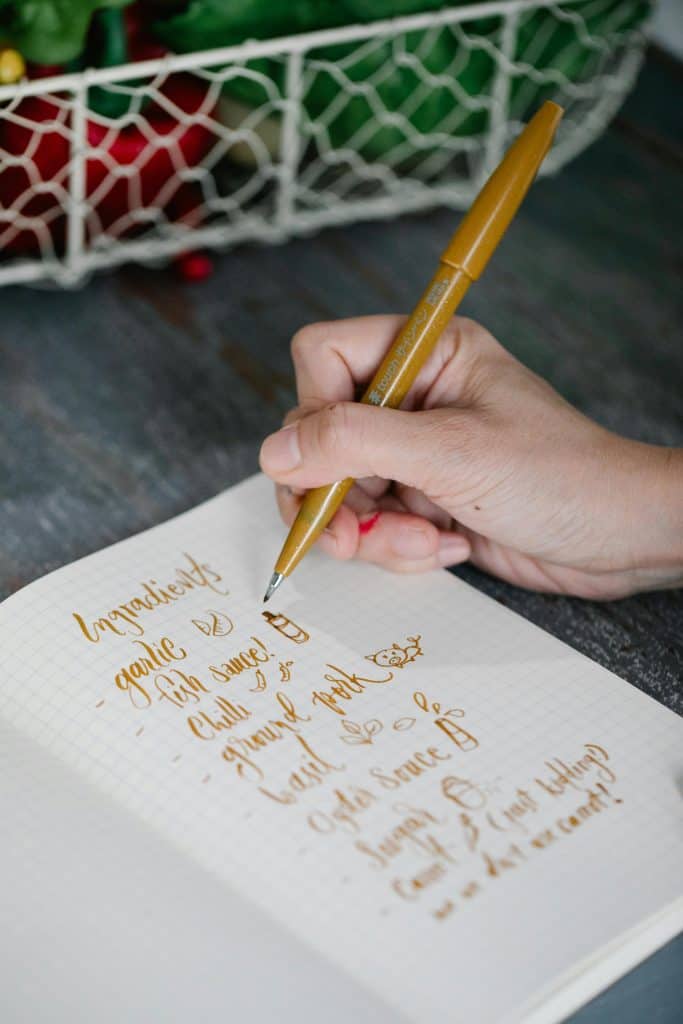
Alright, let’s make this practical. Here’s exactly what I ate during my first successful week of clean eating, with simple recipes that don’t require fancy cooking skills.
Day 1 – Monday: Breakfast was overnight oats with berries and almond butter – just mix oats, almond milk, chia seeds, and berries in a jar the night before. Lunch was a big salad with leftover grilled chicken, mixed greens, cucumber, avocado, and olive oil vinaigrette. Dinner was baked salmon, roasted sweet potato, and steamed broccoli. Simple but satisfying.
Day 2 – Tuesday: Started with a green smoothie using spinach, banana, berries, and almond milk. Don’t worry, you can’t taste the spinach! Lunch was turkey and avocado wrapped in lettuce leaves with carrot sticks. Dinner was vegetable stir-fry with brown rice and scrambled eggs mixed in.
Day 3 – Wednesday: Breakfast was two eggs scrambled with sautéed vegetables and half an avocado. Lunch was leftover stir-fry (meal prep win!). Dinner was slow-cooker chicken with vegetables – just throw everything in before work and come home to amazing smells.
Day 4 – Thursday: Back to overnight oats but with different toppings – banana and walnuts this time. Lunch was a hearty lentil soup I made in big batch on Sunday. Dinner was grass-fed ground beef with roasted vegetables and quinoa.
Days 5-7: I kept rotating these basic combinations but changed up seasonings and vegetables based on what looked good at the store. The key was having a flexible framework rather than rigid recipes.
Shopping list essentials: eggs, seasonal vegetables, leafy greens, berries, bananas, avocados, nuts, seeds, olive oil, quinoa, brown rice, and whatever protein was on sale. This basic list covered most meals and left room for creativity.
Conclusion
Starting clean eating doesn’t have to be overwhelming or perfect. The most important thing I learned during my journey is that small, consistent changes create lasting transformation. You don’t need to overhaul your entire life overnight – just start with one meal, one day, one week at a time.
Remember, this isn’t about following someone else’s rules perfectly. It’s about finding what works for your body, your schedule, and your life. Maybe you’ll discover that meal prep on Sundays is your secret weapon, or perhaps you’ll find that keeping healthy snacks at work prevents afternoon vending machine visits.
The energy, clarity, and overall well-being you’ll gain from eating clean are worth every challenging moment during the transition. Your body will thank you, your mind will feel sharper, and you’ll probably sleep better too. These aren’t just promises – they’re the real benefits I experienced and continue to enjoy.