Essential Spices for Clean Eating: The Flavor Arsenal That Saved My Meals

Introduction
Let me tell you about the saddest phase of my clean eating journey. I had convinced myself that “clean” meant no flavor, no seasoning, just plain food suffering on a plate. My spice cabinet had like three things in it – salt, pepper, and some garlic powder that was probably older than my youngest kid. Every meal tasted like penance, and I was miserable.
Then I had dinner at a friend’s house, and her food was incredible. I’m talking complex flavors, interesting aromas, the kind of meal where you actually want seconds. When I asked her secret, she just opened her spice cabinet, and I nearly fell over. It was packed with all these bottles and jars I’d never even heard of.
That’s when I realized I’d been doing this all wrong. Spices are clean eating’s best friend – they’re plant-based, they have actual health benefits, and they make your food taste like something you’d actually choose to eat instead of forcing it down.
The Core Four Spices: Start Here
If you’re building your spice collection from scratch, these four are non-negotiable. I use at least one of them in basically every meal I cook.
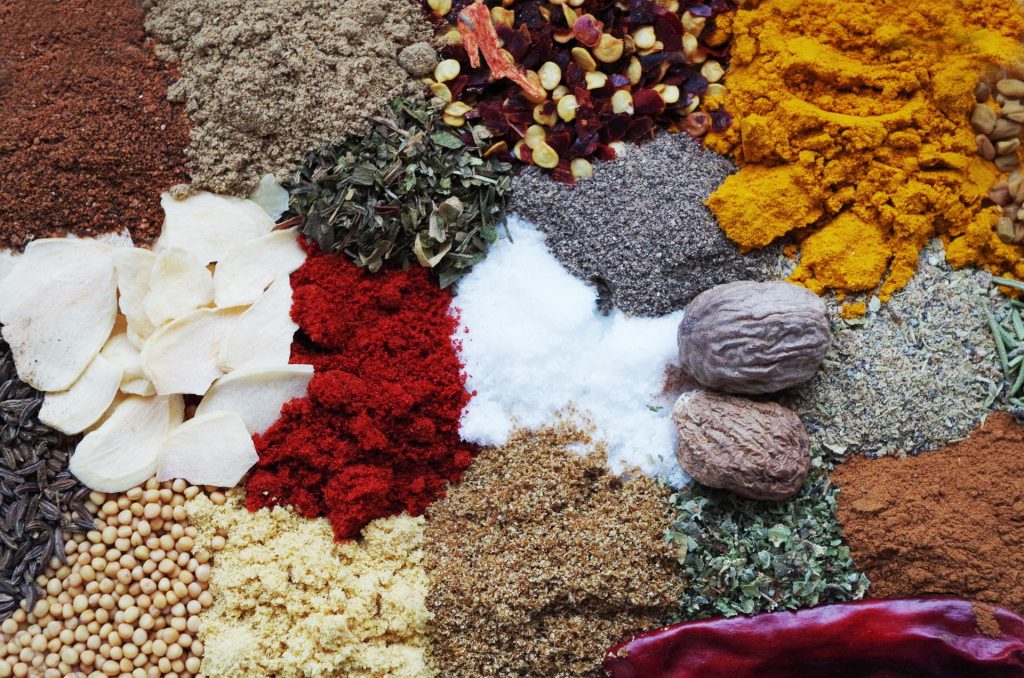
Cumin is probably my most-reached-for spice. It’s got this warm, earthy, slightly nutty flavor that works in so many cuisines. I throw it in taco seasoning, chili, roasted vegetables, grain bowls, curry – pretty much anywhere I want depth and warmth. Ground cumin is fine for everyday use, but if you really want to level up, buy whole cumin seeds and toast them before grinding. The difference is wild.
Paprika was a game-changer for me because it adds this beautiful color and subtle sweetness without any heat. I use sweet paprika on roasted chicken, in egg dishes, on roasted cauliflower, and mixed into homemade salad dressings. It’s mild enough that you can be generous with it. Just make sure you’re buying good quality paprika – the cheap stuff can taste like dusty cardboard. Hungarian or Spanish paprika is your best bet.
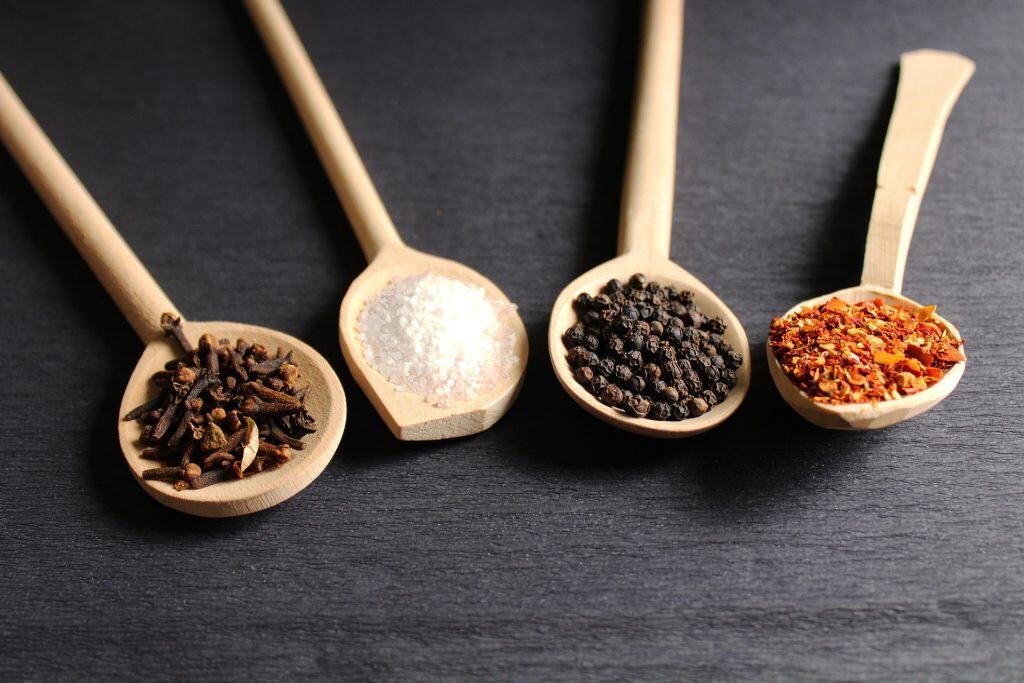
Garlic powder gets a bad rap, but honestly, it’s incredibly useful. Fresh garlic is obviously amazing, but garlic powder has its place, too. It distributes evenly, it doesn’t burn as easily as fresh garlic, and it’s perfect for dry rubs and seasoning blends. I use it on roasted vegetables, in marinades, and anytime I want garlic flavor without the moisture that fresh garlic adds. Just don’t confuse it with garlic salt – that’s a different thing entirely.
Black pepper seems obvious, but here’s what I learned: pre-ground pepper that’s been sitting in your cabinet for months tastes like nothing. Get yourself a pepper grinder and whole peppercorns. Freshly ground black pepper has this sharp, almost floral spiciness that actually enhances your food. I grind it over everything – roasted vegetables, salads, eggs, grilled proteins. It’s especially good combined with lemon juice on fish or chicken.
The Warm Spices for Sweet and Savory
These spices bridge the gap between sweet and savory dishes, and they’re absolute essentials for fall and winter cooking (though I use them year-round, honestly).
Cinnamon isn’t just for desserts and oatmeal. I add a pinch to chili, beef stews, and roasted sweet potatoes. It adds this subtle warmth and almost sweetness without any sugar. Ceylon cinnamon is considered the “true” cinnamon and has a more delicate, complex flavor than cassia cinnamon (which is what most grocery stores sell). I keep both because cassia is bolder for baking, and Ceylon is better for savory dishes.
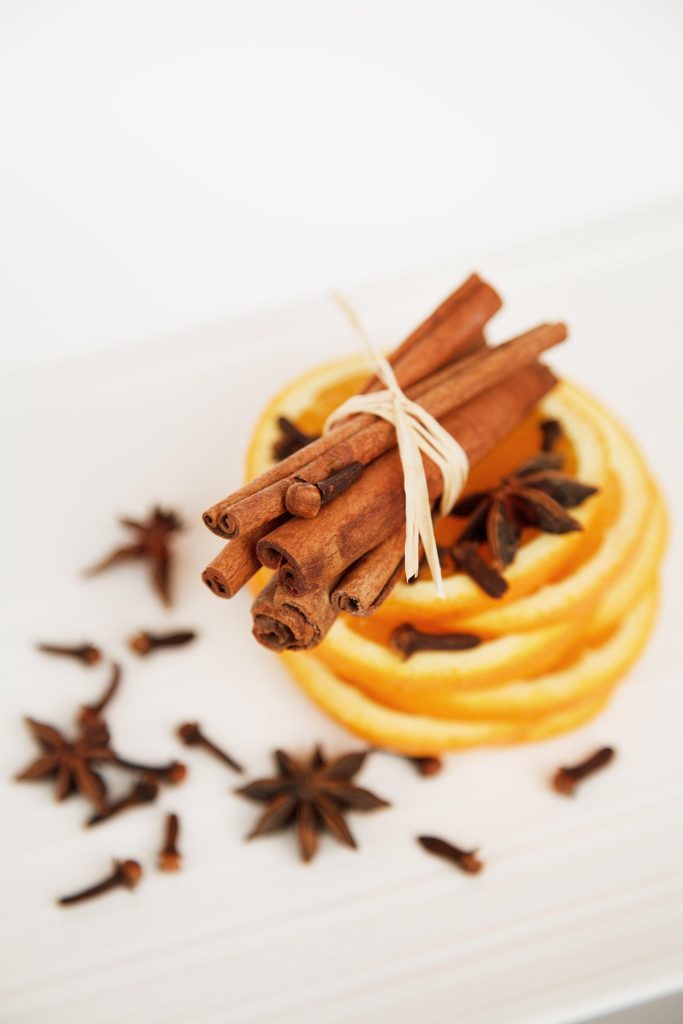
Ginger in ground form is completely different from fresh ginger, and you need both in your life. Ground ginger has this concentrated, almost spicy-sweet flavor that’s perfect for baking, smoothies, and homemade chai. I also add it to stir-fries when I don’t have fresh ginger on hand, though it’s not quite the same. It pairs beautifully with cinnamon and is great in marinades for chicken or pork.
Nutmeg was a revelation for me in savory cooking. Everyone thinks nutmeg is just for pumpkin pie, but a tiny grating in cream sauces, over roasted Brussels sprouts, or in mashed cauliflower is incredible. Buy whole nutmeg and a microplane grater – pre-ground nutmeg loses its flavor fast and tastes slightly musty. One whole nutmeg will last you forever since you only need like 1/8 teaspoon at a time.
The Mediterranean Must-Have Spices
If you’re cooking Mediterranean-inspired food (which is naturally very clean-eating-friendly), these spices are essential.
Oregano is one of those spices where dried is actually better than fresh for most cooking. Dried oregano has this concentrated, almost piney flavor that stands up to long cooking times. I use it in tomato sauces, on roasted vegetables, in Greek-style chicken marinades, and on homemade pizza. Greek oregano is more pungent than Mexican oregano – they’re actually different plants, so pay attention to which one you’re grabbing.
Basil in dried form is great for sauces and soups where it has time to rehydrate and bloom. I add it to marinara sauce, minestrone, and Italian-style meatballs. But remember – fresh basil at the end is completely different and both have their place. I probably use dried basil 2-3 times a week in something.
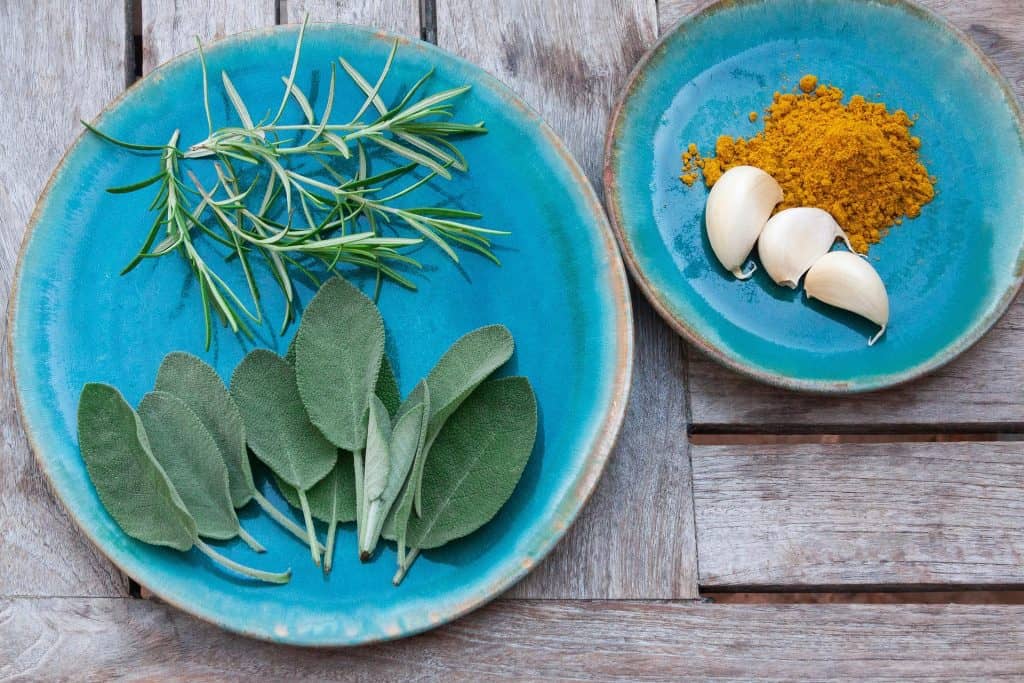
Rosemary is powerful stuff, so you don’t need much. I use dried rosemary in roasted potato dishes, with lamb, in white bean soups, and on focaccia bread. The needles can be kind of tough even when dried, so I sometimes crush them a bit with a mortar and pestle before adding them to dishes. Fresh rosemary is better for some things, but dried rosemary is shelf-stable and works great for most applications.
Thyme has this subtle, earthy, almost lemony flavor that I didn’t appreciate until I started using it more. It’s phenomenal with chicken, in vegetable soups, on roasted mushrooms, and in grain dishes. Dried thyme is one of those spices that I add early in cooking so it has time to infuse the whole dish. It’s also a key component in herbes de Provence if you want to get fancy.
The Heat Bringer Spices
Not everyone loves spicy food, but even if you don’t want your mouth on fire, having a few heat-related spices gives you options for adding complexity and interest.
Cayenne pepper is my go-to when I want heat without changing the flavor profile too much. Just a tiny pinch adds warmth without making things taste specifically “hot sauce-y” or “chili-flavored.” I use it in chocolate dishes (sounds weird, tastes amazing), in roasted nuts, and to add a kick to basically any savory dish. Start with like 1/8 teaspoon and work your way up – this stuff is potent.
Crushed red pepper flakes are different from cayenne because they add both heat and texture. You see these shakers at pizza places for a reason – they’re perfect sprinkled on top of finished dishes. I use them in pasta sauces, on roasted vegetables right before serving, in stir-fries, and anywhere I want a little heat with some visual interest. They’re also great infused in olive oil.
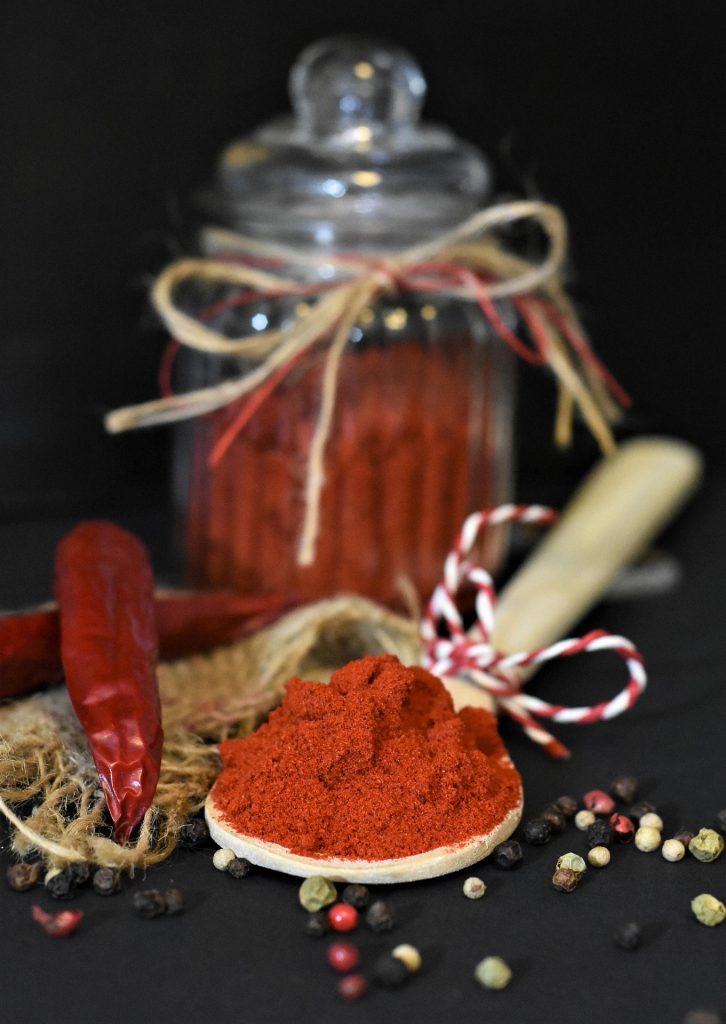
Chili powder is actually a blend of spices, not just ground chilies, which confuses people. Most chili powder contains cumin, garlic powder, oregano, and paprika along with ground chili peppers. It’s obviously essential for chili, but I also use it in taco seasoning, on roasted chickpeas, in black bean soups, and as part of dry rubs for proteins. Just check the ingredients – some brands add sugar or anti-caking agents you might not want.
Smoked paprika deserves its own mention separate from regular paprika because it brings something unique. It has this deep, smoky flavor like your food was cooked over a wood fire. I use it on roasted cauliflower, in deviled eggs, on roasted chicken, and in vegetarian dishes to add some depth and smokiness. A little goes a long way, and it can make simple vegetables taste way more interesting.
The Secret Weapon Spices
These might seem less essential, but they’ve become staples in my kitchen because they do things other spices can’t.
Turmeric got super trendy for its anti-inflammatory properties, but beyond the health benefits, it adds this earthy, slightly bitter, peppery flavor and that gorgeous golden color. I use it in curries, obviously, but also in scrambled eggs, roasted vegetables, rice dishes, and golden milk. Fair warning – it stains everything, including your fingers and countertops, so handle with care. And it’s way more effective when paired with black pepper, which helps your body absorb its beneficial compounds.
Coriander is the seed of the cilantro plant, but it tastes nothing like cilantro (which is good news if you’re one of those people for whom cilantro tastes like soap). It’s got this warm, citrusy, slightly sweet flavor that’s common in Indian and Middle Eastern cooking. I use ground coriander in curry blends, on roasted carrots, in homemade sausage, and in spice rubs for pork. It’s underrated and deserves more love.
Fennel seeds have this sweet, licorice-like flavor that sounds polarizing but works beautifully in Italian cooking and with pork dishes. I toast them and add them to tomato sauces, use them in homemade Italian sausage, and sometimes crush them to sprinkle on roasted vegetables. If you don’t like black licorice, you might think you’ll hate fennel, but it’s much more subtle and complex. Give it a shot.
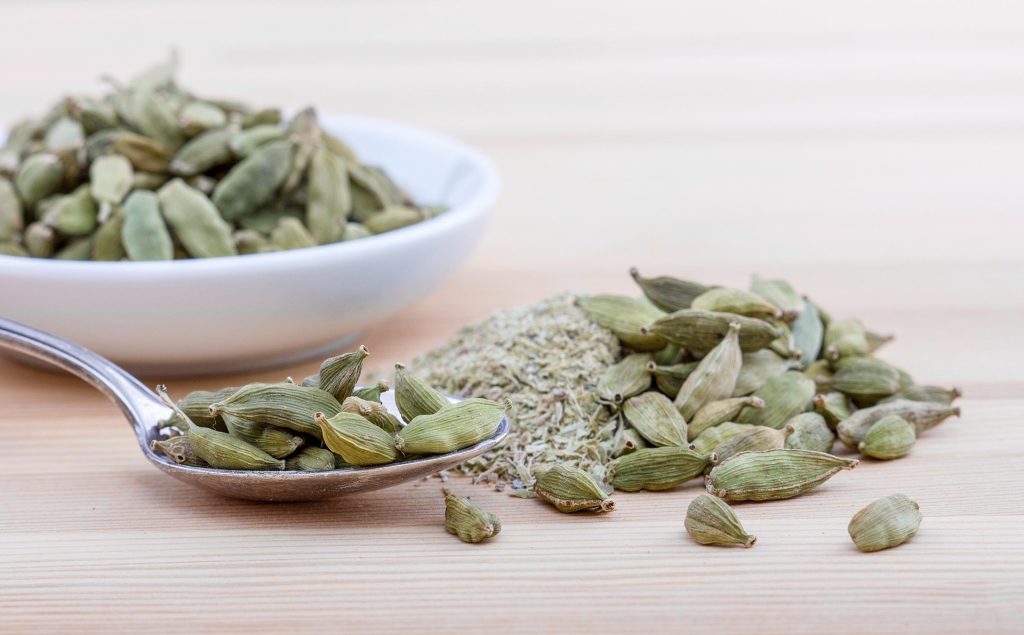
Cardamom is expensive, I’m not gonna lie. But a little goes a long way, and it adds this incredible floral, citrusy, slightly spicy flavor that’s common in Indian and Scandinavian cooking. I use it in chai, in rice pudding, in curries, and sometimes in coffee. Ground cardamom loses its flavor quickly, so buy whole pods if you can and grind them as needed. It’s a special occasion spice for me, but when I use it, the dish becomes memorable.
The Practical Stuff: Storage and Freshness
Here’s what nobody tells you about spices: they don’t last forever. I used to think spices were basically immortal, but they actually lose their potency over time. Ground spices are good for about 2-3 years if stored properly, and whole spices last 3-4 years.
Keep your spices in a cool, dark place – not above your stove where heat and moisture destroy them. I learned this the hard way when all my spices turned into flavorless dust. Now they’re in a drawer away from heat sources, in airtight containers.
Light is another enemy of spices. If you store them in clear glass jars on open shelving where sunlight hits them, they’re gonna lose their flavor way faster. Amber glass bottles or opaque containers are better, or keep them in a closed cabinet or drawer where light can’t reach them.
Humidity is the third culprit. Never shake spices directly over a steaming pot because that moisture gets into the bottle and can cause clumping or even mold. Instead, measure your spices into your hand or a small dish first, then add them to your cooking.
Buy spices in small quantities unless you use them constantly. And please, write the purchase date on your spices with a Sharpie. Future you will thank you.
Smart Spice Storage Solutions
Once you start building a decent spice collection, you need a system, or things get chaotic real fast. I’ve tried a bunch of different storage methods, and here’s what actually works.
For Cabinet Storage
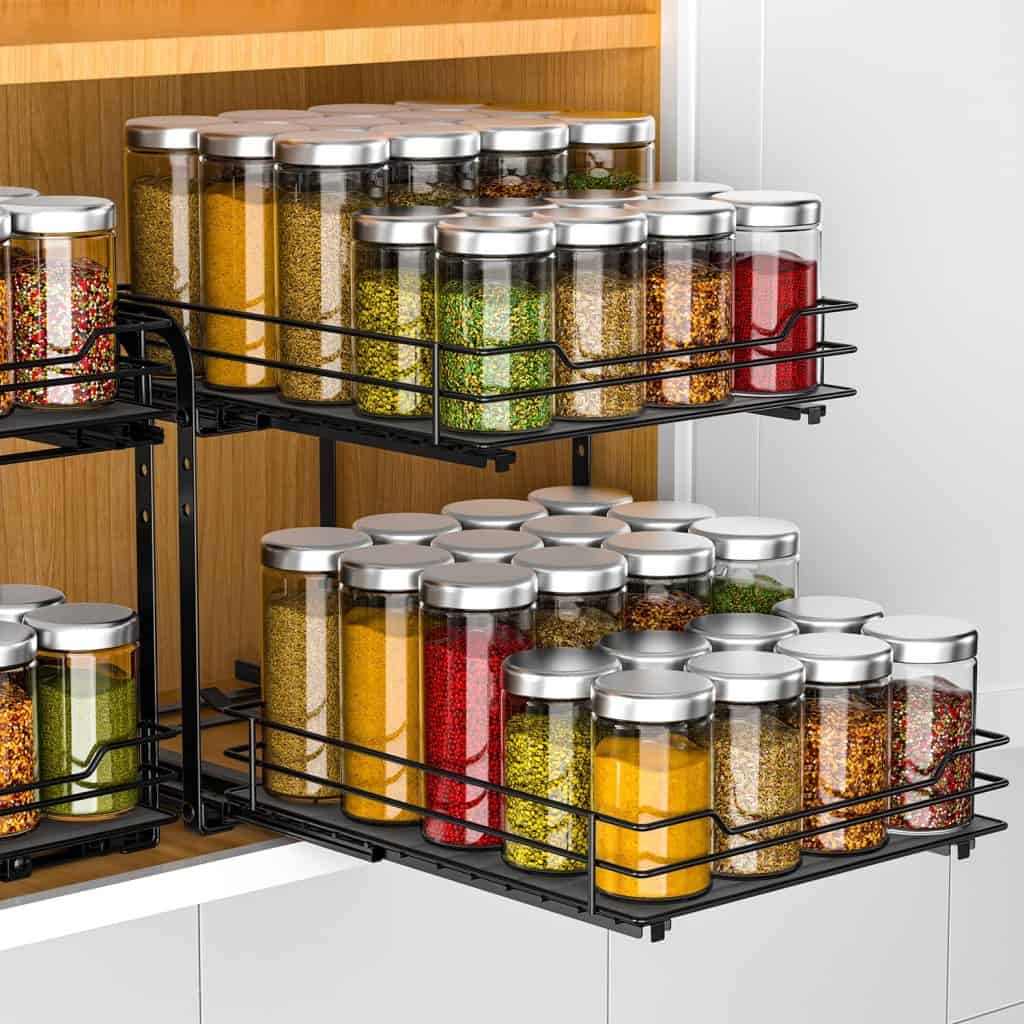
If you’re keeping your spices in a cabinet, tiered shelving is a game-changer. Those expandable tiered shelves (they’re like steps) let you see everything at once instead of having bottles hidden behind other bottles. I got a set of three-tier shelf organizers, and suddenly I could actually find my spices without playing a frustrating game of hide-and-seek.
Pull-down spice racks that mount inside cabinet doors are brilliant for small kitchens. You open the cabinet, pull down the rack, and all your spices are right there at eye level. The Container Store and Rev-A-Shelf both make good versions. They typically hold 20-30 spice jars, depending on the size. Just make sure the spices aren’t too close to any heat sources.
Lazy Susans work great in corner cabinets or deep cabinets where things get lost in the back. Get the two-tiered ones to maximize vertical space. I keep my less-used spices on the bottom tier and everyday spices on top. Spin, grab, done.
If you’ve got the cabinet space, those pull-out spice rack inserts are amazing. They’re narrow vertical cabinets (usually 6 inches wide) that slide out and have shelves on both sides. Everything’s visible, nothing gets lost, and you can fit like 40-50 spice bottles in a tiny footprint. They’re not cheap to install, but if you’re doing a kitchen renovation or have the budget, they’re worth it.
For Drawer Storage
Drawer storage is actually my favorite method because spices stay flat, labels face up, and you can see everything at once when you open the drawer. It’s like a spice library where nothing hides. My best investment was the Lynk Professional spice drawer organizer.
Bamboo drawer organizers with angled inserts are perfect for this. The angle props the bottles up slightly so you can read the labels without picking them up. YouCopia and mDesign make expandable ones that fit different drawer widths. I have two drawers dedicated to spices now, and it’s honestly the best organizational decision I’ve made.
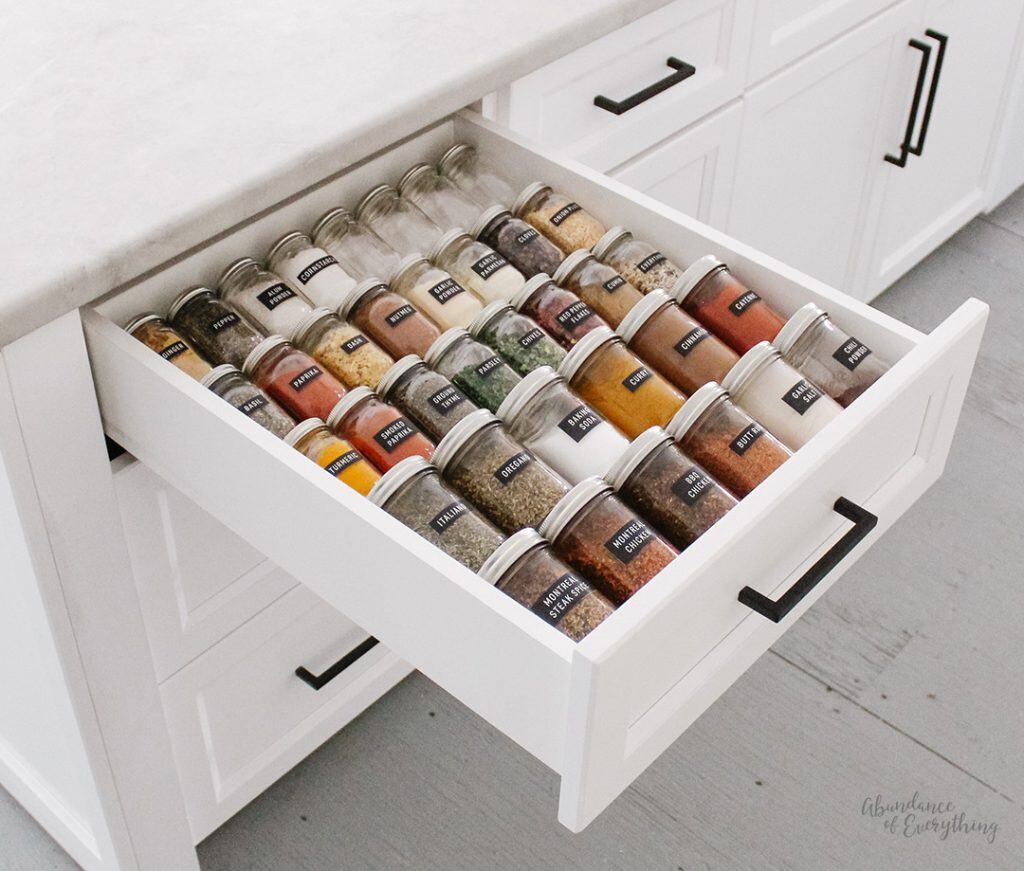
If you want to get really organized, transfer all your spices to uniform glass jars with labels on top. Square jars fit more efficiently in drawers than round ones. I use 4-ounce jars for most spices, and they fit perfectly in my drawer organizers.
Magnetic spice jars are another option if you’ve got a metal surface. The spices are visible, easy to grab, and you’re using vertical space that was probably going unused anyway. Just remember the light and heat issues – if they’re exposed on your fridge, they’ll lose potency faster.
Building Your Collection Without Going Broke
You don’t need to buy all of these at once. Start with the core four (cumin, paprika, garlic powder, black pepper) and build from there based on what you actually cook. If you make a lot of Italian food, grab oregano, basil, and rosemary next. If you’re into Mexican food, get chili powder, cumin, and cayenne.
Ethnic grocery stores often have way better prices on spices than regular supermarkets, and the quality is usually better, too. I get most of my spices from an Indian market near me for like a third of what they cost at the chain grocery store.
McCormick, The Spice House, and other spice specialty stores are great for quality, but you’ll pay more. For everyday cooking, mid-range grocery store spices are totally fine. Just check that they’re relatively fresh.
What This All Means for Your Cooking
Once you have a decent spice collection, clean eating stops feeling like deprivation and feels like actual cooking. Grilled chicken breast goes from boring diet food to Moroccan-spiced chicken, Italian herb chicken, or smoky paprika chicken. Roasted vegetables become exciting instead of repetitive.
The key is not being afraid to experiment. If a spice combination doesn’t work, you learned something. Most of my best spice discoveries happened because I just threw something in and hoped for the best. Start with small amounts, taste as you go, and trust your instincts.
Clean eating is supposed to be sustainable, and food you actually want to eat is way more sustainable than food that tastes like cardboard. These spices are what bridge that gap.
Frequently Asked Questions
Q: What are the best spices for clean-eating beginners?
A: Start with the Core Four: cumin, paprika, garlic powder, and freshly ground black pepper. These four spices work across dozens of recipes and will transform your everyday cooking without overwhelming your spice budget. Once you’re comfortable, add cinnamon, oregano, and cayenne to your rotation.
Q: Are spices considered clean eating?
A: Yes — single-ingredient, additive-free spices are 100% clean eating-friendly. They’re plant-based, calorie-free in the amounts we use, and many carry genuine health benefits. Just read labels and avoid spice blends that include added sugar, fillers, or anti-caking agents you don’t recognize.
Q: How long do spices last, and how do I know if mine are still good?
A: Ground spices stay potent for 2–3 years; whole spices last 3–4 years when stored properly. To test a spice, pour a small amount in your palm and rub it — if it smells strong and vibrant, it’s good. If you get almost nothing, it’s time to replace it. Writing the purchase date on the lid with a Sharpie is the easiest way to stay on top of freshness.
Q: What spices have anti-inflammatory properties?
A: Turmeric is the most well-researched — its active compound, curcumin, has been widely studied for anti-inflammatory effects. Black pepper enhances turmeric absorption significantly, so pair them together. Ginger, cinnamon, and cayenne have also been studied for anti-inflammatory and antioxidant properties.
Q: What’s the best way to store spices to keep them fresh?
A: Store spices in airtight containers in a cool, dark place away from your stove. Avoid heat, light, and humidity — these are the three things that kill spice potency fastest. A dedicated drawer with angled organizers or a tiered cabinet shelf are both great options. Avoid shaking spices directly over a steaming pot.
Q: Can I use spices if I’m on a low-sodium diet?
A: Absolutely — this is one of the best things about building a strong spice cabinet. Pure spices contain no sodium, which means you can create incredibly flavorful food without adding salt. Garlic powder (not garlic salt), cumin, paprika, herbs, and citrus-forward spices like coriander are especially great for low-sodium cooking.
Q: What’s the difference between smoked paprika and regular paprika?
A: Regular paprika is made from dried ground red peppers and has a mild, slightly sweet flavor. Smoked paprika is made from peppers that are smoked over oak wood before drying, which gives it a deep, savory, wood-fire flavor. They’re not interchangeable — smoked paprika adds a whole different dimension, especially in vegetarian dishes.