The Container Method: How the Right Meal Prep Containers Transformed My Clean Eating

Introduction
I’ve been meal prepping for years now, and I can tell you that having the right containers makes all the difference. I’ve wasted money on cheap containers that cracked after a few washes, leaked all over my bag, and made my food taste like plastic. Through trial and error, I’ve finally figured out what works.
Let me share everything I’ve learned about choosing meal prep containers that will actually make your clean eating journey easier, not harder.
Why Your Containers Matter More Than You Think
When I first started meal prepping, I grabbed whatever plastic containers I had in my cabinet. Big mistake. Within a week, I had tomato sauce stains that wouldn’t come out, warped lids that no longer sealed, and a lunch bag full of spilled quinoa.
Good containers do more than just hold your food. They keep your meals fresh longer, prevent spills, make reheating easy, and help you stick to proper portions. When you invest in quality containers, you’re actually investing in your success with clean eating.
I’ve also noticed that when my food looks good in a nice container, I’m more excited to eat it. It sounds silly, but presentation matters, even when you’re eating alone at your desk.
What to Look for in Meal Prep Containers
Before I break down the specific container categories, let me share the features that matter most. I learned these the hard way, so you don’t have to.
Airtight and leakproof seals are non-negotiable. I once had chicken and broccoli leak all over my work bag. Not only did I lose my lunch, but I also had to clean out my entire bag and wash my laptop case. Now I test every container before I trust it with liquids. A good seal keeps your food fresh and your bag clean.
Microwave-safe containers save so much time. I used to have to transfer my food to a different dish just to reheat it. What a waste of time and extra dishes to wash. Now all my containers can go straight from the fridge to the microwave.
Dishwasher-safe means actually dishwasher-safe. Both the base and the lid need to handle the dishwasher without warping. I’ve had lids that turned into wavy messes after one cycle. Check the bottom of containers for the dishwasher-safe symbol before buying.
Freezer-safe capability gives you flexibility. Sometimes I meal prep two weeks at a time and freeze half the meals. Containers that can handle the freezer without cracking are essential if you want to batch cook.
The right size matters for portion control. This is huge for clean eating. I’ll talk more about this in the portion control section, but having containers in the right sizes helps you eat the right amounts without thinking about it.
Compartments help with balanced meals. I love containers with two or three sections because they remind me to include protein, vegetables, and a healthy carb at every meal. It’s like built-in meal planning.
Stackable designs save so much space. My fridge used to be a disaster of containers that didn’t fit together. Now everything stacks neatly, and I can actually see what I have.
Durability is worth the investment. I’d rather spend more upfront on containers that last for years than keep replacing cheap ones that crack and stain.
Understanding Meal Prep Container Materials: The Real Differences
Let me break down the three main materials you’ll encounter. Each has pros and cons, and the best choice depends on your lifestyle.
Glass Containers
I love my glass containers. They’re my go-to for most meals because they’re completely non-toxic, never absorb odors or stains, and look nice enough to take anywhere.
Glass is perfect for reheating because it distributes heat evenly. I can go from fridge to microwave to table without any worries about chemicals leaching into my food. When I’m meal prepping something with turmeric or tomato sauce, glass is the only material that stays looking new.
The downside is weight. When I’m packing multiple meals for a long day, glass containers make my bag heavy. I’ve also broken a couple when I dropped them, though most modern glass containers are pretty sturdy.
If you meal prep at home and don’t carry your food around much, glass is fantastic. For me, glass containers are worth it for home storage and reheating, but I use other materials when I’m on the go.
Plastic Containers
I used to think all plastic was bad, but I’ve learned that high-quality, BPA-free plastic has its place. The key word here is quality. Cheap plastic containers are a waste of money.
Good plastic containers are lightweight and affordable, which makes them perfect for taking meals to work or the gym. I don’t worry if I forget one at the office or if it gets knocked around in my bag.
However, you must choose BPA-free plastic to avoid harmful chemicals. Even with BPA-free options, I avoid microwaving fatty foods in plastic because heat can cause some plastics to break down over time. I’ll use plastic for cold meals or foods I’ll reheat on a plate.
Plastic is also more likely to stain and absorb odors. I’ve had to throw away plastic containers that permanently smell like garlic or look orange from curry.
Stainless Steel Containers
Stainless steel is incredibly durable and completely non-toxic. I have stainless steel containers that have lasted me five years without a single issue. They’re perfect for salads, sandwiches, and cold meals.
The big limitation is that you cannot microwave stainless steel. This makes steel less practical if you rely on reheating your meals. I use my steel containers for foods I eat cold or when I have access to a stovetop for reheating.
Steel is also more expensive upfront, but the longevity makes it worth the investment for certain uses. I keep a few steel containers for specific purposes but rely more on glass for my everyday meal prep.
Good, Better, Best: Finding Your Perfect Meal Prep Containers
I’ve organized my recommendations into three categories based on budget and needs. You don’t have to buy the most expensive option to succeed at meal prep, but understanding the differences helps you make smart choices.
https://www.amazon.com/BiuLeon-Containers
Good: Budget-Friendly Options That Work
If you’re just starting with meal prep or working with a tight budget, there are decent options that won’t break the bank. I started here, and these containers helped me build my meal prep habit without a huge investment.
What to expect in this category:
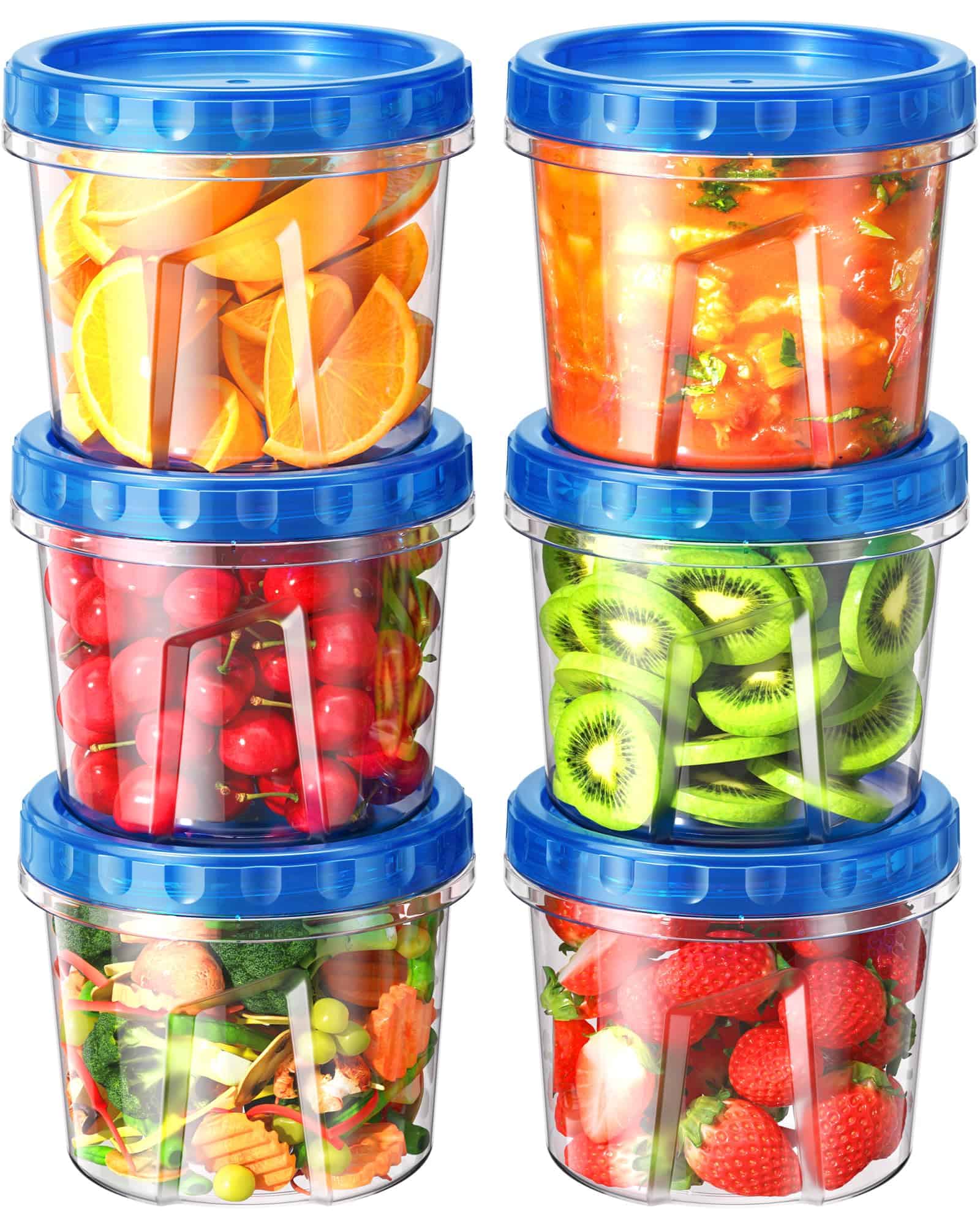
Basic BPA-free plastic containers in the ten to fifteen dollar range for a set of five to ten containers. These usually include mixed sizes, which is actually helpful when you’re figuring out what portions work for you.
The lids might not seal quite as well as premium options, so I avoid packing liquids or soups in these. They’re fine for solid foods like chicken and vegetables or grain bowls.
Quality in this range is hit or miss. Some brands hold up well, while others warp in the dishwasher after a few months. I recommend buying a small set first to test before committing to a full collection.
Best uses for budget containers:
Starting your meal prep journey without a big investment. Trying out meal prep to see if you’ll stick with it. Packing dry or solid foods that won’t leak. Having extras for when you’re cooking large batches and need temporary storage.
I still keep some budget containers around for overflow when I’m doing a big meal prep session. They’re not my primary containers anymore, but they serve a purpose.
Better: Mid-Range Quality for Regular Meal Preppers
This is the sweet spot for most people. Once I knew I was committed to meal prepping, I upgraded to mid-range containers and noticed a huge difference in quality and convenience.
What you get in this category:
Containers in the twenty to forty dollar range for a set of five to seven containers. At this price point, you’ll find much better seals, thicker materials, and more thoughtful designs.
Many mid-range options include glass containers with snap-lock lids that create truly airtight seals. The glass is usually thicker and more resistant to breaking. The lids last longer and maintain their shape through many dishwasher cycles.
You’ll also find better compartment designs in this range. Instead of flimsy dividers, you get separate compartments that actually keep foods apart.
Features that make mid-range worth it:
Reliable leakproof seals that I trust with soups and stews. Containers that go from freezer to microwave without issues. Better portion sizes, like twenty-four to thirty ounce main containers with separate sections. More durable materials that last for years instead of months. Lids that actually stay on when I’m carrying containers in my bag.
I use mid-range containers for my daily meal prep. They’re the workhorses of my kitchen, and I’ve had the same set for over two years without any problems.
Best: Premium Containers for Serious Meal Preppers
If meal prepping is a major part of your lifestyle, premium containers are worth considering. I was skeptical about spending this much on containers, but after using them for a year, I understand the difference.
What premium containers offer:
High-end options range from forty to seventy dollars for a set, or ten to twenty dollars per individual container. At this level, you’re getting the best materials, the most innovative designs, and containers that will last for many years.
Premium glass is often borosilicate glass, which is extra resistant to thermal shock. I can take these straight from the freezer and put them in the microwave without worry. The glass is thick enough to feel substantial but designed to be lighter than standard glass.
The seals on premium containers are engineering marvels. They use silicone gaskets that create vacuum-tight seals. I’ve literally turned these containers upside down with soup inside, and nothing leaks.
Why serious meal preppers choose premium:
Perfect portion control with precisely measured compartments. Multiple size options to match different meal types. Beautiful design that looks professional for work lunches. Lifetime warranties or extensive guarantees. Maximum versatility for freezing, reheating, and storing. Zero concerns about chemicals or materials breaking down.
I own a mix of mid-range and premium containers now. The premium ones are for my most important meals or when I need absolute reliability. They’re an investment, but I use them every single day.
Practical Shopping Tips for the Container Method
After buying dozens of containers over the years, I’ve developed a system for making smart purchases. Here’s what I wish someone had told me from the beginning.
Start Small and Test
Don’t buy twenty containers all at once. Start with a set of three to five containers and use them for a few weeks. See how they hold up to washing, reheating, and daily use. Make sure the size works for your portions and lifestyle.
I made the mistake of buying a huge set of containers that turned out to be too small for my meals. I couldn’t return them once I’d used a few, so I wasted money on containers I never used.
Buy Open Stock When Possible
Some brands sell containers individually, not just in sets. This is great because you can buy extra containers in the sizes you use most. I go through main meal containers faster than snack containers, so I buy more of those.
Having mismatched containers is totally fine if they stack well and serve your needs. Function matters more than having everything match.
Read Reviews Carefully
I always check reviews specifically for these issues: Does the seal stay leakproof after many washes? Do the containers stain easily? Can they handle daily dishwasher use? Are they truly microwave-safe without warping?
Reviews that include photos after months of use are especially helpful. You want to see how containers look after real-world wear and tear, not just when they’re brand new.
Consider Your Full System
Think about your entire storage system, not just individual containers. Will they fit in your fridge? Do they stack in your cabinets? Can you carry them in your lunch bag? Will they fit in your work microwave?
I once bought containers that were too tall for my lunch bag and too wide for my work microwave. They were great containers, but useless for my actual needs.
Watch for Sales and Buy Quality
Quality containers go on sale, especially around New Year’s when everyone is focused on health goals. I wait for these sales to stock up on premium containers at better prices. But I never compromise on quality just to save a few dollars. Cheap containers that break or leak end up costing more in replaced food, wasted time, and having to buy replacements
The Best Meal Prep Container Brands: What I Actually Use
After testing dozens of brands over the years, I’ve found clear winners in different categories. Let me share the brands I trust and why they’ve earned a permanent spot in my kitchen.
https://www.amazon.com/Rubbermaid-Brilliance-Storage
Top Overall Performers
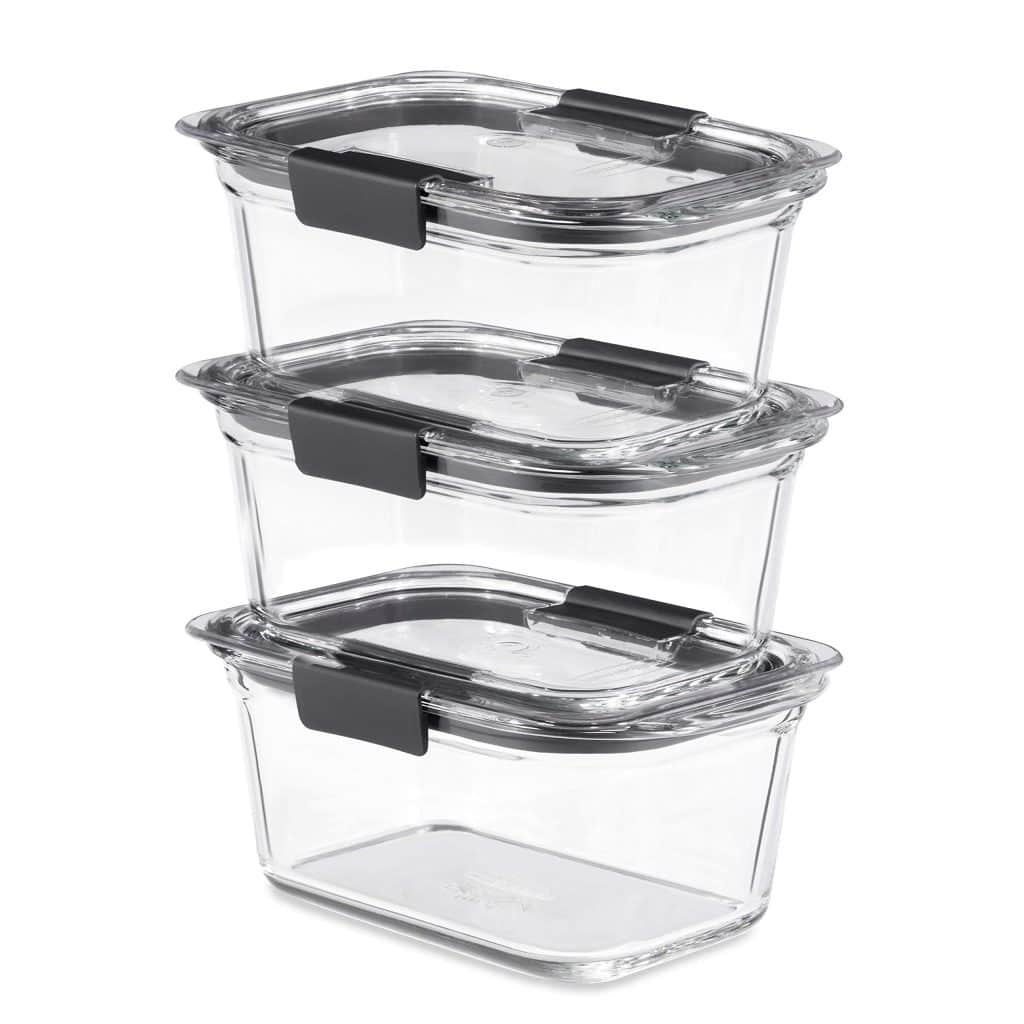
Rubbermaid Brilliance has become my go-to for everyday meal prep. I was skeptical at first because Rubbermaid seems so basic, but the Brilliance line is seriously impressive. These containers are completely leakproof, which I’ve tested by throwing them in my bag with soup inside. They stack perfectly, taking up minimal space in my fridge. The clarity of the plastic means I can see what’s inside without opening them, and they’ve held up beautifully through hundreds of dishwasher cycles.
I also use Rubbermaid’s Flex & Seal line for freezer storage. These are incredibly durable and handle temperature changes without cracking. When I batch cook and freeze meals, these containers protect my food perfectly for weeks.
OXO Smart Seal Glass Container Sets are what I reach for when I want premium quality. The borosilicate glass is noticeably thicker than standard glass containers, and I love that they’re oven-safe. I can use them for meal prep storage, then bake or reheat directly in the oven if needed. The Smart Seal lids have a tab that releases the seal with one touch, which sounds like a small thing but makes opening them so much easier. The airtight seal is no joke—these containers keep food fresh noticeably longer than my cheaper options.
https://www.amazon.com/Pyrex-Freshlock
Best Classic Glass Options
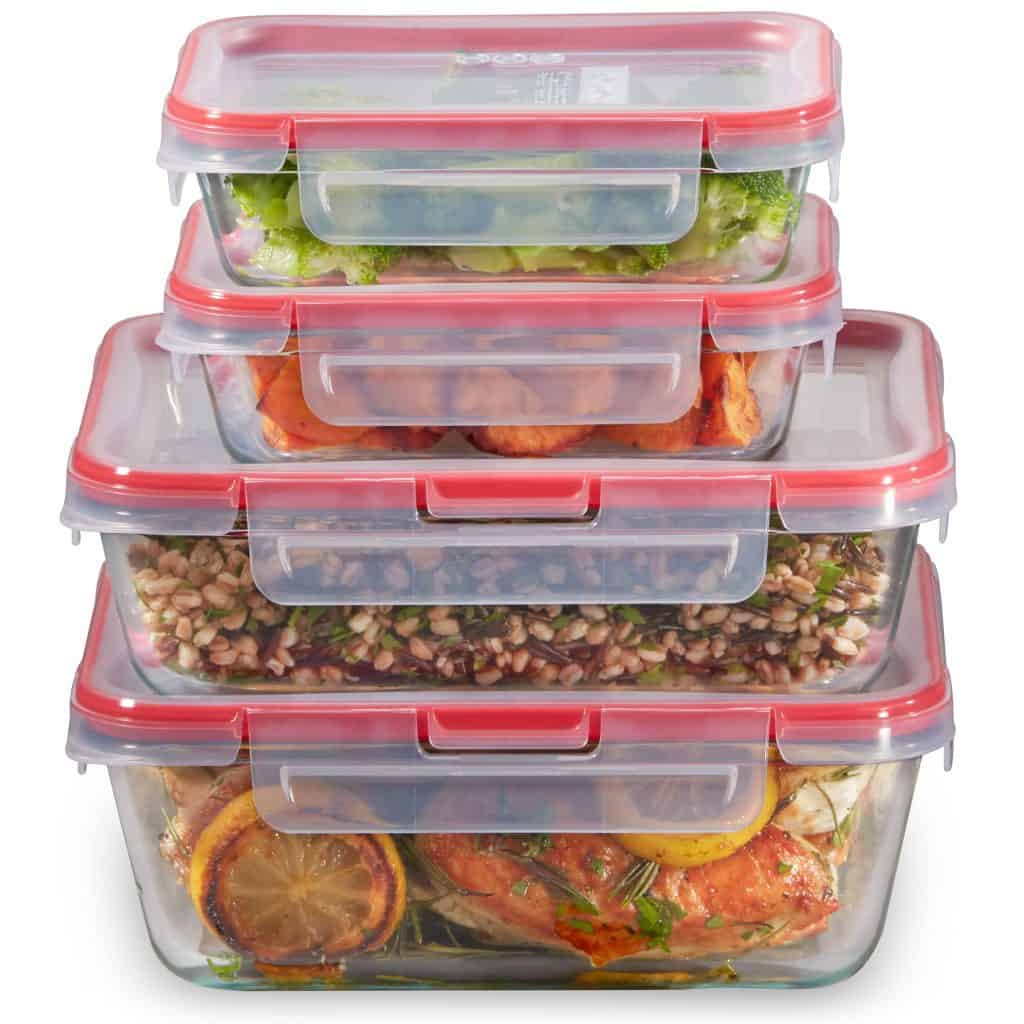
Pyrex is a brand I grew up with, and it’s still a solid choice. I appreciate that Pyrex has been making glass containers for decades, so they’ve perfected the design. The glass is microwave-safe and oven-safe, and I never worry about any chemicals leaching into my food. My Pyrex containers have survived drops that would have shattered lesser brands. https://www.amazon.com/Pyrex-Freshlock
The reliability of Pyrex is hard to beat. When I recommend containers to friends who want something straightforward and trustworthy, Pyrex is always my first suggestion. They’re available everywhere, reasonably priced, and you know exactly what you’re getting.
Snapware deserves more recognition than it gets. I discovered these at Target and was impressed by the robust glass construction. The lids seal well, and the containers work for everything from freezing to baking. I use my Snapware containers for casseroles and baked dishes that I want to store in the same container I cooked them in. The price point is competitive, and the quality rivals more expensive brands.
Premium and Specialty Brands
Caraway represents the high-end of meal prep storage. I’ll be honest—these containers are expensive. But if you want something that feels luxurious and performs flawlessly, Caraway delivers. The glass storage set is beautiful enough to go from fridge to table, and the quality is immediately apparent when you hold them. I use these for meals I’m taking to gatherings or when I want my food storage to look as good as it performs.
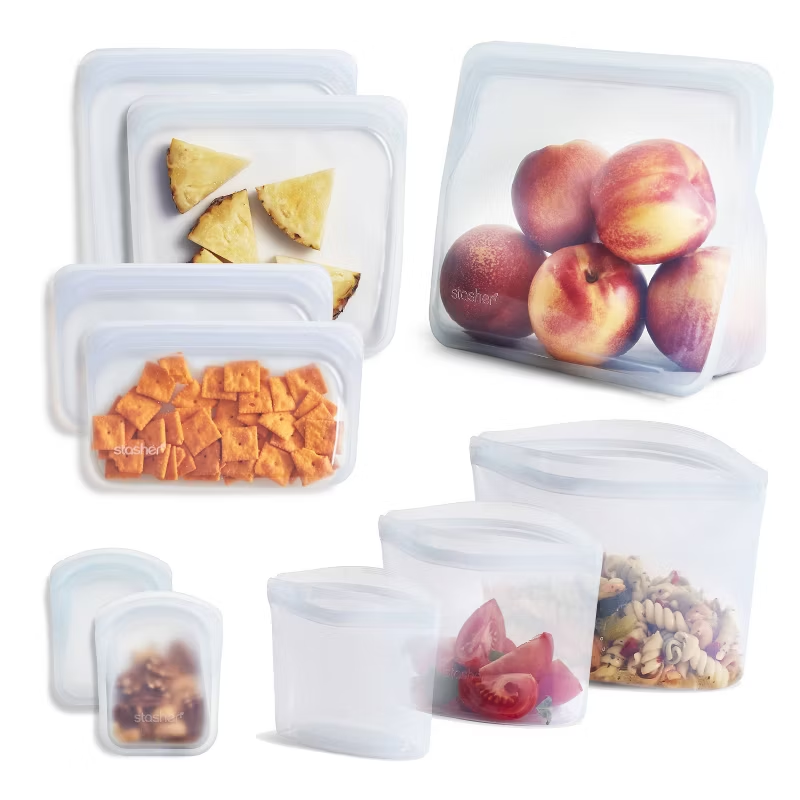
Stasher silicone bags changed how I think about food storage. These aren’t traditional containers, but they’re perfect for certain meal prep needs. I use them for marinating proteins, storing smoothie ingredients for the freezer, or packing snacks. They’re completely safe in the freezer, microwave, and even boiling water. The fact that they’re reusable means I’ve eliminated so many disposable plastic bags from my life. They fold flat when empty, which saves a ton of storage space.
Bentgo is my answer for bento-style meal prep. If you like having multiple small portions in one container, Bentgo is the brand to get. The leak-resistant design with locking clips keeps everything secure, and the compartments are the perfect size for balanced meals. I pack these when I want variety in one meal—protein, vegetables, carbs, and even a small dessert all in one container. They’re especially great for kids’ lunches or when you’re eating on the go.
/https://www.amazon.com/s?k=stasher+silicone+reusable+storage+bag
Budget-Friendly Reliable Brands
Ziploc Endurables surprised me. I didn’t expect much from Ziploc containers, but the Endurables line is genuinely durable. They’re freezer-safe, and I’ve had mine for over a year without any cracks or warping. The price point makes them accessible for anyone starting their meal prep journey. I keep these as my “overflow” containers when I do a massive meal prep session.
FullStar offers incredible value with their large sets. I bought the fifty-piece set when I was hosting a meal prep party with friends, and we were all impressed. The variety of sizes means you have the right container for everything from tiny sauce portions to large salads. The stain resistance is better than I expected from budget containers, and the included labeling system is actually useful. These are perfect if you need a lot of containers without spending a fortune.
Best for Specific Needs
Good Cook and SimpleHouseware are my recommendations for snack-sized containers. You don’t need expensive containers for small portions, and these brands offer affordable, functional options. I use them for nuts, cut vegetables, hard-boiled eggs, and other snacks. They do exactly what they need to do without any frills.
SimpleHouseware also makes great organizers for storing meal prep containers when they’re empty. I use their drawer dividers to keep lids organized, which has saved me so much frustration.
My Personal Brand Mix
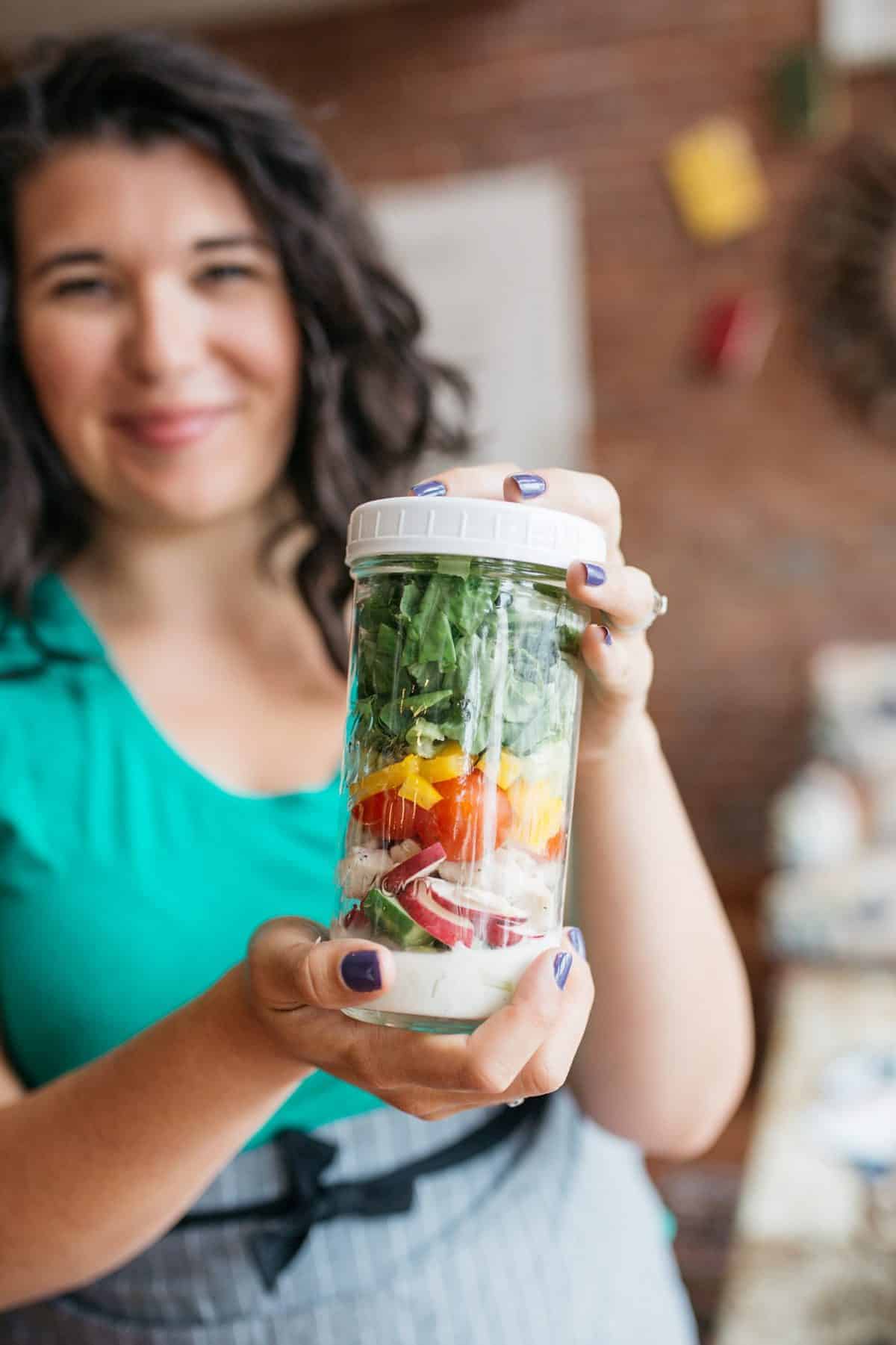
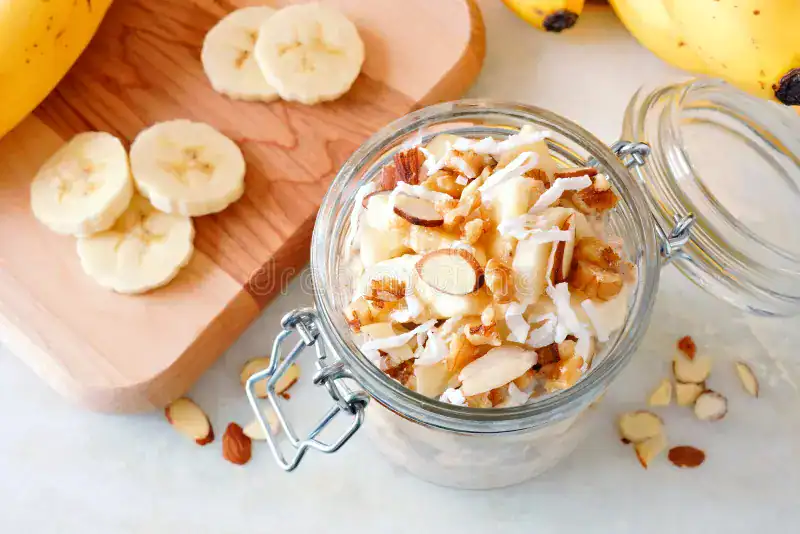
I don’t stick to just one brand because different brands excel at different things. My current setup includes OXO glass containers for my main meals, Rubbermaid Brilliance for anything with liquid, Stasher bags for freezer storage and snacks, and FullStar containers for overflow and variety. I even use wide mouth mason jars with reusable plastic lids for drinks, soups and overnight oats. https://www.amazon.com/Ball-Wide-Leakproof-Airtight-Dishwasher
This mix gives me the best performance for each specific need without overspending on premium containers for every single purpose. The key is knowing which meals need your best containers and where you can use more affordable options.
What to Consider When Choosing Brands
Don’t just follow my recommendations blindly. Think about your specific needs. If you mostly eat at home and reheat in the oven, glass brands like Pyrex or OXO make sense. If you’re constantly on the go and need lightweight options, Rubbermaid or Ziploc might be better choices.
Consider how much you’re willing to invest upfront versus over time. Cheap containers that you replace every six months end up costing more than quality containers that last for years. I’ve learned that spending a bit more initially usually saves money in the long run.
Also think about availability. Some premium brands are only available online, while brands like Rubbermaid, Pyrex, and Snapware are in most stores. Being able to easily replace or add to your collection matters more than you might think.
Conclusion – My Final Thoughts on The Container Method
Investing in good meal prep containers was one of the best decisions I made for my clean eating journey. The right containers make meal prep easier, help control portions naturally, and take the guesswork out of healthy eating.
You don’t need the most expensive containers to succeed, but you do need containers that are reliable, appropriately sized, and suited to your lifestyle. Start with quality basics, learn what works for your specific needs, and build your collection over time.
The goal is to make clean eating as convenient as possible. When your food stays fresh, looks appealing, and comes in the right portions, you’re so much more likely to stick with healthy habits. Your containers are tools that support your success, and they’re worth choosing carefully.
/https://kelliannscheibe.com/clean-eating-beginners-guide-2026