7 Clean Eating Rules: The Complete Beginner’s Guide to Getting It Right


Introduction
Here’s a wild stat: surveys consistently show that nearly half of all Americans say they’re trying to eat healthier — yet diet-related chronic diseases keep climbing every year. So what gives? Why are so many people trying and still feeling stuck, confused, or just plain exhausted by the whole thing? I think a big part of the answer is that nobody ever gave them a clear, simple framework to work from.
When I first decided to clean up my eating, I went down a rabbit hole that left me more overwhelmed than when I started. One article said to cut all carbs. Another said fat was the enemy. A nutritionist on Facebook told me I needed to eat six small meals a day. A blogger told me that it was completely wrong and that three meals were the only way. I didn’t know who to believe, and honestly, I almost gave up before I even started.
What I eventually figured out — after a lot of trial and error, and more than a few frustrating grocery store meltdowns — is that clean eating isn’t about following a perfect set of rules. It’s about having a flexible framework of simple guidelines that help you make better choices most of the time. In this guide, I’m going to walk you through the ten core clean eating rules that actually matter. These aren’t arbitrary restrictions. They’re practical, real-life principles that work — and they’re way more manageable than anything the diet industry has been selling you. Let’s get into it. Check out one of my pillar articles: What is Clean Eating?
Why Clean Eating Rules Matter (And Why Most People Overcomplicate Them)
Can I be honest with you for a second? The word “rules” makes a lot of people nervous, and I get it. We’ve all been burned by diet rules before. Cut this, never eat that, earn your food with exercise, feel guilty if you slip. That kind of rule-based thinking is exhausting and, frankly, it doesn’t work. It creates an unhealthy relationship with food and sets you up for an inevitable crash.
Clean eating guidelines are fundamentally different from diet rules — and that distinction matters more than almost anything else I could tell you. Diet rules are typically rigid, all-or-nothing, and designed to create a short-term result. Clean eating guidelines are flexible, forgiving, and designed to build long-term habits. One is a cage. The other is a compass.
The reason so many people overcomplicate clean eating is that they import diet culture thinking into a lifestyle approach that was never meant to work that way. They turn every guideline into an absolute rule, every slip into a failure, every imperfect food choice into evidence that they “can’t do it.” That mindset is the real problem — not the food.
Having a loose framework actually helps beginners enormously. When you have a general set of principles guiding your choices, you don’t have to think quite so hard in the grocery store or at a restaurant. You have a mental checklist to reference. Is this a whole food? Can I recognize the ingredients? Does this have a ton of added sugar? Those simple questions create a decision-making shortcut that gets faster and more intuitive over time. Think of these rules less as laws and more as really good habits you’re building, one choice at a time.
Rule #1 — Choose Whole, Minimally Processed Foods First
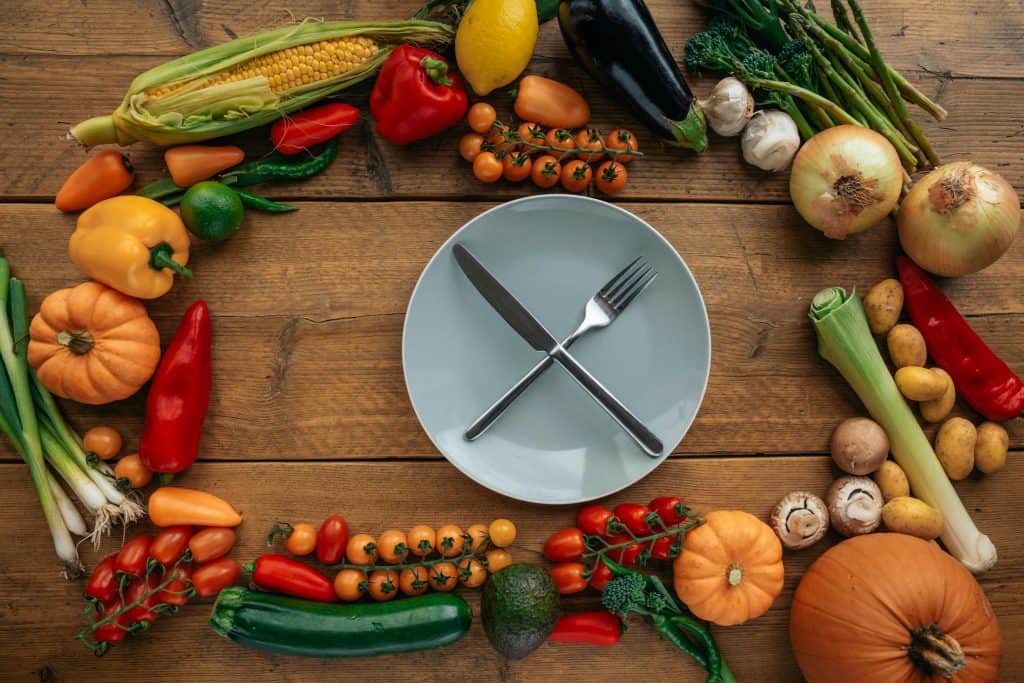
This is the big one. If there’s a single rule that forms the foundation of clean eating, it’s this: always reach for the whole, minimally processed option first. Everything else kind of flows from here.
So what does “minimally processed” actually mean when you’re standing in the grocery store? It means the food is as close to its natural state as possible. An avocado is minimally processed. Guacamole made from avocado, lime, and salt? Still pretty clean. Guacamole-flavored corn chips with 22 ingredients and three kinds of artificial flavoring? That’s where we’ve gone off the rails.
The contrast becomes really clear when you look at everyday food swaps. Oats from a canister — one ingredient, clearly clean — versus a packet of “maple brown sugar” flavored instant oats with added sugars, natural flavors, and artificial colors. A whole baked potato versus a bag of potato chips. A piece of grilled chicken versus a frozen chicken patty with a paragraph-long ingredient list. The whole-food version is almost always distinguishable from the processed one.
My favorite beginner shortcut is what I call the “one ingredient test.” Pick up any food and ask: Is this food itself just one ingredient? An apple — yes. A bag of almonds — yes. A granola bar with 18 ingredients — no. The closer a food is to being a single ingredient, the cleaner it probably is. This test isn’t perfect for everything, but it’s a fantastic starting point when you’re still learning to navigate labels. It makes shopping faster and takes a lot of the guesswork out of clean eating right from the start.
Rule #2 — Read Every Ingredient Label (Not Just the Nutrition Facts)
This rule changed my entire relationship with food, and I’m not exaggerating. I used to flip packages over, glance at the calorie count, and put them in my cart if the number seemed acceptable. I had no idea I was completely ignoring the most important information on the label.
The nutrition facts panel tells you how much of something is in a food. The ingredient list tells you what that food actually is. And those are very different things. A product can have a perfectly reasonable calorie count and still be full of artificial ingredients, hidden sugars, and chemicals you’d never knowingly choose to eat. The ingredient list is where the truth lives.
So what are the red flags you’re looking for? At the top of the list: added sugars hiding under names like high fructose corn syrup, cane syrup, dextrose, maltose, corn syrup solids, and evaporated cane juice. Then there are partially hydrogenated oils — that’s trans fat, which is about as far from clean as it gets. Artificial colors (Red 40, Yellow 5, Blue 1), artificial flavors, sodium nitrate, carrageenan, and anything that ends in “-ose” that you can’t identify are all worth noting.
If all of this feels like a lot to keep in your head while you’re standing in the grocery aisle, that’s exactly why I love the Yuka app. You scan the barcode with your phone, and it instantly scores the product and flags exactly which ingredients are the problem — no memorizing chemical names required. I still read the label myself, but Yuka is a great gut-check when I’m unsure, and it’s especially helpful for teaching this skill to someone who’s just starting out.
The trickiest part is that these ingredients show up in foods marketed as healthy. Low-fat salad dressings loaded with sugar and gums. “Whole grain” crackers with hydrogenated palm oil. Protein bars that read more like a candy ingredient list than a health food. A good beginner shortcut is the five-ingredient guideline: if a packaged food has more than five ingredients, look closely at what those ingredients are. It doesn’t automatically make something bad, but it’s a useful prompt to pause and check — and if you want a second opinion, that’s exactly when I pull out Yuka. The more you practice reading labels, the faster and more automatic it becomes — I promise.
Rule #3 — Cut Out Added Sugar (Not Natural Sugar)
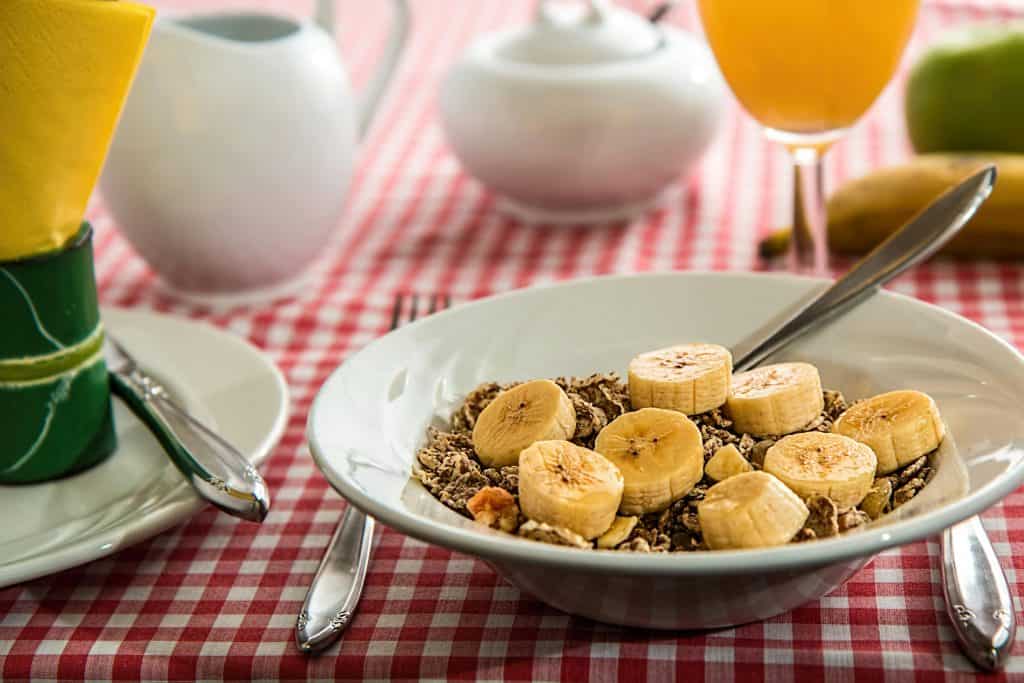
Let me say this clearly because it’s one of the most misunderstood aspects of clean eating: natural sugar is not the enemy. The sugar in a banana, in a cup of berries, in a glass of milk — that sugar comes packaged with fiber, vitamins, minerals, and water. Your body handles it completely differently than it handles the refined added sugar dumped into processed foods.
Added sugar, on the other hand, is sugar that’s been extracted from its natural source and added to food during processing. It provides calories with zero nutritional value — no fiber, no vitamins, no minerals — and it spikes your blood sugar in a way that triggers a crash, cravings, and overeating. Over time, consistently high added sugar intake is linked to inflammation, insulin resistance, weight gain, and a whole host of chronic health issues.
Here’s the maddening part: added sugar is in everything. Obviously, it’s in candy, soda, and desserts. But it’s also in pasta sauce, ketchup, bread, flavored oatmeal, store-bought soups, salad dressings, “healthy” cereals, protein bars, sports drinks, and flavored yogurt. I once picked up a popular brand of vanilla yogurt, and it had more sugar than a candy bar. I put it back, and my day was never the same.
For beginners, I recommend starting by just noticing added sugar — not obsessing over eliminating it right away. Check the “Added Sugars” line on the nutrition label (it’s listed separately now, which is helpful). The American Heart Association recommends women stay under 25 grams of added sugar per day. Most Americans consume around 77 grams. Start working toward awareness, then reduction. Swapping flavored yogurt for plain, making your own salad dressings, and cutting back on soda are three of the highest-impact changes you can make right away.
Rule #4 — Build Every Meal Around Protein, Fiber and Healthy Fat
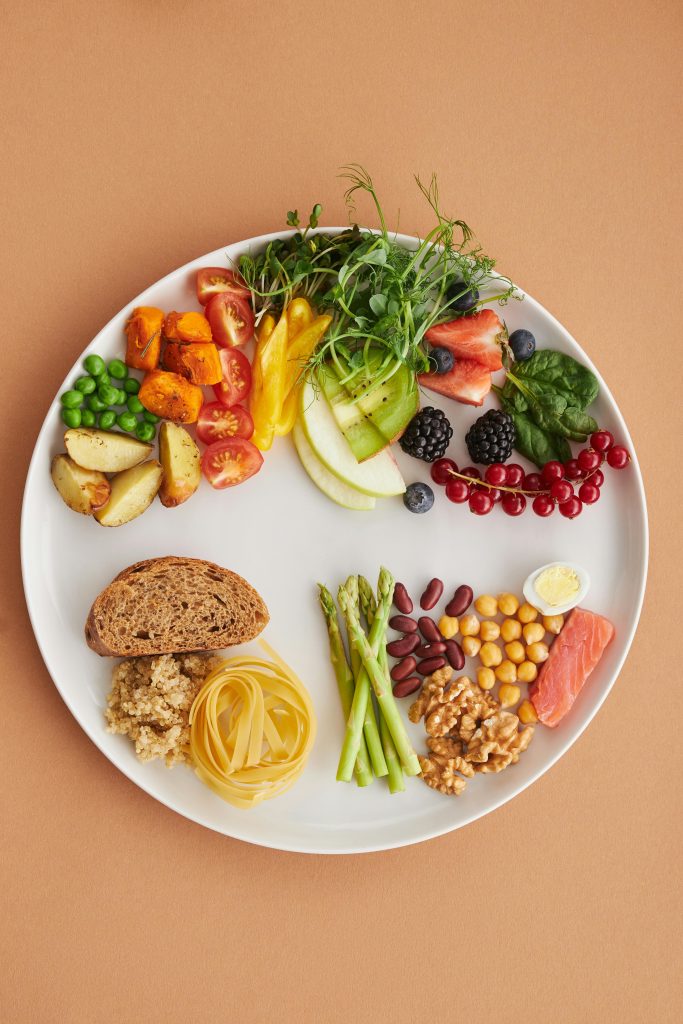
If I had to give you one practical framework for building a clean eating plate, it would be this: make sure every meal has a quality protein source, a healthy fat, and something fiber-rich. This trio is the secret weapon for staying full, maintaining steady energy, and avoiding the blood sugar rollercoaster that leads to afternoon crashes and snack attacks.
Here’s why each one matters. Protein slows digestion, supports muscle maintenance, and is the most satiating macronutrient — meaning it keeps you full longer than anything else. Healthy fat is essential for absorbing fat-soluble vitamins, supporting hormone health, and providing slow-burning energy. Fiber feeds your gut bacteria, regulates digestion, blunts the blood sugar impact of carbohydrates, and adds bulk to meals so you feel genuinely satisfied.
When you consistently build meals around these three things, you stop feeling hungry an hour after eating. You stop needing that afternoon sugar fix. Your energy becomes more consistent throughout the day, and cravings start to lose their grip. It’s honestly remarkable how different you feel when you’re actually nourishing your body instead of just filling it.
Some practical examples: breakfast could be eggs (protein + fat) with spinach (fiber) and a slice of whole-grain toast. Lunch could be a salad with grilled chicken (protein), avocado (fat), and plenty of vegetables and chickpeas (fiber). Dinner could be salmon (protein + fat) with roasted sweet potato and broccoli (fiber). Snacks can follow the same framework — apple with almond butter, Greek yogurt with chia and berries, and a small handful of nuts. You don’t need to track macros obsessively. Just ask yourself at each meal: Do I have a protein? A healthy fat? Something fiber-rich? If yes, you’re doing great.

Rule #5 — Drink Clean (What You Drink Matters as Much as What You Eat)
This is the rule that surprises people the most, and it’s the one I see ignored constantly — even by people who are otherwise eating really well. What you drink matters enormously. You can eat a perfectly clean diet and completely undermine it with what you’re sipping throughout the day.
Let’s talk about what counts as a clean beverage. Water is the obvious gold standard — plain, sparkling, infused with fruit or herbs, any of it works. Unsweetened herbal tea and black coffee are clean. Green tea is clean. Even kombucha (the low-sugar variety) falls into the clean category. These are all beverages that hydrate you without loading you up with added sugars, artificial sweeteners, or chemical additives.
What are we cutting back on? Soda — regular and diet. Regular soda is loaded with added sugar; diet soda swaps that for artificial sweeteners, which may interfere with gut bacteria and still trigger cravings for sweet foods. Fancy coffee drinks from chains are often sugar bombs in disguise — a flavored latte from a popular chain can have 50+ grams of added sugar. Fruit juice, even “100% natural” juice, has had its fiber removed and delivers a concentrated sugar hit without the nutritional buffer of whole fruit. Sports drinks are mostly sugar water unless you’re a competitive athlete training seriously.
Here’s a practical approach for beginners: start by replacing one sugar-sweetened beverage a day with water or unsweetened sparkling water. See my ‘Best Beverages to Clean Eating‘ guide for ideas. Add a squeeze of lemon or some fresh mint if plain water bores you. Gradually reduce your dependency on sweetened drinks over a few weeks rather than cutting everything cold turkey. Your taste buds actually adapt over time — what tasted too sweet before will start to taste almost sickeningly sweet once you’ve reduced your sugar intake. The transformation is real, and it happens faster than you’d think.
Rule #6 — Don’t Fear Healthy Fats or Whole Food Carbs
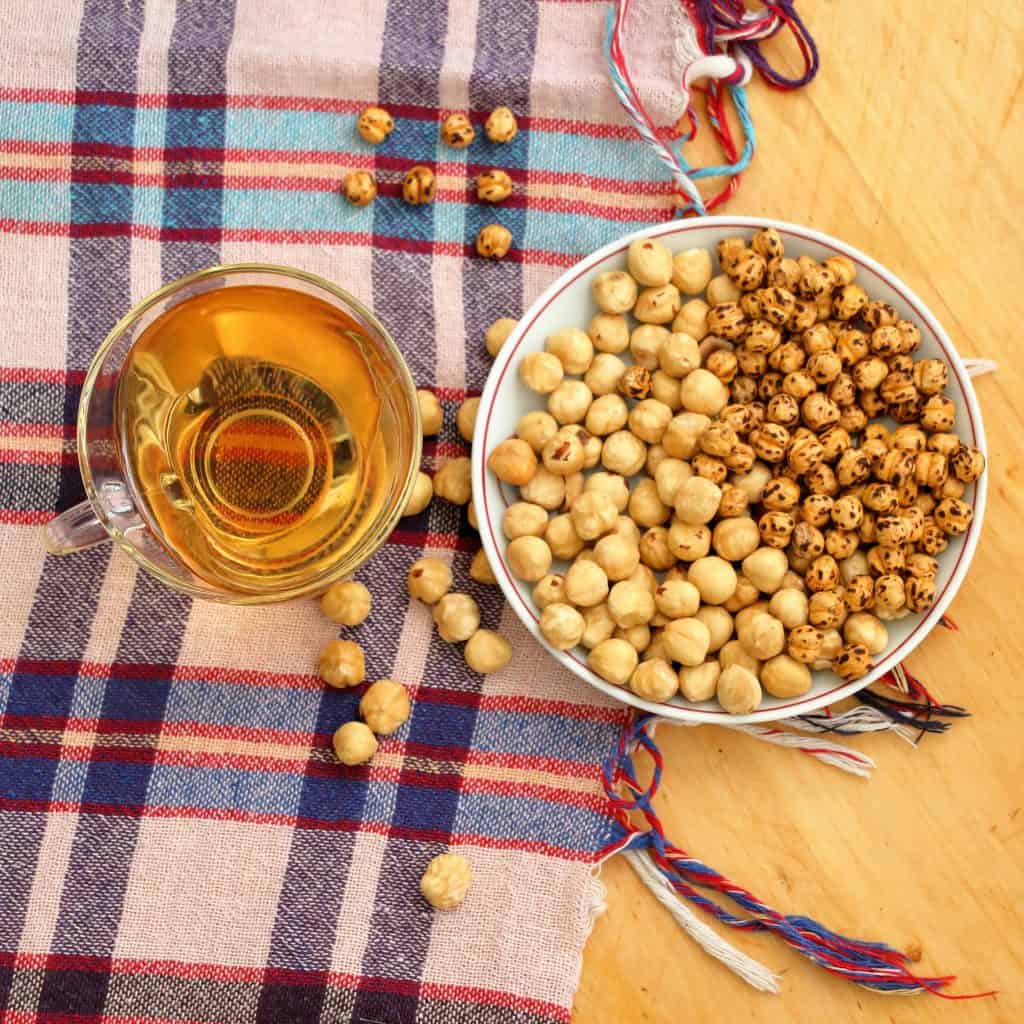
The nutrition misinformation of the past few decades has done real damage to people’s relationship with two of the most important food groups in a clean eating plan. We spent decades being told fat makes you fat, and then we spent the next decade being told carbs are poison. Neither of those things is true, and the fear of these foods has led a lot of people to eat in ways that leave them chronically hungry, low-energy, and frustrated.
Let’s talk fat first. Healthy fats — from avocados, olive oil, nuts, seeds, fatty fish, and eggs — are essential to your body’s functioning. They support brain health, regulate hormones, carry fat-soluble vitamins (A, D, E, and K) into your cells, and provide slow-burning energy that keeps you satisfied between meals. Eating adequate healthy fat does not cause weight gain. Eating an excess of calories from any source — including from fat — over a long period can contribute to weight gain. Those are very different statements.
Whole food carbohydrates are equally misunderstood. Sweet potatoes, oats, brown rice, quinoa, lentils, beans, fruit — these foods are full of fiber, vitamins, minerals, and energy. They’re not the same as white bread and pasta and sugar. When you eat a sweet potato, the fiber in that food slows the digestion of its natural sugars, giving you steady energy without a spike and crash. Cutting these foods out entirely leaves many people tired, irritable, and unable to sustain their clean eating practice.
The real issue was never fat or whole food carbs — it was processed fats (hydrogenated oils, refined seed oils) and processed carbs (white flour, added sugars). Clean eating embraces healthy fats and whole food carbs wholeheartedly while minimizing the processed versions of both. Give yourself full permission to eat the avocado toast on whole-grain bread. Drizzle olive oil on your vegetables. Enjoy a bowl of oatmeal with a banana. These are clean foods, and they belong on your plate.

Rule #7 — Shop the Perimeter of the Grocery Store (Mostly)
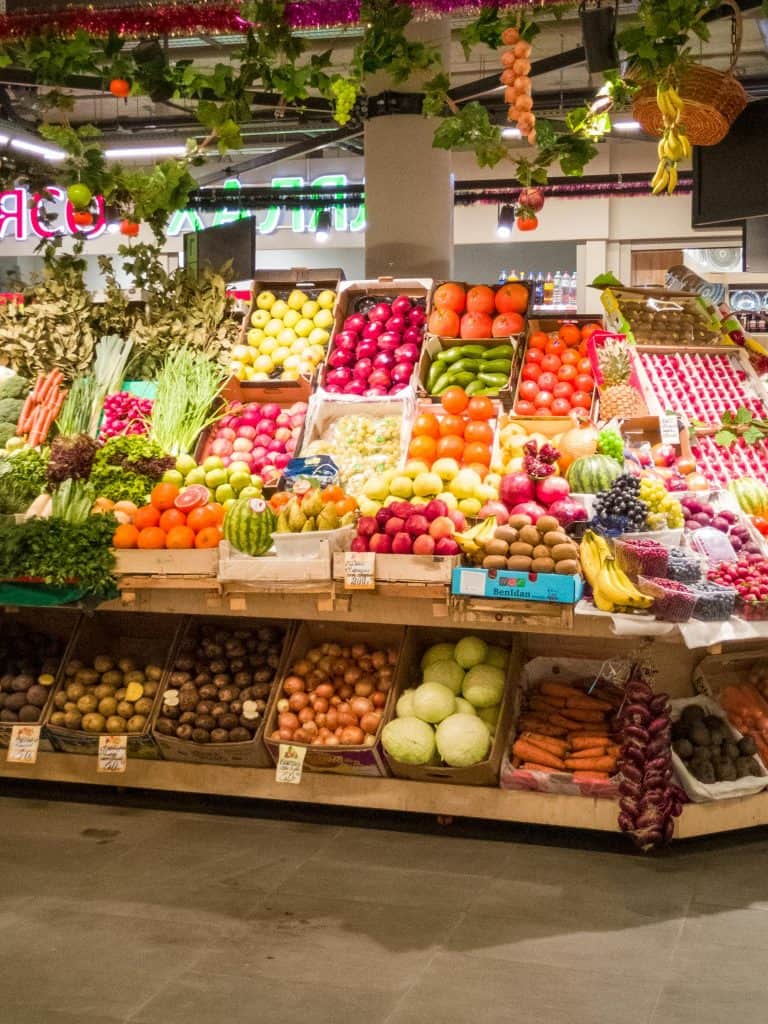
This is a practical shopping strategy that’s been around for a while, and it works because of how most grocery stores are laid out. The perimeter — the outer edges of the store — is typically where you find produce, meat, fish, dairy, and eggs. In other words, the whole foods. The center aisles are where most of the processed, packaged products live. Shopping the perimeter first means you naturally fill your cart with real food before you even hit the processed stuff.
That said, “mostly” is the keyword here. There are absolutely clean staples in the center aisles worth buying: canned beans and lentils, whole grain pasta, oats, quinoa, brown rice, olive oil, canned tomatoes, nut butters, frozen vegetables, herbs and spices, and a few other pantry essentials. The center aisles aren’t a no-go zone — they just require more label-reading vigilance than the perimeter does.
When I started clean eating, I literally changed the order in which I walked through the store. I’d start in produce and spend the most time there, loading up on vegetables and fruits. Then I’d hit the meat and fish counter. Then dairy. Then I’d make targeted trips into the center aisles for my pantry staples — and I’d stick to my list to avoid getting sucked into impulse buys of things I didn’t need. Having a written grocery list organized by section of the store makes this approach even more efficient.
Budget-wise, the perimeter strategy actually tends to be very affordable when you focus on seasonal produce, eggs, and less expensive proteins like canned fish, chicken thighs, and legumes. The most expensive items in a grocery store are often in the center aisles — the specialty packaged snacks, the convenience foods, the fancy processed “health” products. Ironically, eating clean often costs less than eating processed food once you get the hang of it.
Other Recommendations
Follow the 80/20 Rule — Always
I have talked about this rule in basically every clean eating conversation I’ve ever had, and I will keep talking about it because it is genuinely the thing that makes clean eating work long-term. The 80/20 rule means eating whole, clean foods about 80% of the time and allowing yourself flexibility and enjoyment for the other 20%. That’s it.
Here’s how this looks in real life. Let’s say you eat three meals and two snacks a day — that’s about 35 eating occasions per week. Eighty percent of 35 is 28. So roughly 28 clean eating choices per week, with about 7 occasions where you eat whatever you want without guilt or stress. That’s one or two meals a week, or a few treats scattered throughout. It’s genuinely not that restrictive when you do the math.
The 20% is sacred. It’s the birthday cake at your best friend’s party. It’s the popcorn at the movies. It’s the slice of pizza when you really want pizza. It’s the holiday dinner with all the traditional family dishes that aren’t exactly clean but are full of love, memory, and connection. Denying yourself these things completely doesn’t make you healthier — it makes you miserable, resentful, and ultimately more likely to binge.
Every time I’ve seen someone abandon clean eating — and I’ve seen it a lot, including myself in my early attempts — it was because they set an impossible standard and then felt like a failure when they couldn’t maintain it. The 80/20 rule builds in the grace that makes a lifestyle actually livable. It removes thinking of “on plan” versus “off plan” and replaces it with a more honest, human approach to eating. You’re not perfect. You don’t need to be. Just be mostly clean, mostly consistently, and you will absolutely see results.
Cook at Home More Than You Eat Out
This rule isn’t about being anti-restaurant or pretending you’ll never eat out again. It’s about recognizing a simple truth: when you cook your own food, you control what goes into it. And control is kind of the whole game with clean eating.
Restaurant food — even the seemingly healthy options — is often prepared with significantly more butter, oil, salt, and sugar than you’d use at home. Sauces contain hidden ingredients. “Grilled” chicken sometimes gets a butter bath before it hits the pan. Salads arrive with dressings that are essentially sugar syrup. You don’t know what’s in it unless you made it yourself. This doesn’t mean restaurant meals are evil — remember the 80/20 rule — but it does mean that home cooking is your most reliable path to consistently eating clean.
The good news is that clean eating at home doesn’t have to be complicated or time-consuming. Batch cooking is your best friend here. Spending about an hour on Sunday cooking a big pot of grains, roasting a sheet pan of vegetables, and prepping some protein gets you most of the way through the week with minimal daily effort. My Sunday prep session typically looks like this: cook a batch of quinoa or brown rice, roast whatever vegetables I have on hand, boil some eggs, and portion out some snacks. That’s maybe 45 minutes of active cooking, and it means I have clean building blocks for meals all week long.
Start with just two or three home-cooked dinners per week if that’s where you are right now. That’s a meaningful improvement over eating out every night, and it’s a realistic starting point for busy people. As you get more comfortable in the kitchen and build a repertoire of go-to clean eating recipes, cooking at home starts to feel less like a chore and more like a genuinely enjoyable part of your routine.
Progress Beats Perfection Every Single Time
I saved this one for last because I think it’s the rule that ultimately determines whether clean eating becomes a lasting part of your life or another thing you tried for a few weeks and abandoned. And it’s this: you will never eat perfectly, and that is completely fine. Progress — consistent, imperfect, forward-moving progress — beats perfection every single time.
Perfectionism is the number one reason clean eating fails. I’ve seen it happen over and over. Someone starts strong, eats beautifully clean for two weeks, then has a rough day and eats a bag of chips on the couch. Instead of shrugging it off and getting back to it the next morning, they decide they’ve “ruined it” and go back to their old habits entirely. That all-or-nothing thinking is the trap. One bag of chips in two weeks of clean eating is a total non-event. It only becomes a problem if you let it spiral.
How do you recover from an off day? You just eat clean for the next meal. Not the next day, not the next week — the next meal. That’s it. That’s the whole recovery strategy. One off meal doesn’t erase two weeks of good choices. It’s just one meal. Getting back on track immediately is what separates people who eventually make clean eating a lifestyle from those who stay stuck in the cycle of starting and stopping.
Consistency over time is what produces real, lasting results. Not perfection for two weeks, followed by a crash. Not an extreme cleanse followed by going back to old habits. Just mostly clean, most of the time, week after week. That’s the unglamorous truth about how healthy eating actually works — and it’s genuinely the most liberating thing once you internalize it. Every single clean choice you make matters. Every one of them adds up. Be patient with yourself, celebrate your progress, and keep going.
FAQ’s
Are there official clean eating rules?
There’s no single governing body or official rulebook for clean eating — which is actually a feature, not a bug. The principles that most clean eating experts agree on are consistent (eat whole foods, minimize processing, cut added sugar, follow the 80/20 rule), but there’s flexibility in how you apply them to your own life. Think of it as a framework you personalize, not a program you follow exactly.
How strict do the rules need to be?
Not very — and that’s the whole point. Clean eating is meant to be sustainable, which means it has to be flexible enough to fit your real life. Aiming for 80% clean eating most of the time is both realistic and effective. Going stricter than that tends to backfire for most people.
Can you customize clean eating rules to fit your lifestyle?
Absolutely yes, and you should. If you’re a vegetarian, you’ll build your protein sources differently. If you have a food allergy, you’ll work around it. If your budget is tight, you’ll prioritize the most affordable whole foods. Clean eating is a framework you adapt to your life — not a rigid program you conform your life to.
What’s the first clean eating rule a beginner should focus on?
Rule #1 — choosing whole, minimally processed foods — is the most foundational and the one I’d recommend starting with. If you just focused on this one thing for a month, you’d see significant improvements in how you feel. Once that becomes more automatic, layer in the other principles gradually.
Do clean eating rules change as you get more experienced?
In a way, yes — but not because the rules themselves change. As you become more experienced, the rules become more intuitive. You stop having to think as hard about label reading and meal building because the habits are internalized. Some experienced clean eaters become more nuanced and personalized in how they apply the principles. But the core framework stays the same.

Conclusion
Alright, let’s bring it home. Here’s a quick recap of the ten clean eating rules every beginner needs to know:
- Choose whole, minimally processed foods first
- Read every ingredient label, not just the nutrition facts
- Cut added sugar — not natural sugar
- Build every meal around protein, healthy fat, and fiber
- Drink clean — what you drink matters as much as what you eat
- Don’t fear healthy fats or whole food carbs
- Shop the perimeter of the grocery store (mostly)
These aren’t revolutionary discoveries. They’re simple, time-tested principles that work because they’re grounded in how food actually affects the human body — not in the latest trend or the most dramatic before-and-after story. What makes them powerful is consistency. Pick one or two to start with. Practice those until they feel natural. Then add another. Before long, you won’t be thinking about the rules at all — you’ll just be eating clean.
You don’t have to do this perfectly, and you don’t have to do it all at once. Clean eating is a journey that gets easier, more intuitive, and honestly more enjoyable the longer you stick with it. Trust the process, give yourself grace, and remember that every single good choice you make is moving you in the right direction.