Budget-Friendly Clean Eating Meal Prep Ideas (Real Food, Real Savings)

One of the biggest myths I hear about clean eating is that it’s expensive. And I get it — walking down the health food aisle and seeing $9 granola bars and $14 grain bowls can make anyone think eating clean is reserved for people with unlimited grocery budgets.
That’s simply not true.
I’ve been eating clean for decades, and I’ve done it on tight budgets, in nursing school, while raising a family, and plenty of seasons when every dollar had to stretch. The secret isn’t spending more — it’s shopping smarter, cooking strategically, and knowing which real foods give you the most nutrition per dollar.
In this article, I’m going to give you my best budget-friendly clean eating meal prep ideas — plus a sample week of clean meals that can be done for around $70 to $80, depending on how many people you’re feeding and where you live.
This post contains affiliate links, meaning I may receive a commission if you click on a link and make a purchase.
| Can you eat clean on a tight budget? Yes — absolutely. The most affordable foods in any grocery store are often the cleanest: dried legumes, whole grains, eggs, frozen vegetables, and seasonal produce. With the right strategy, a family of four can eat clean for $150 to $200 per week. |
The Budget Clean Eating Mindset Shift
Before we get into the specifics, there’s one mindset shift that makes everything else possible: stop thinking about the cost per item and start thinking about the cost per serving.
A $5 bag of dried lentils yields 10 to 12 servings. That’s about 40 to 50 cents per serving. A $9 bag of pre-seasoned grain mix yields 3 servings. Same category, wildly different value. When you train yourself to calculate cost per serving, the math on clean eating gets much more favorable.
The other shift: whole food cooking is inherently budget-friendly because you’re buying ingredients, not convenience. A whole chicken costs less per serving than pre-cut chicken breasts. A pot of homemade lentil soup costs a fraction of the canned version. Real food, prepared at home, is almost always cheaper than its processed counterpart.
The Best Budget-Friendly Clean Eating Ingredients
These are my go-to ingredients for eating clean without spending a lot. They’re whole, minimally processed, incredibly nutritious, and dirt cheap per serving.
| Ingredient | Approx. Cost | Servings | Best Uses |
| Dried lentils (1 lb bag) | ~$1.50–2.00 | 10–12 servings | Soups, grain bowls, chili, salads |
| Dried black beans (1 lb bag) | ~$1.50–2.00 | 10–12 servings | Chili, taco bowls, burrito bowls |
| Canned chickpeas (15 oz) | ~$0.89–1.25 | 3–4 servings | Grain bowls, roasted snack, salads |
| Brown rice (2 lb bag) | ~$2.00–3.00 | 10+ servings | Base for bowls, stir-fries, sides |
| Rolled oats (42 oz) | ~$4.00–5.00 | 25+ servings | Overnight oats, energy balls, baked oats |
| Quinoa (1 lb bag) | ~$3.50–5.00 | 8–10 servings | Grain bowls, salads, protein-rich base |
| Frozen broccoli (12 oz) | ~$1.50 | 4–5 servings | Stir-fries, sides, grain bowls |
| Frozen spinach (10 oz) | ~$1.50 | 5–6 servings | Soups, egg dishes, smoothies |
| Frozen mixed berries (12 oz) | ~$3.00–4.00 | 6–8 servings | Overnight oats, smoothies, yogurt topping |
| Chicken thighs (bone-in, 4 lb) | ~$6.00–9.00 | 8–10 servings | Roasting, slow cooker, batch cooking |
| Whole chicken (4–5 lbs) | ~$7.00–10.00 | 10–12 servings | Sunday roast, then soup, sandwiches, bowls |
| Canned tuna (5 oz, 6-pack) | ~$7.00–9.00 | 6 servings | Quick protein — no cooking required |
| Eggs (1 dozen) | ~$3.00–5.00 | 12 servings | Breakfast, snacks, salad topper |
| Sweet potatoes (3 lb bag) | ~$3.00–4.00 | 6–8 servings | Roasted side, grain bowl base, breakfast hash |
| Bananas (bunch of 6–7) | ~$1.50 | 6–7 servings | Snack, smoothies, oat topping |
| Cabbage (1 head) | ~$1.50–2.00 | 8–10 servings | Slaws, stir-fries, soups — extremely versatile |
Notice something? The cheapest ingredients on this list — lentils, oats, brown rice, eggs, frozen vegetables, sweet potatoes — are also some of the most nutritious. Eating clean on a budget is more accessible than most people think.
10 Budget Clean Eating Meal Prep Strategies
Here are the specific strategies I use to keep our clean eating grocery bill as low as possible without sacrificing nutrition or flavor:
1. Anchor every week with legumes
Dried lentils, black beans, and chickpeas are the most cost-effective clean proteins you can buy. A one-pound bag of dried lentils costs about $1.50 and yields enough protein for multiple meals. I use legumes in at least two dinners and one lunch every week.
Dried beans are even cheaper than canned but require soaking overnight. If time is tight, canned low-sodium beans are still a budget win — just rinse them well before using.
2. Buy whole chickens, not just breasts
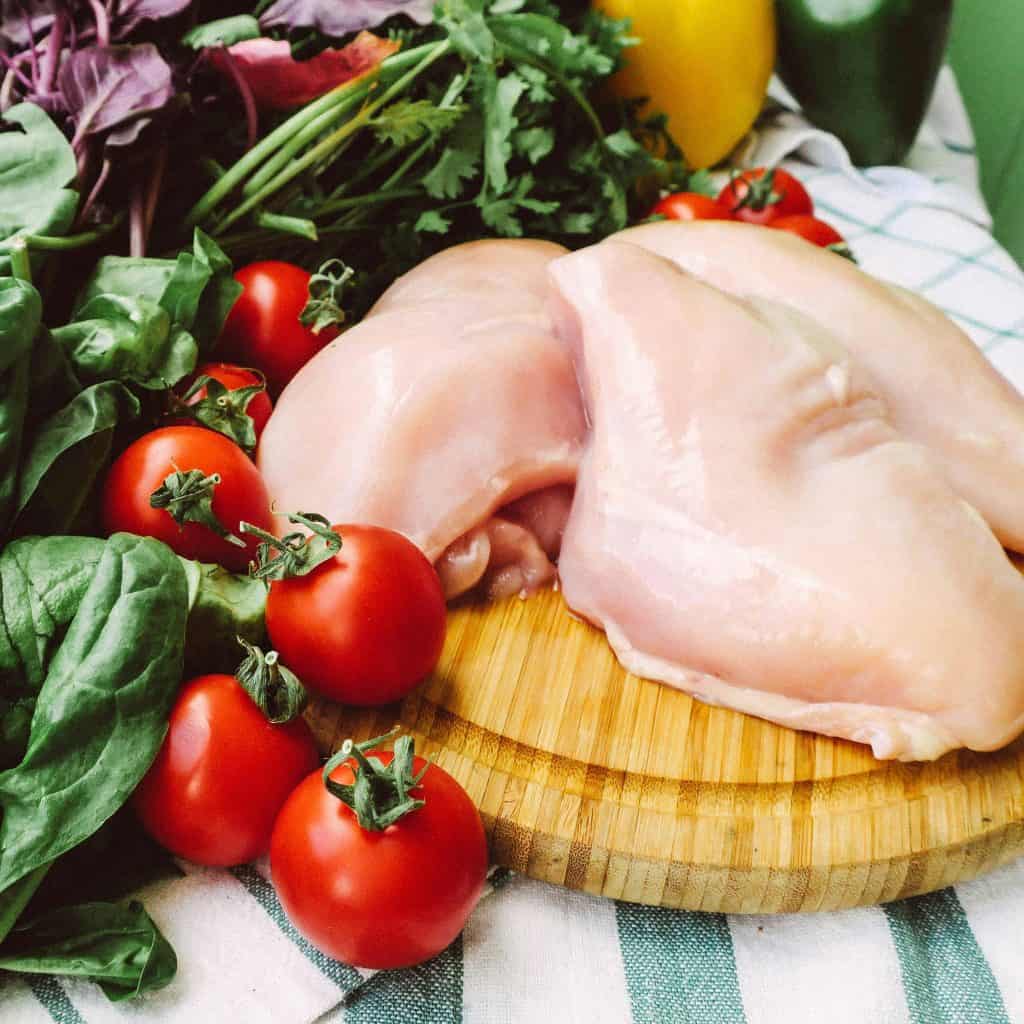
Boneless, skinless chicken breasts are the most expensive cut of chicken per pound. A whole chicken or bone-in thighs give you far more food for the money.
Here’s what I do: roast a whole chicken on Sunday. That one bird gives me dinner Sunday night, chicken for grain bowls and wraps on Monday and Tuesday, and then I simmer the carcass into a pot of bone broth that becomes the base for soup on Wednesday. One chicken, four to five meals. That’s serious budget cooking.
3. Embrace frozen vegetables and fruits
Frozen produce is one of the biggest budget wins in clean eating. Vegetables and fruits are picked at peak ripeness and flash-frozen immediately, which preserves almost all of their nutritional value. In many cases, frozen produce is nutritionally superior to fresh produce that’s been sitting in a truck for five days.
Frozen broccoli, spinach, peas, corn, green beans, and mixed berries are all perfectly clean and significantly cheaper than fresh. I use frozen spinach in soups and egg dishes, frozen broccoli for stir-fries, and frozen berries in overnight oats and smoothies every single week.
4. Cook large batches and repurpose leftovers
The single most powerful budget meal prep strategy is batch cooking. When you make a big pot of turkey lentil chili on Sunday, you’re not making dinner once — you’re making lunch for three days. That reduces both cooking time and cost dramatically.
Plan intentional leftovers. Make more than you need for dinner and plan the next day’s lunch around the extras. I call this “planned-overs” — it’s not an accident that there’s extra chili. It was always the plan.
5. Use oats as a budget staple
Rolled oats are one of the most underrated foods in clean eating. A large container of old-fashioned oats costs about four dollars and provides more than 25 servings. That’s breakfast for the better part of a month.
Beyond overnight oats, oats can be used to make energy balls, clean baked goods, a warm breakfast bowl with banana and nut butter, and even savory oat recipes. If you’re on a tight budget, oats should be in your cart every single week.

6. Make your own sauces and dressings
Pre-made dressings and sauces are one of the sneakiest budget and nutrition drains in the grocery store. They’re often expensive, full of seed oils and sugar, and completely unnecessary.
A clean olive oil dressing takes literally 90 seconds to make: two tablespoons of olive oil, one tablespoon of apple cider vinegar, a squeeze of lemon, a pinch of garlic powder, salt, and pepper. Shake it in a mason jar. Done. Cleaner, cheaper, and better tasting than anything in a bottle.
7. Reduce food waste aggressively
Food waste is one of the biggest silent costs in any household food budget. According to USDA research, the average American household throws away between 30 and 40 percent of the food they buy. That’s money straight into the trash.
To cut waste in my kitchen:
- Do a fridge audit every Sunday before shopping — use up anything close to the end of its life before buying more
- Label everything with the prep date so you always know what needs to be eaten first
- Freeze anything you won’t use in time — cooked grains, proteins, soups, and most vegetables freeze beautifully
- Turn wilting vegetables into a quick stir-fry or soup rather than tossing them
8. Shop store brands for pantry staples
The store-brand version of olive oil, canned beans, brown rice, oats, and frozen vegetables is almost always just as clean as the name brand — often identical in quality, sometimes from the same supplier. Read the ingredient label on both and compare. In most cases, you’ll see no difference worth paying extra for.
I buy name brands only when the ingredient quality genuinely differs — usually for specific nut butters, quality olive oil, and certain organic produce. Everything else? Store brand all the way.
9. Buy in bulk when it makes sense
Bulk buying makes economic sense for ingredients with long shelf lives: dry grains, dried legumes, nuts, seeds, oats, and canned goods. A five-pound bag of brown rice from a warehouse store costs a fraction of the per-pound price at a regular grocery store.
Important caveat: bulk buying only saves money if you actually use what you buy. Don’t bulk-buy perishables unless you have a plan to use or freeze them within their shelf life.
10. Plan around seasonal produce
Seasonal produce is significantly cheaper than out-of-season produce, and it tastes better too. In summer, zucchini, tomatoes, corn, and peaches are abundant and inexpensive. In fall, sweet potatoes, apples, and winter squash dominate.
Build your weekly meal plan around whatever is cheapest and most seasonal at your store. Use it as your vegetable anchor for the week and build meals around it. This alone can reduce your produce budget by 20 to 30 percent.
A Sample Budget Clean Eating Week
Here’s a full week of clean-eating meals built around budget-friendly ingredients. Estimated cost for one person: $70-$80, depending on your region and store. For a family of four, scale the quantities and expect a cost of $150 to $200.
| Day | Breakfast | Lunch | Dinner |
| Monday | Overnight oats + chia + frozen berries | Lentil soup (batch made Sunday) | Baked chicken thighs + roasted sweet potato + broccoli |
| Tuesday | Overnight oats + banana | Grain bowl: chicken, brown rice + chickpeas + roasted veggies | Pork stir-fry with cabbage + brown rice + coconut aminos |
| Wednesday | Scrambled eggs + sauteed spinach | Leftover Pork stir-fry | Turkey lentil chili (slow cooker) |
| Thursday | Baked oats with banana + nut butter | Taco bowl: brown rice + black beans + cabbage slaw + salsa | Turkey lentil chili leftovers |
| Friday | Smoothie: frozen berries + spinach + oats + almond milk | Mason jar salad: tuna, chickpeas + greens + cucumber + olive oil | Baked sweet potato + hard-boiled eggs + side salad |
| Saturday | Egg scramble with sweet potato + onion | Peanut butter and jelly sandwich with carrots, & apple slices | Whole roasted chicken + roasted cabbage + brown rice |
| Sunday | Overnight oats + frozen fruit | Chicken soup from Sunday roast carcass | Lentil and vegetable curry over brown rice |
| Budget note: This week’s plan is built around: 1 whole chicken, 1 lb dried lentils, 1 lb ground pork, 2 dozen eggs, 1 lb dried black beans, 2 cups brown rice dry, 2 cups quinoa dry, and mostly frozen and seasonal vegetables. Pantry staples like olive oil, oats, and spices are not included in the weekly cost estimate. |
Budget-Friendly Clean Eating Meal Prep Ideas by Category
Budget Breakfast Preps
- Overnight oats (5 mason jars for the week) — 5 breakfasts for about $1 to $1.50 each
- Baked egg casserole with sweet potato and turkey sausage — 6 servings from about $8 total
- Banana oat pancakes (2 ingredients: banana + egg) — cheap, clean, and satisfying
- Smoothie packs: portion frozen spinach, banana, and frozen berries into bags — blend with almond milk in the morning
Budget Lunch Preps
- Lentil soup — one of the most affordable meals in clean eating; a big batch costs under $5 and makes 6 servings
- Black bean and rice bowls with cabbage slaw and salsa — extremely cheap and satisfying
- Hard-boiled egg and veggie snack plates — no cooking beyond boiling eggs
- Chickpea and vegetable wraps with hummus in whole grain tortillas
Budget Dinner Preps
- Slow cooker turkey and lentil chili — costs about $8 to $10 and feeds 6 to 8 people
- Whole roasted chicken with root vegetables — built-in leftover plan
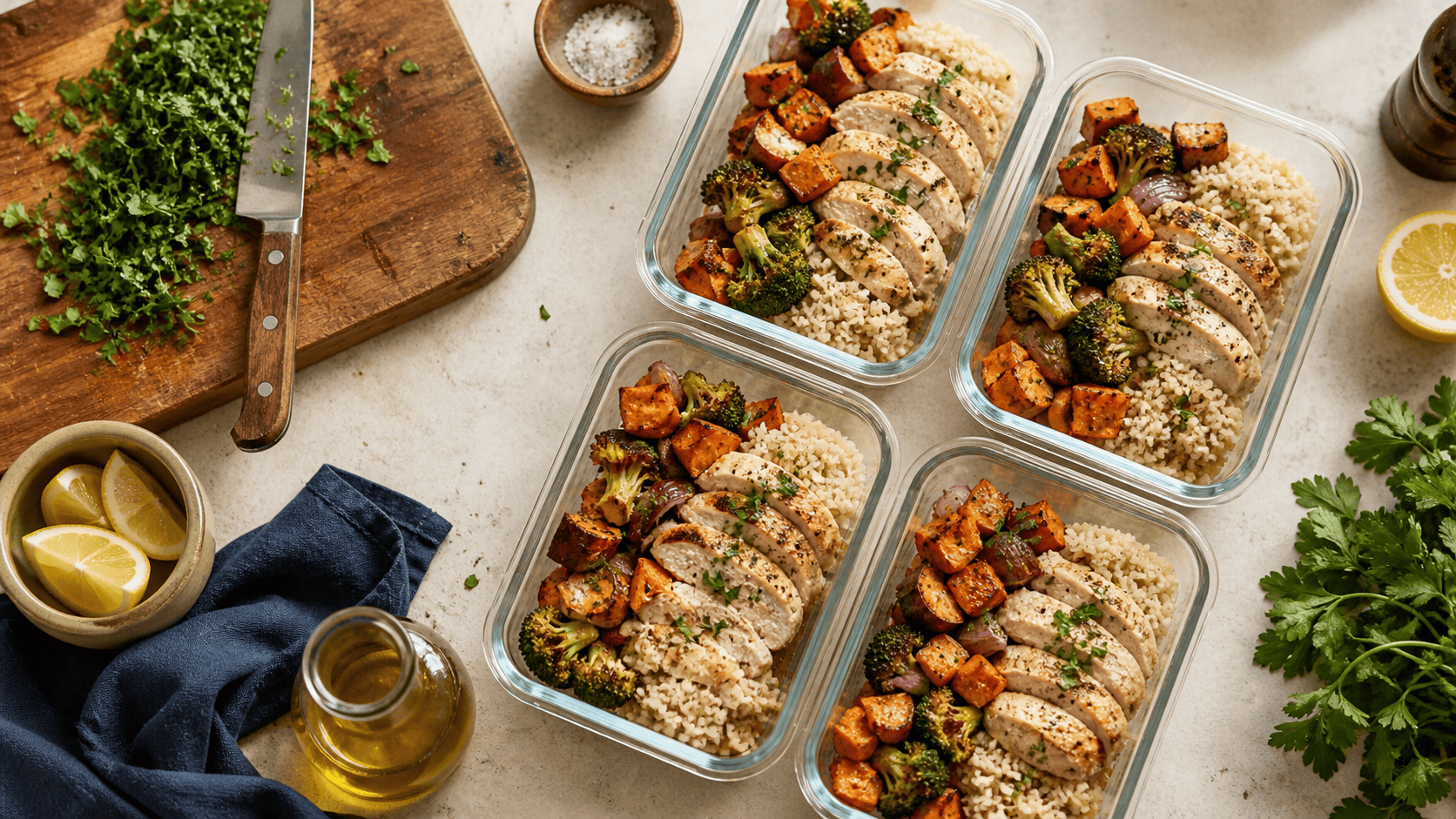
- Sheet pan sweet potato and chicken thighs — cheap cut, incredible flavor when seasoned well
- Lentil and vegetable curry over brown rice — plant-based, high-protein, under $2 per serving
- Cabbage stir-fry with eggs and brown rice — a whole head of cabbage costs under $2 and feeds a family
Budget Snack Preps
- Energy balls: oats + peanut butter + honey + chia seeds — about 25 cents each
- Hard-boiled eggs — one of the cheapest protein snacks available
- Apple slices with natural peanut butter — clean and filling for about 50 cents per snack
- Roasted chickpeas — crunchy, satisfying, and cost about 30 cents per serving
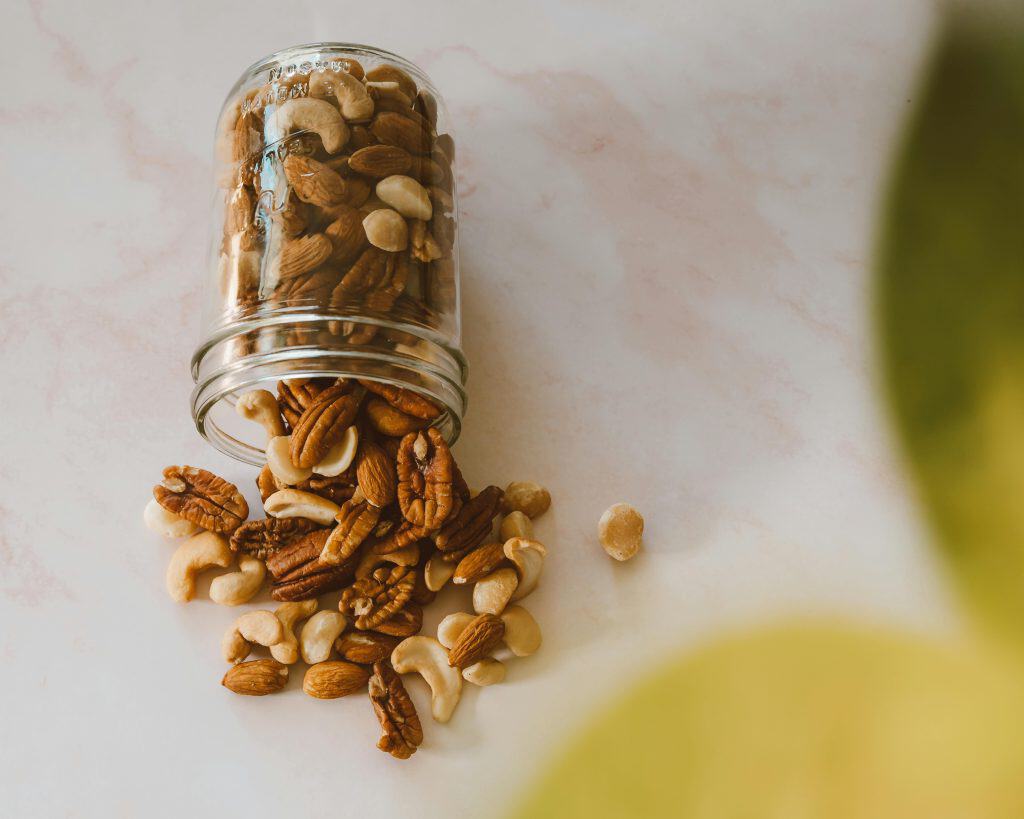
- Portioned raw almonds — buy a large bag and portion into weekly snack bags
One-Time Investments That Save You Money Long-Term
A few kitchen tools pay for themselves quickly when you’re doing regular clean-eating meal prep:
- A slow cooker, pressure cooker or Instant Pot: Cheaper cuts of meat become tender and flavorful with low-and-slow cooking. One device, years of budget meals. (I love Ninja products – reliable and durable).
- A good set of glass storage containers: They last for years, don’t leach chemicals, and prevent the “what’s in this container” freezer mystery that leads to throwing food away. (Pyrex, Eonjoe, and OXO are my go-to depending on the size and shape that you want.)
- A chest freezer (if you have space): Being able to buy proteins and produce in bulk and freeze them is one of the most significant budget tools available to a clean eater.
- A kitchen scale: Portioning food by weight instead of eyeballing reduces over-purchasing and food waste. I have a small Ultrean that works well for small portions; The OXO Good Grips 11 lb is for everyday use.
Frequently Asked Questions
How much should I budget for clean eating per week?
For a single person, $60 to $90 per week is very achievable for eating clean. For a family of four, plan for $150 to $200. These estimates assume you’re cooking at home, buying seasonal produce, and leaning on budget staples like legumes, oats, and frozen vegetables. You can eat clean on less — it just requires more planning and flexibility.
Is organic produce always necessary for clean eating?
No. Buy organic strategically. Prioritize the EWG Dirty Dozen for organic (strawberries, spinach, kale, apples, grapes, bell peppers, and similar thin-skinned or leafy produce). Buy conventional for the Clean Fifteen — avocados, pineapple, onions, asparagus, and thick-skinned produce. This approach can cut your produce costs.
What are the cheapest clean proteins?
In order of cheapest to most expensive: dried lentils, dried beans, canned tuna, eggs, bone-in chicken thighs, whole chicken, and canned salmon. Plant-based proteins are generally the most budget-friendly — dried lentils especially offer incredible nutritional value at almost no cost.
Can I eat clean if I don’t like to cook?
Yes, but you’ll need to get comfortable with very simple preparations. Roasting vegetables on a sheet pan, cooking rice in a pot, and hard-boiling eggs are the extent of “cooking” required for many clean-eating meals. The component method — prep building blocks, not full recipes — works especially well for people who prefer minimal cooking.
Eating Clean on a Budget Is Completely Possible
Healthy eating doesn’t require a specialty grocery store, an expensive meal kit subscription, or a premium food budget. It requires knowing which whole foods are your best value, shopping with a plan, cooking strategically, and using every bit of what you buy.
The cleanest foods in the grocery store — eggs, oats, lentils, brown rice, sweet potatoes, frozen vegetables, whole chickens — are also among the least expensive. That’s not a coincidence. Real, whole food has always been more accessible than processed food. We have to get back to cooking it.
Start with this week’s sample meal plan. Build your grocery list from the budget ingredient table. Spend two and a half hours prepping on Sunday. I promise you — eating clean and eating affordably are not mutually exclusive. You can absolutely do both.
| For more budget clean eating recipes, tips, and weekly meal plans, visit kelliannscheibe.com and follow along at @kelliannscheibe. Your clean eating journey starts in the grocery cart — not the health food aisle. |