Clean Eating vs High-Protein-Low-Carb: How to Combine Both for Real Results

Do You Have to Choose Between Clean Eating and High-Protein?
Let me start with something that might surprise you: most women aren’t eating nearly enough protein. I’ve been saying this for years as a nurse, and now the research is catching up in a big way. Protein isn’t just for bodybuilders. It’s essential for energy, metabolism, muscle preservation, hormonal balance, and bone density — especially as we age.
At the same time, I know many of you are drawn to clean eating because you want to nourish your body with real, whole foods — not processed protein shakes and bars with ingredient lists you can’t pronounce.
Here’s the great news: clean eating and high-protein, low-carb eating are not opposites. In fact, combining them might be one of the smartest things you can do for your health, especially if you’re a woman over 40. Let me show you exactly how.
Heads up — some links in this post are affiliate links, meaning I may earn a small commission if you shop through them, at no additional cost to you. I only recommend products I truly love and use myself.
What Is Clean Eating? A Quick Foundation
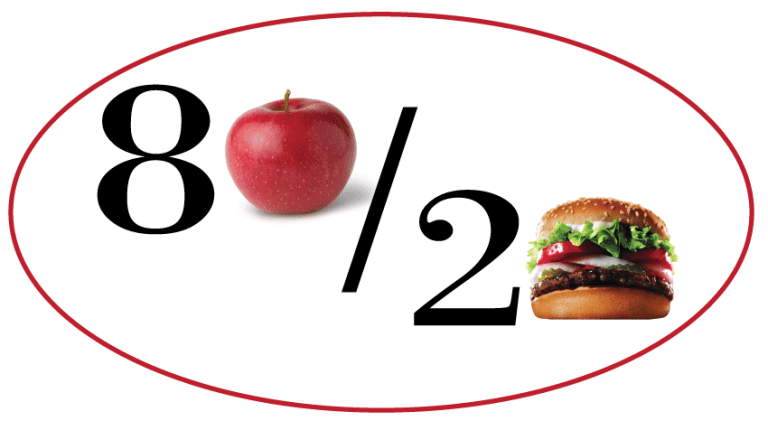
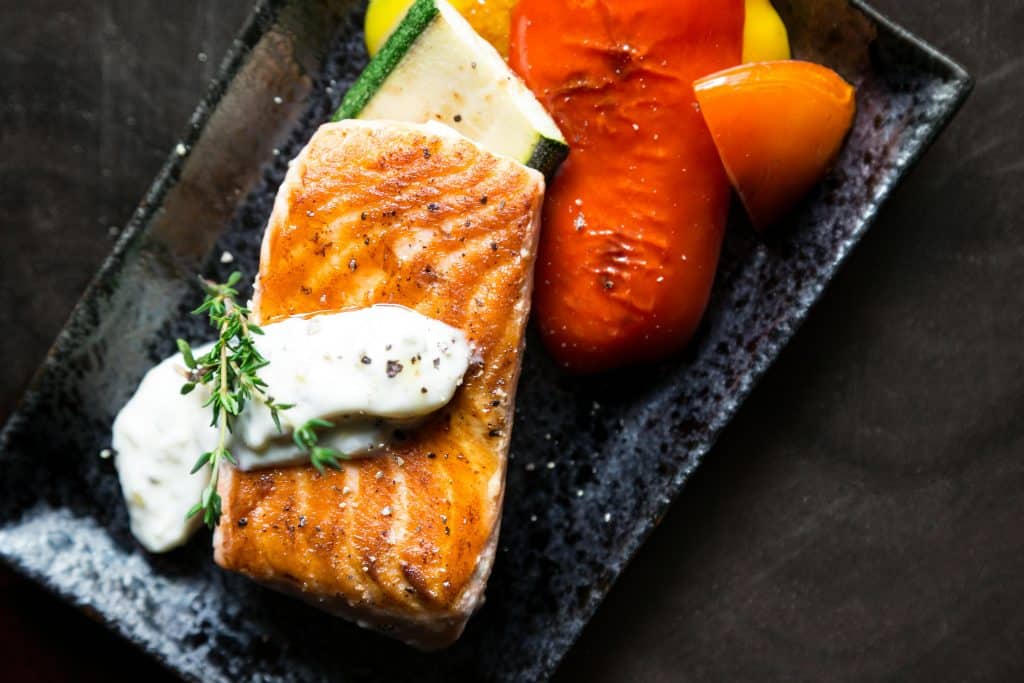
Clean eating is the philosophy of choosing whole, real, minimally processed foods as the foundation of your daily diet. It’s not a diet with rigid rules — it’s a food mindset. At Nourish & Thrive, I teach it through the 80/20 rule: 80% of the time, choose the cleanest, most nourishing option available. The other 20% is real life.
One of the principles I love most is the grandmother ingredient test. If your grandmother wouldn’t recognize an ingredient on that label, it probably doesn’t belong in your grocery cart. Simple. Practical. And it works for any eating approach — including high-protein, low-carb.
What Is a High-Protein Low-Carb Diet?
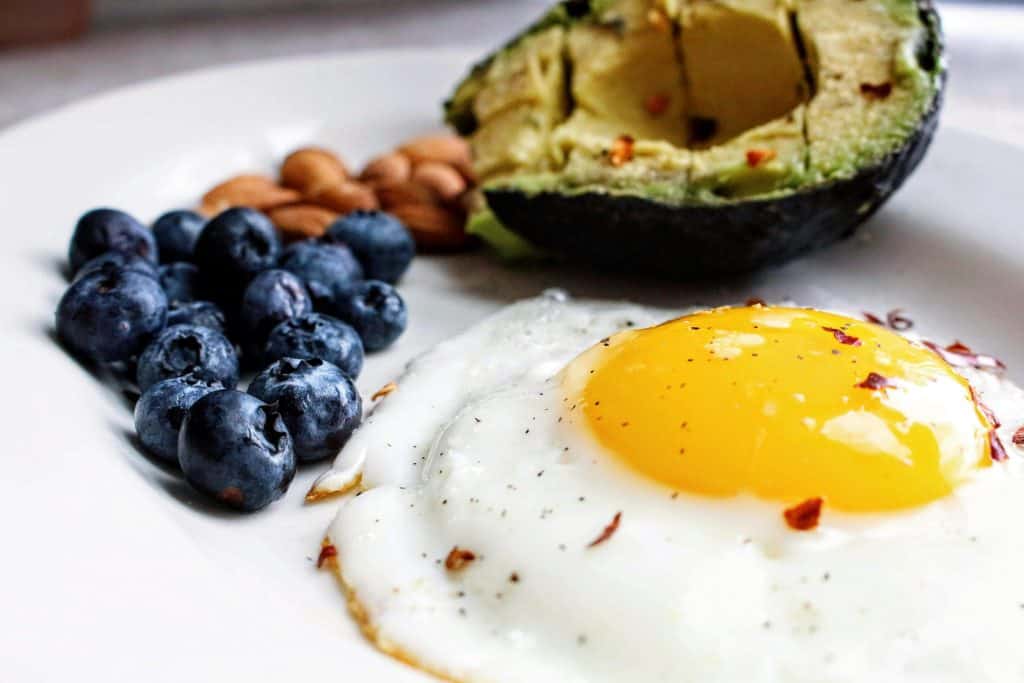
A high-protein, low-carb eating approach focuses on increasing your daily protein intake while reducing — though not eliminating — carbohydrates. This is different from strict keto. You’re not chasing ketosis. You’re simply prioritizing protein and being more mindful about the carbs you choose.
Most health experts define ‘high protein’ as consuming somewhere between 25–35% of your total calories from protein, or roughly 0.7–1 gram of protein per pound of body weight per day. For a 150-pound woman, that’s about 105–150 grams of protein daily — significantly more than the average American woman currently eats.
The benefits are impressive. Higher protein intake supports lean muscle mass, helps you feel fuller longer, stabilizes blood sugar, boosts metabolism, and can significantly improve body composition over time. For women in their 40s, 50s, and beyond, it’s one of the most impactful dietary shifts you can make.
💡 Research shows that protein needs actually INCREASE as we age due to decreased muscle protein synthesis efficiency. Women over 40 often need MORE protein, not less.
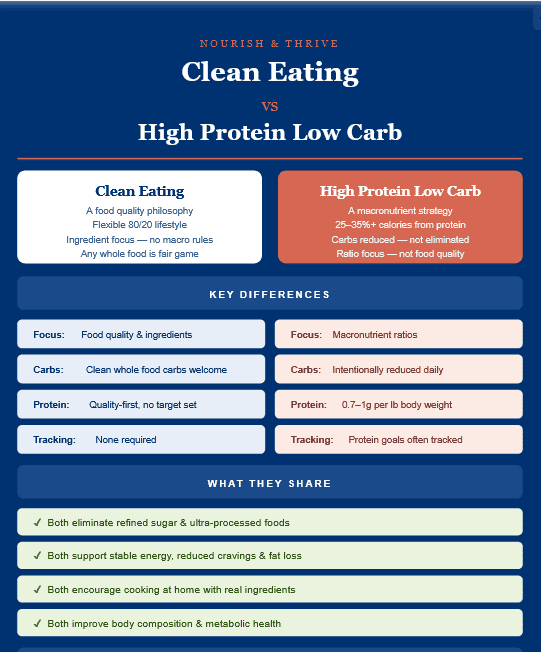
Clean Eating vs High-Protein Low-Carb: The Similarities
These two approaches share more common ground than most people realize:
- Both prioritize food quality and whole, real ingredient choices
- Both naturally eliminate or significantly reduce refined sugar and processed carbohydrates
- Both support stable energy levels, reduced cravings, and improved body composition
- Both encourage intentional eating and careful label reading
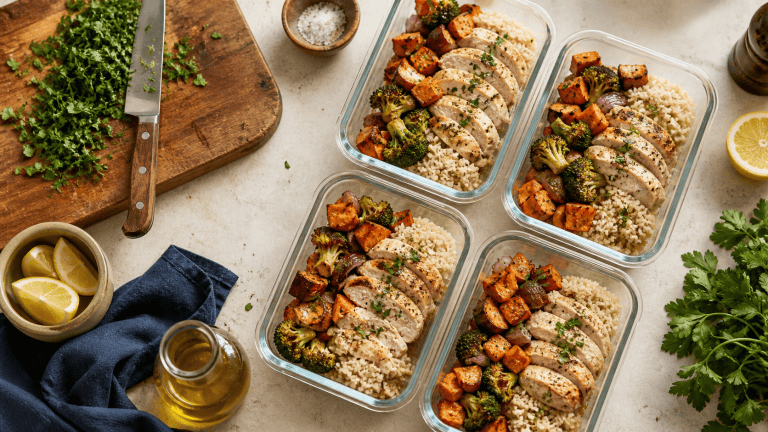
- Both are compatible with cooking at home and smart meal prepping
When you approach high-protein eating through a clean eating lens, the combination is incredibly powerful — and the food is genuinely delicious.
Where They Differ: Food Quality vs. Macro Focus
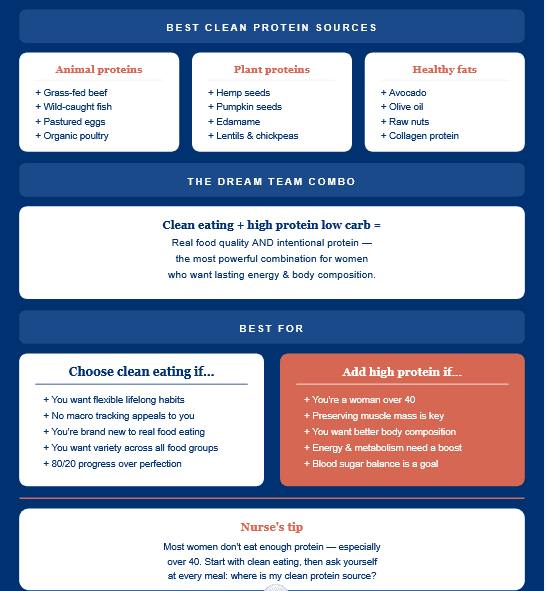
Here’s the important distinction. High-protein, low-carb eating is primarily a macronutrient strategy — it’s about ratios. Clean eating is primarily a food quality strategy — it’s about ingredients. Neither approach automatically ensures the other.
You can eat ‘high-protein low-carb’ and still eat poorly. Processed deli meats loaded with nitrates, protein bars full of artificial sweeteners, and fake meat products all fit the macro profile — but none of them are clean. That’s where so many women go wrong when they try high-protein eating: they hit their protein numbers, but their food quality suffers.
Clean eating doesn’t automatically address protein intake either. It’s entirely possible to eat a beautifully clean diet that’s still too low in protein — especially if you’re relying heavily on plant-based whole foods or complex carbohydrates.
The solution? Combine both. Use clean eating as your food quality filter AND intentionally prioritize protein from whole, clean sources.
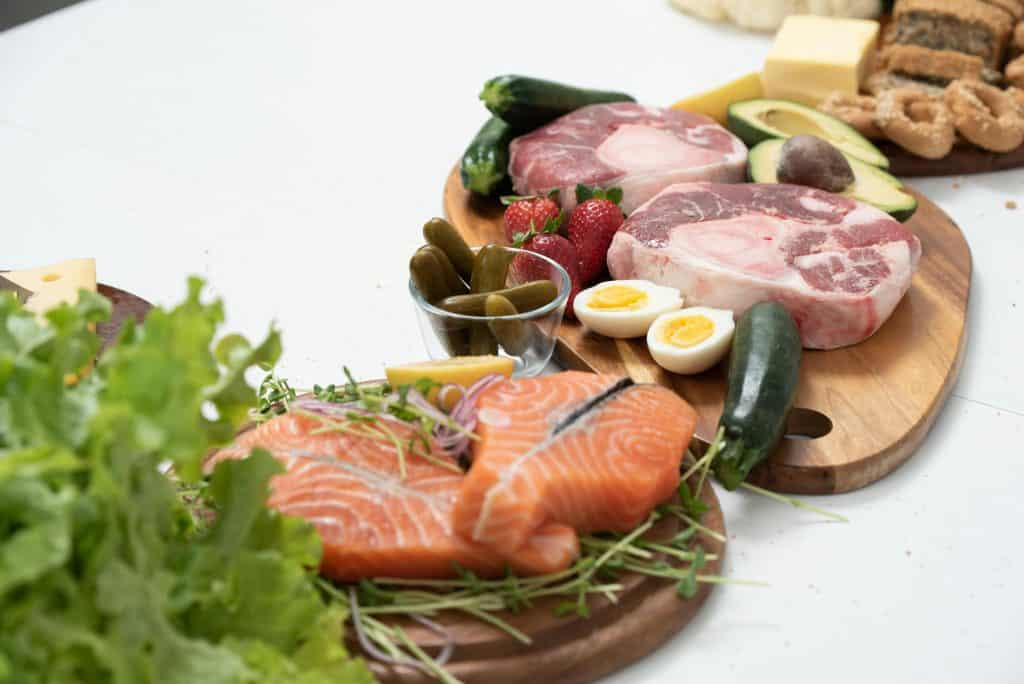
What Clean High-Protein Low-Carb Eating Looks Like
Here’s exactly how to apply both approaches together:
- Build every meal around a clean protein source first, then add vegetables and healthy fats
- Choose whole food proteins over processed ones — always
- When you include carbohydrates, choose clean, whole food sources like sweet potatoes, berries, or quinoa
- Skip the protein bars, processed deli meats, and artificially-sweetened protein products
- Use the cook-extra-at-dinner strategy: cook double the protein at dinner and use it for tomorrow’s lunch
It’s really that simple. Real food first, protein intentionality second.
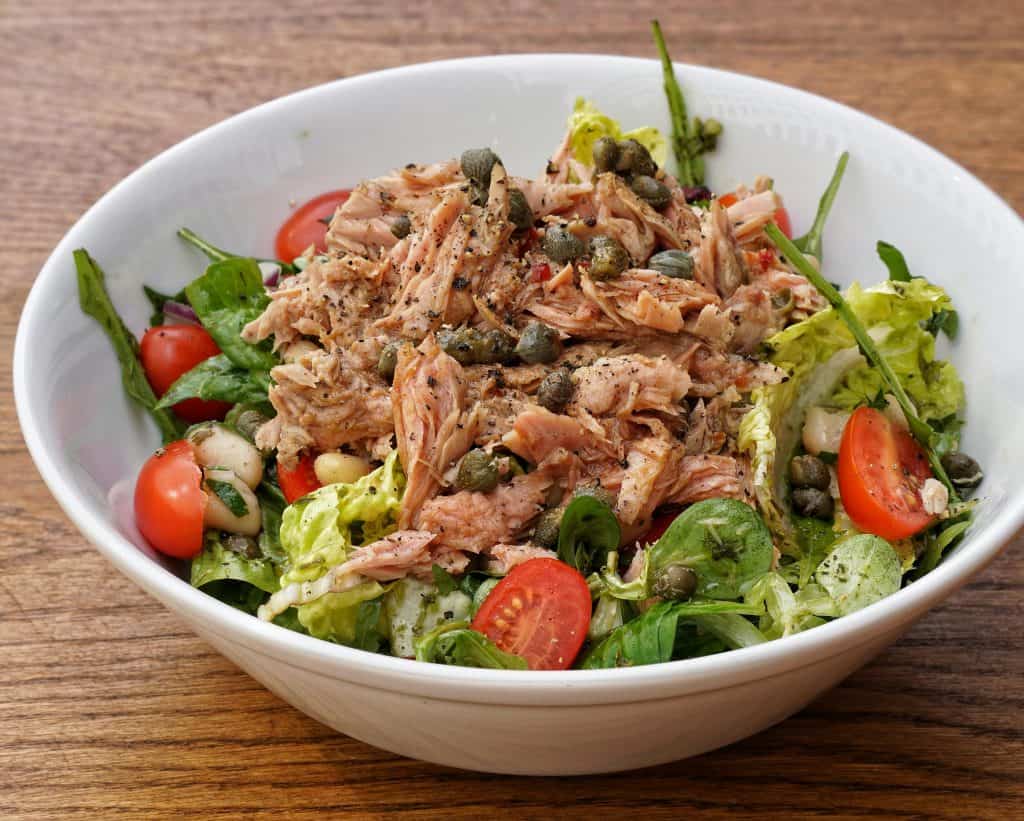
The Best Clean, High-Protein Foods to Stock
Ready to build your clean high-protein kitchen? Here are the staples I recommend:
Animal Proteins (the cleanest, most bioavailable sources):
- Grass-fed beef: ground beef, sirloin, flank steak
- Wild-caught fish: salmon, cod, sardines, tuna, halibut
- Pastured eggs: whole eggs are one of the most nutrient-dense foods on the planet
- Organic, free-range chicken and turkey
- Collagen protein: clean, unflavored powder to add to smoothies, soups, or coffee
Plant Proteins (clean, whole food sources):
- Hemp seeds: 10g protein per 3 tablespoons, plus healthy omega-3 fats (My favorite Hemp)
- Pumpkin seeds: high in protein, zinc, and magnesium (My favorite Sprouted Pumpkin Seeds)
- Edamame: if soy is tolerated, a great complete plant protein option (My favorite crunchy Edamame snack)
Healthy Fats That Support Satiety and Hormone Health:
- Avocado and avocado oil (a favorite EVOO single source cold pressed)
- Extra virgin olive oil
- Raw nuts: almonds, walnuts, macadamia nuts, cashews
- Coconut oil and grass-fed ghee for cooking
Low Carb, High Fiber Vegetables to Fill Your Plate:
- Spinach, kale, arugula, and mixed greens
- Broccoli, cauliflower, Brussels sprouts, and asparagus
- Zucchini, bell peppers, cucumber, and celery
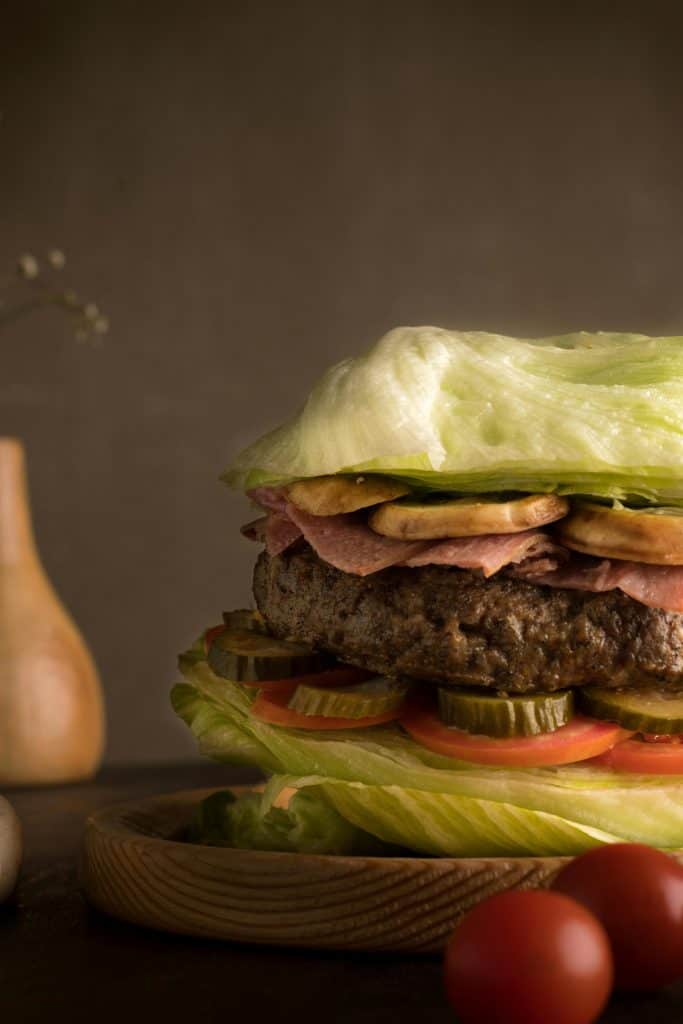
A Sample Day of Clean High-Protein Low-Carb Eating
Want to see exactly what a day looks like? Here’s one of my favorite clean high-protein menus:
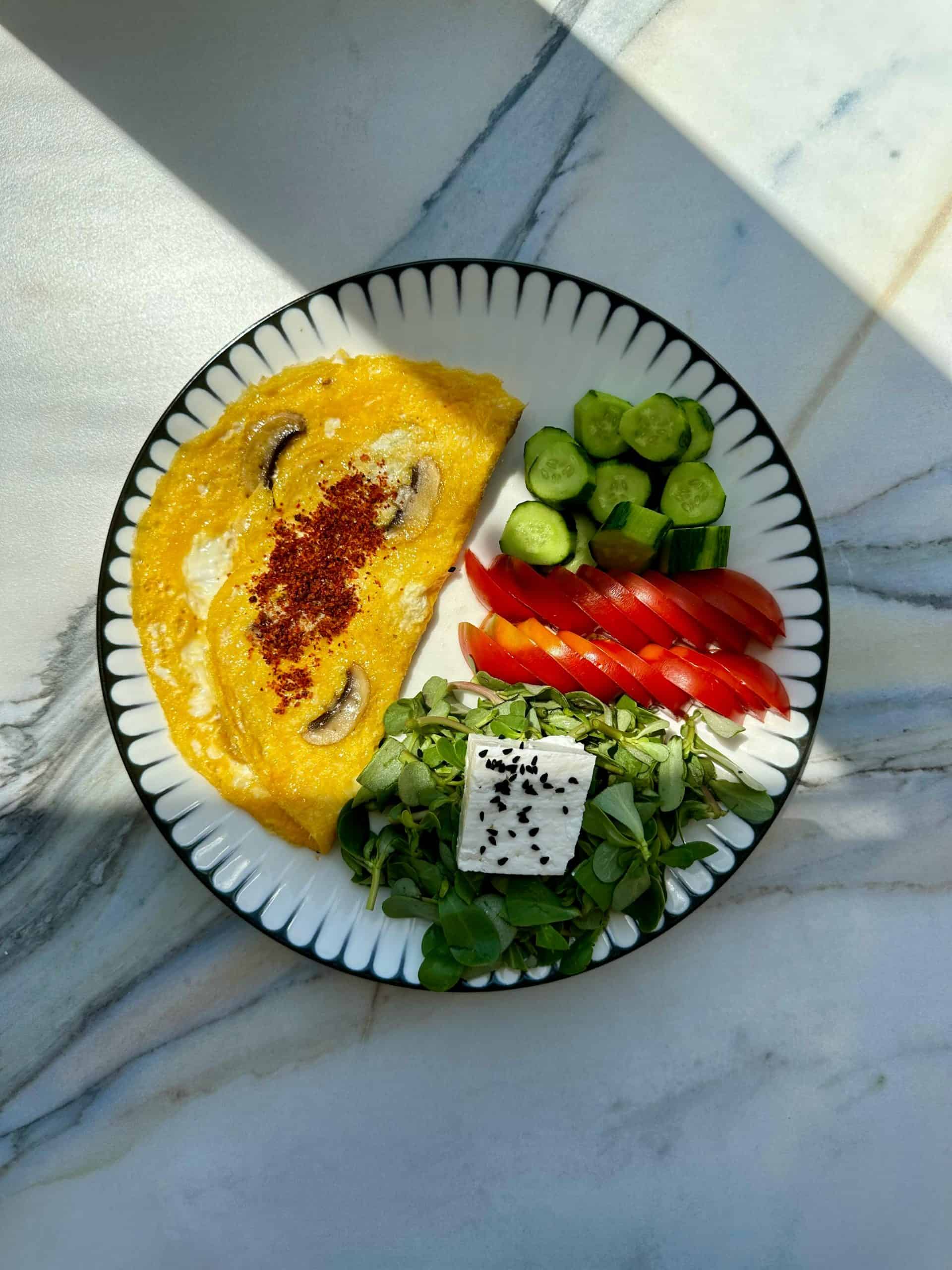
- Breakfast: 3 pastured eggs scrambled with spinach, mushrooms, and half an avocado
- Lunch: large grilled organic chicken breast over mixed greens with olive oil, lemon, and cucumbers
- Dinner: grass-fed ground beef stir-fry with broccoli, zucchini, and bell peppers in coconut aminos
- Snacks: hard-boiled pastured eggs, a small handful of mixed raw nuts, or celery with almond butter
Estimated protein for this day: roughly 120–140 grams. Every ingredient is whole, real, and recognizable. Clean eating and high-protein work together beautifully.
💡 Grab my free Clean Eating Grocery List at kelliannscheibe.com — it’s easy to layer your protein priorities on top of it!
A Nurse’s Perspective on Protein for Women
I want to take a moment to speak directly to you as your nurse friend, because this matters.
Most of the women I talk to — whether they’re 35 or 65 — are not eating enough protein. We’ve been conditioned to think of protein as something athletes eat, or something heavy and indulgent. Neither is true. Protein is a fundamental building block of literally every cell in your body.
As women age, our ability to synthesize muscle protein declines. That means we actually need MORE protein as we get older, not less. Adequate protein intake is one of the most powerful things you can do to protect your muscle mass, support your metabolism, maintain bone density, and keep your hormones balanced through perimenopause and beyond.
That said, before making significant changes to your macronutrient intake, especially if you have kidney disease, diabetes, or other health conditions, please have a conversation with your healthcare provider. Personalized guidance always matters.
Getting Started: Clean Eating First, Protein Second
If you’re new to all of this, here’s my recommended approach: first, start with clean eating basics. Focus on crowding out processed foods, learning to read labels, and building the habit of cooking at home with real ingredients. Give yourself a few weeks to settle into that foundation.
Then, once clean eating feels more natural, layer in your protein intention. Start by asking yourself at each meal: ‘Where is my protein source in this meal?’ Make sure every meal includes a clean, whole food protein anchor. That one shift alone can transform how you feel.
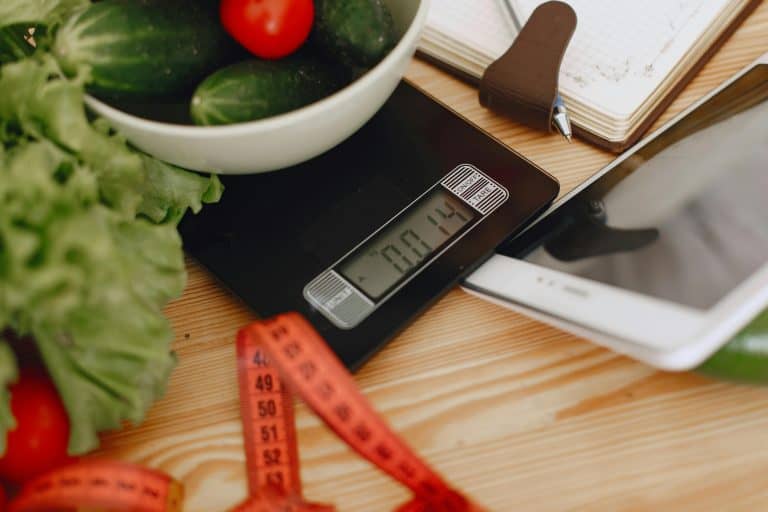
You don’t need to track macros obsessively. You don’t need to weigh your food. Just prioritize real food protein at every meal, keep your carbs clean and whole when you eat them, and let the 80/20 rule give you the flexibility to sustain this lifestyle for years — not just weeks.
The Bottom Line: Clean Eating and High Protein Are a Dream Team
High-protein, low-carb eating and clean eating aren’t competing philosophies — they’re complementary ones. When you bring clean eating’s food-quality focus to your high-protein approach, you get an eating style that is nourishing, effective, sustainable, and genuinely delicious.
Skip the processed protein products. Embrace real, whole food protein sources. Give yourself the 80/20 grace you deserve. That’s the Nourish & Thrive approach — and it works for women at every stage of life.
Ready to stock your kitchen with the best clean, high-protein foods? Grab my free Clean Eating Grocery List at kelliannscheibe.com and let’s build your best eating life together!